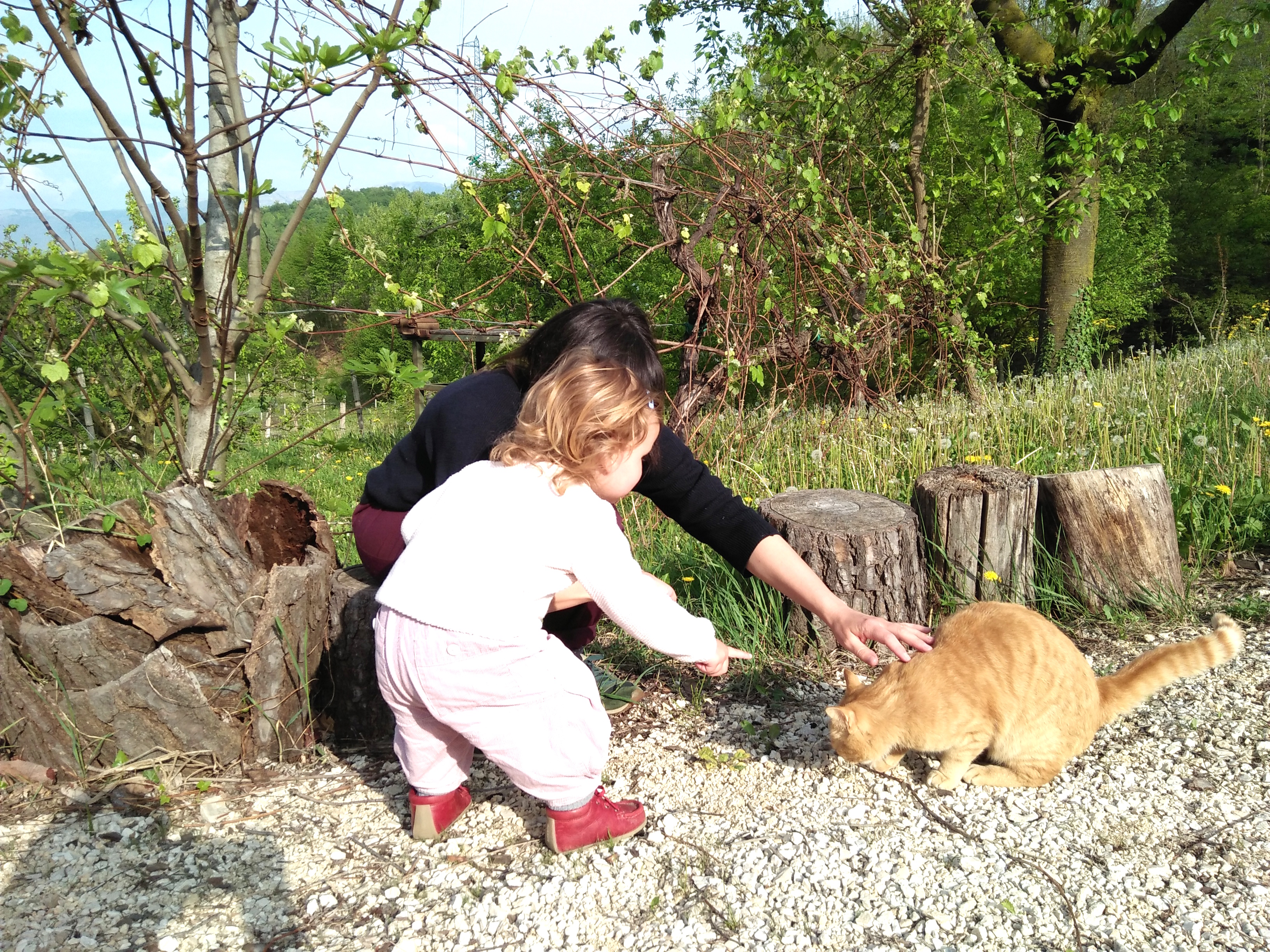
ภาพบันทึกความทรงจำถึงคาร์ล็อตต้าและแมวที่บ้านพักใน Sàrmede
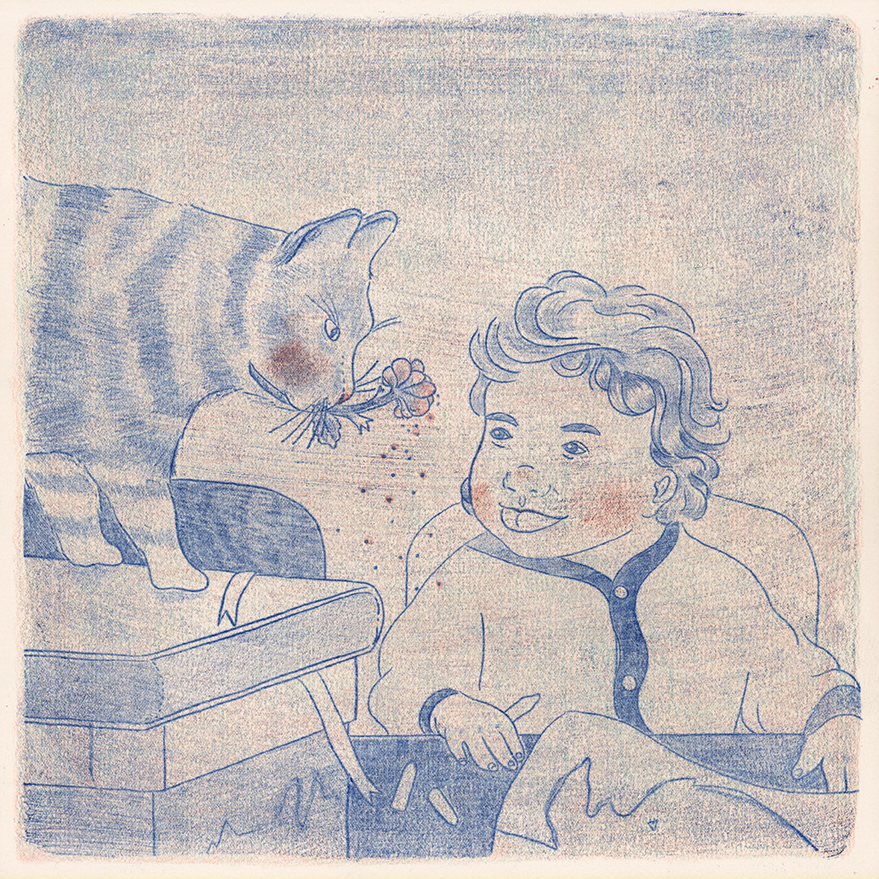
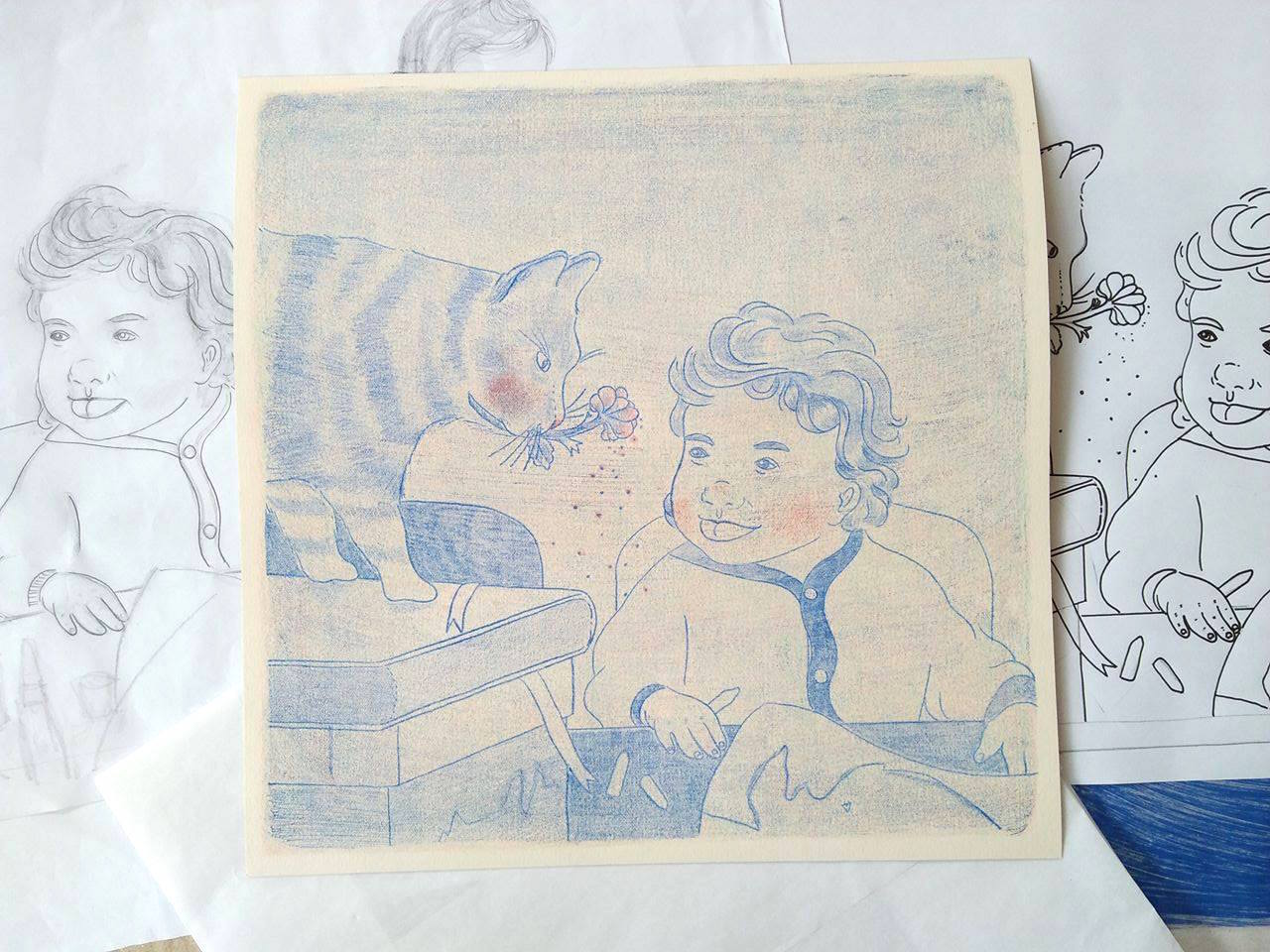
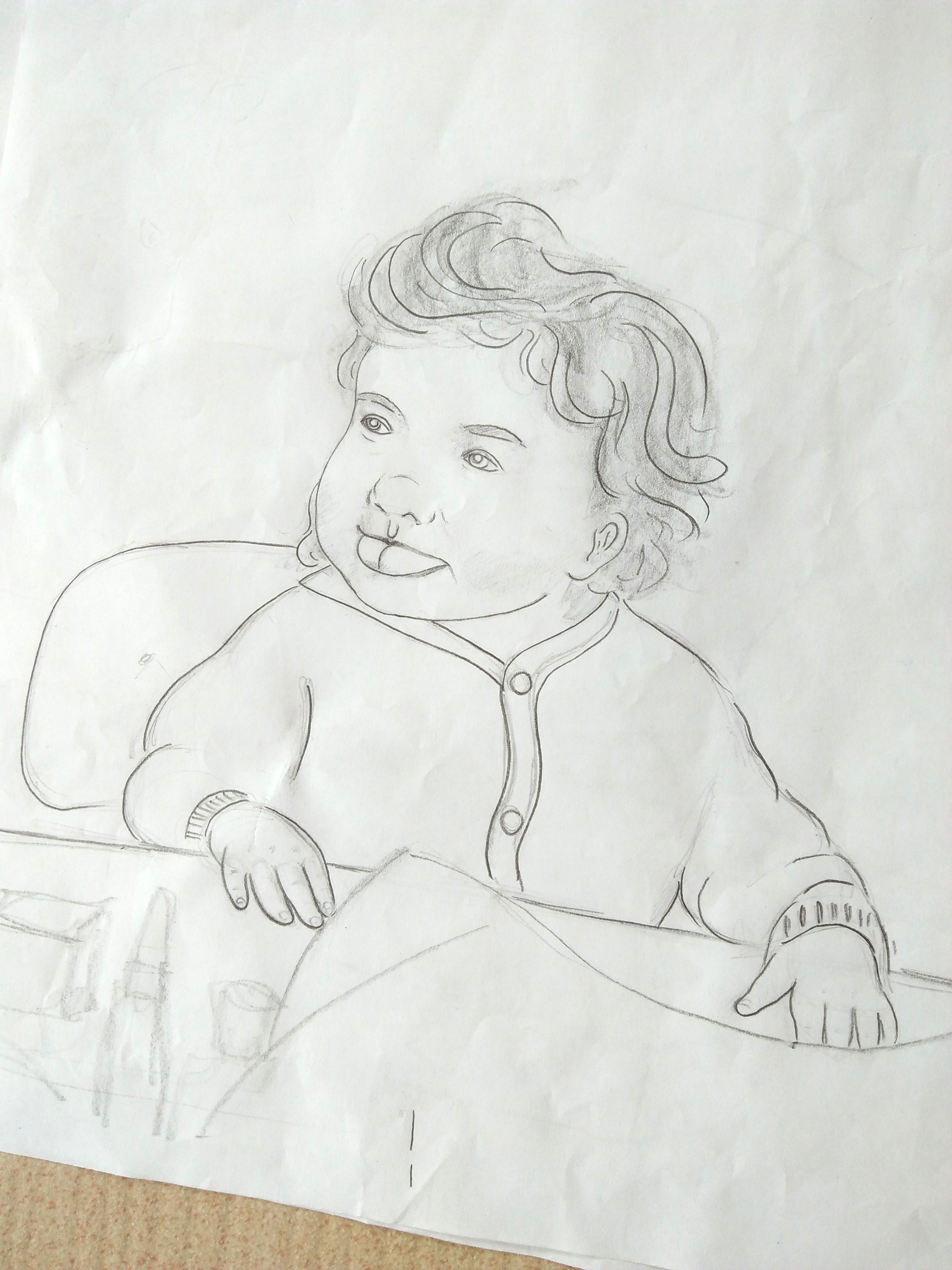
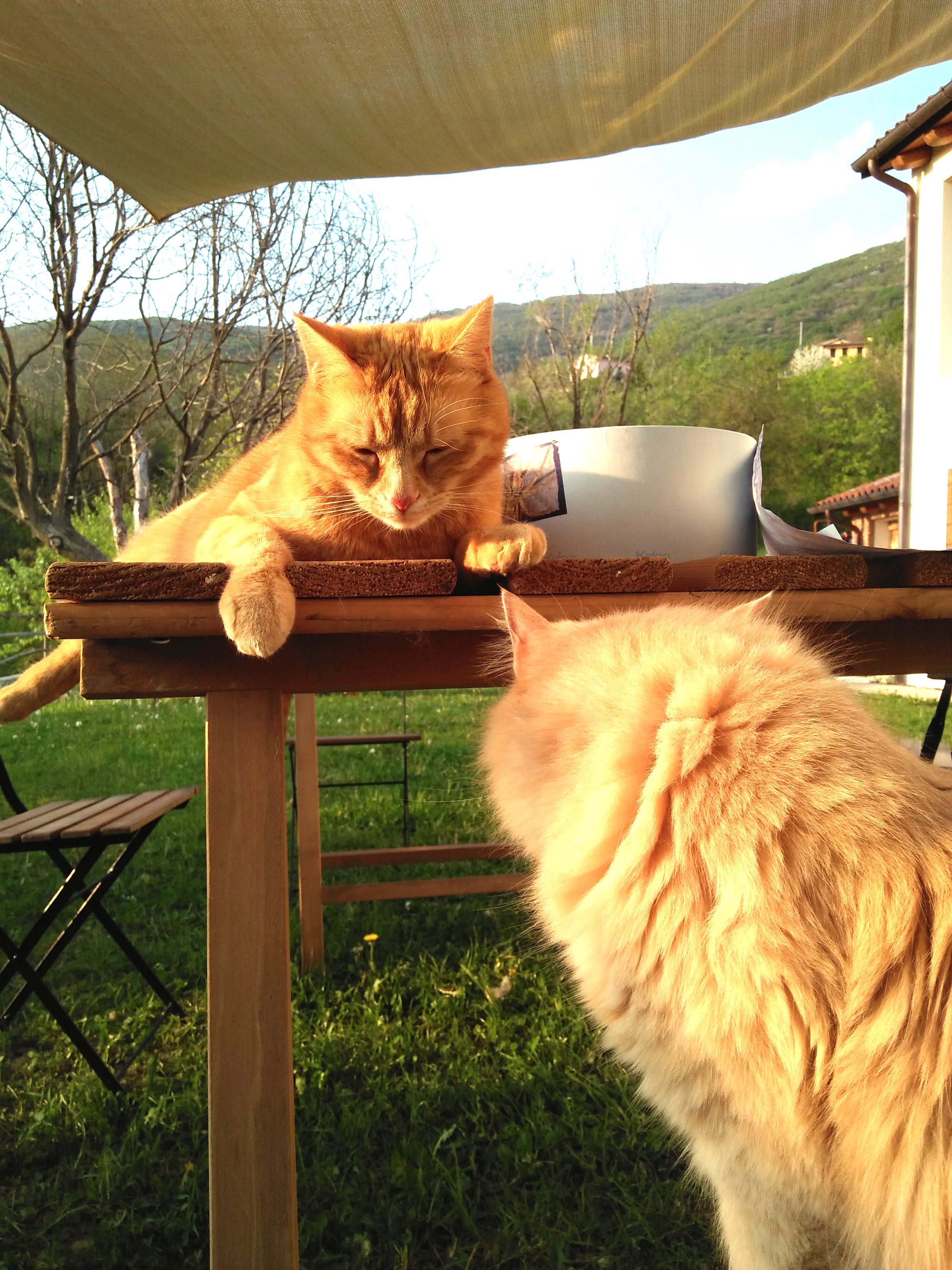
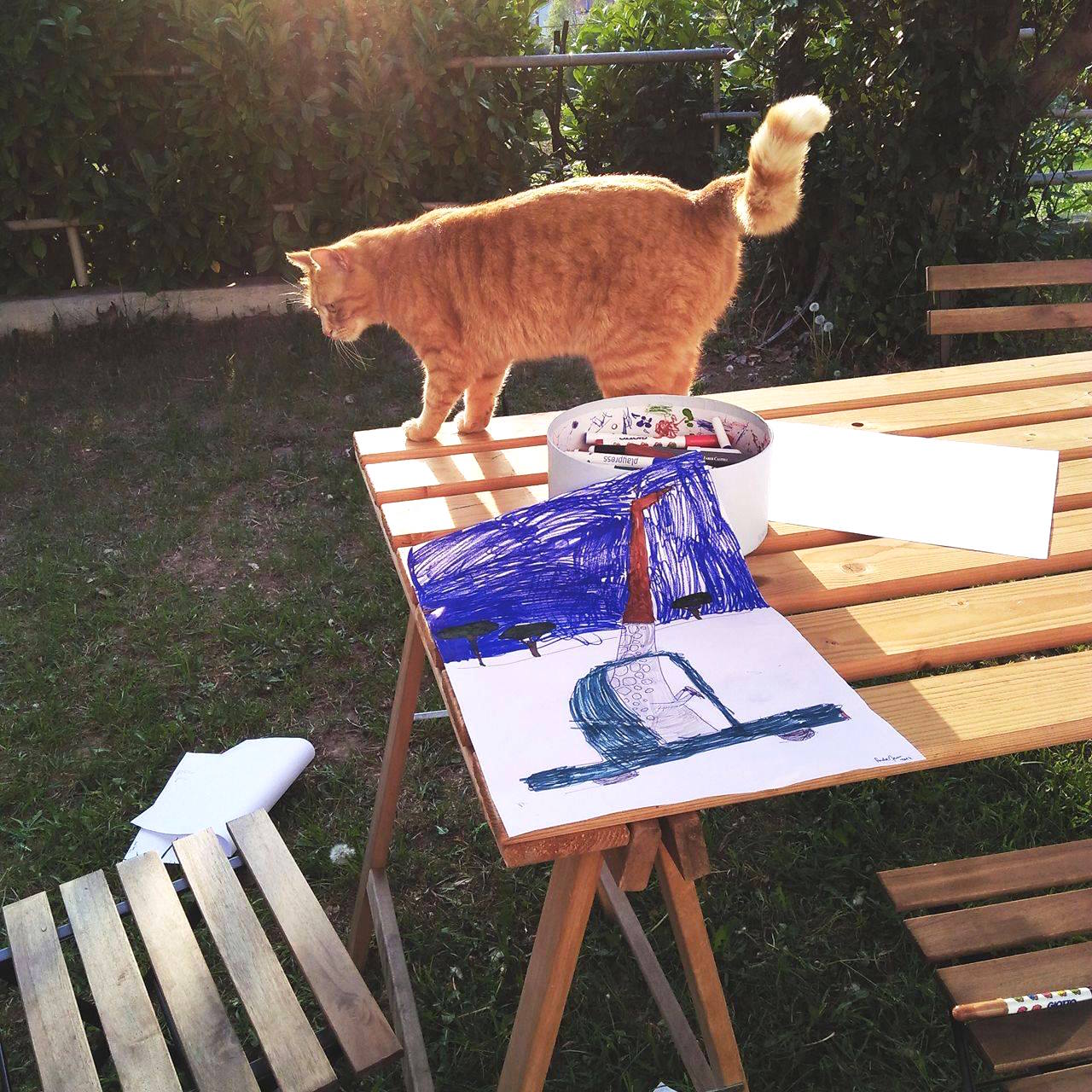
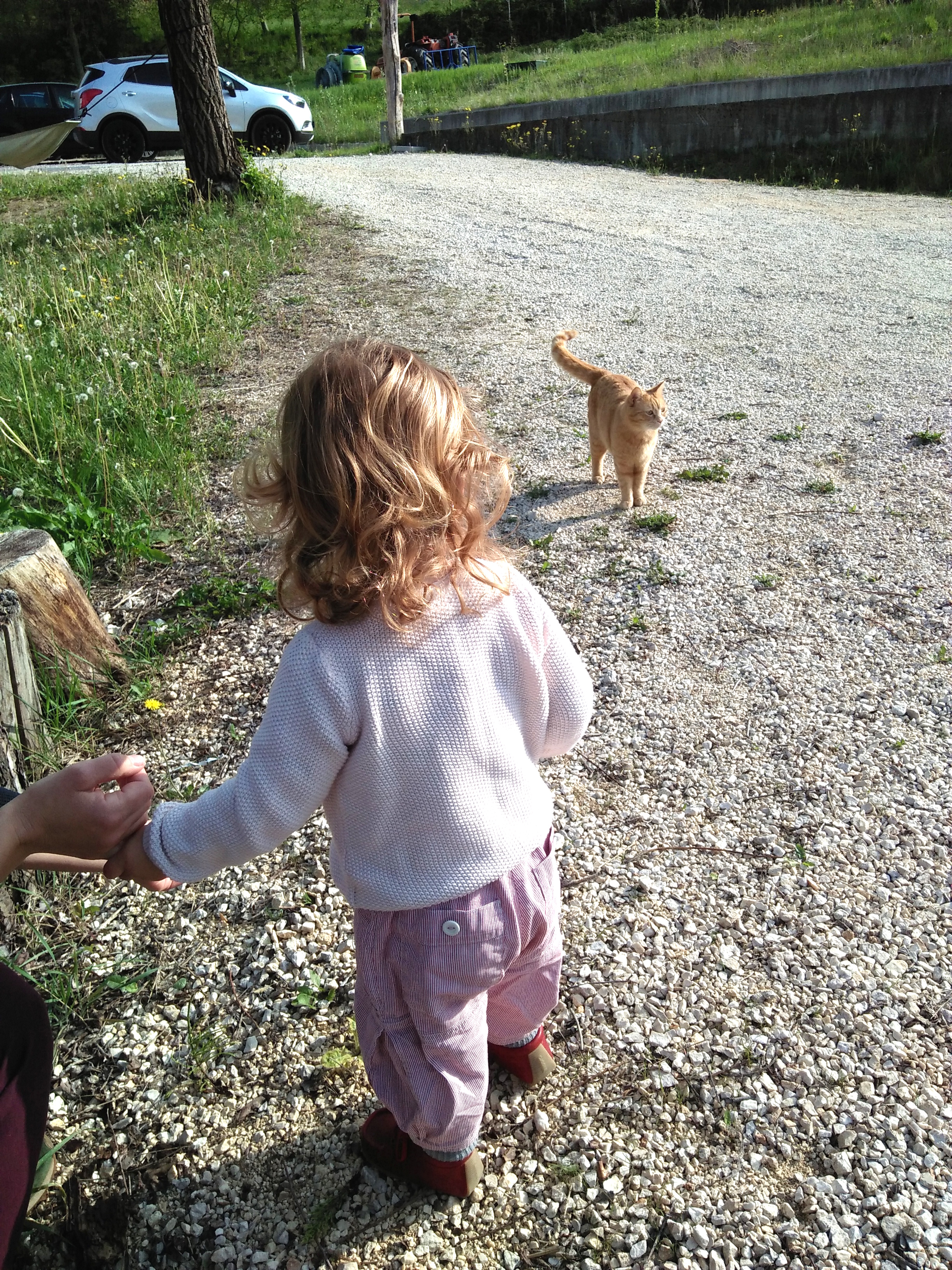
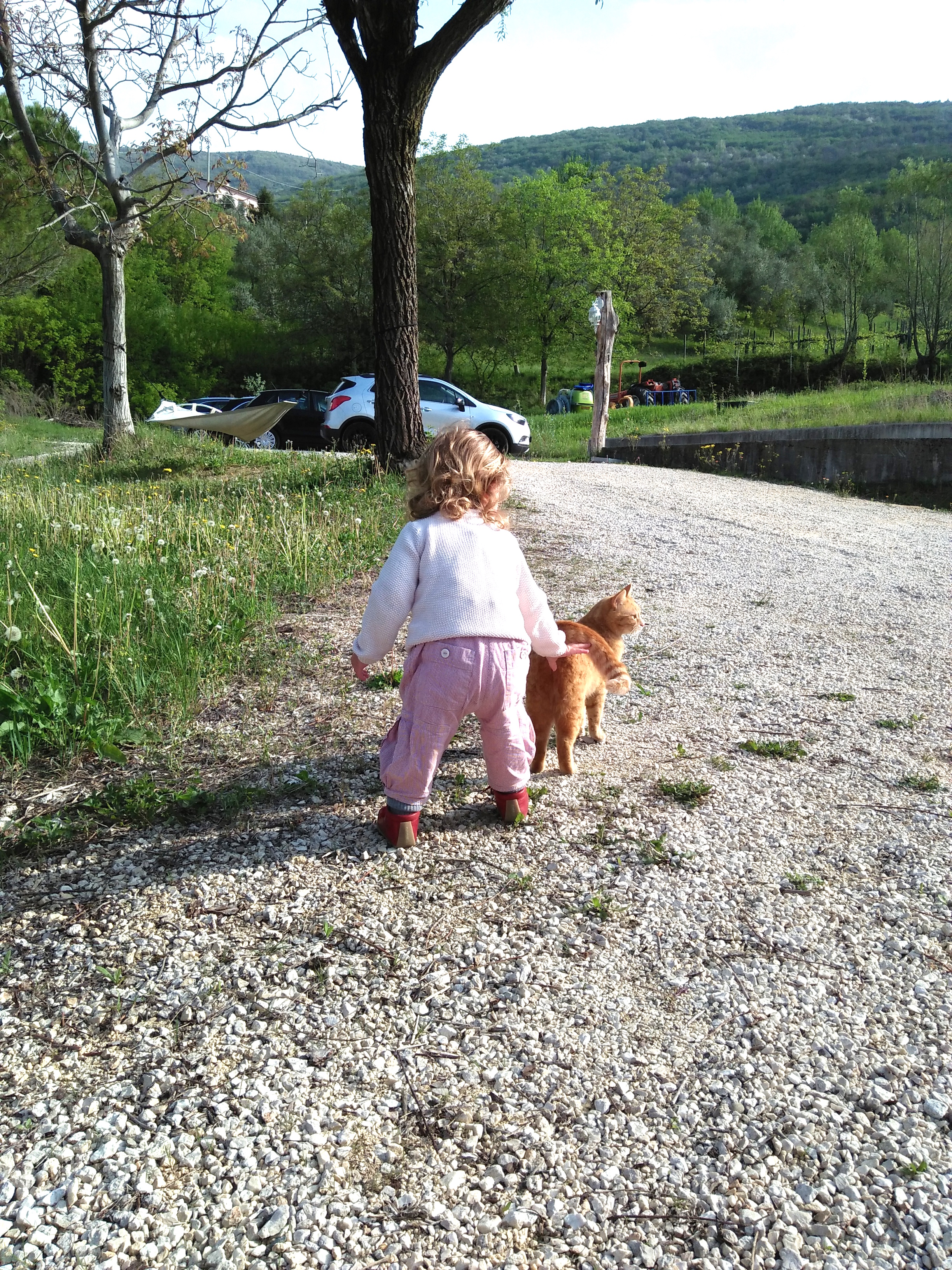
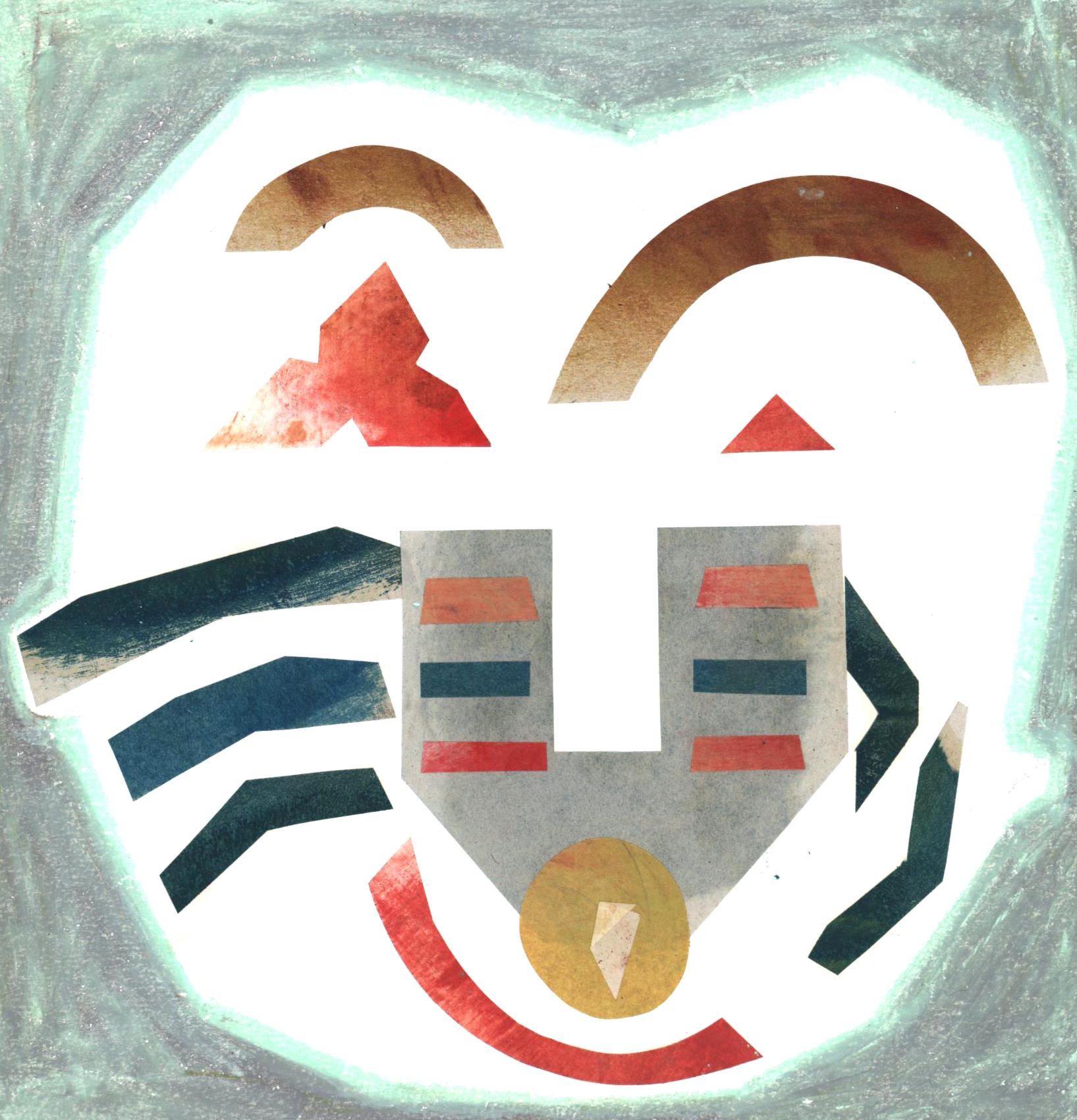
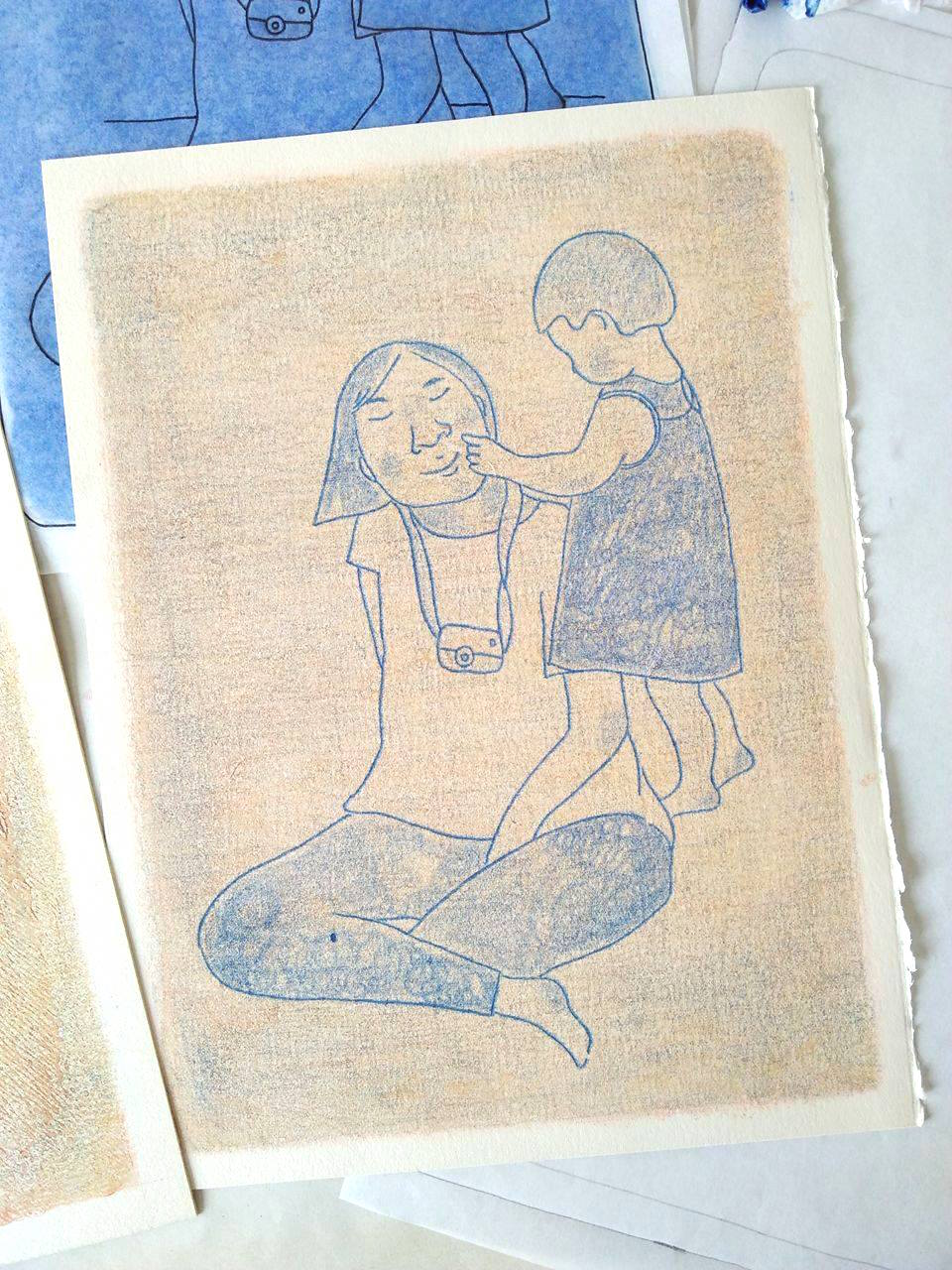
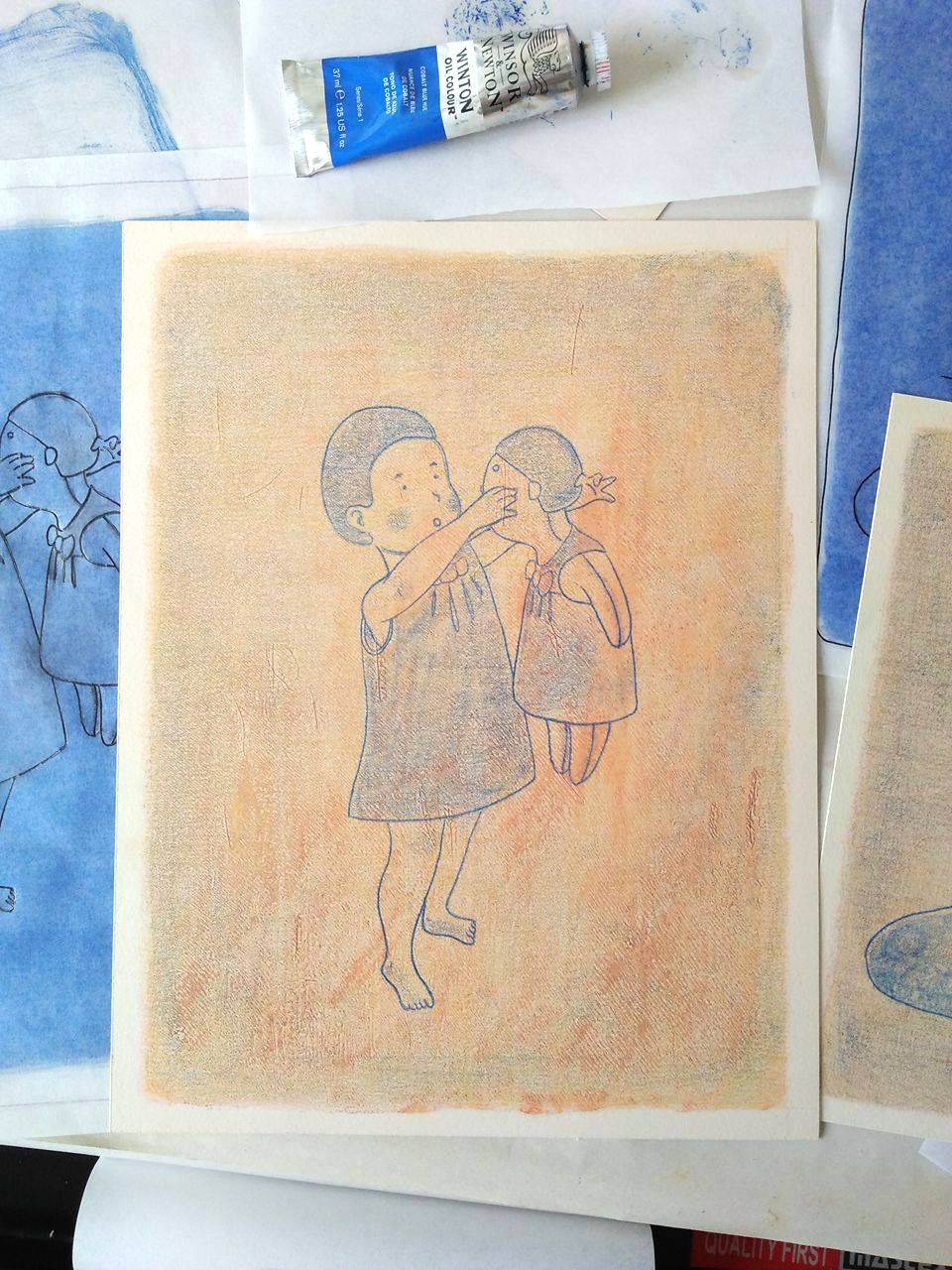
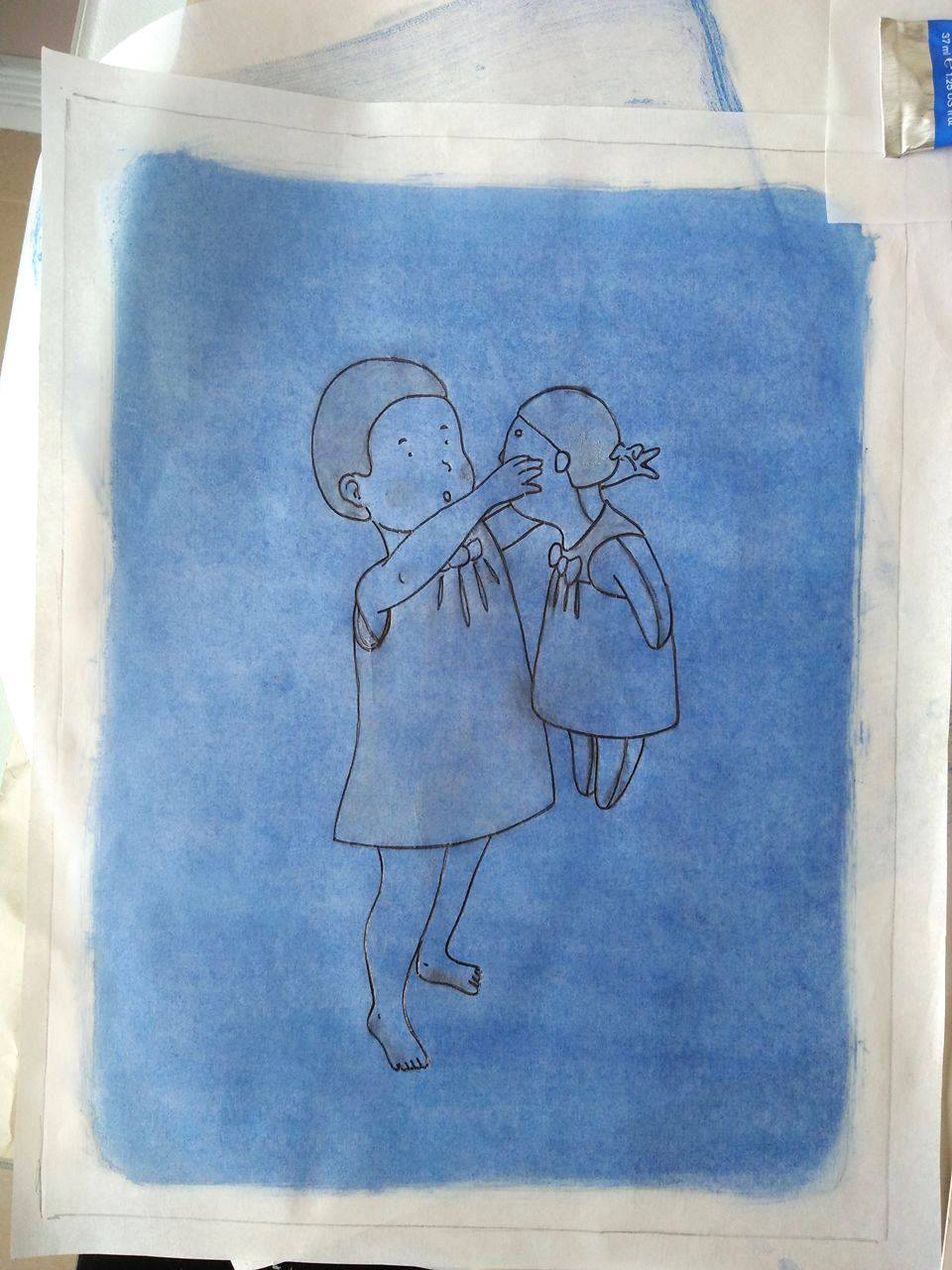
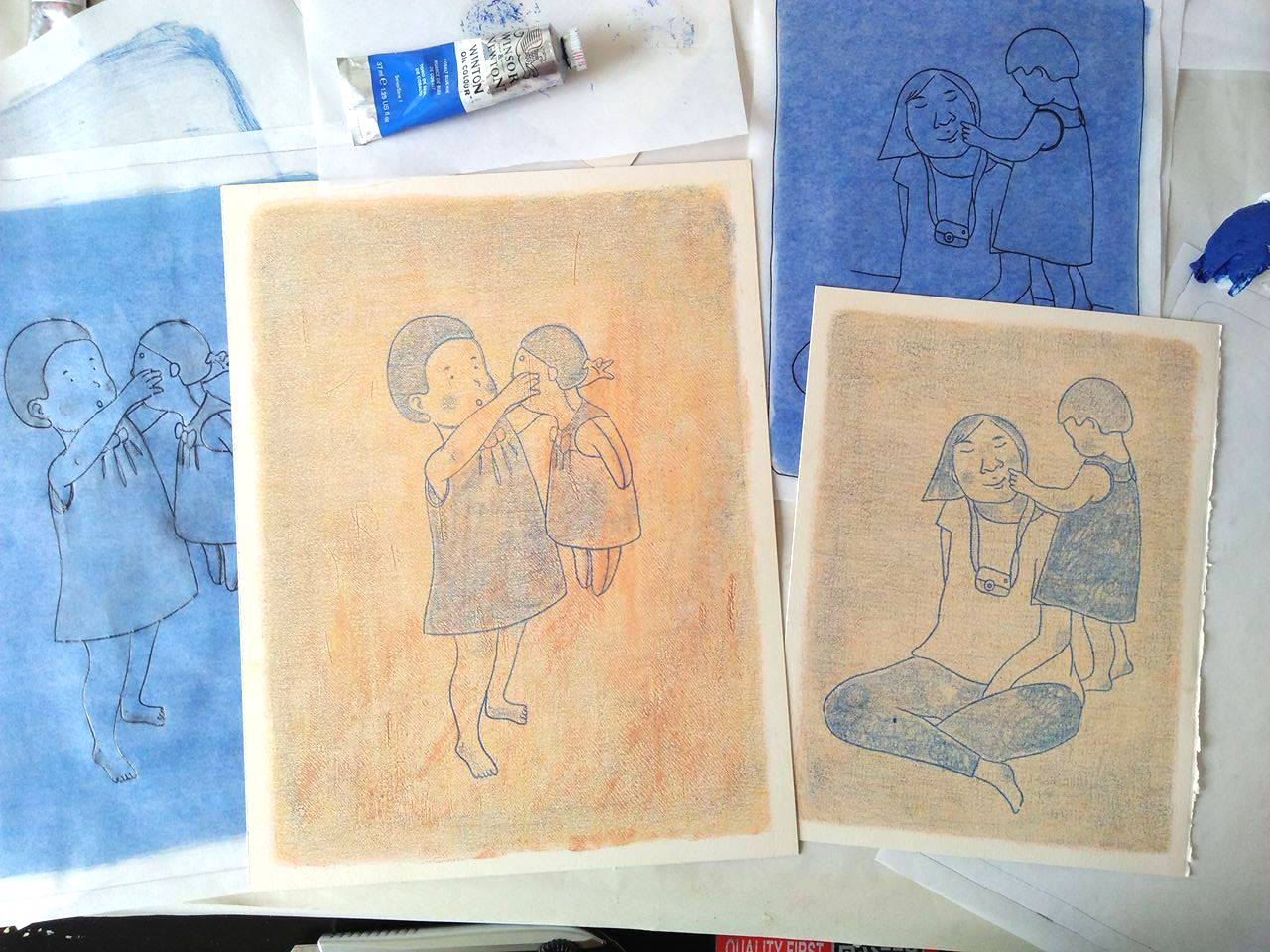
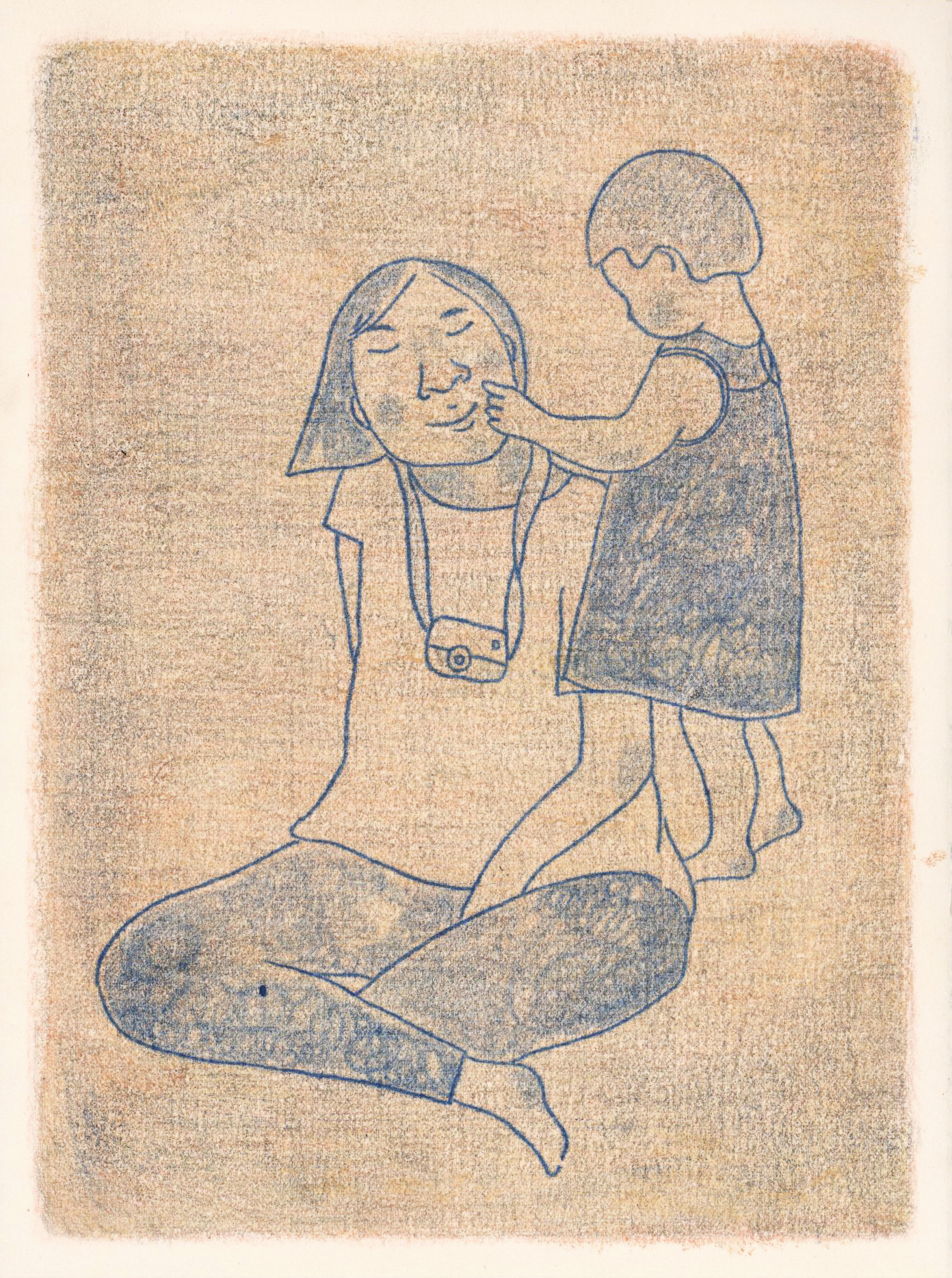
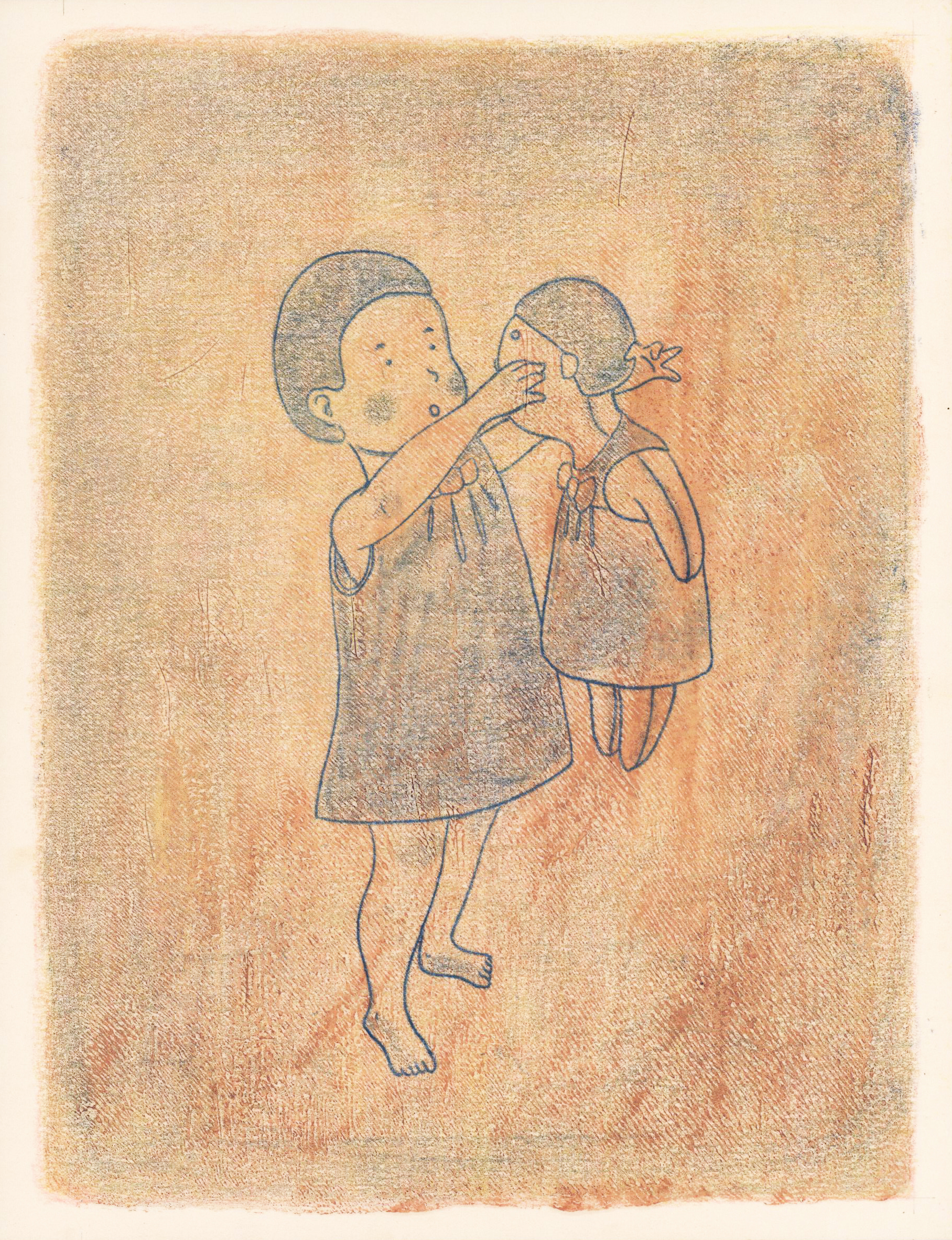
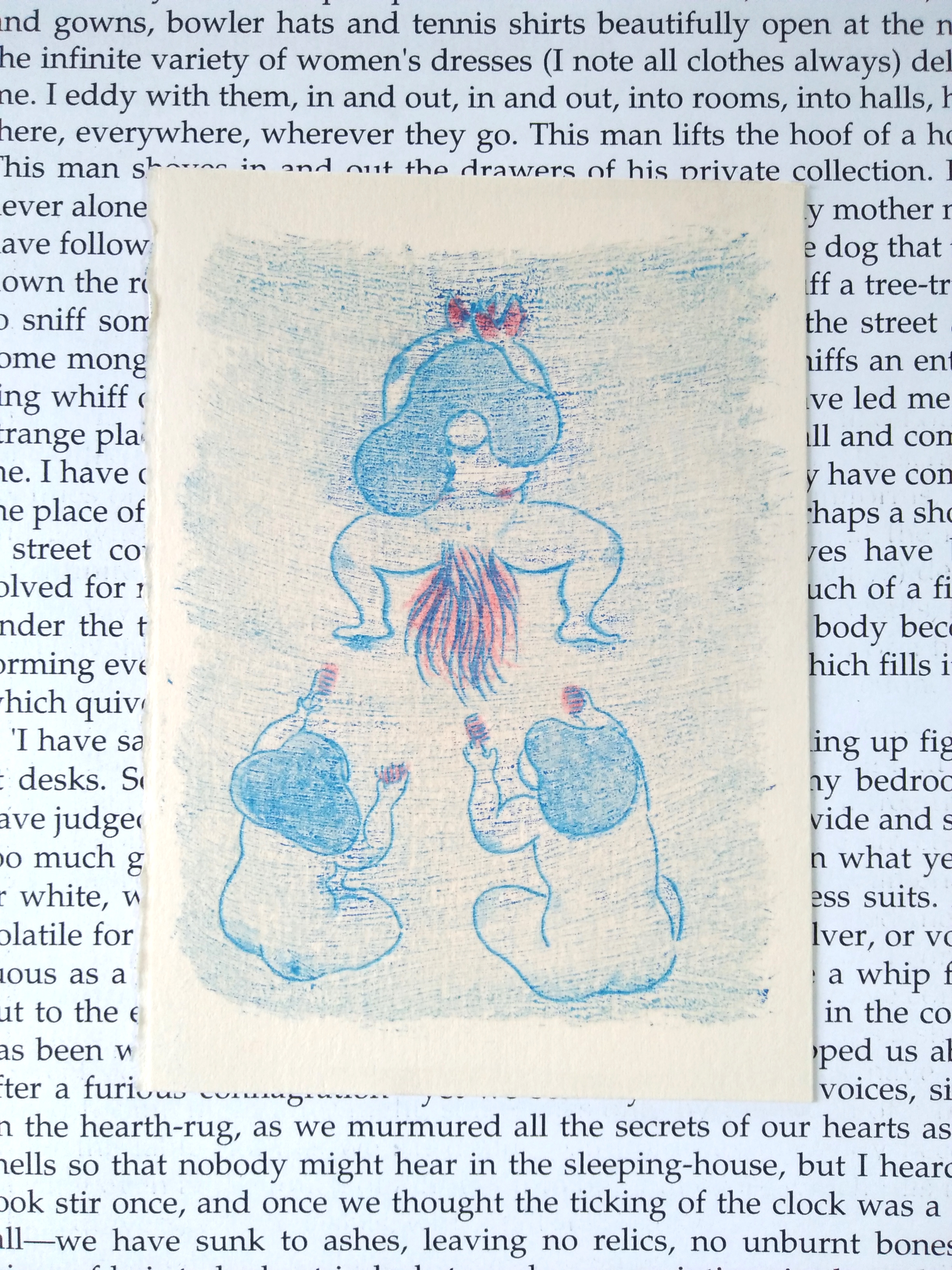
In Spring 2017, this little girl followed her mother to Sàrmede, she met two Italian cats and one became her friend. The cat is normally not allow anyone to play with, but she made an exception.
*
scanned version
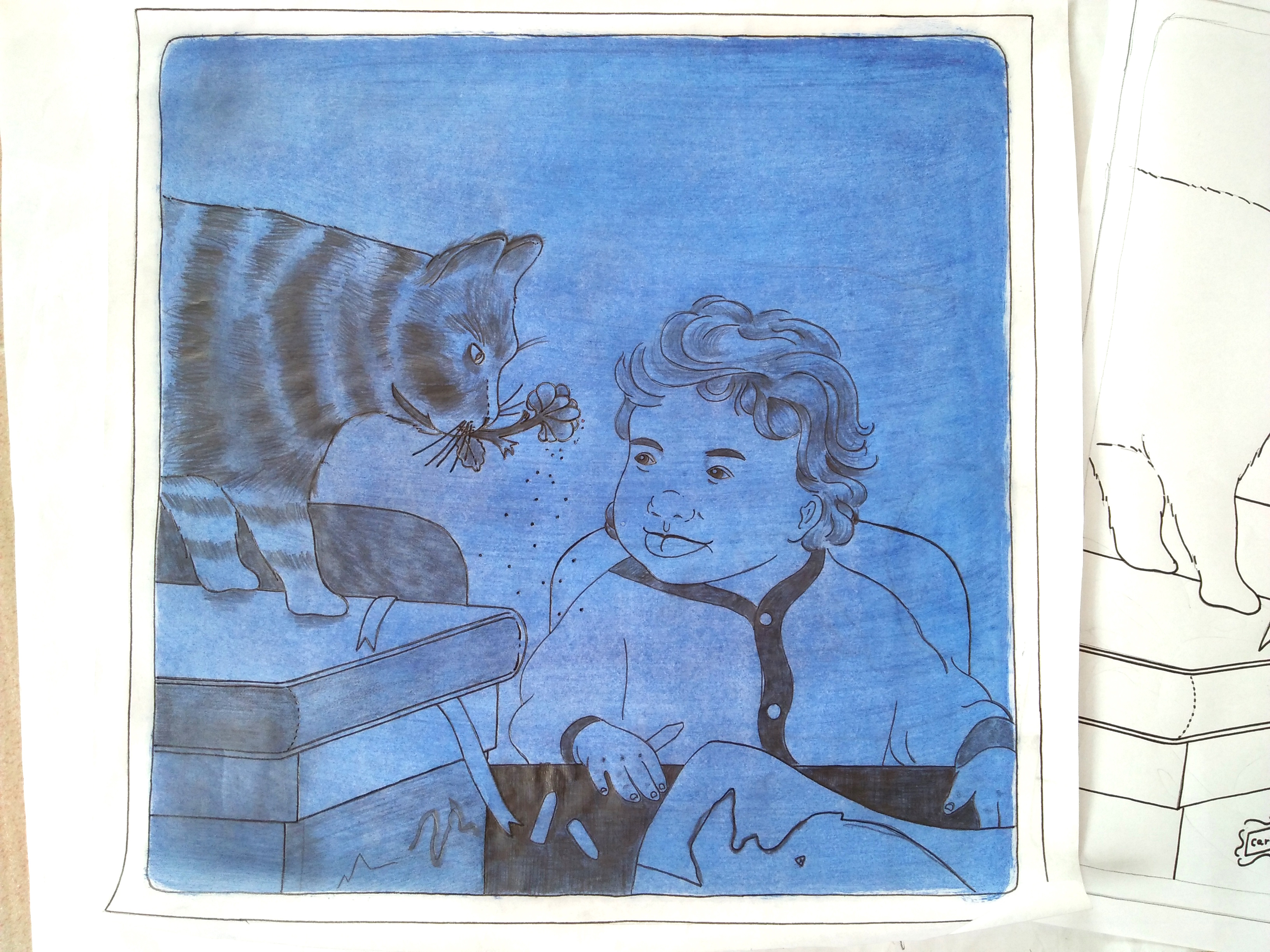
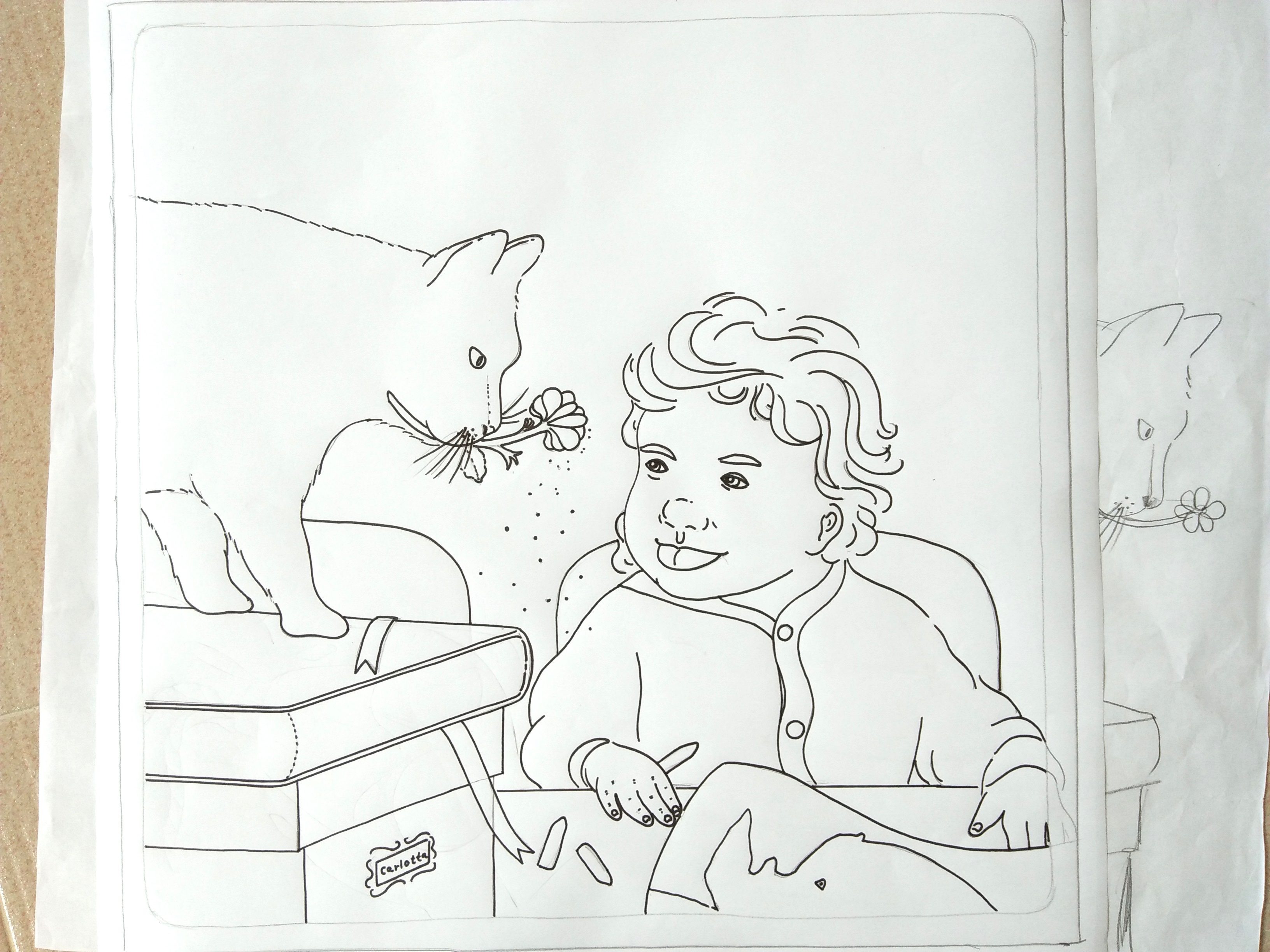
30 x 30 cm, Oil transfer technique with color pencil
printed on Fabriano paper, October 2017
Bangkok, Thailand
* You can read about the second book, The English Governess at the Siamese Court, by following this >>link<< .
* TRUTH is often stranger than fiction. – Anna Harriette Leonowens
*
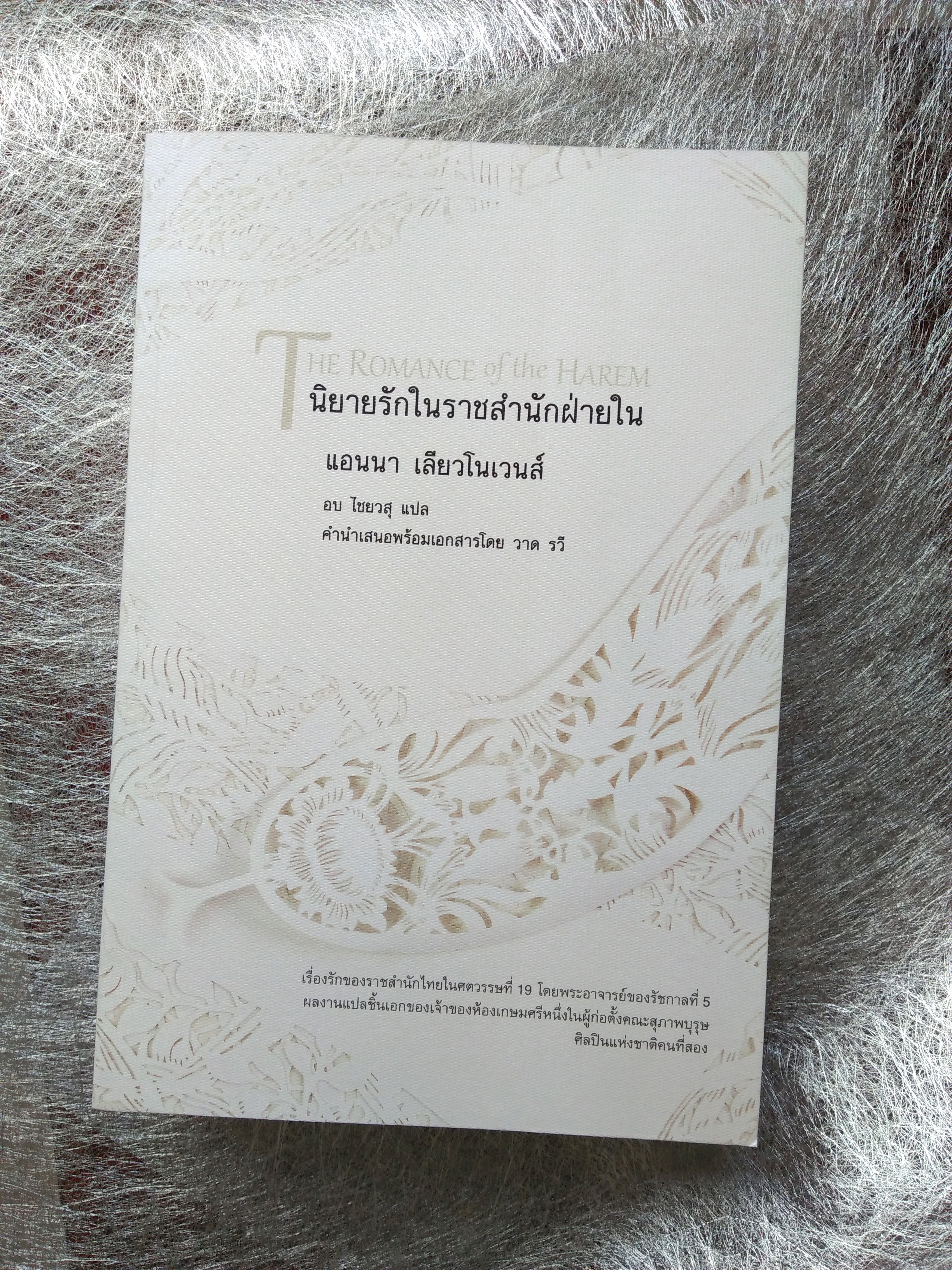
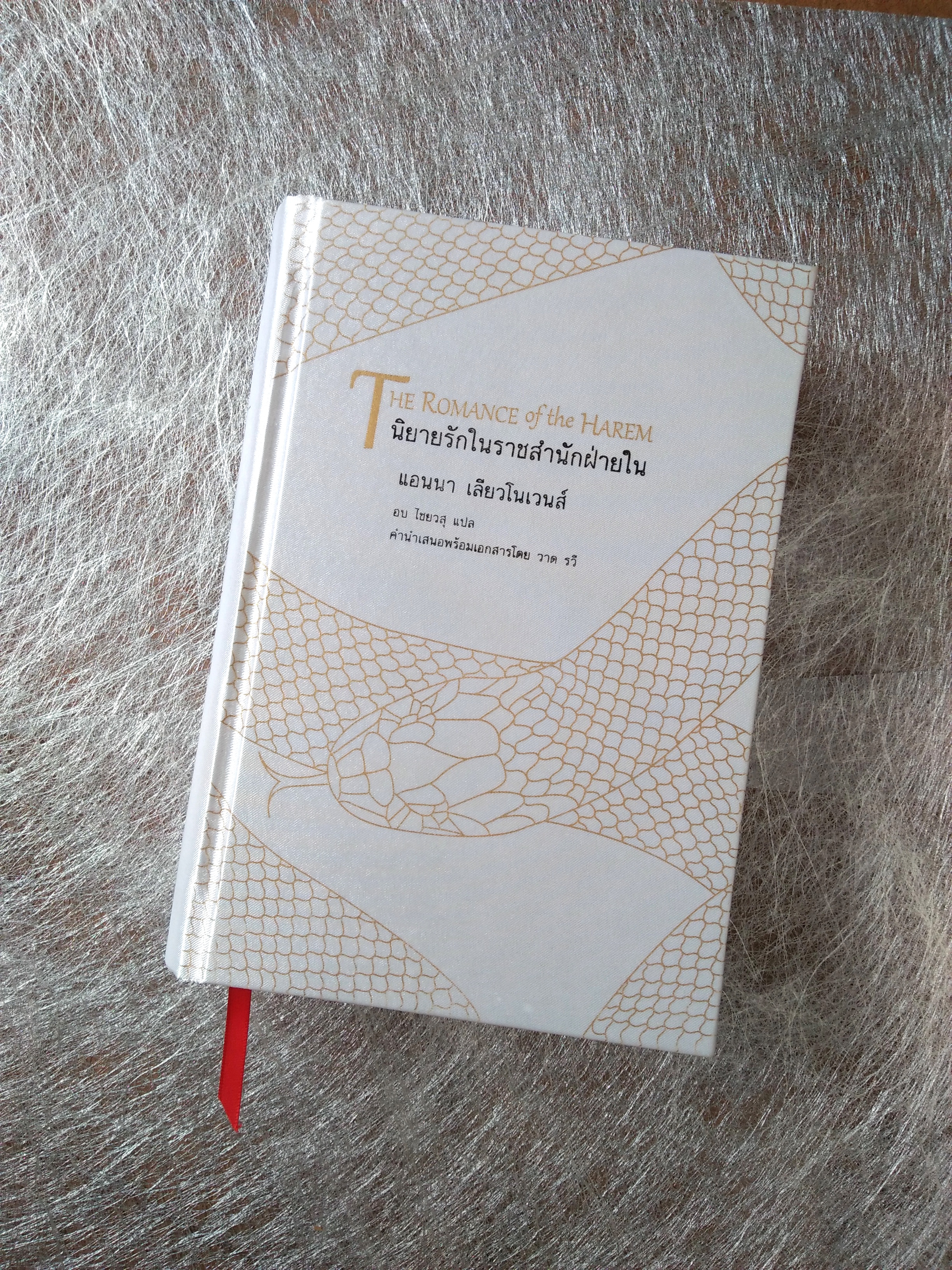
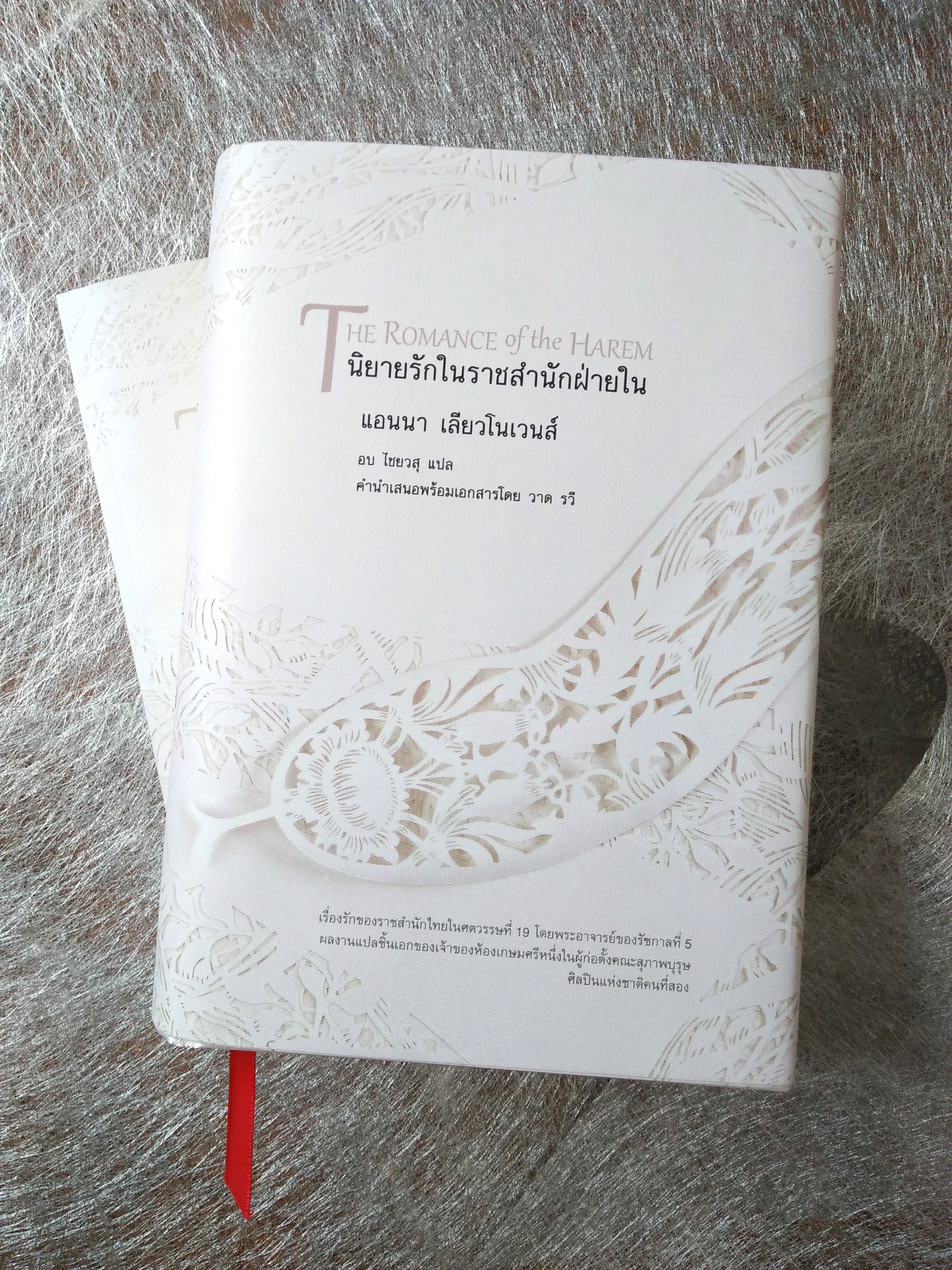
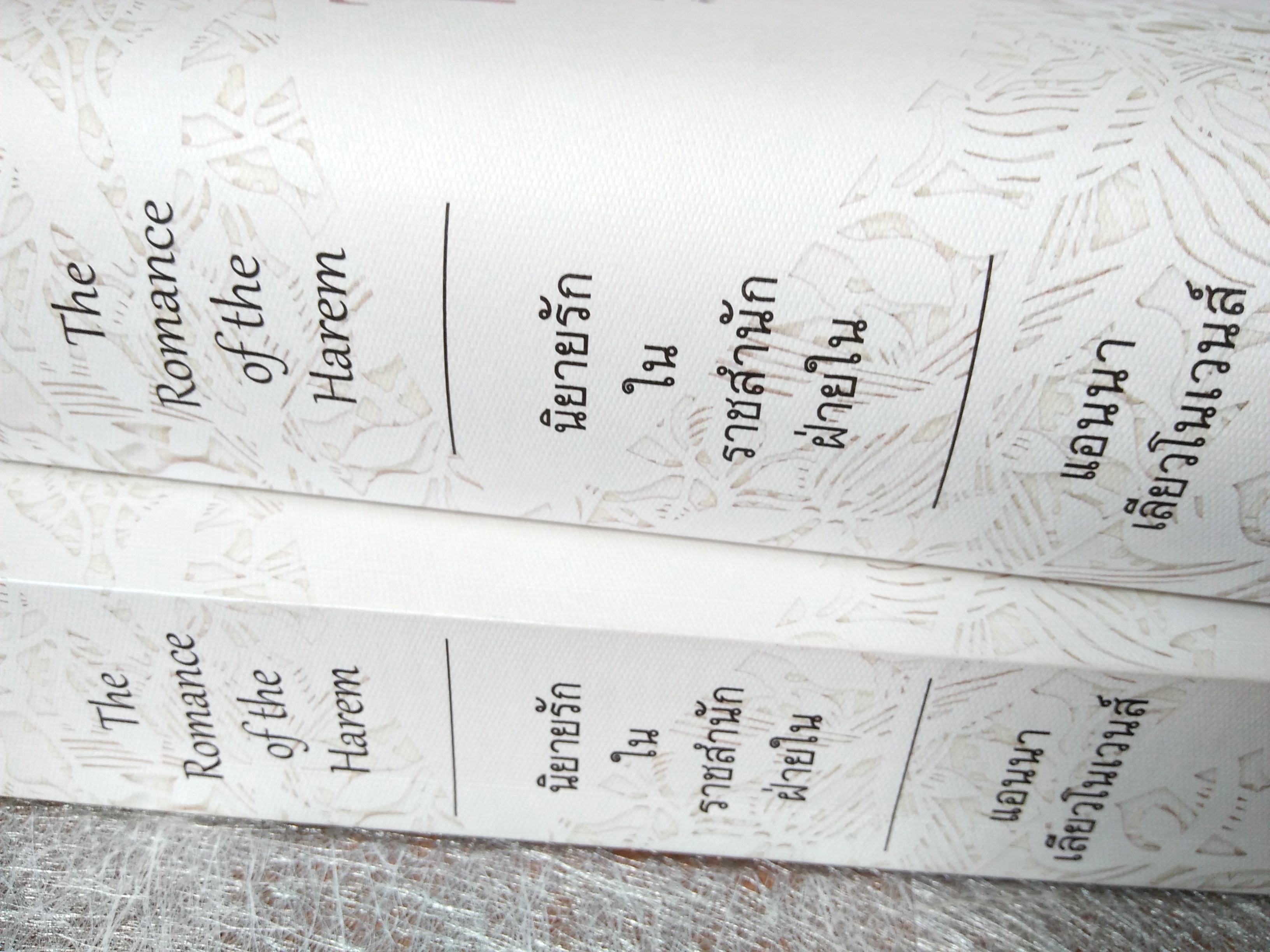
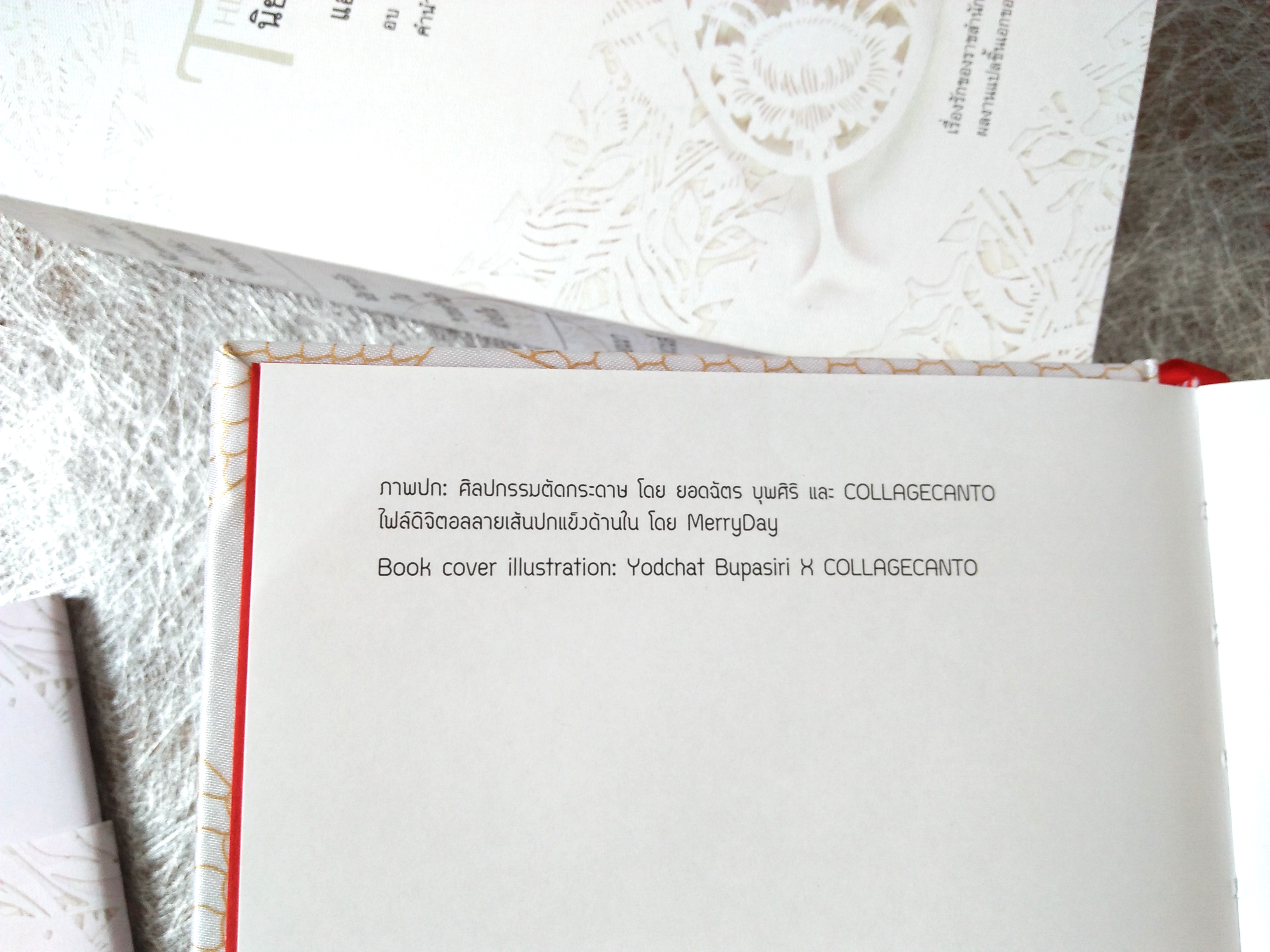
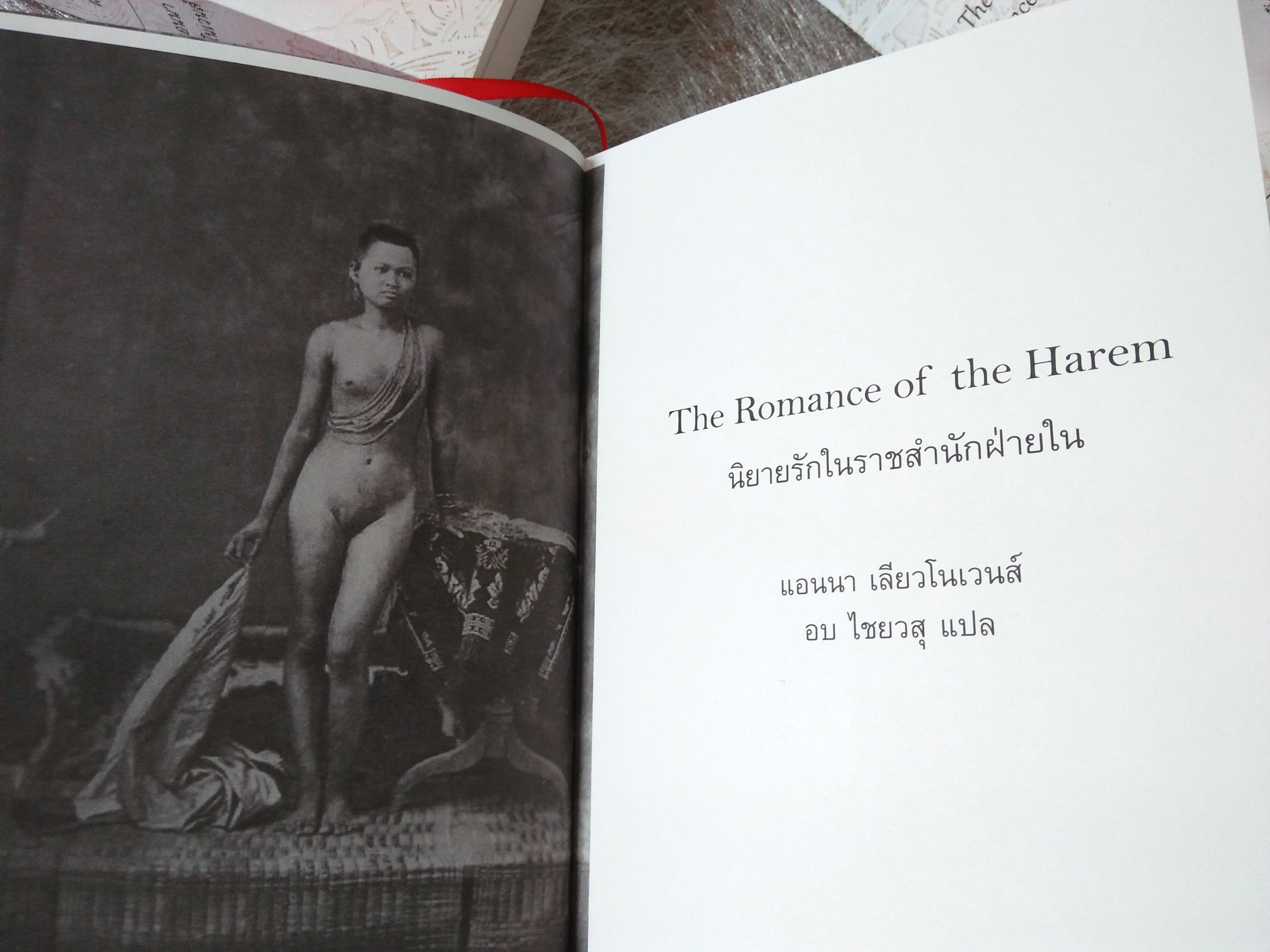
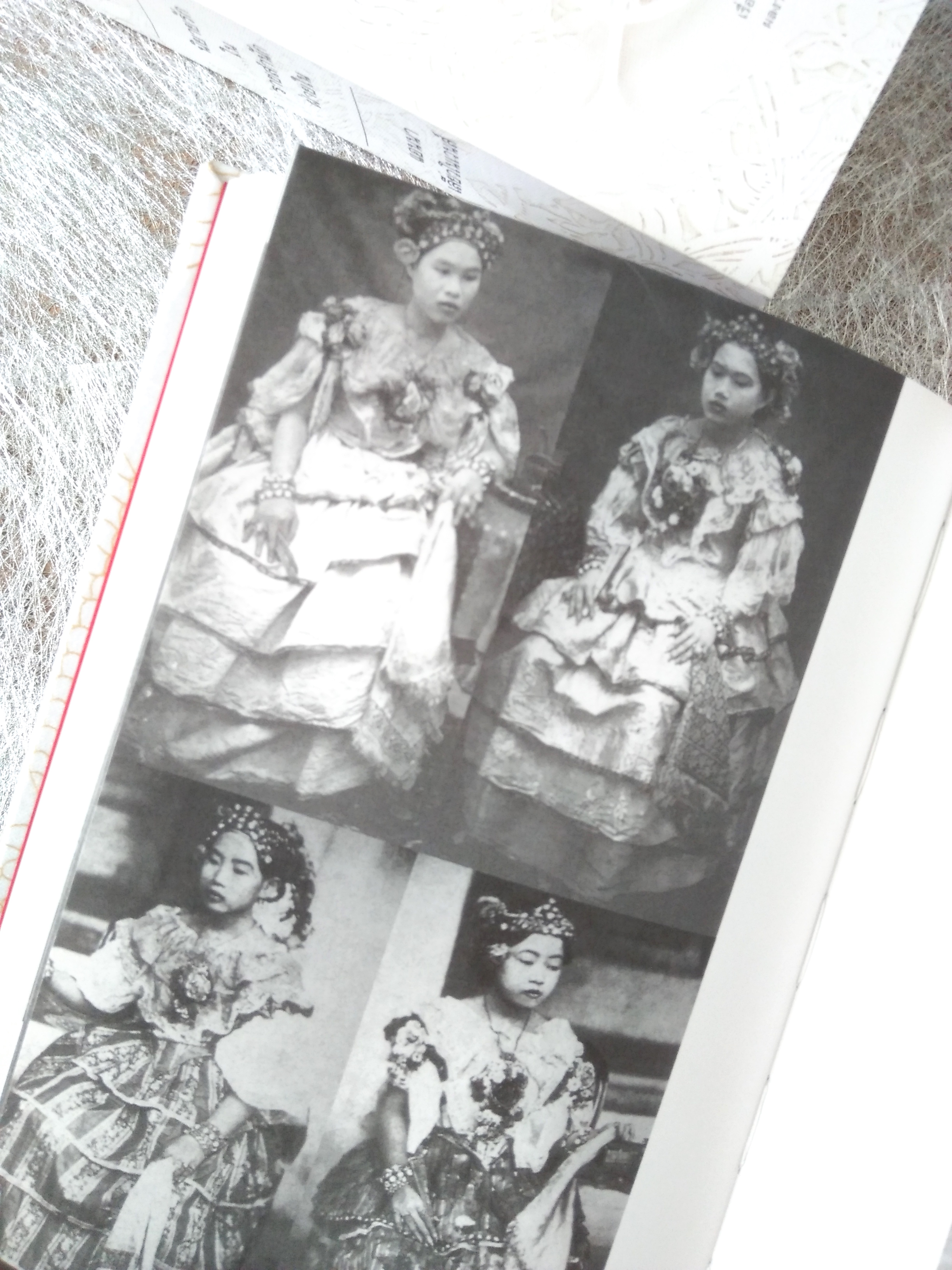
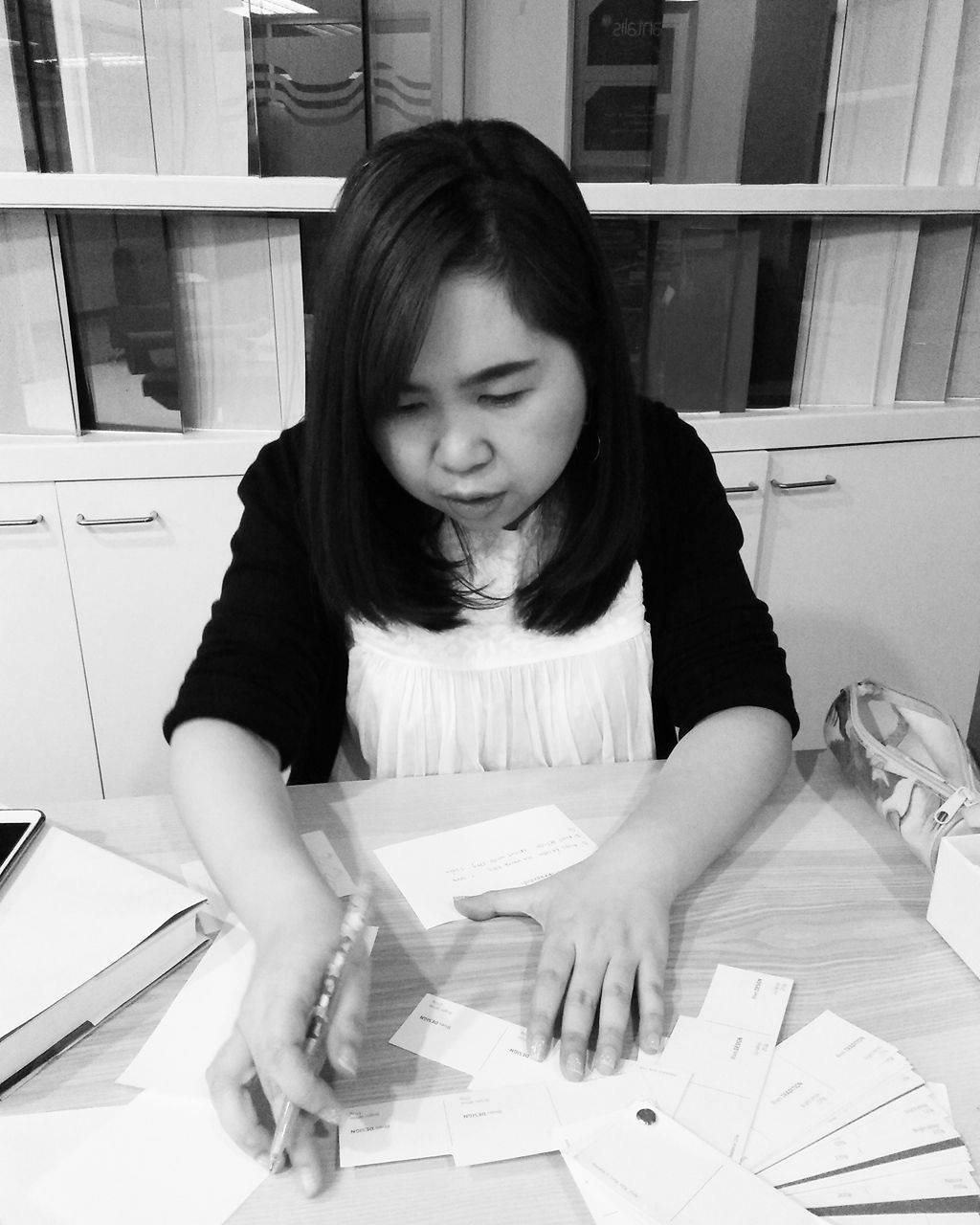
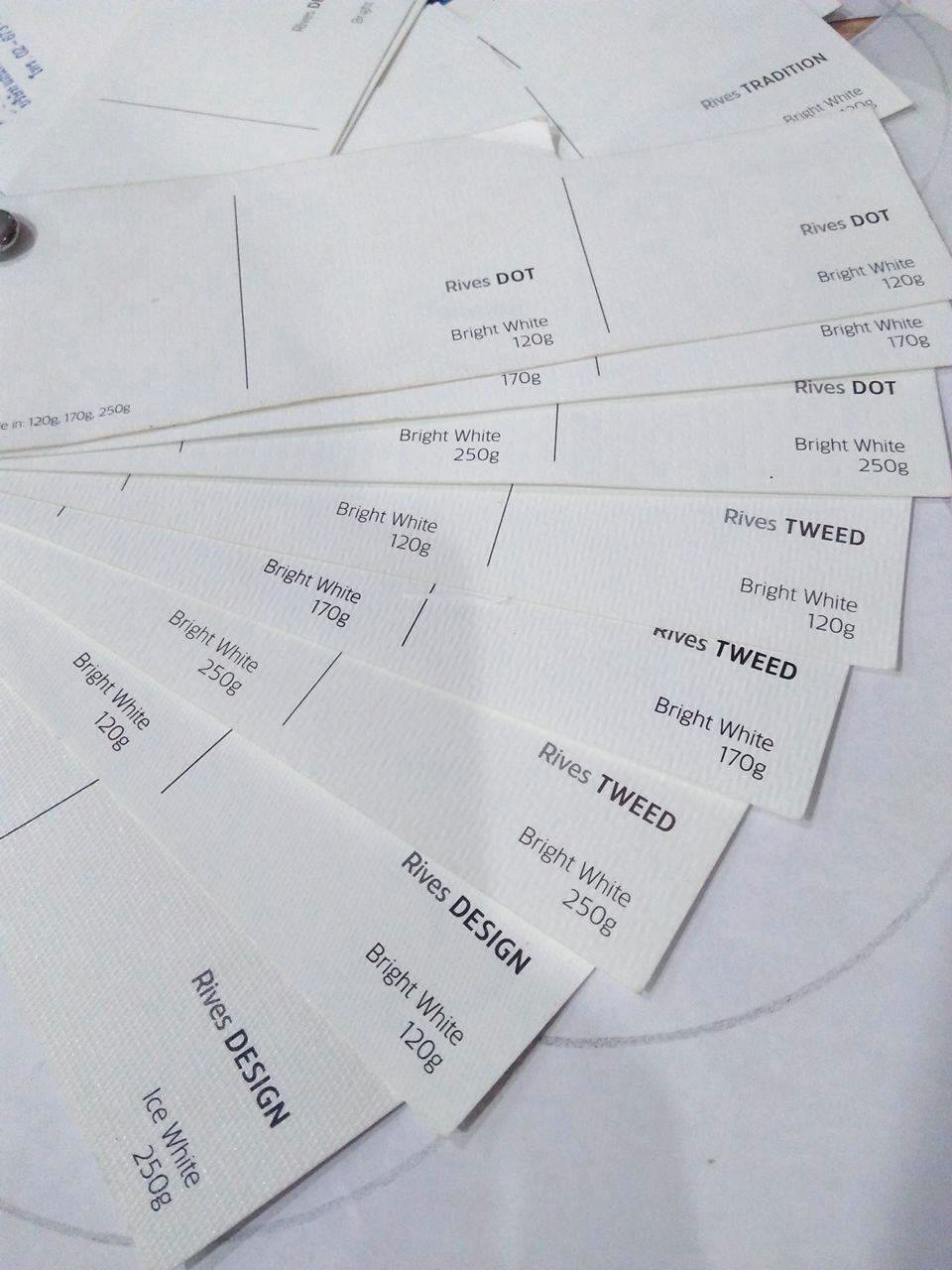
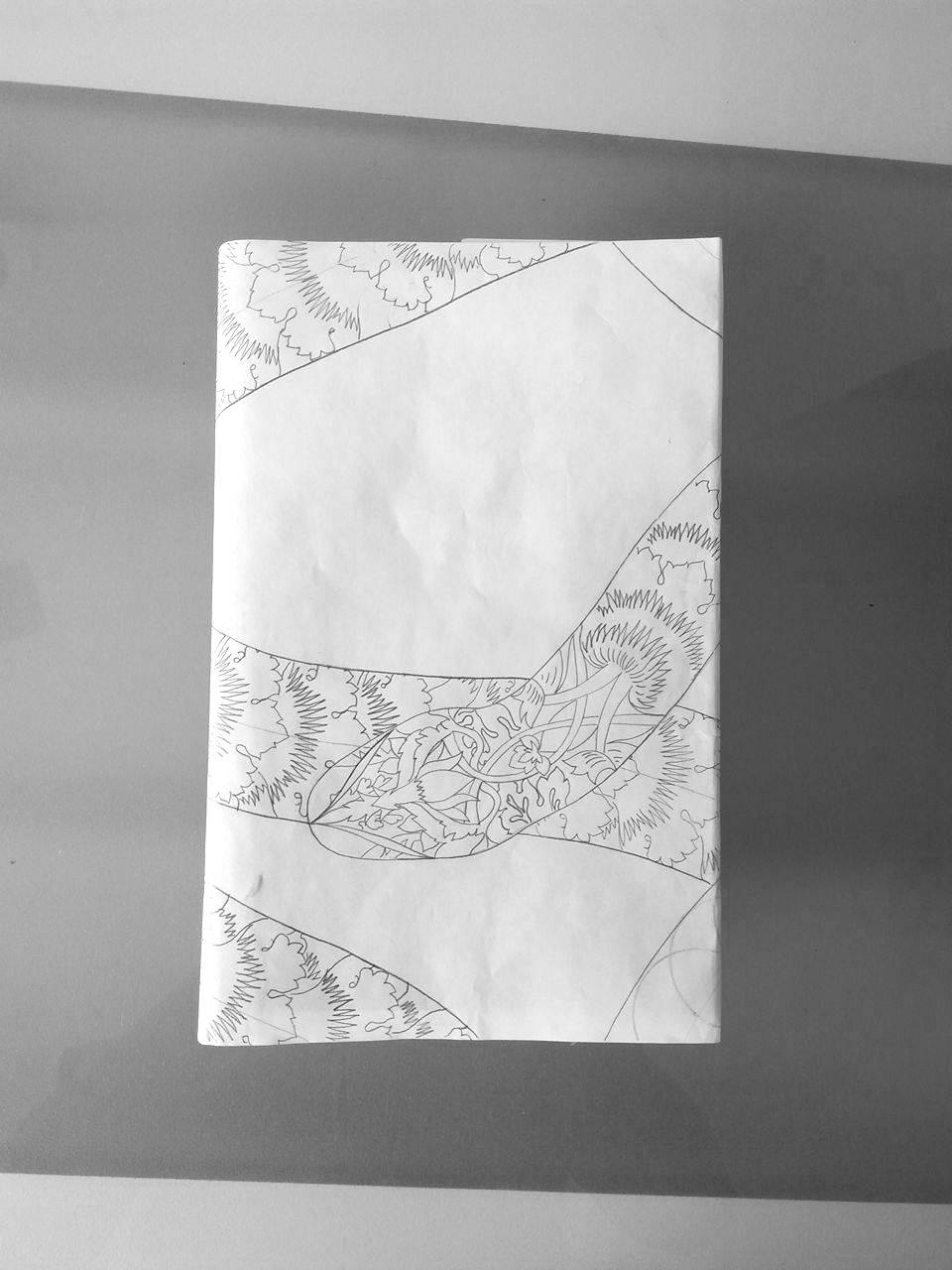
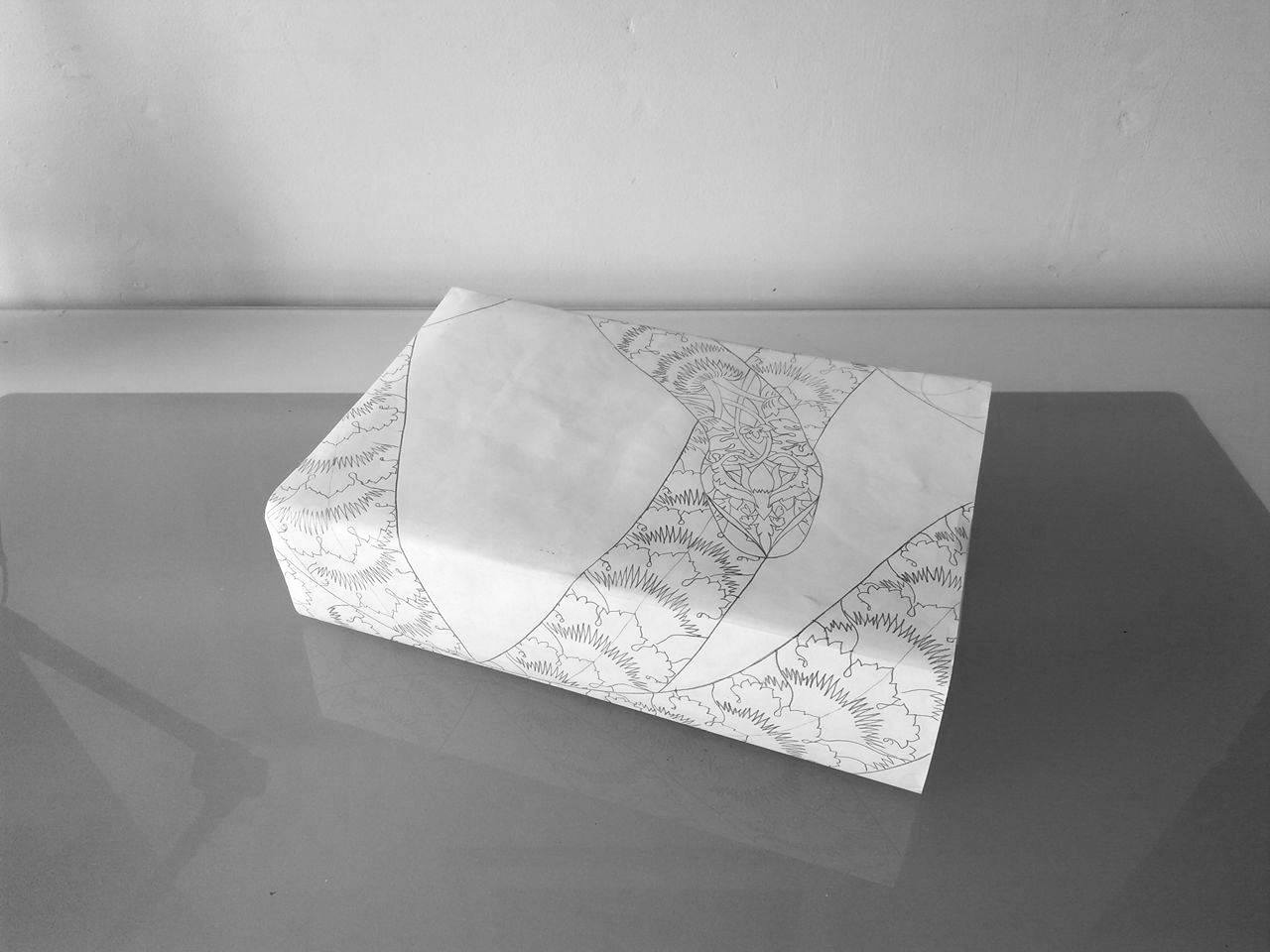
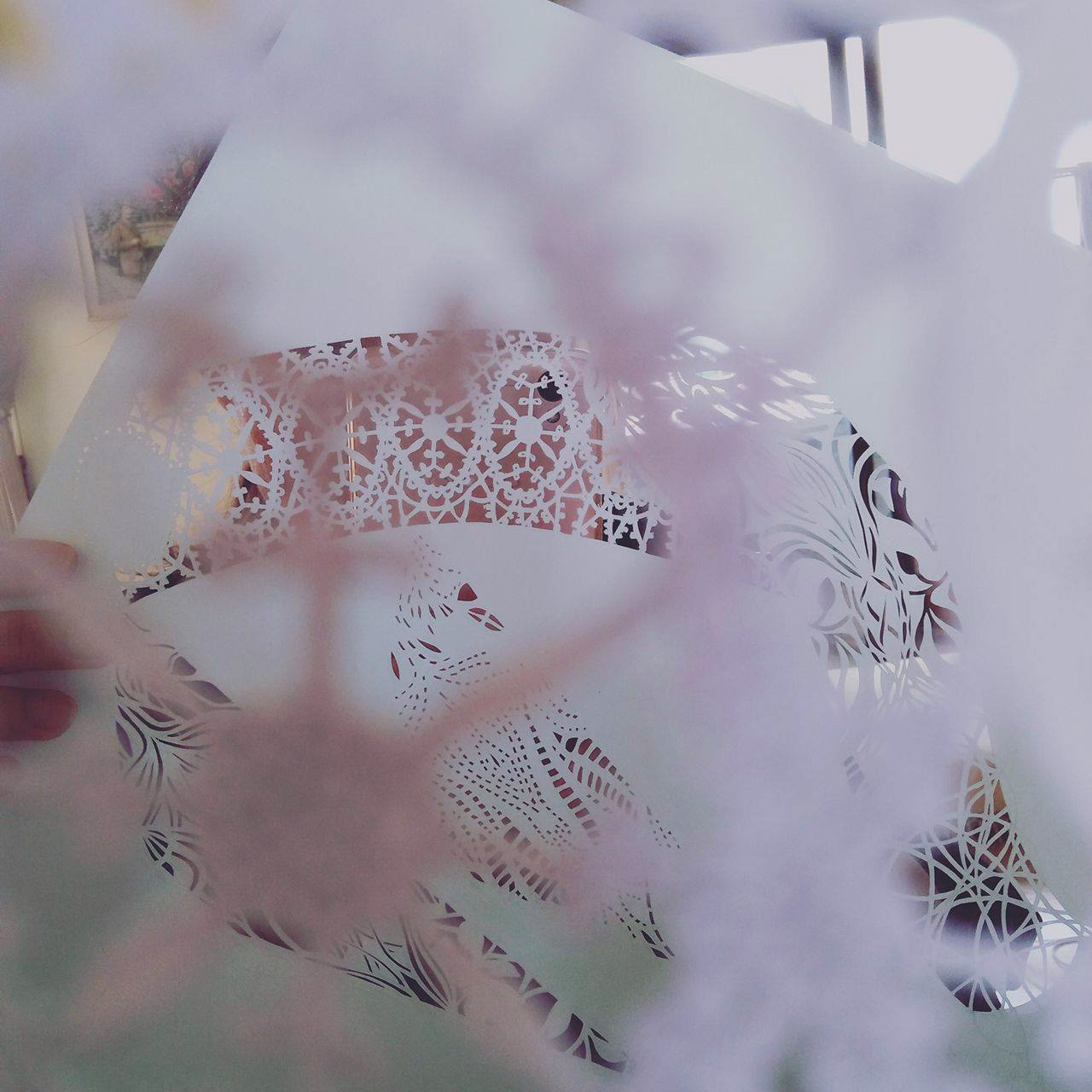
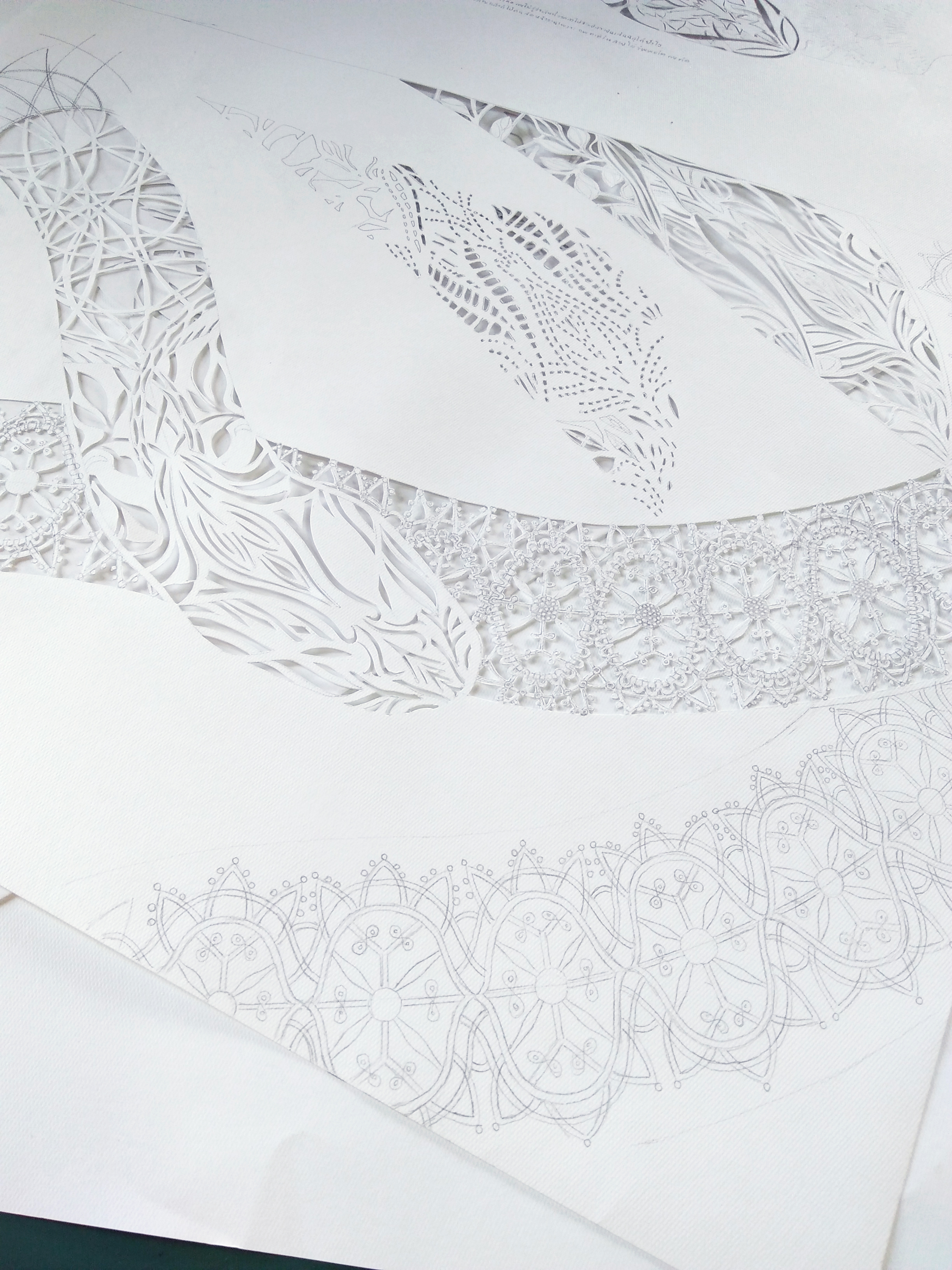
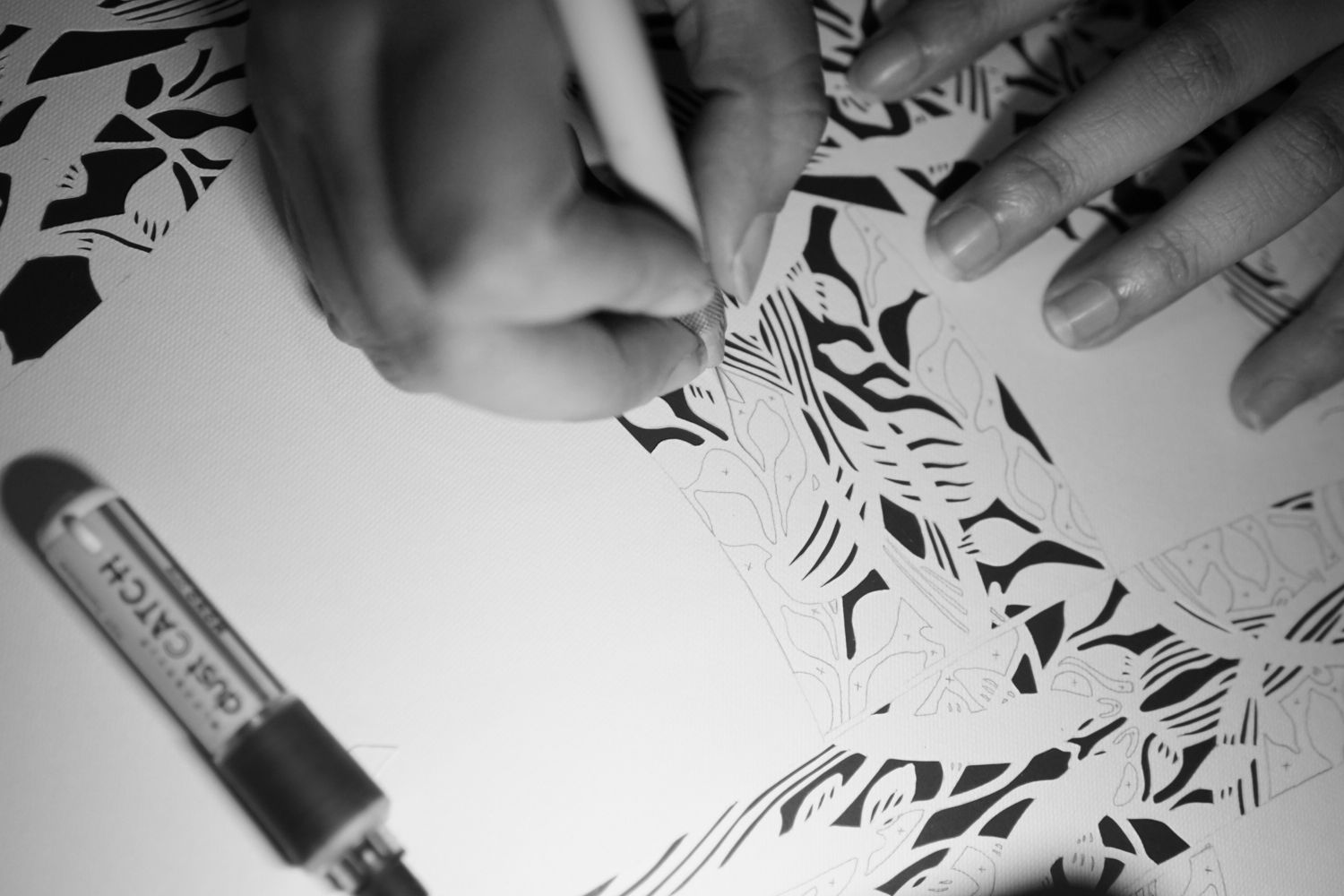
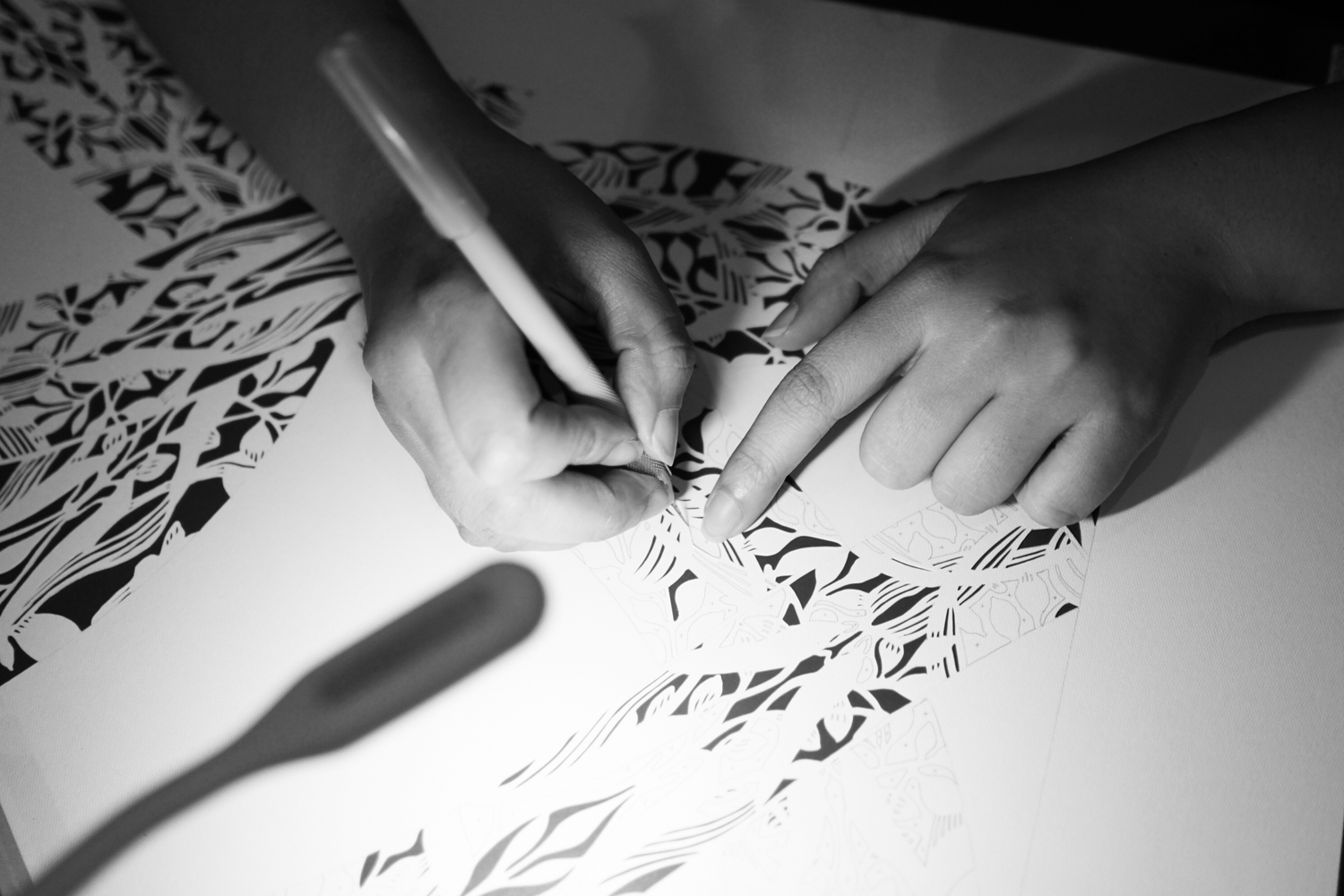
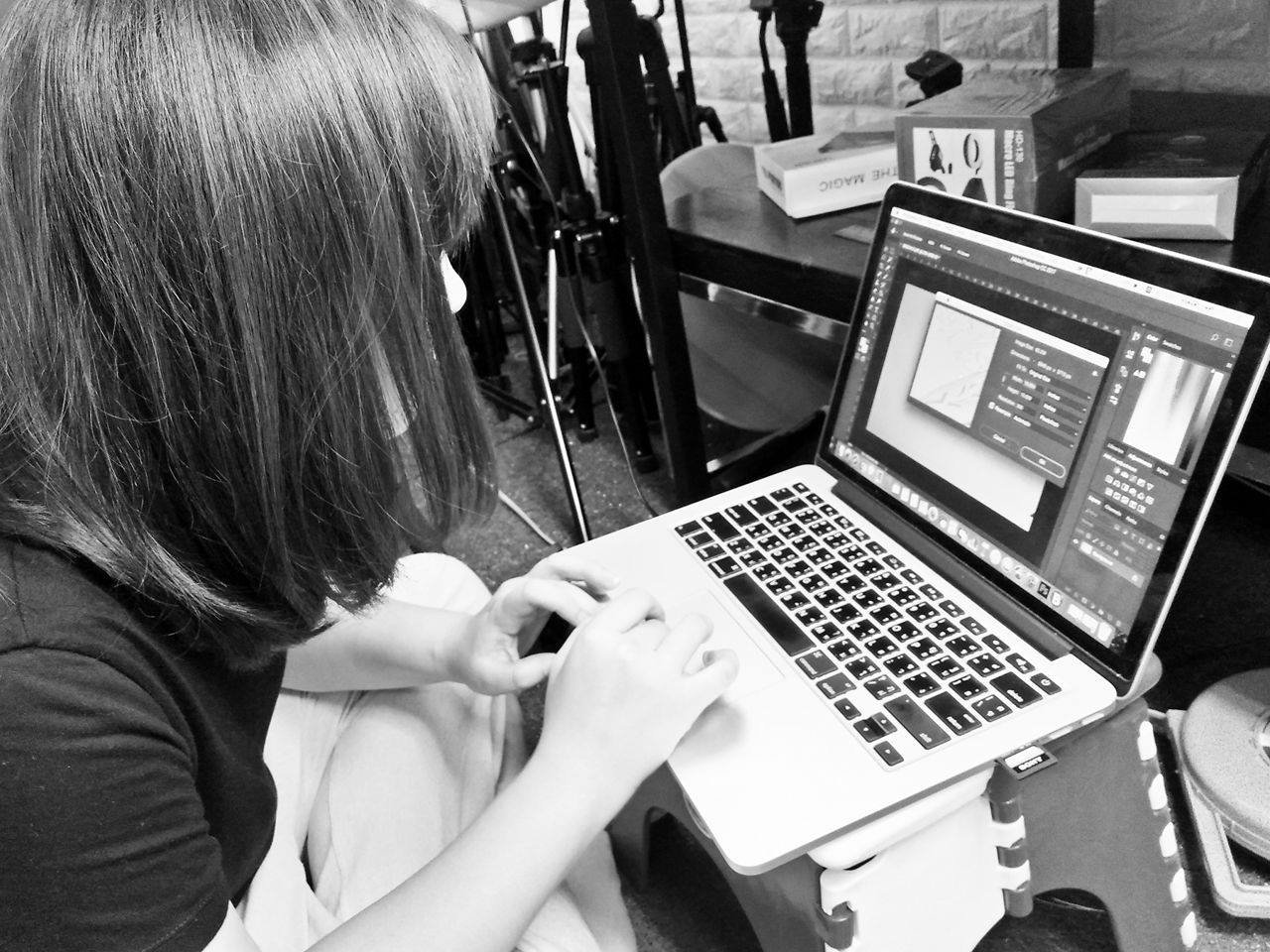
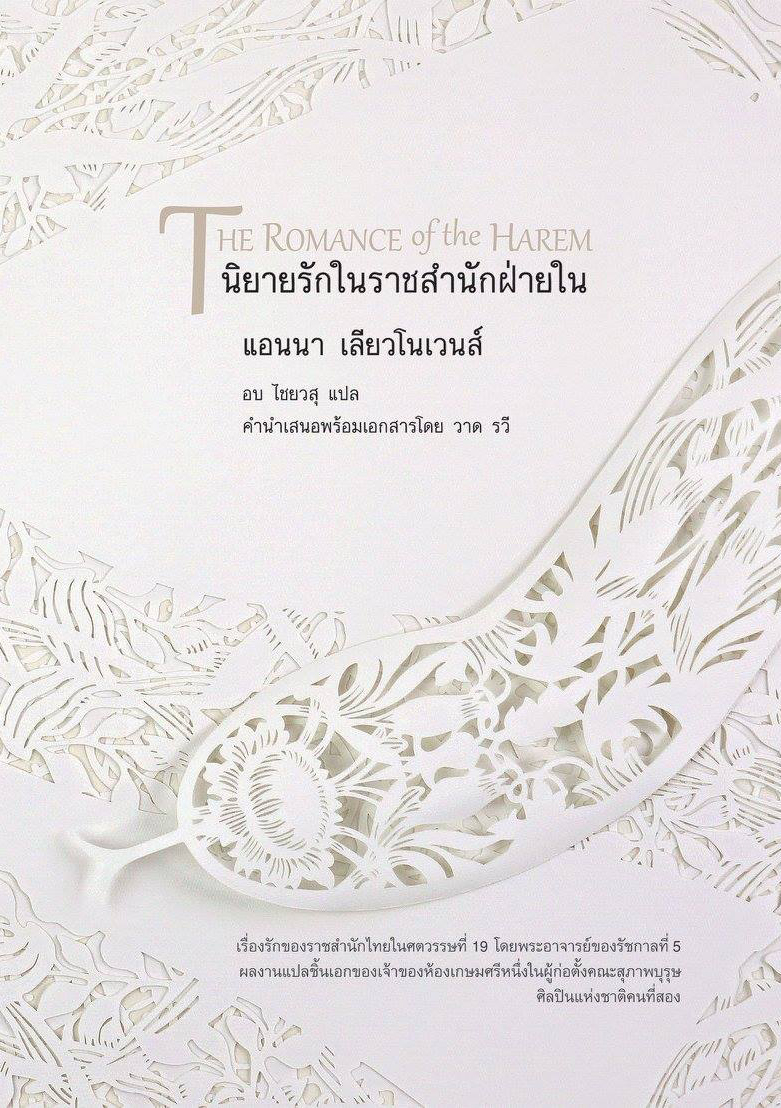
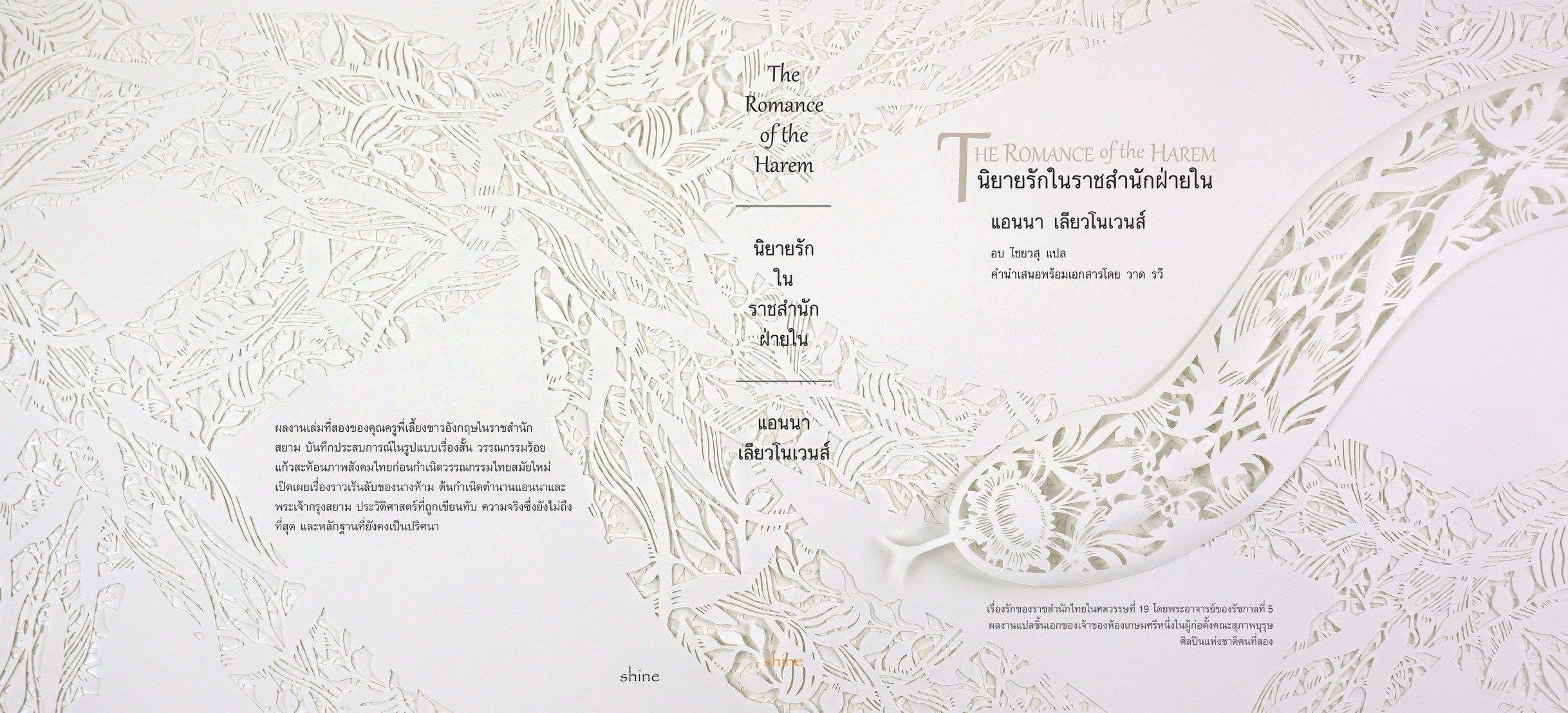
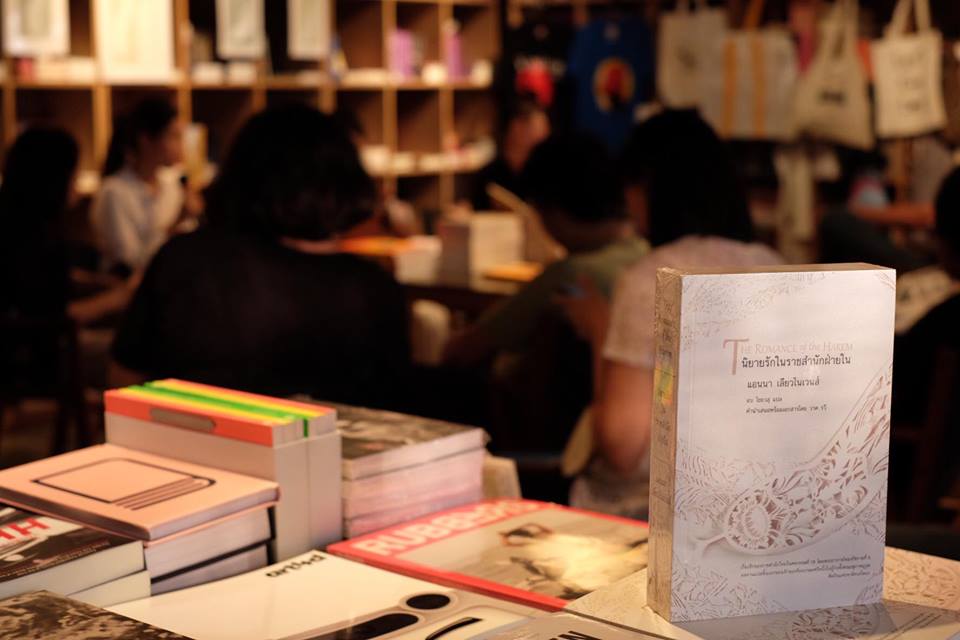
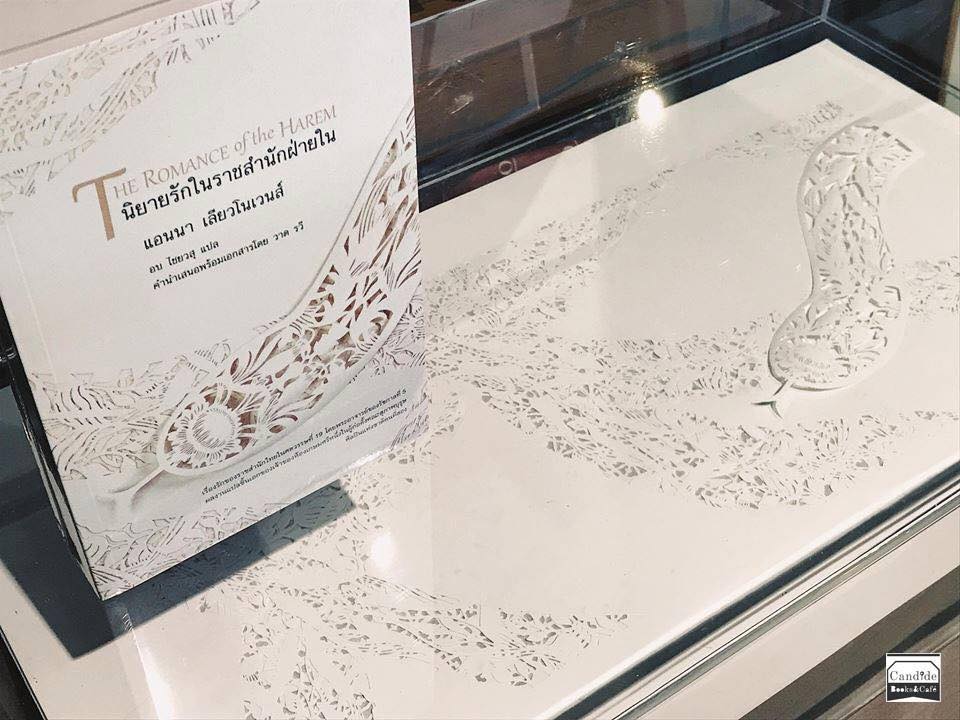
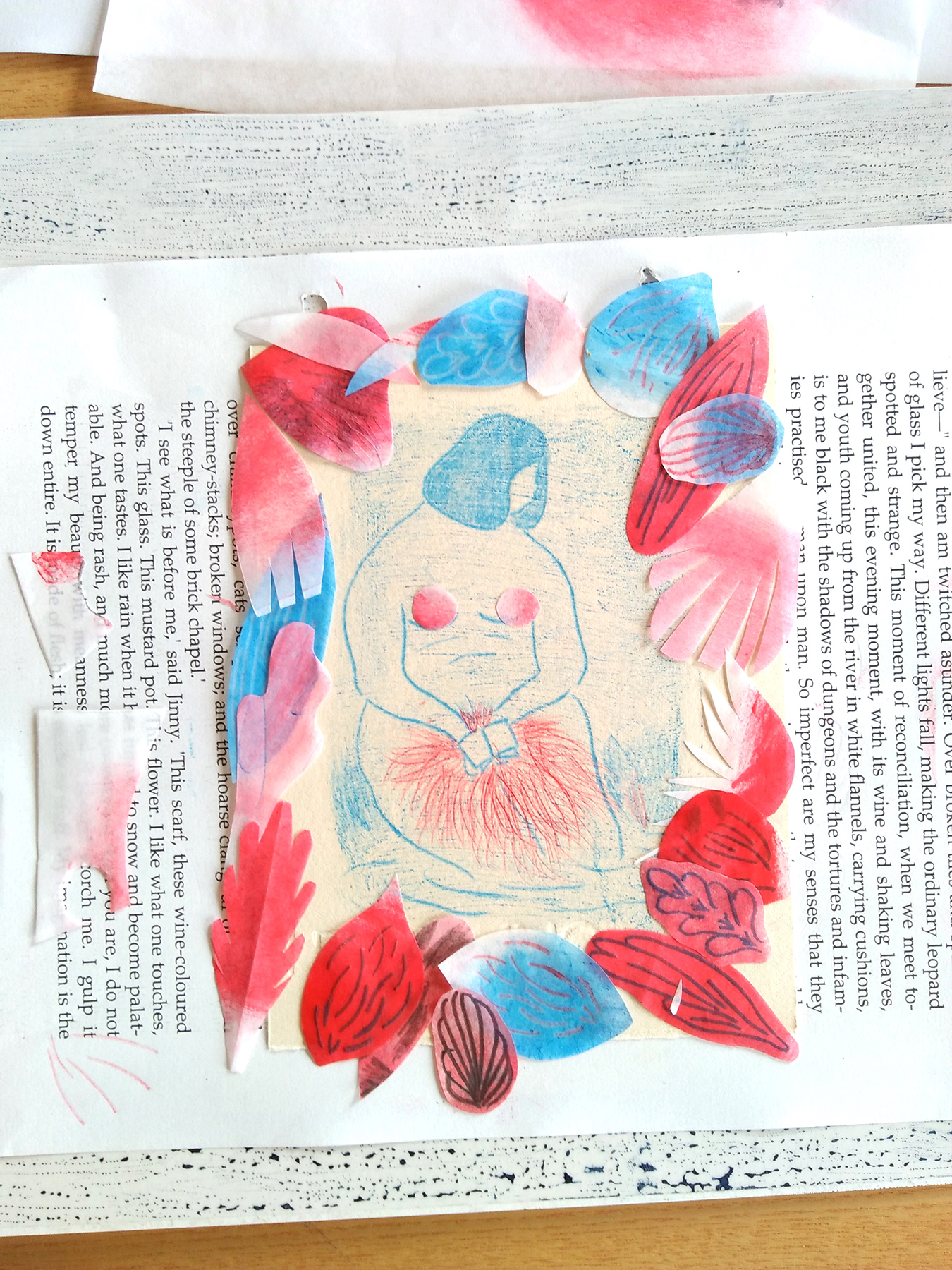
(This is the making of ‘The Romance of the Harem’ book cover which I collaborated with COLLAGECANTO. There is no English translation on this post, but you can scroll down to see some photos with English captions.)
*
*
*
*
*
*
*
*
*
*
*
*
*
*
*
*
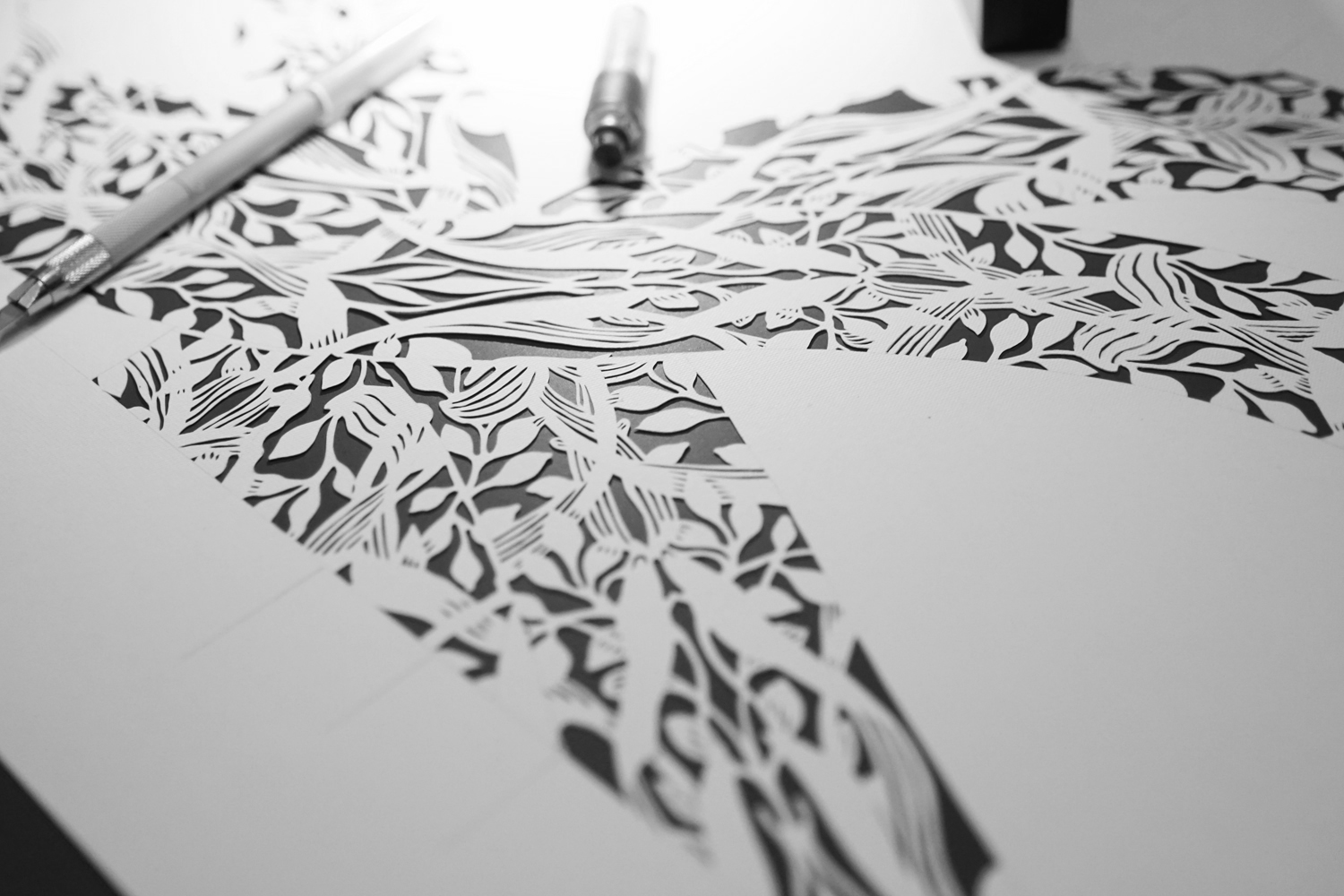
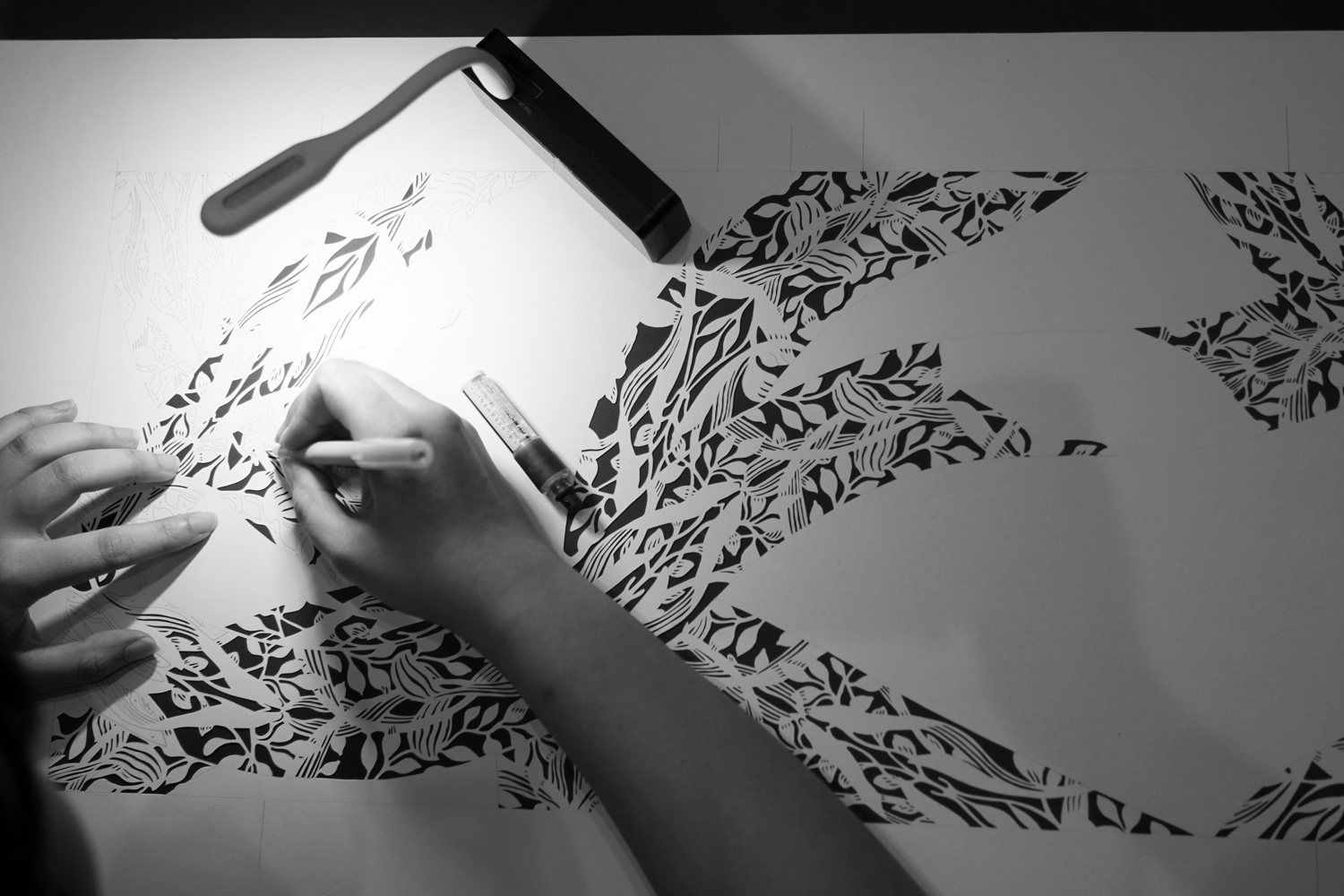
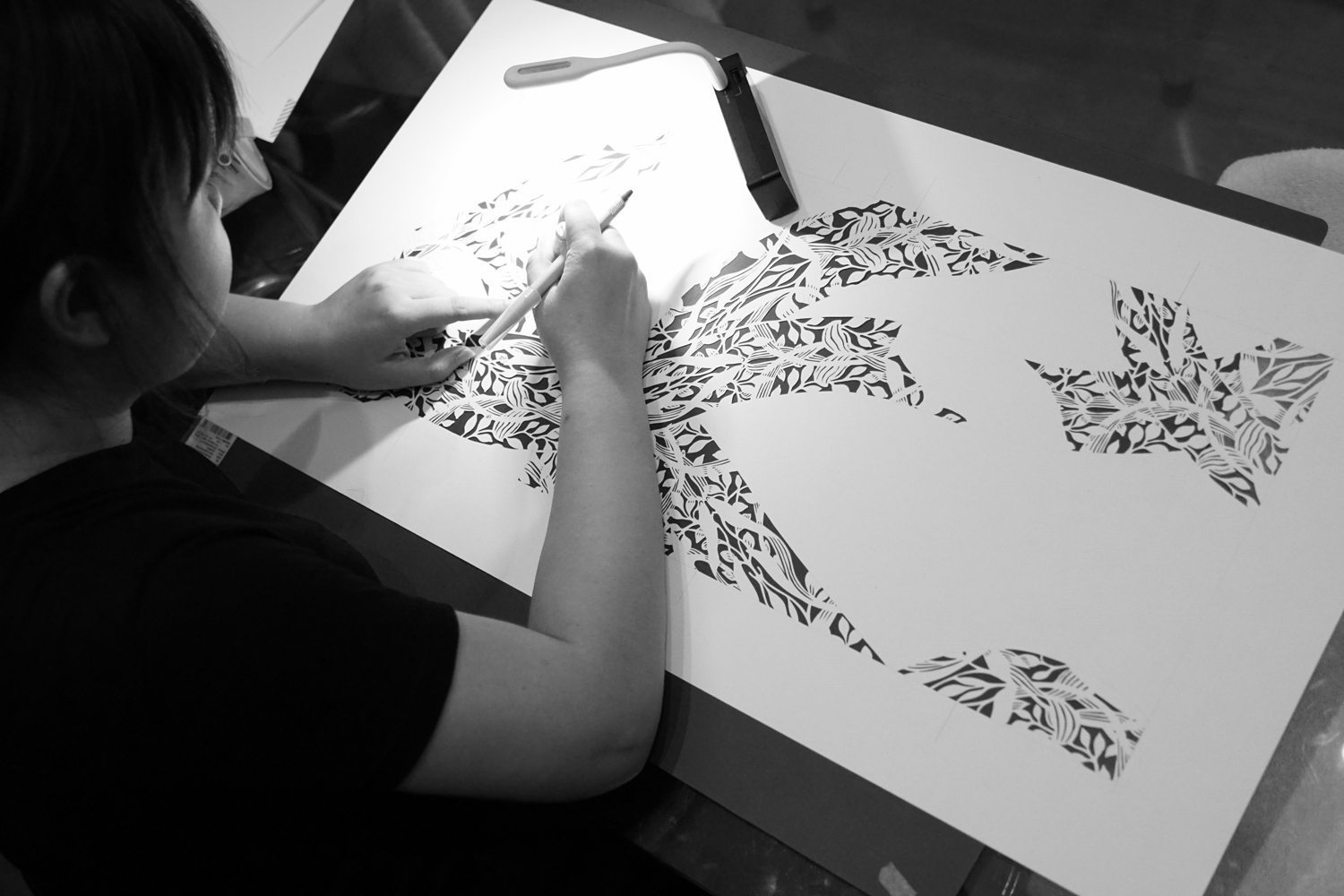
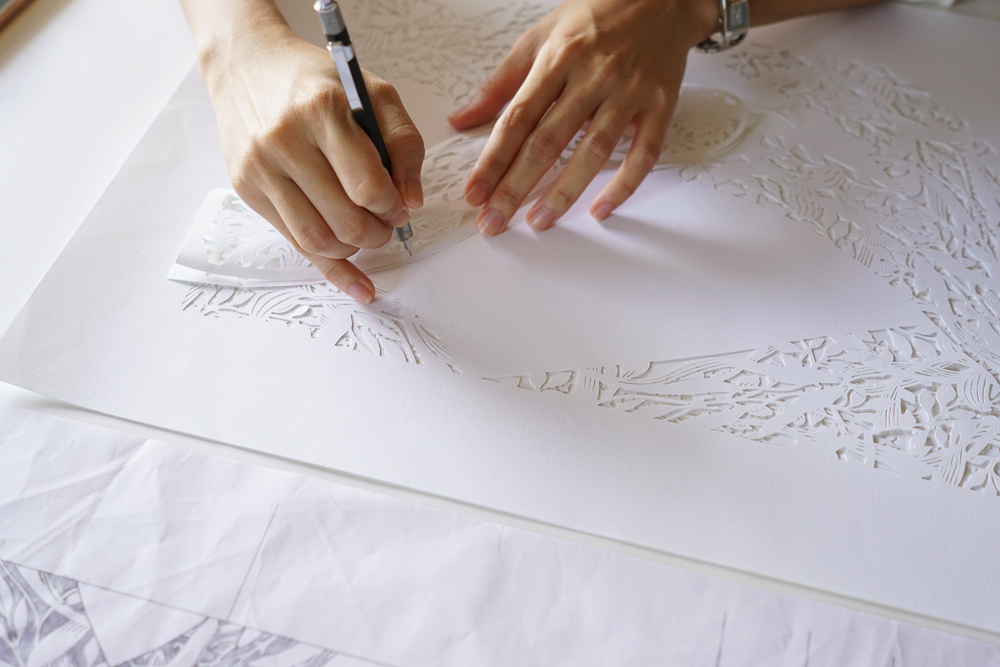
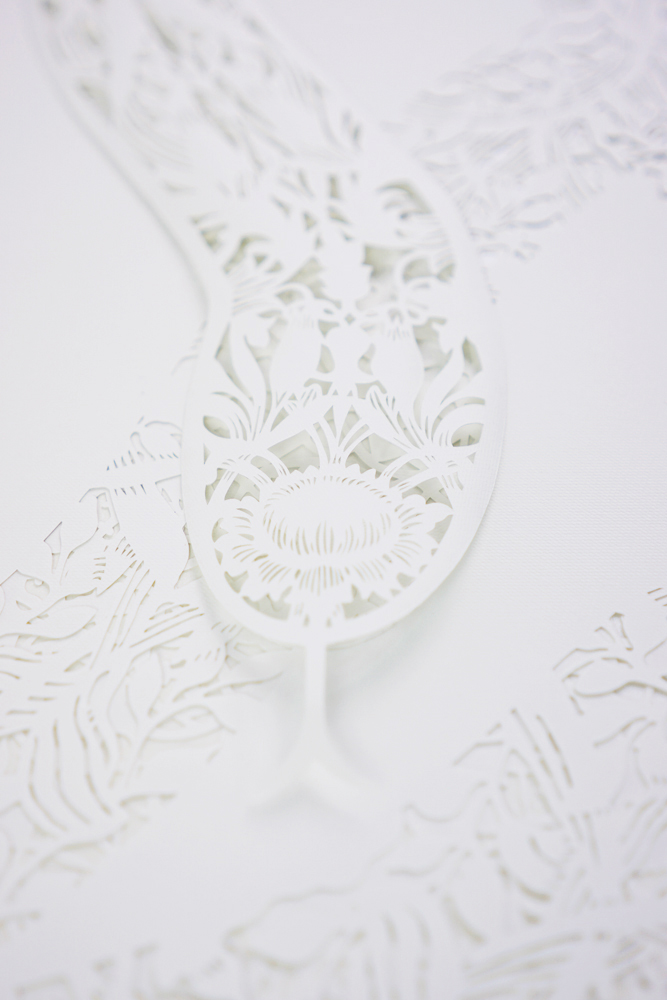
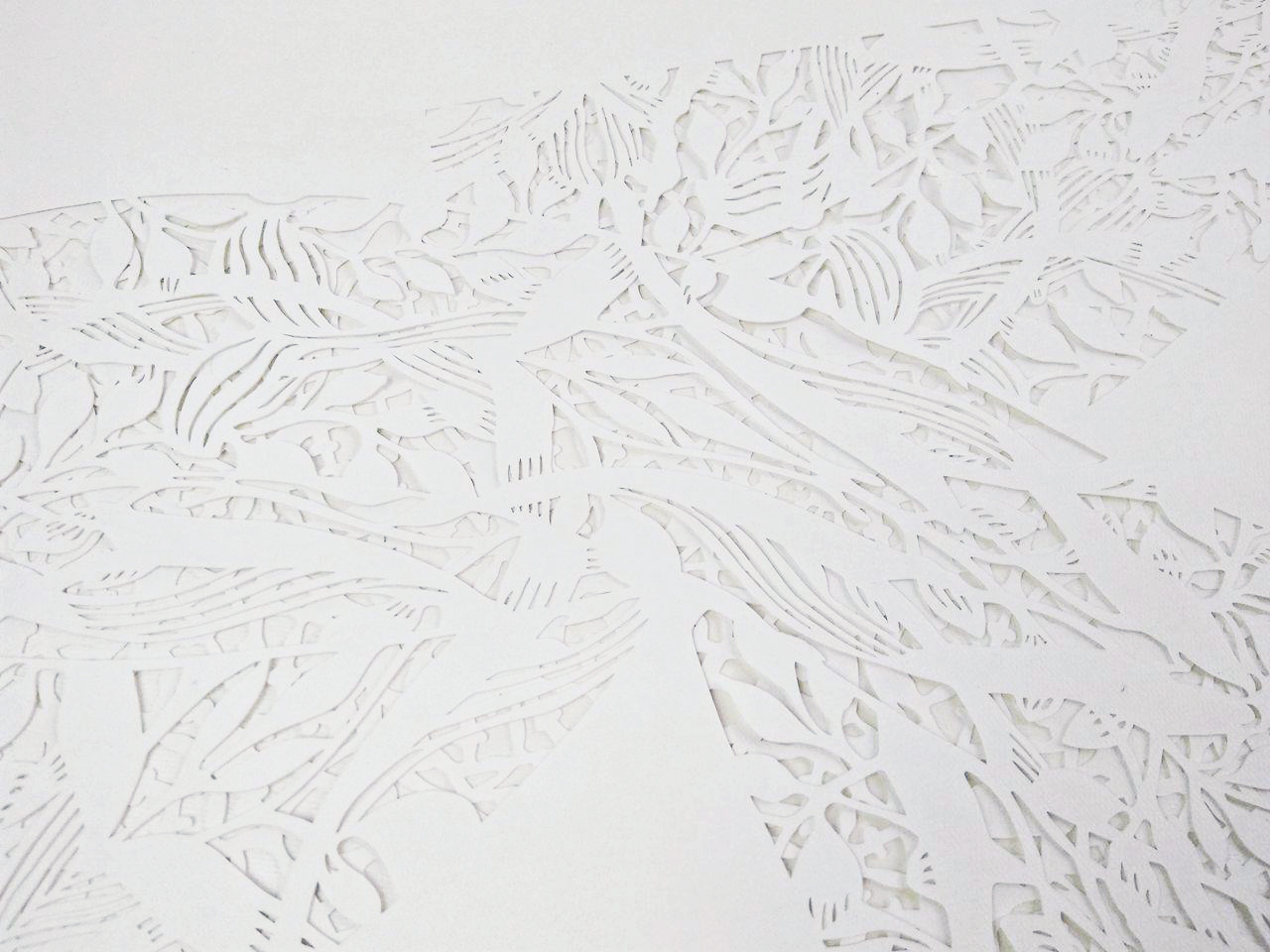
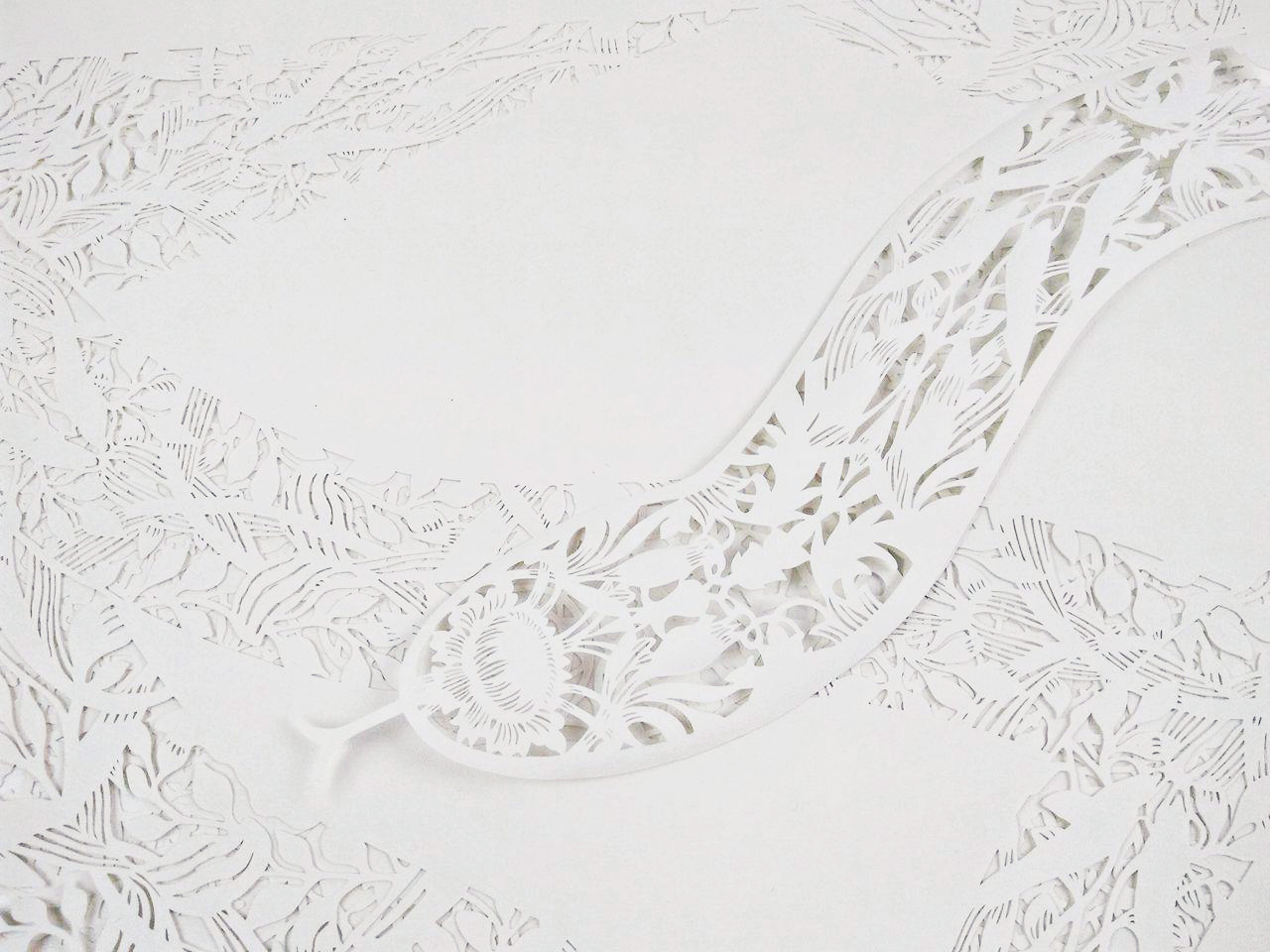
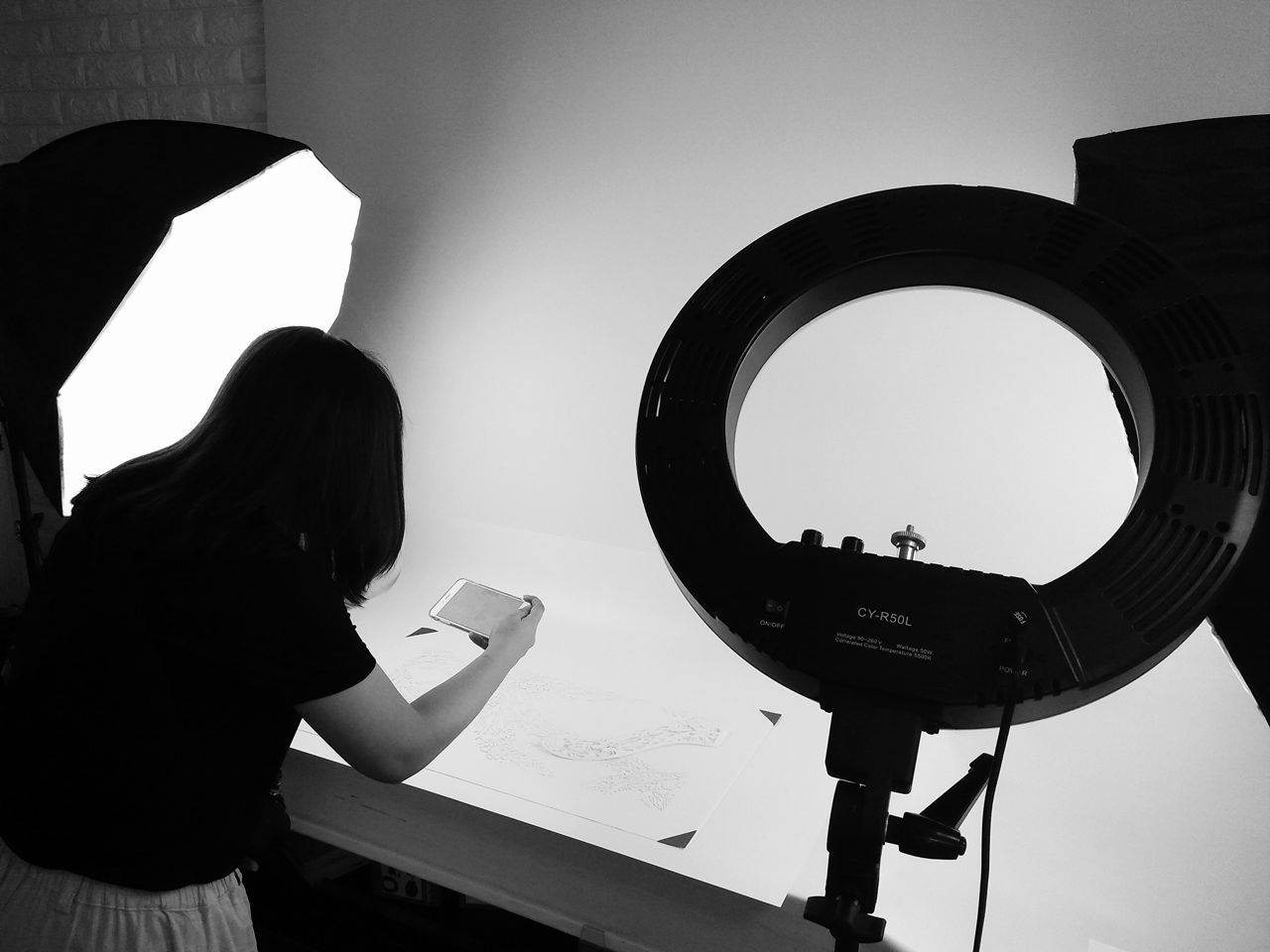
บันทึกเบื้องหลังการอ่านเพื่อออกแบบภาพปก รวมถึงขั้นตอนการทำ paper cutting และการถ่ายภาพปกนิยายรักในราชสำนักฝ่ายใน
1) เรื่องที่ถูกเล่าโดยผู้เขียน : มุมมองอันจำกัดของผู้เล่า และข้อกังขาของผู้ฟัง(อ่าน) ใน นิยายรักในราชสำนักฝ่ายในตอน “เจ้าจอมทับทิม / TUPTIM : A TRAGEDY OF THE HAREM” มีบทสนทนาระหว่างเจ้าจอมทับทิมและพระยาพรหมบริรักษ์ซึ่งน่าสนใจ คำยืนยันของเจ้าจอมทับทิมช่างซ้อนทับไปกับคำยืนยันในคำนำของแอนนาซึ่งเป็นผู้เขียน “เล่าความจริงได้เท่าที่รับรู้มา – เล่าความจริงได้เท่าที่เรื่องราวนั้นเกี่ยวเนื่องกับตนเอง” และข้อกังขาของพระยาพรหมบริรักษ์ที่มีต่อทับทิมผู้เป็นจำเลยก็ไม่ต่างจากข้อกังขาของผู้อ่านจำนวนไม่น้อยที่มีต่อผลงานของแอนนา “ดี-สนุกดี เธอเล่านิทานสนุกดีมาก แต่ว่าไม่มีใครเขาเชื่อเธอหรอก มาพูดกันแต่ที่เป็นเรื่องเป็นราวเถิด”
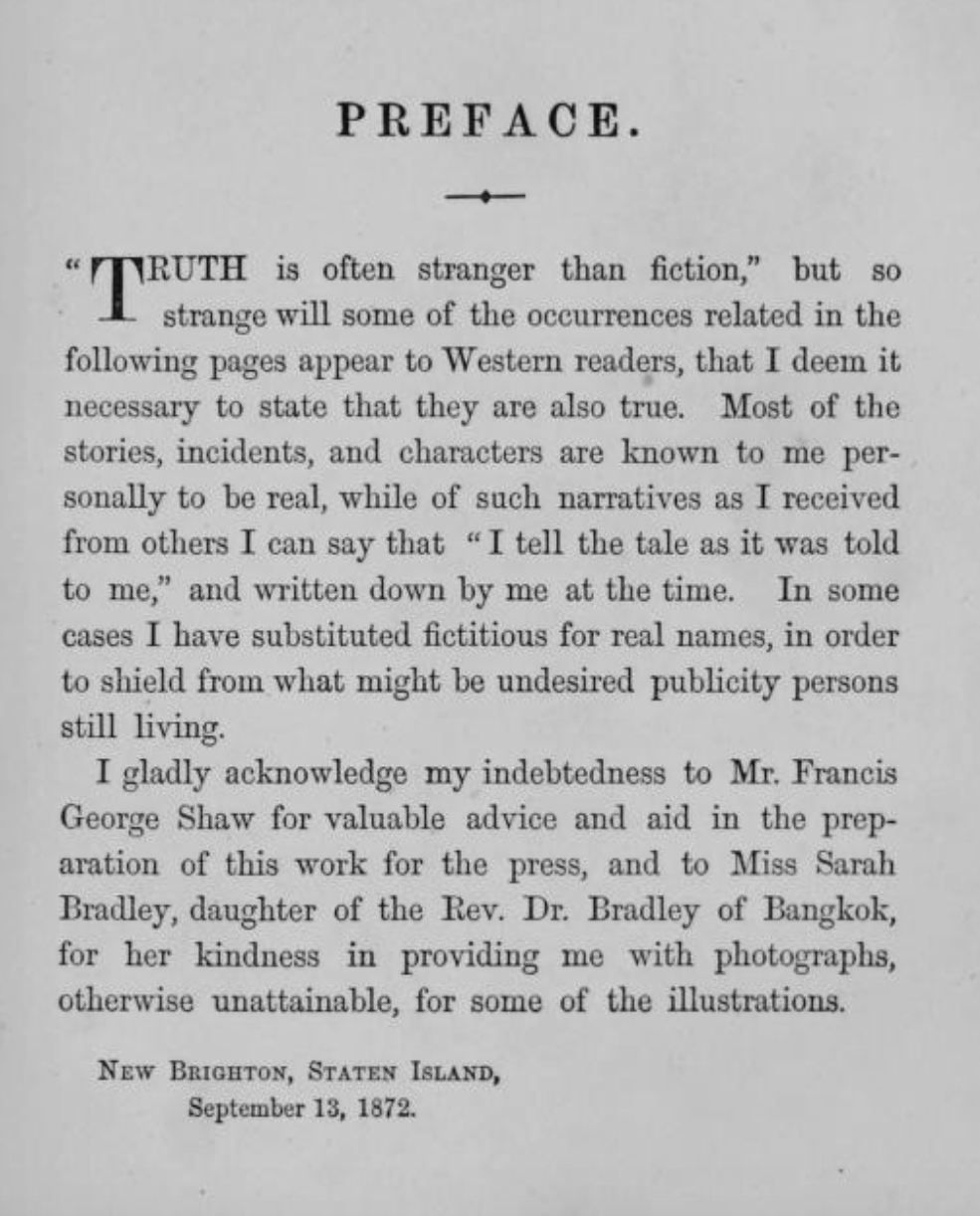
แอนนา : Truth is often stranger than fiction,’… that I deem it necessary to state that they are also true. … ‘I tell the tale as it was told to me,’ and written down by me at the time. (Preface of The Romance of the Harem)
เจ้าจอมทับทิม : “My lord, I am telling what I did myself, and not what anyone else did. Hear me, and I will speak the truth, so far as it relates to myself; beyond that I cannot go,” (p. 28 of The Romance of the Harem / ฉบับไทย Shine publishing หน้า 318)
พระยาพรหมบริรักษ์ : ‘Well, well!’ said P’hayaprome Baree Rak, ‘You have told your story beautifully, but nobody believes you.’ (p. 31 of The Romance of the Harem / ฉบับไทย Shine publishing หน้า 322)
*
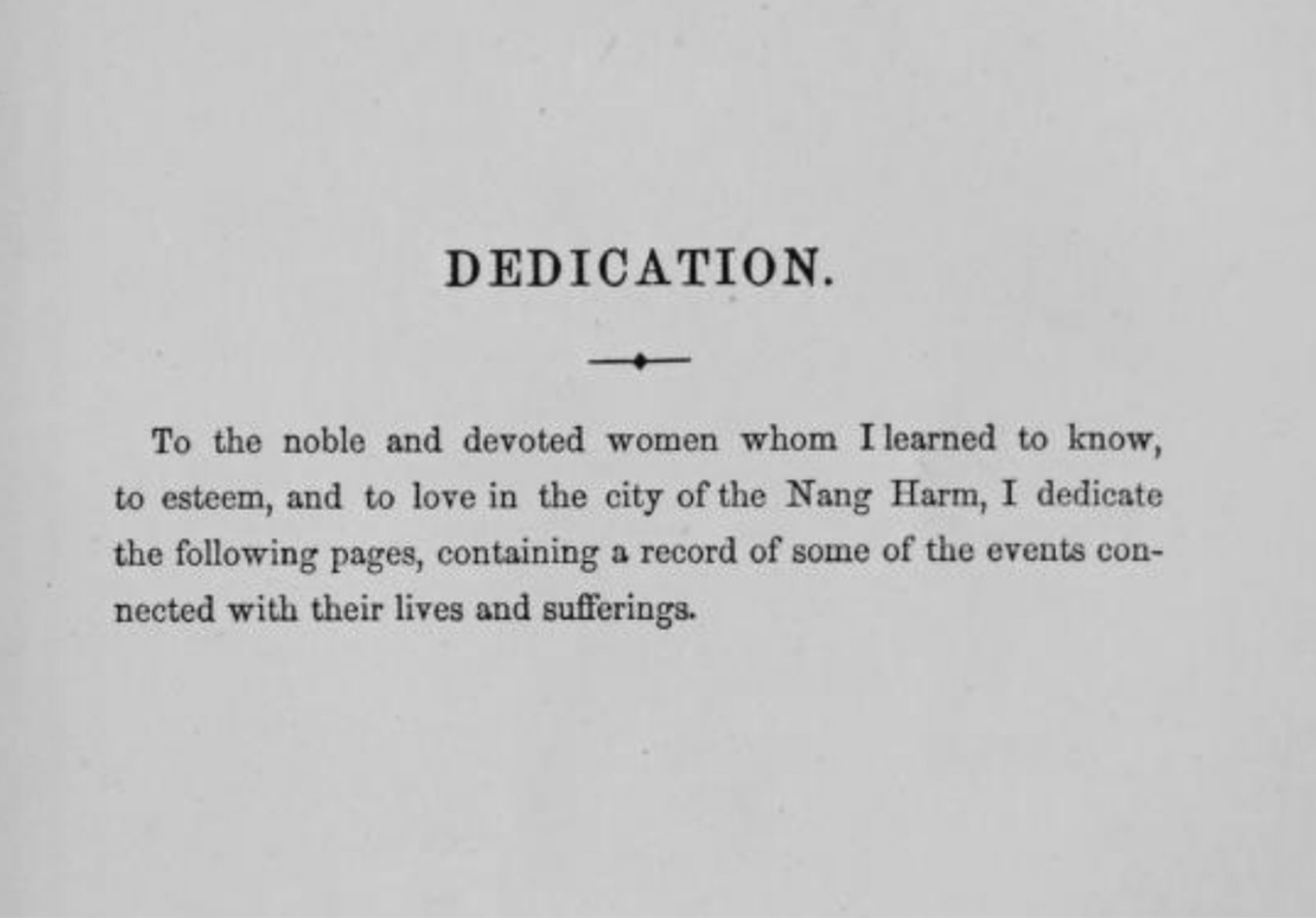
คำอุทิศจากต้นฉบับ / Dedication in The Romance of the Harem, published by JAMES R. OSGOOD AND COMPANY
*
คำนำจากต้นฉบับ / Preface in The Romance of the Harem, published by JAMES R. OSGOOD AND COMPANY
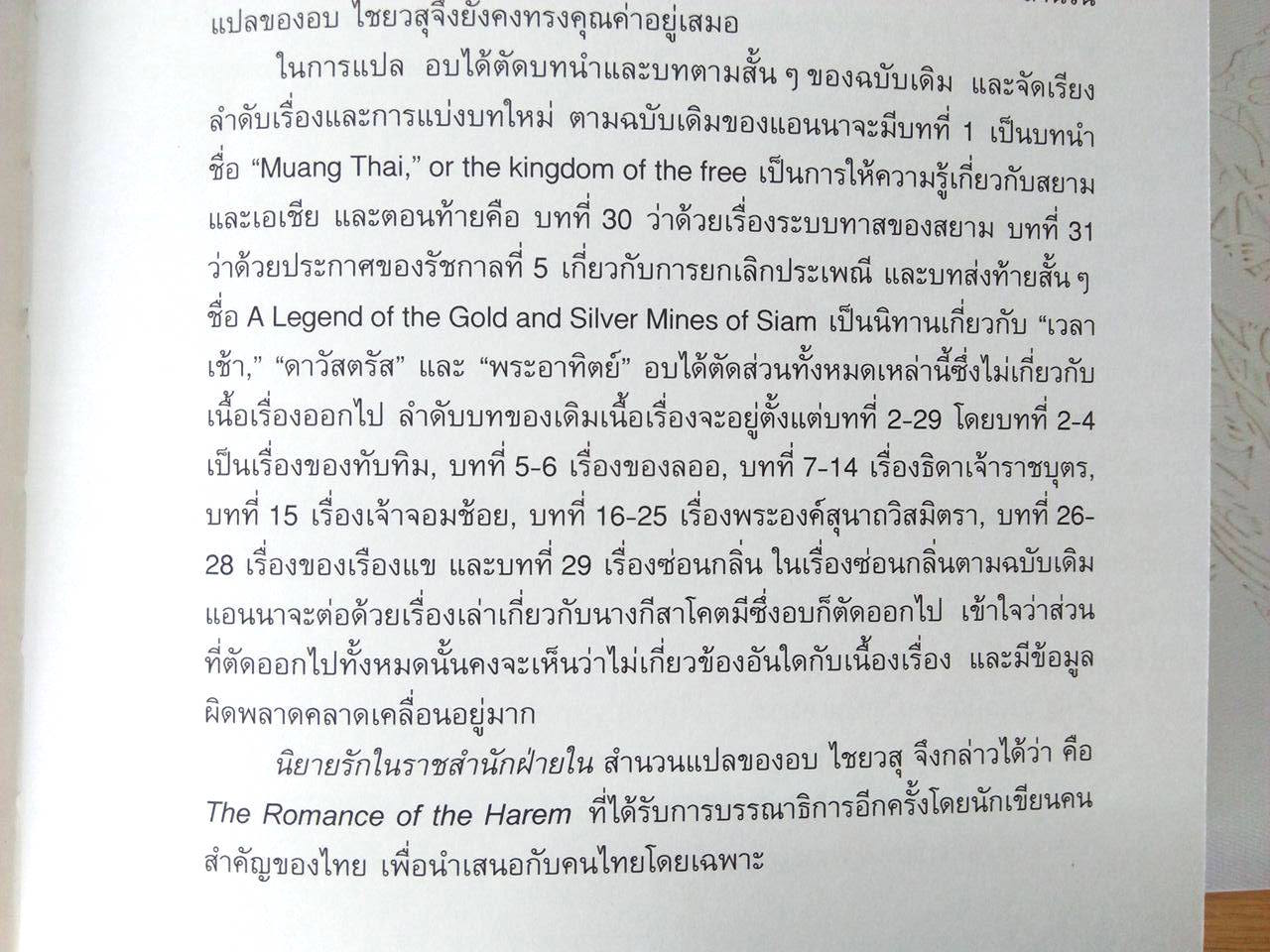
บทแปลหลายส่วนถูกตัดทอน เสริมต่อ และเรียบเรียงใหม่ในฉบับแปลเพื่อความราบรื่นกลมกล่อมแต่หากอ่านในฐานะเรื่องกึ่งจริงกึ่งแต่งที่มีความสำคัญทางประวัติศาสตร์ จะพบว่ามีข้อมูลที่ขาดหายไป เช่น บทเปิดเรื่องจำนวน 13 หน้า อย่าง “MUANG THAI, OR THE KINGDOM OF THE FREE” ซึ่งเป็นข้อมูลและมุมมองของแอนนาที่มีต่อสยามและชาวสยาม ตอนสุดท้ายของบทนี้ได้เกริ่นถึงโลกอันชวนฉงนของนางห้ามก่อนจะเริ่มเล่าเรื่องหญิงสาวแต่ละคนในบทถัดไป
*
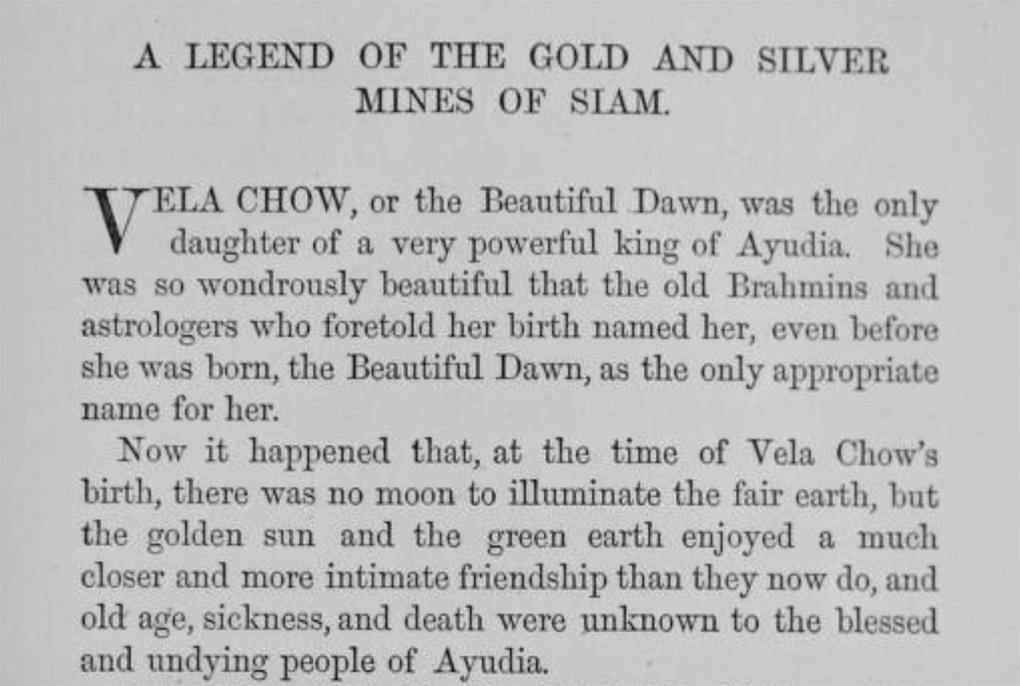
บทที่หายไปอีกเช่นบทจบสั้นๆ อย่าง “CHAPTER XXXI. THE ROYAL PROCLAMATIONS” ประกาศพระบรมราชโองการ การเริ่มรัชสมัยรัชกาลที่ห้าซึ่งมีการกล่าวถึงเรื่องการเลิกทาส และบทหลังบทจบที่ชื่อ “A LEGEND OF THE GOLD AND SILVER MINES OF SIAM.” ที่ฉันเองก็ได้อ่านไปเพียงแค่ย่อหน้าเริ่มต้น
*
A LEGEND OF THE GOLD AND SILVER MINES OF SIAM, The Romance of the Harem
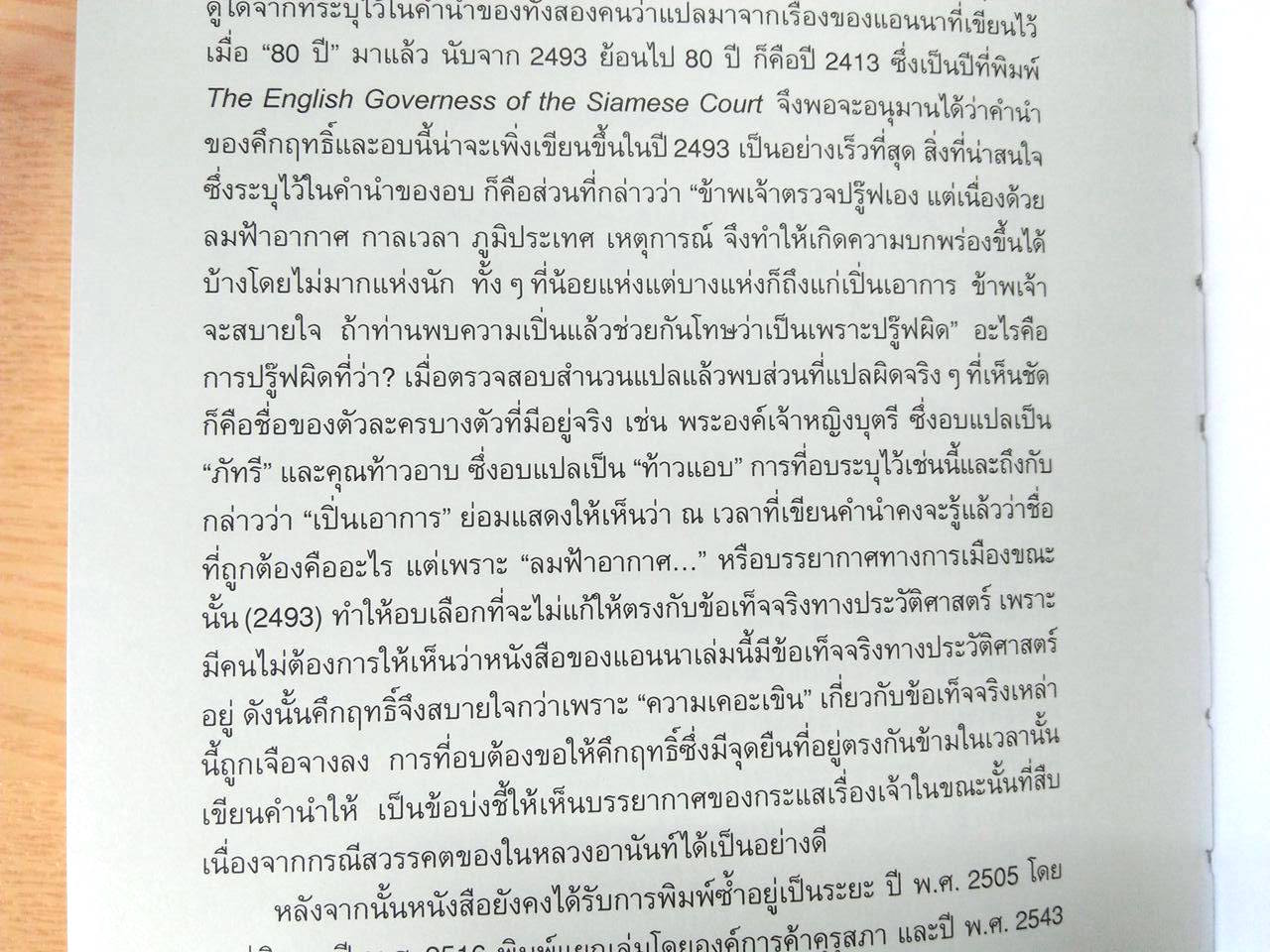
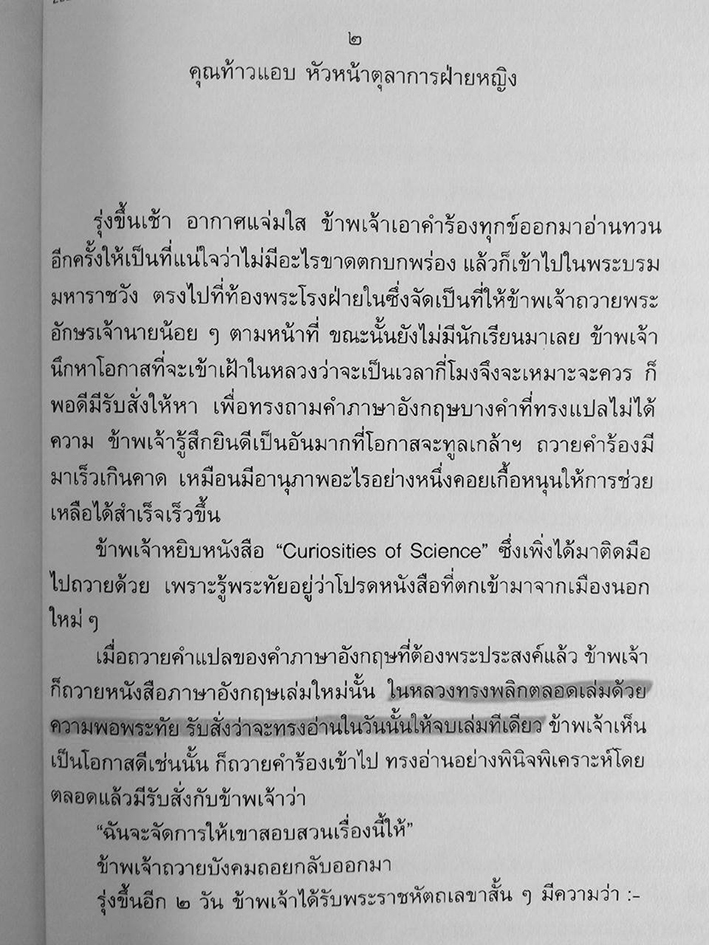
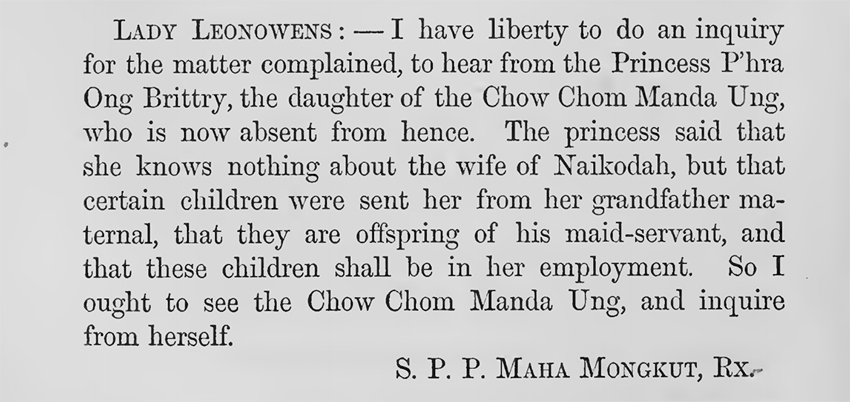
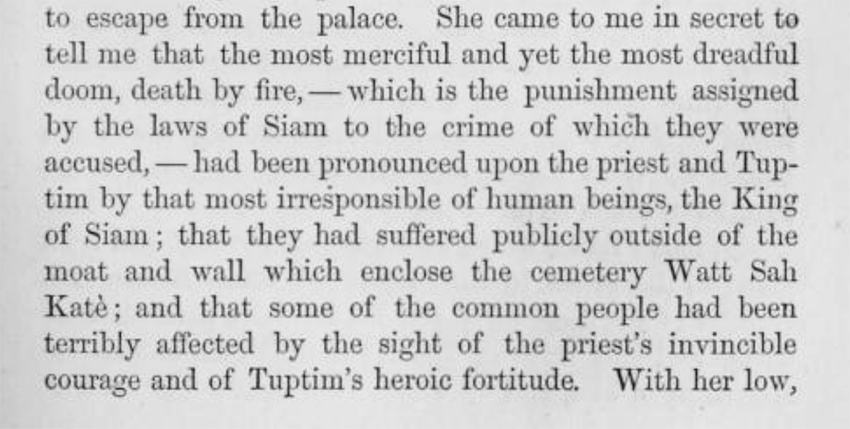
เทียบต้นฉบับและการแปลระหว่าง The Romance of the Harem หน้า 21-22 กับ นิยายรักในราชสำนักฝ่ายใน สำนวนอบ ไชยวสุ Shine publishing หน้า 310-311
“…but the one idea that took possession of my mind was: “Poor little Tuptim, in that dreadful dungeon underground.” —> “นี่เราจะช่วยทับทิมน้อยน่าสงสารได้วิธีไรหนอ?” บางครั้งก็มีเสียงแว่วๆ คล้ายพูดแผ่วๆ อยู่ในระยะไกลว่า “ครูแหม่มขา ช่วยทับทิมด้วยเถอะค่ะ”
“I was tired of the palace, tired of witnessing wrongs I could not remedy, and half afraid, too, to enter that weird, mysterious prison-world after nightfall.” —> แต่สมองฝ่ายเหนี่ยวไว้ให้ยับยั้งนั้น แสดงภาพความน่ากลัวอันตรายของการไปในวังเวลาวิกาล แม้ข้าพเจ้าเป็นหญิงเพศเดียวกับพลเมืองทั้งหมดของ “เมืองนางห้าม” แต่ข้าพเจ้าเป็นคนต่างชาติต่างภาษา อาจจะเป็นสิ่งที่สงสัยไปในทางร้ายก็ได้
*
*
“The gates are open for the prime-minister, mam dear,” said she, in a low, pleading voice, “and you can get in now without any difficulty. —> “ข้าพเจ้าทักว่า “อ้าว ยังไม่ได้กลับหรอกหรือ” นางทาสีเสียงเครือ “ยังเจ้าค่ะ ดิฉันคอยแหม่มอยู่ตรงประตูนั่นเองเจ้าค่ะ ดิฉันลืมกราบเรียนไปว่าคืนนี้มีเสนาบดีจะเข้าเฝ้าหลายท่าน แล้วโปรดเกล้าฯ ให้เฝ้าที่ท้องพระโรงฝ่ายในด้วย ประตูก็จะไม่ลั่นดาลจนกว่าท่านเสนาบดีกลับ คุณครูแหม่มก็จะเข้าออกโดยไม่ต้องเรียกเปิดหรอกเจ้าค่ะ ไปหน่อยซิเจ้าคะ สงสารคุณท่านด้วยเถิดเจ้าค่ะ”
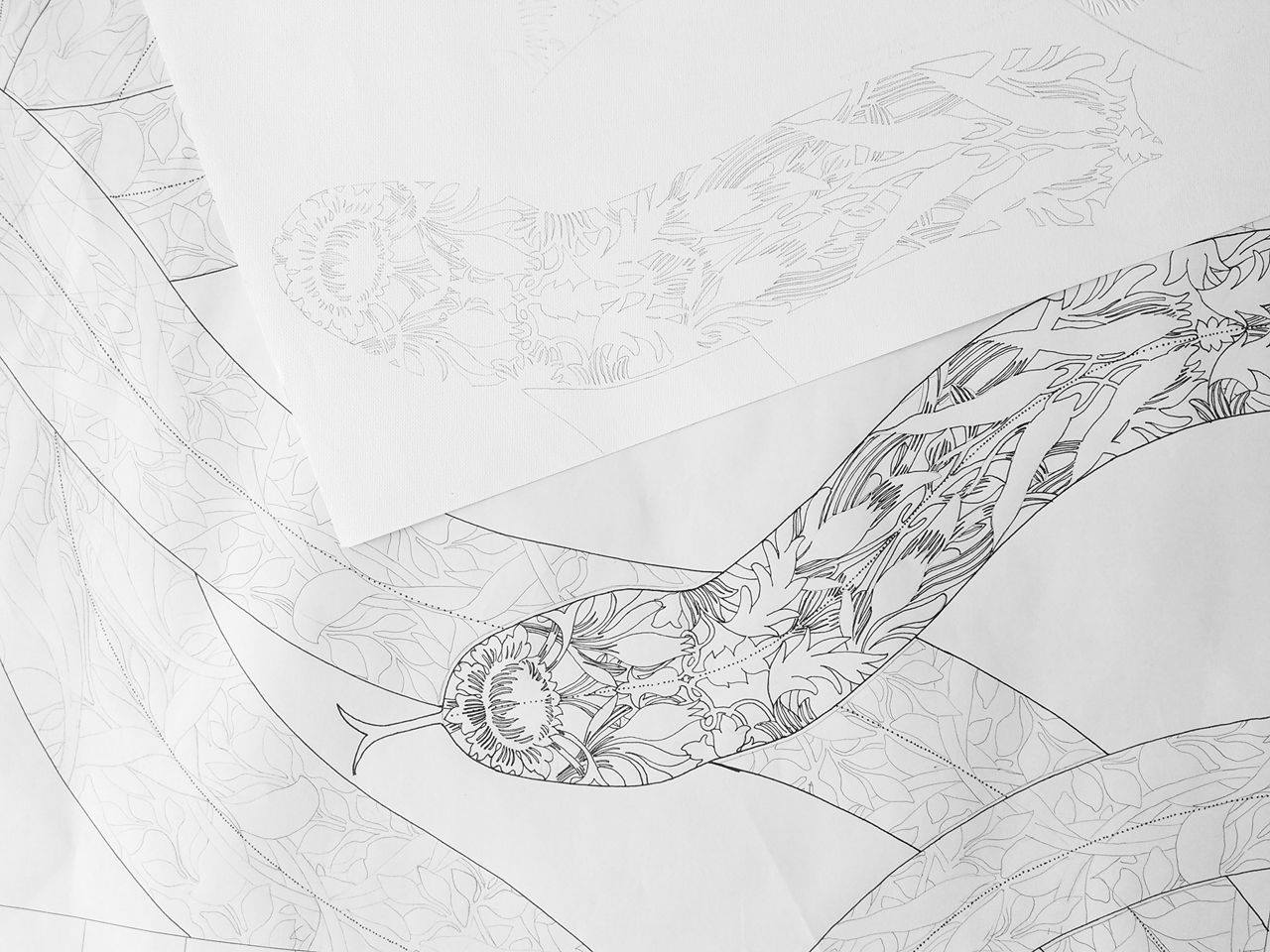
งูปรากฏในฉากใด และมีความสำคัญอย่างไร
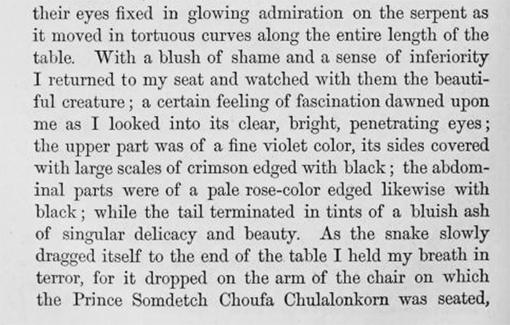
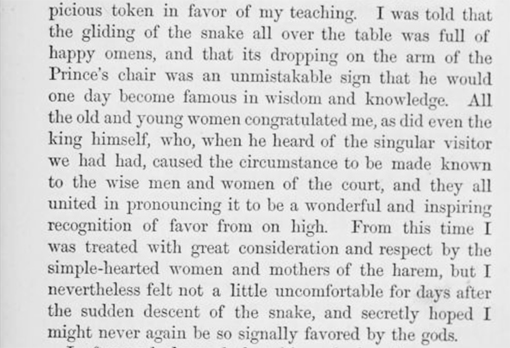
‘I tell the tale as it was told to me.’ ‘อ่าน’เพื่อเป็นปกก็แทบไม่ต่างอะไรกับผู้เขียนต้นฉบับที่ ‘อ่าน’เรื่องราวรอบตัวเพื่อนำมาเล่าต่อ อ่านเพื่อเป็นปกครั้งนี้คืออ่านเรื่องเล่าที่จริงในความเป็นเรื่องเล่าหากคล้ายเป็นความเปรียบอันมีนัยสำคัญในโลกจริง มีตอนหนึ่งในเรื่องเจ้าจอมซ่อนกลิ่น แอนนาเขียนเล่าไว้ถึงงูที่เลื้อยผ่านโต๊ะเรียนไป :
*
แอนนาสังเกตลักษณะงูที่เลื้อยผ่านไป p.244 The Romance of the Harem
ในต้นฉบับเขียนว่างูที่เลื้อยผ่านเท้าแขนเก้าอี้ของเจ้าฟ้าจุฬาลงกรณ์นั้นถือเป็น “…an unmistakable sign that he would one day become famous in wisdom and knowledge.” ไม่ได้ระบุอย่างในฉบับแปล อย่างไรก็ตาม ฉันพบว่าถึงจะมีความคลาดเคลื่อนอย่างไร งูที่เลื้อยผ่านก็มีความหมายในเรื่องเล่านี้มากทีเดียว มันย้ำถึงสถานะของแอนนาว่ามีความสำคัญ เหตุการณ์เกิดขึ้นระหว่างที่แอนนากำลัง “สอนลูกศิษย์” เรื่องแม่น้ำไนล์บนแผนที่อียิปต์อยู่ เธอกำลังปฏิบัติหน้าที่และเธอทำได้ดีเป็นที่ยอมรับจนกระทั่งมีนิมิตมงคลนี้มาเป็นเครื่องยืนยัน(ถึงเธอจะค่อนไปทางไม่เชื่อก็ตาม) เธอเป็นแกนกลางของฉากนี้ ทุกคนเข้ามาแสดงความยินดีกับเธอ แม้กระทั่งคิงมงกุฎเองก็ตาม
แต่แอนนาก็ไม่เบา เพราะเมื่อเธออธิบายความหมายของงูขนดทองแดงเสร็จ เธอก็กล่าวกับผู้อ่าน (ซึ่งอบ ไชยวสุ แปลไว้อย่างหน้าสนใจในฉบับไทย หน้า 571 ซึ่งอยากให้ตามไปอ่านกันเอง) ว่า “I leave it with my readers to decided which is the better, our inherited dread of and desire to destroy the serpent race, or the Siamese custom of idealizing, though which a certain superstitious reverence, the meanest of the work of nature.” (The Romance of the Harem หน้า 245)
ทั้งหมดนี้คือการอ่านเป็นปกอย่างคร่าวๆ
*
*
*
*
*
ทำงานร่วมกับ COLLAGECANTO / A Collaboration with COLLAGECANTO
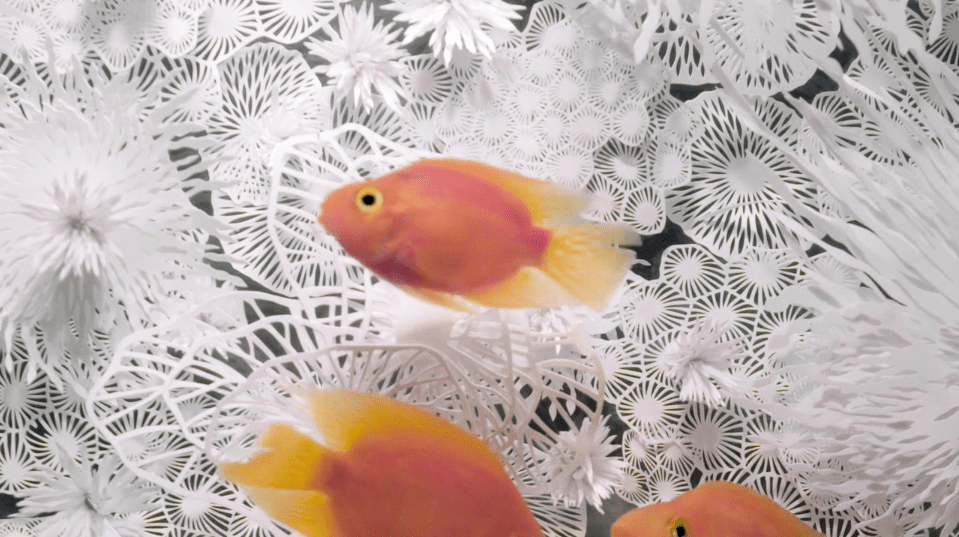
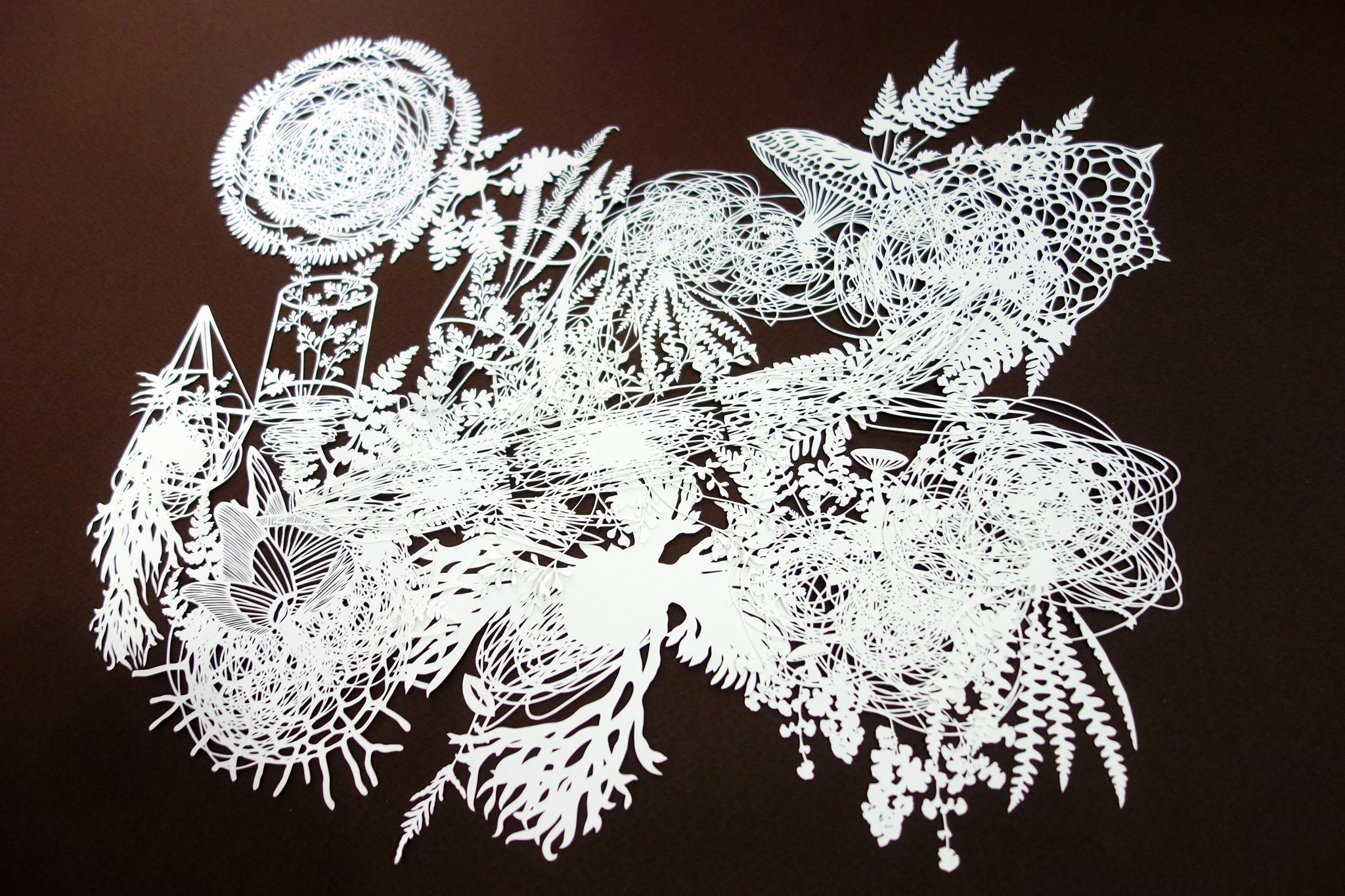
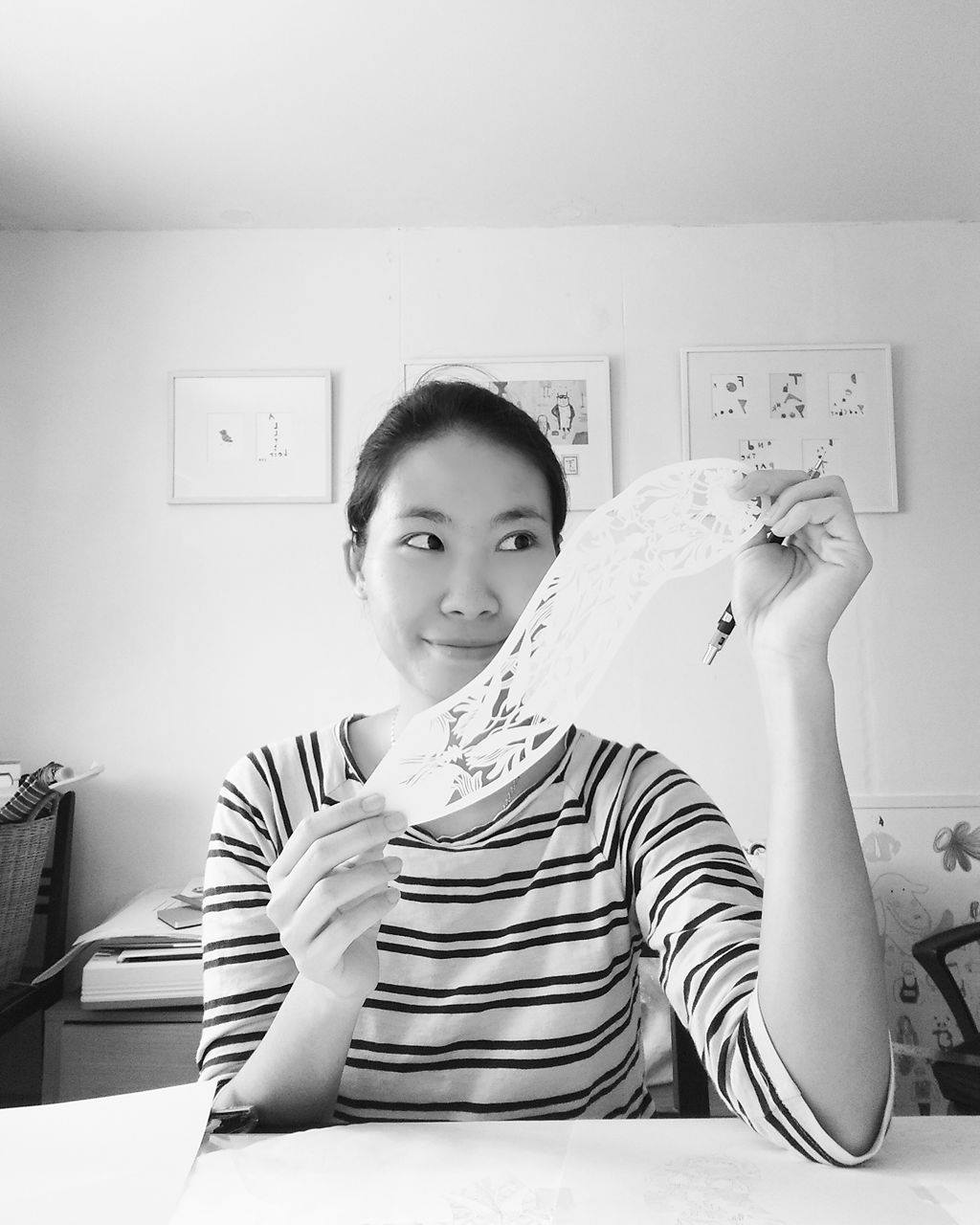
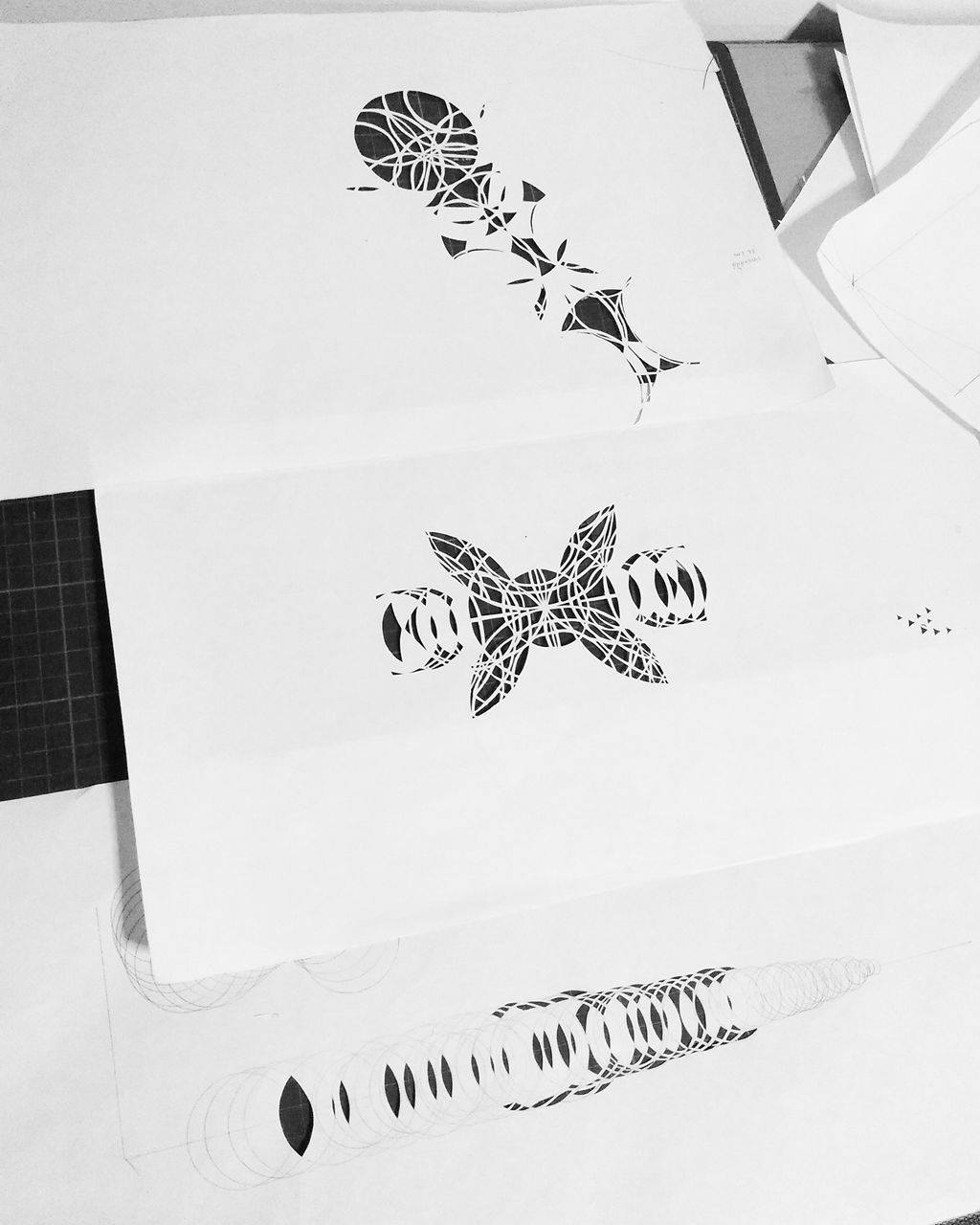
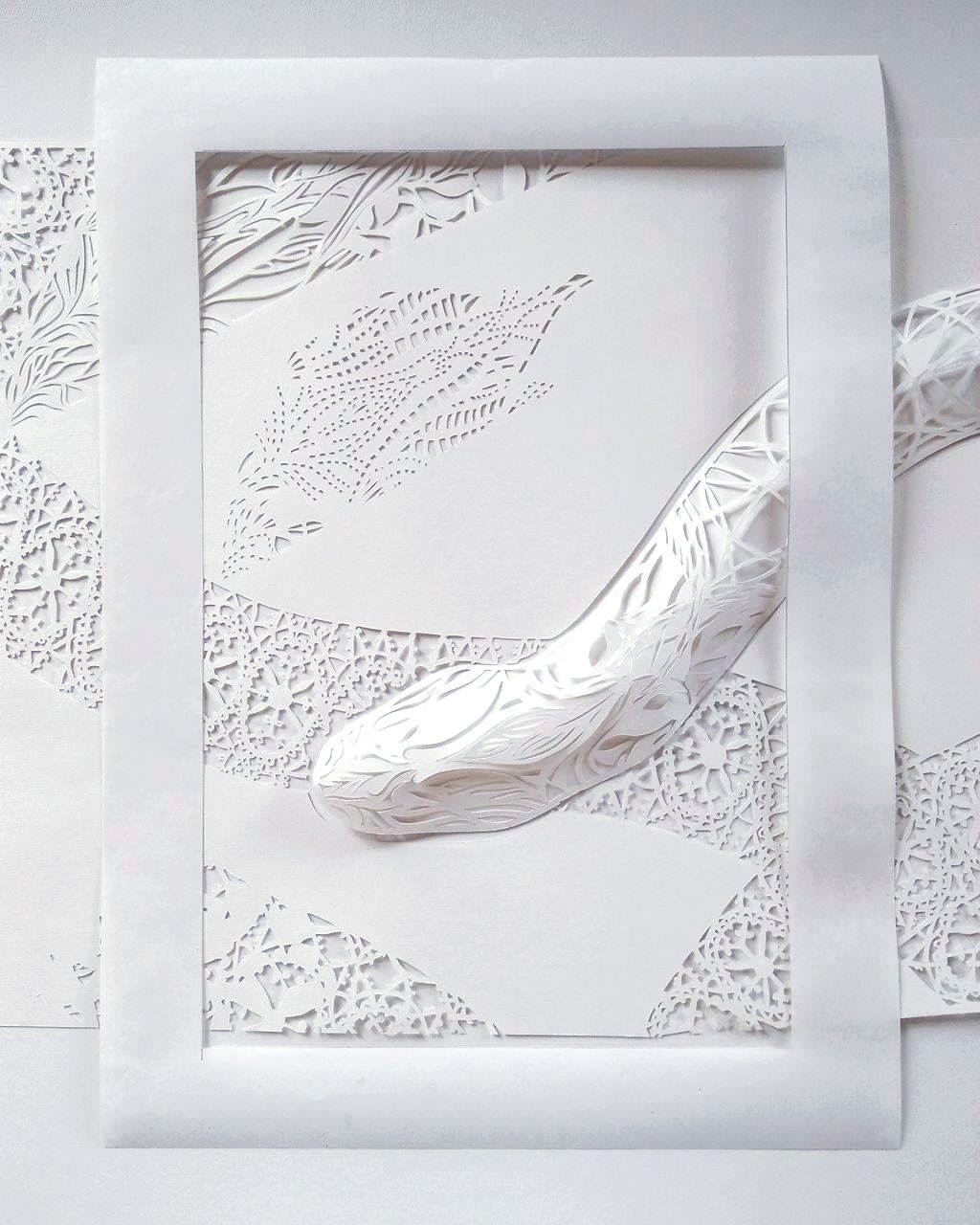
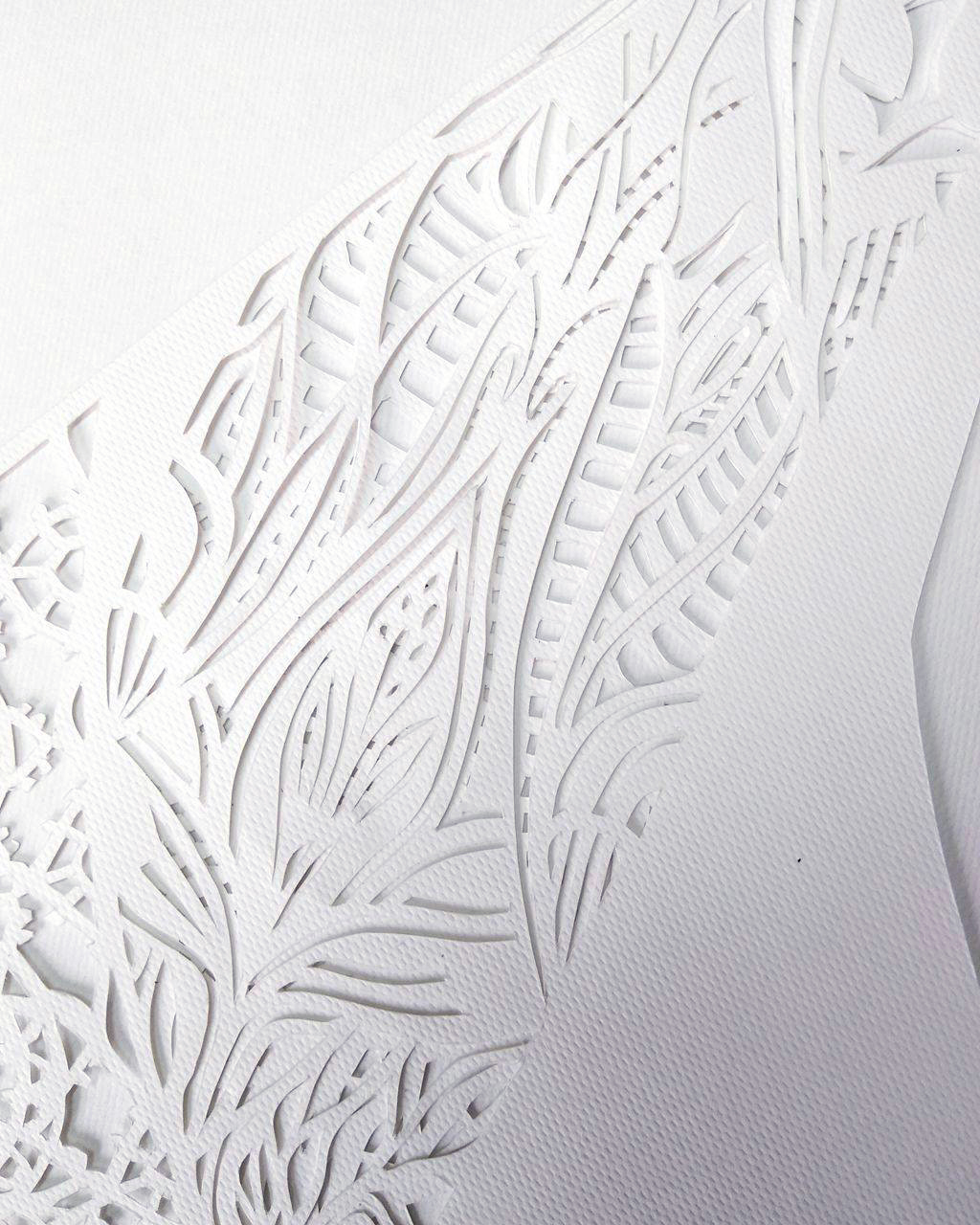
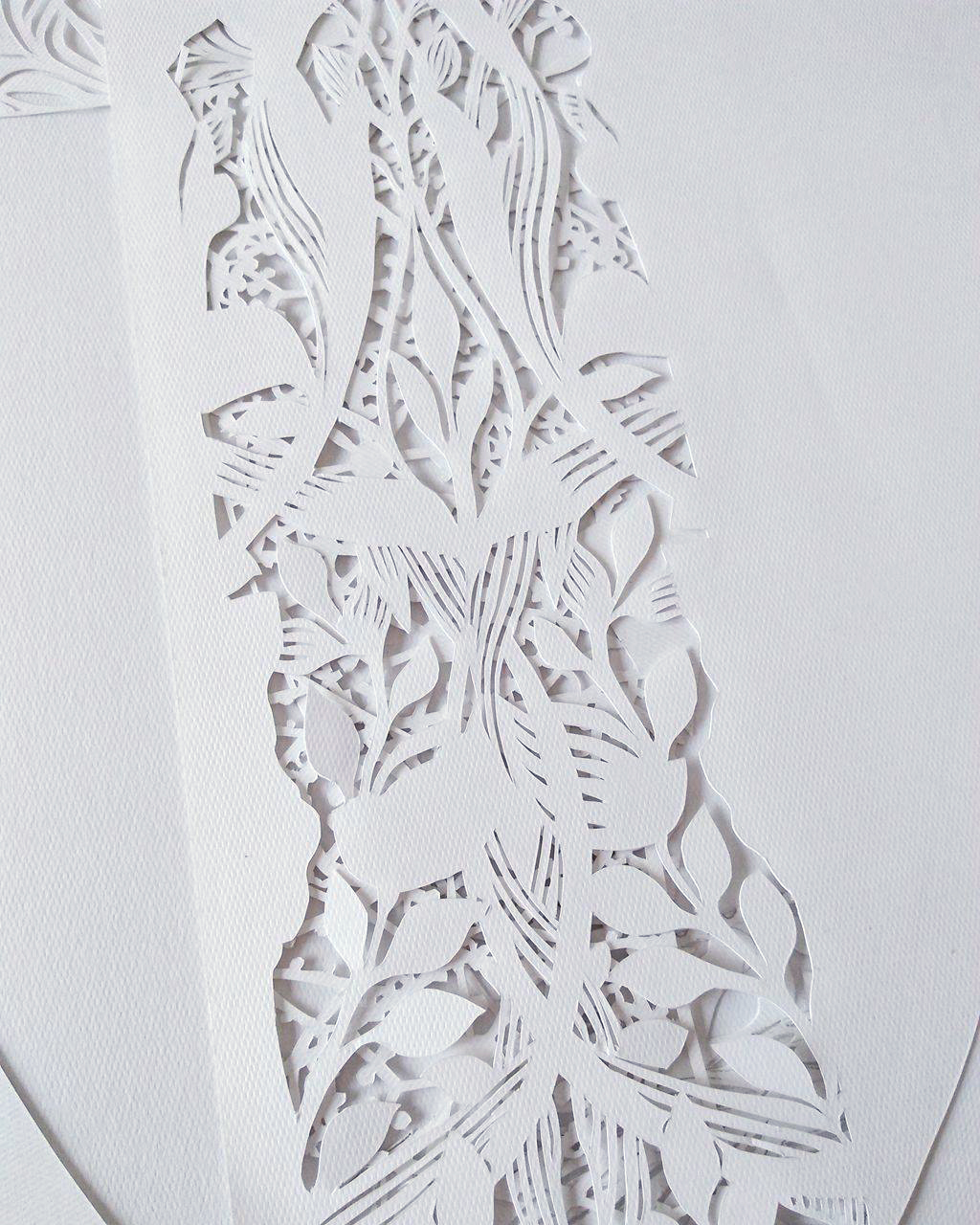
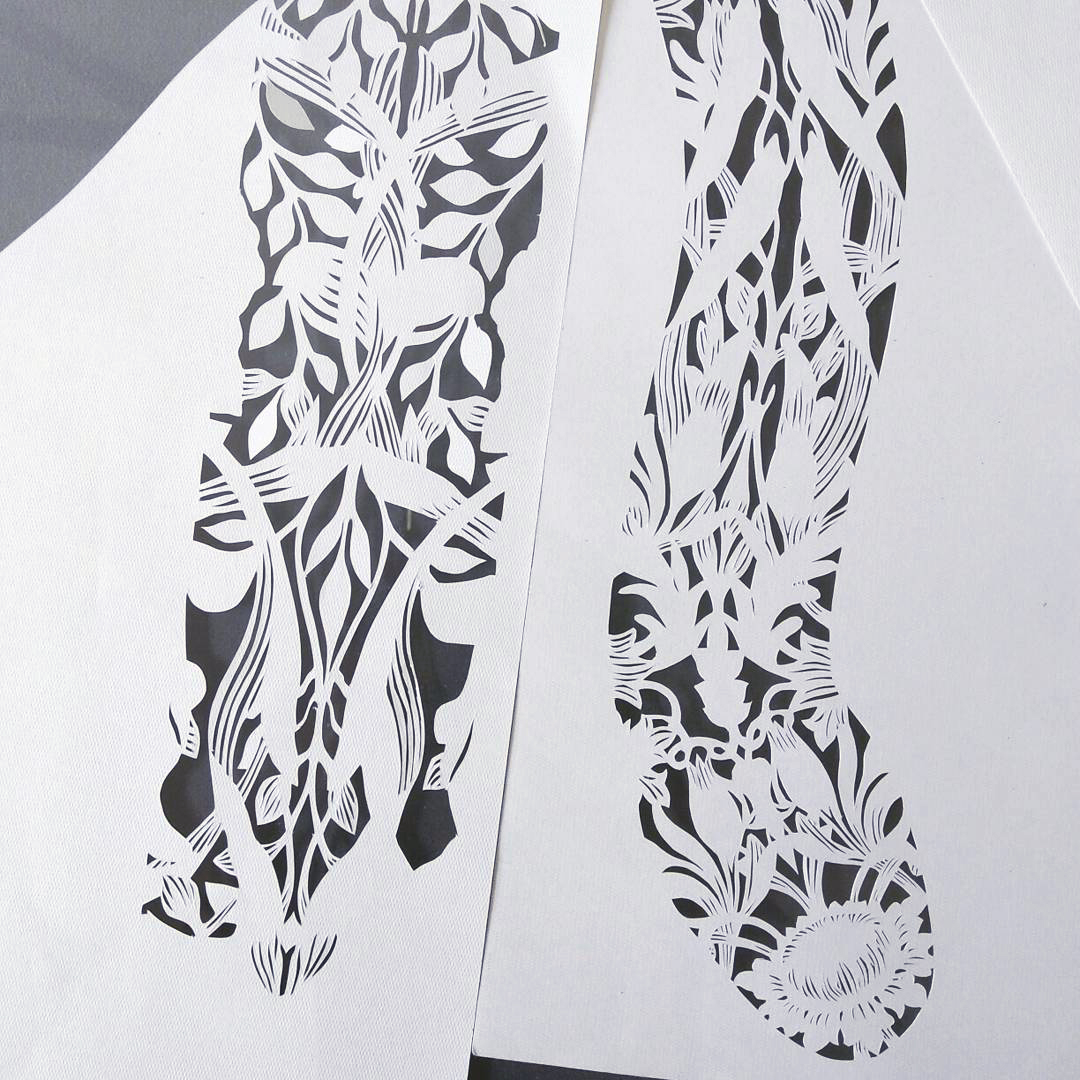
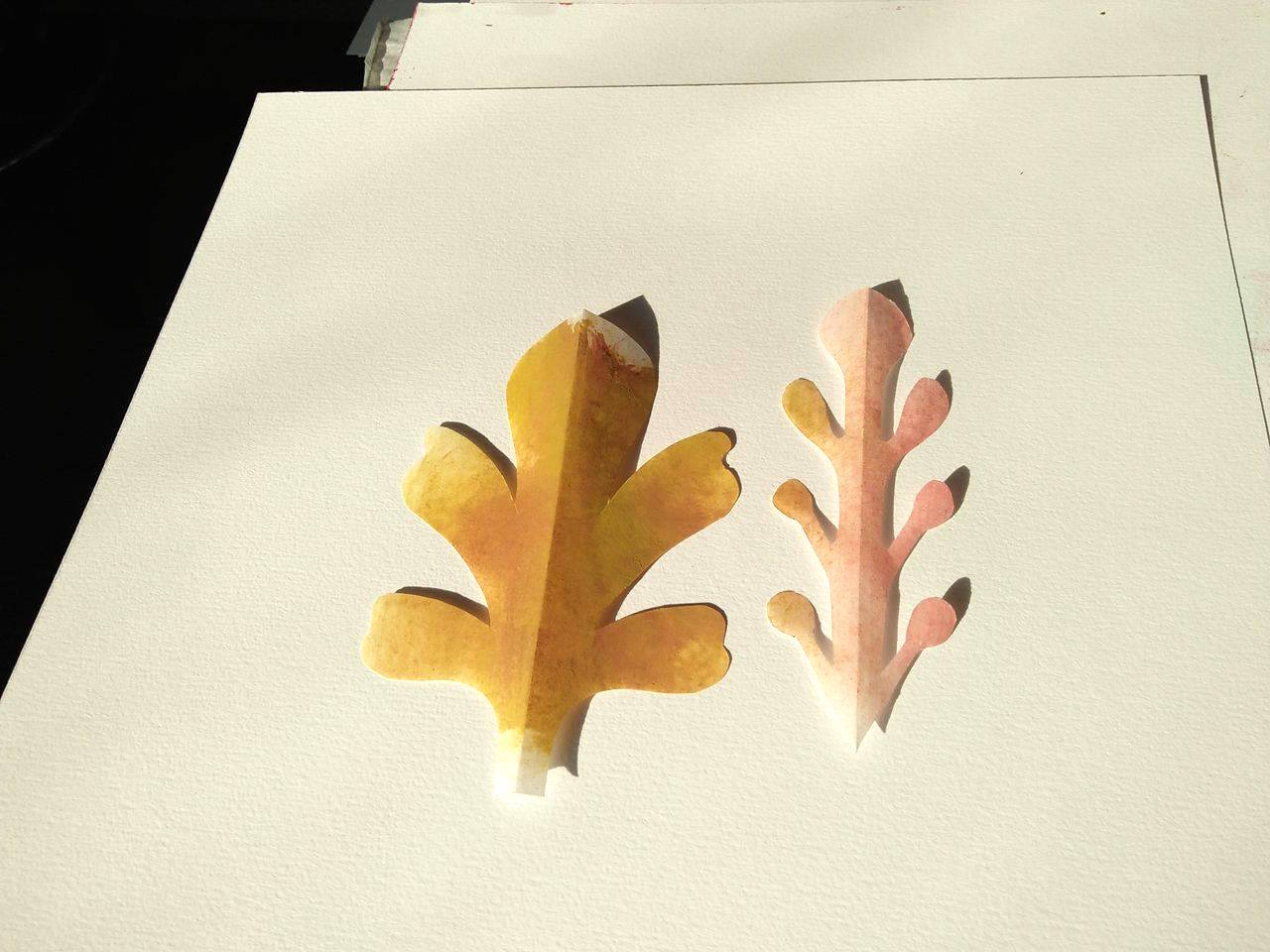
สำหรับผลงานส่วนตัว พี่บัวมักสร้างงานตัดเส้นละเอียดยิบจากรูปทรงธรรมชาติและนำมาคอลลาจเข้ากับภาพวินเทจที่เธอสะสมเอาไว้ กลายเป็นงานแปลกตาที่พิเศษ(และวิเศษ)มากสำหรับฉัน (ลองเข้าไปชมผลงาน La famille ของเธอได้ที่นี่ และชมโปรเจคการตัดเฟิร์นจิ๋วที่น่าทึ่งได้ที่นี่ )
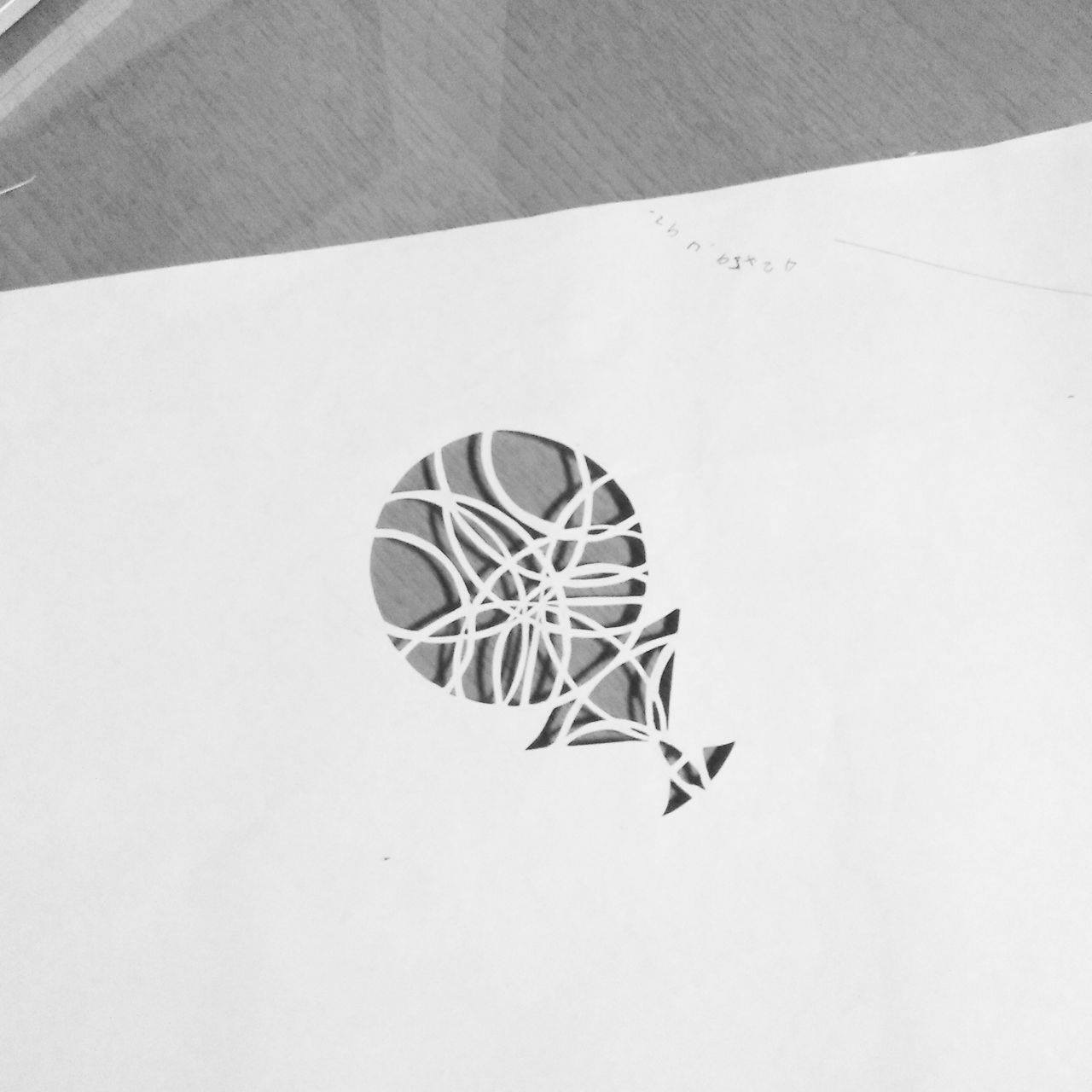
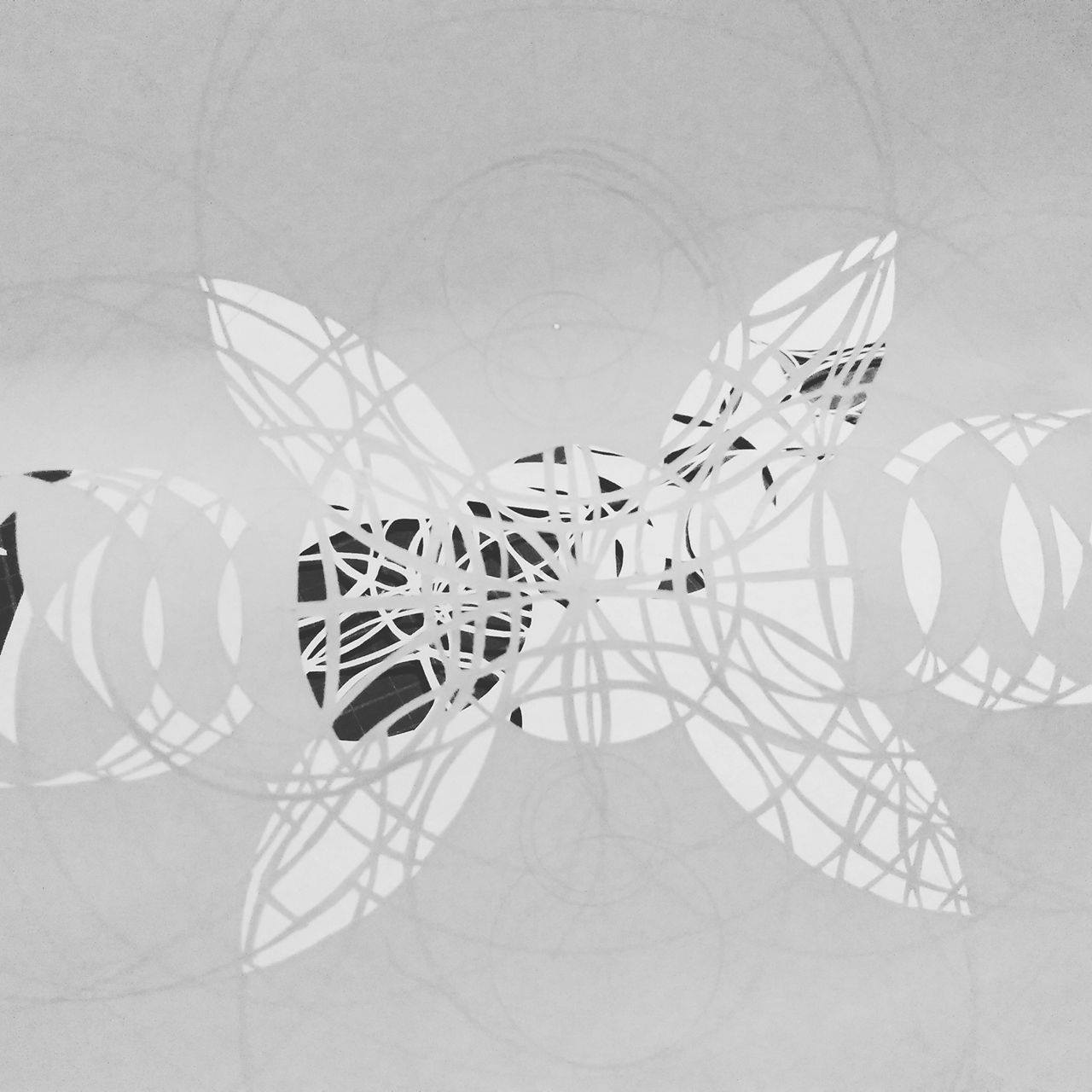
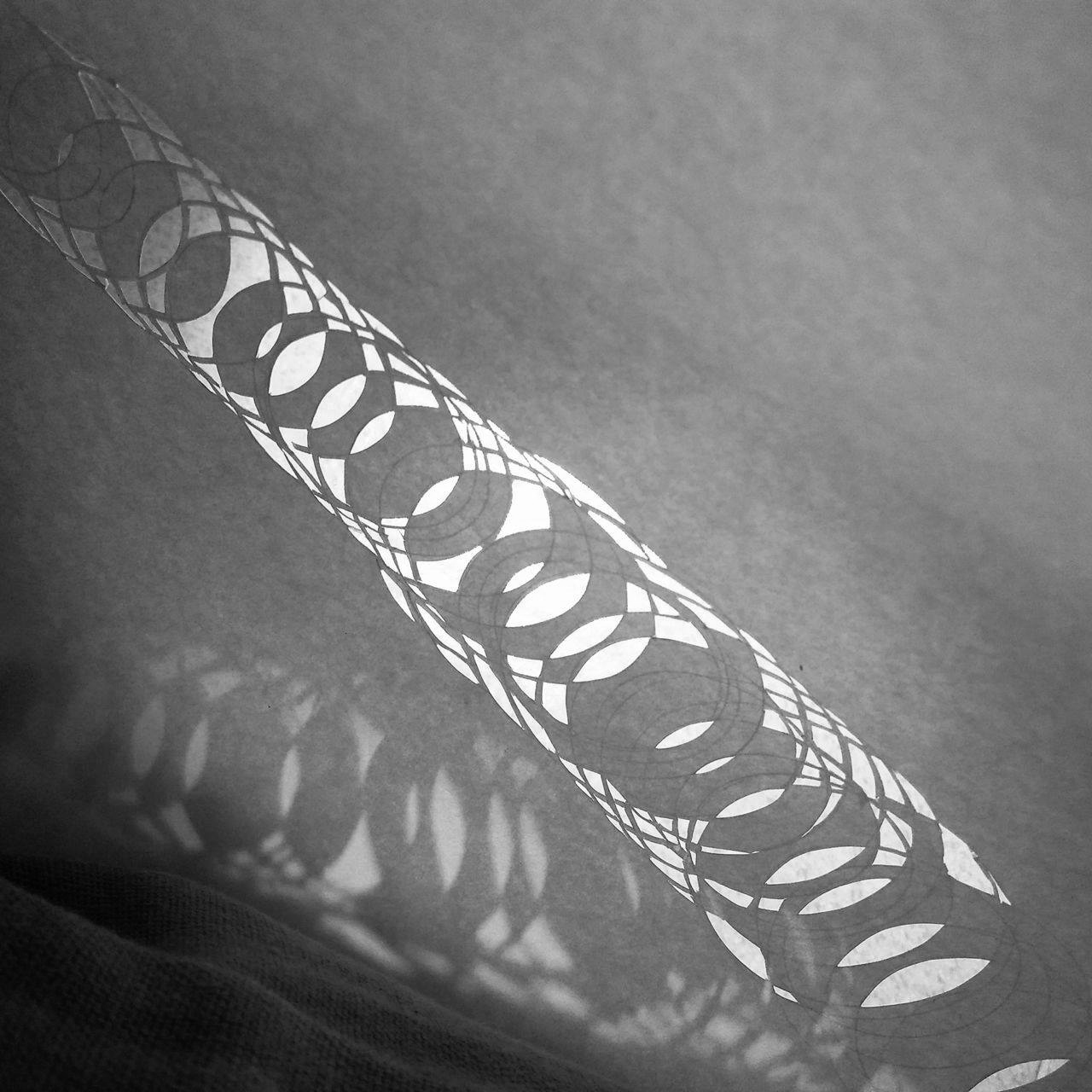
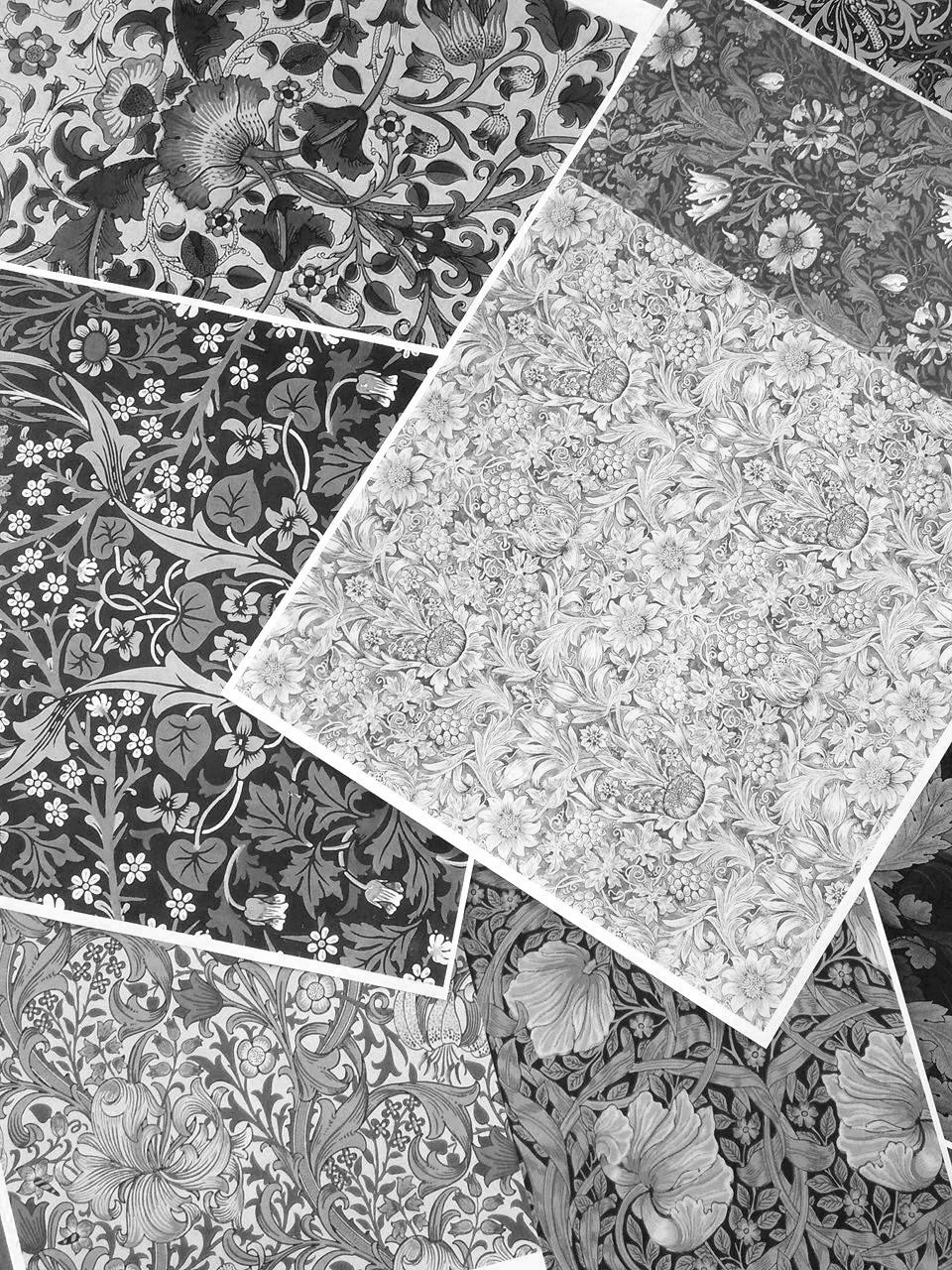
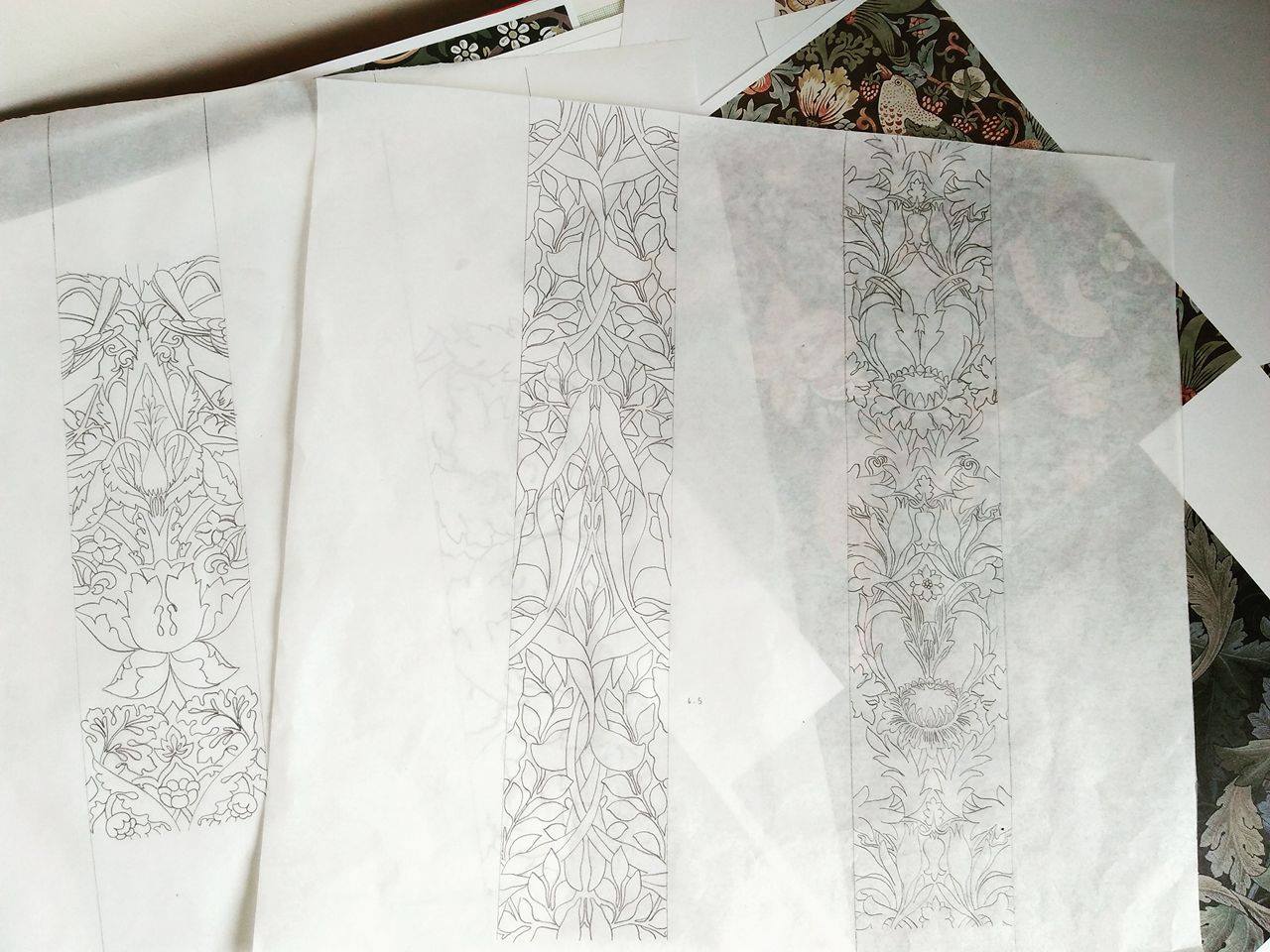
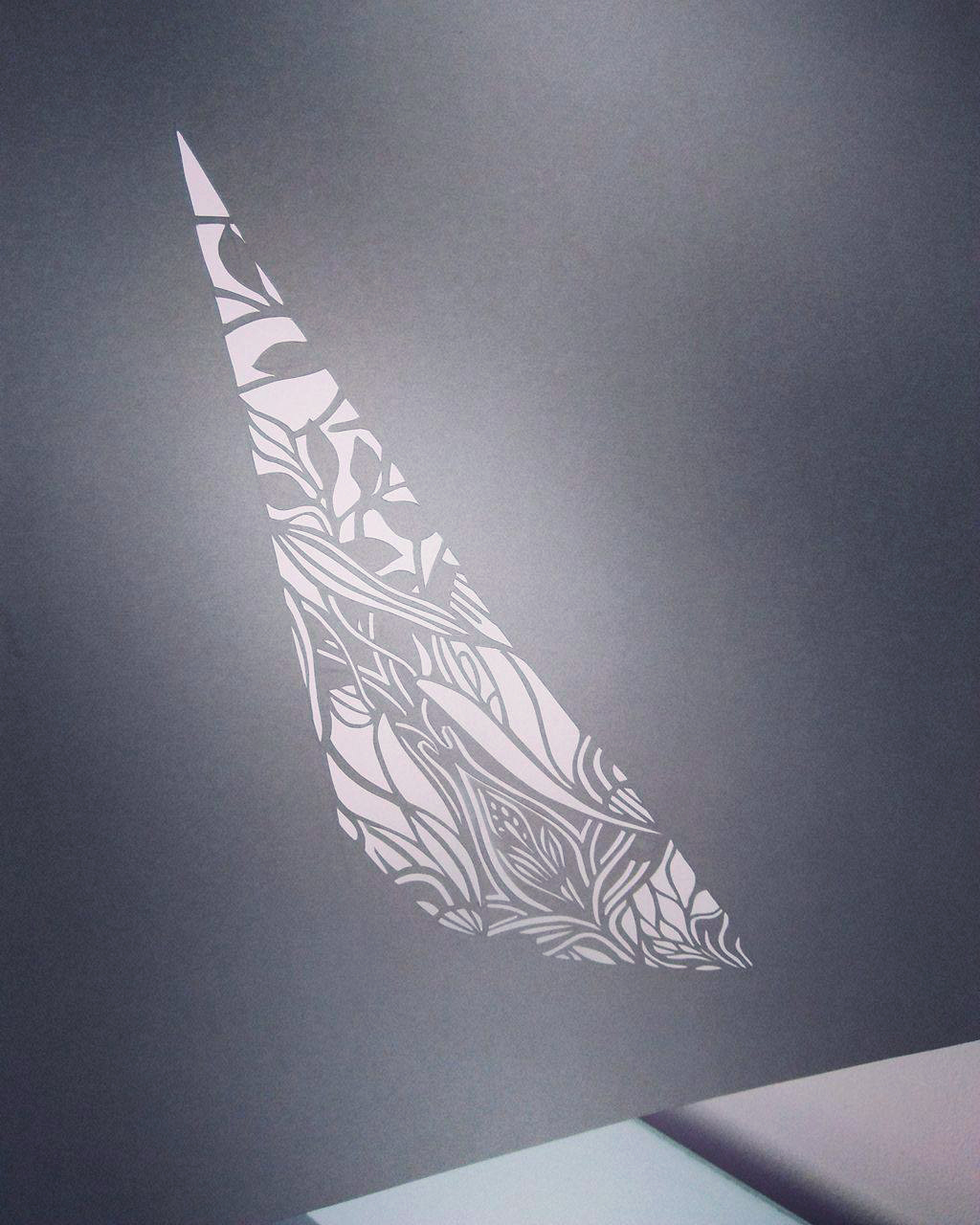
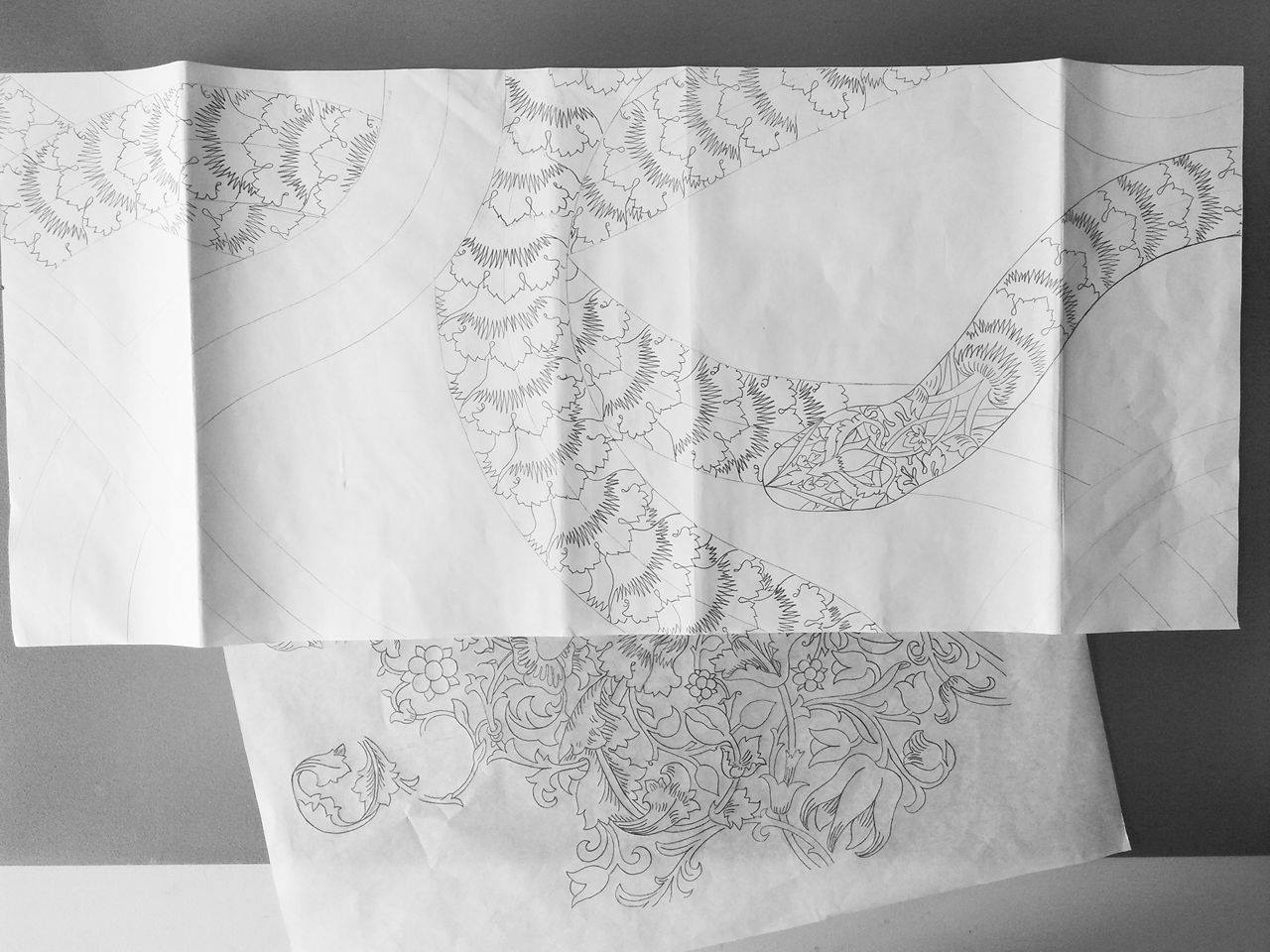
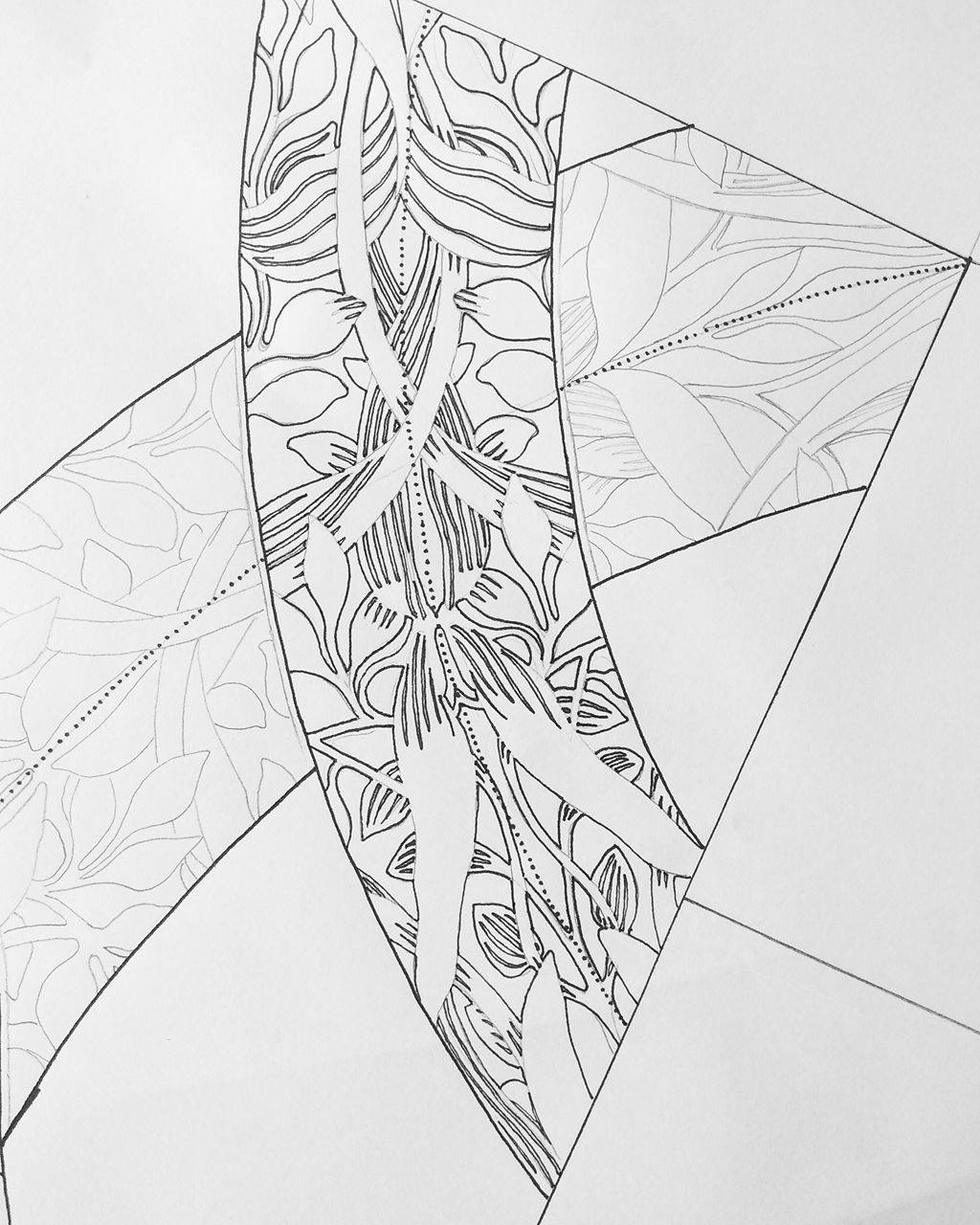
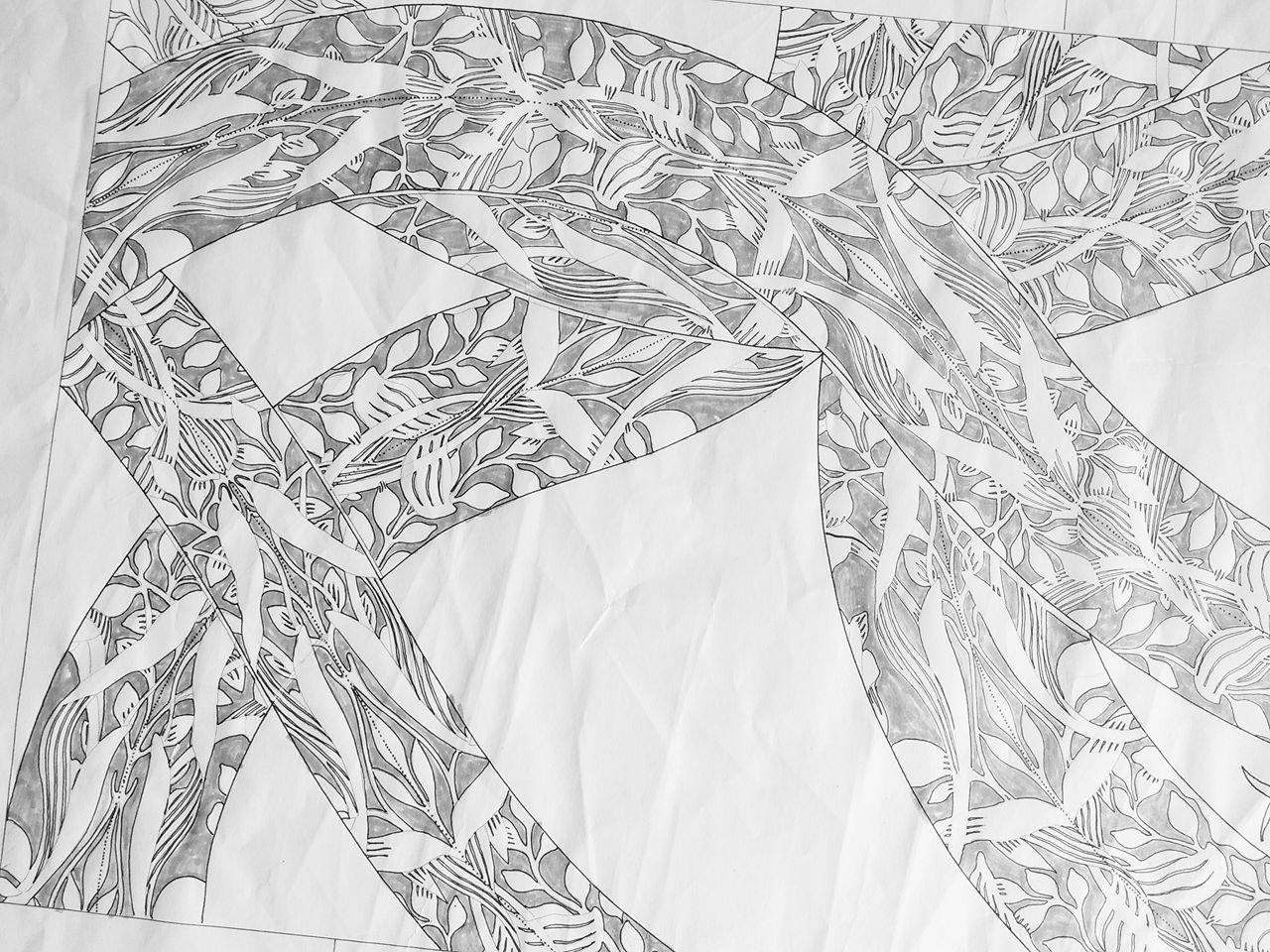
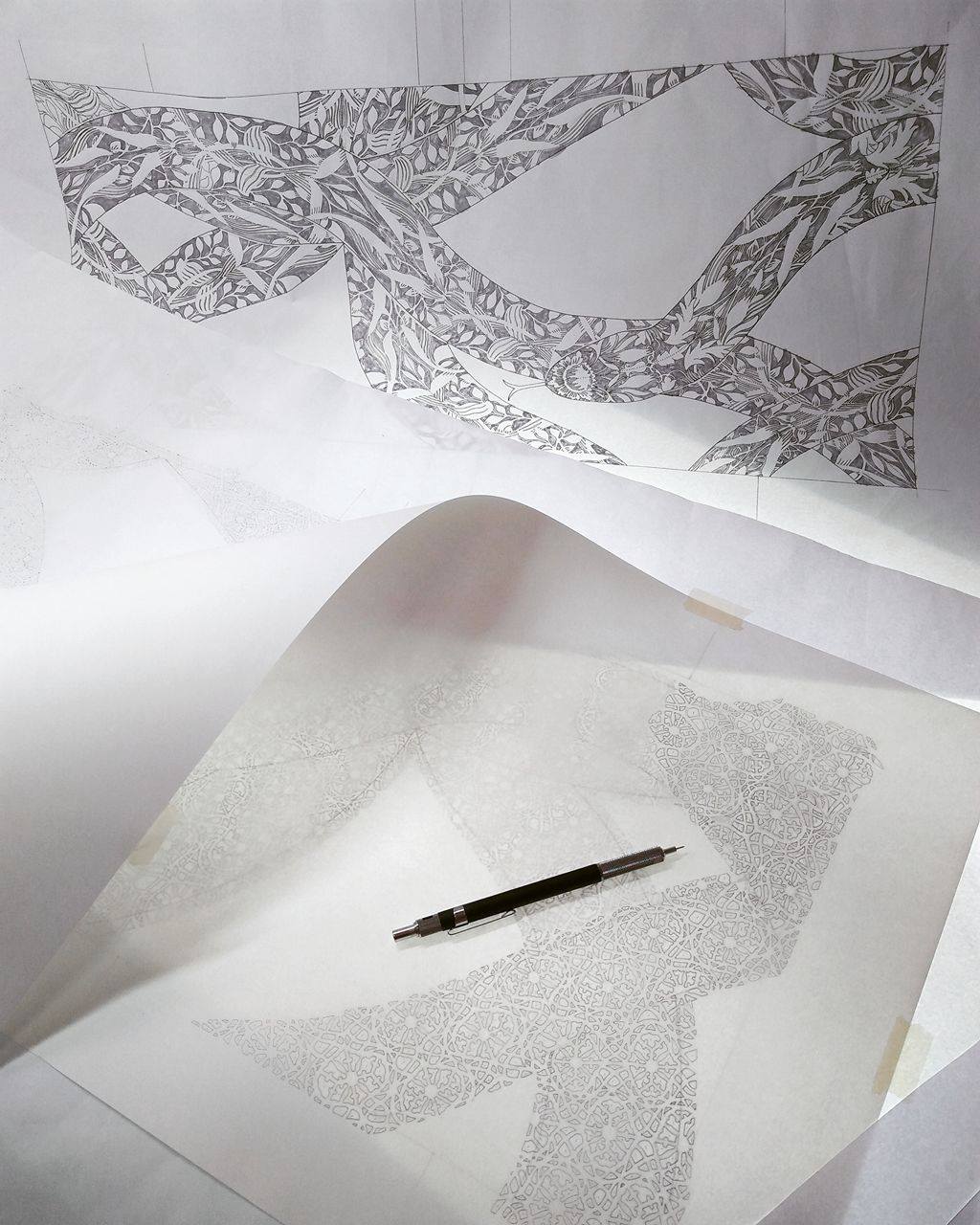
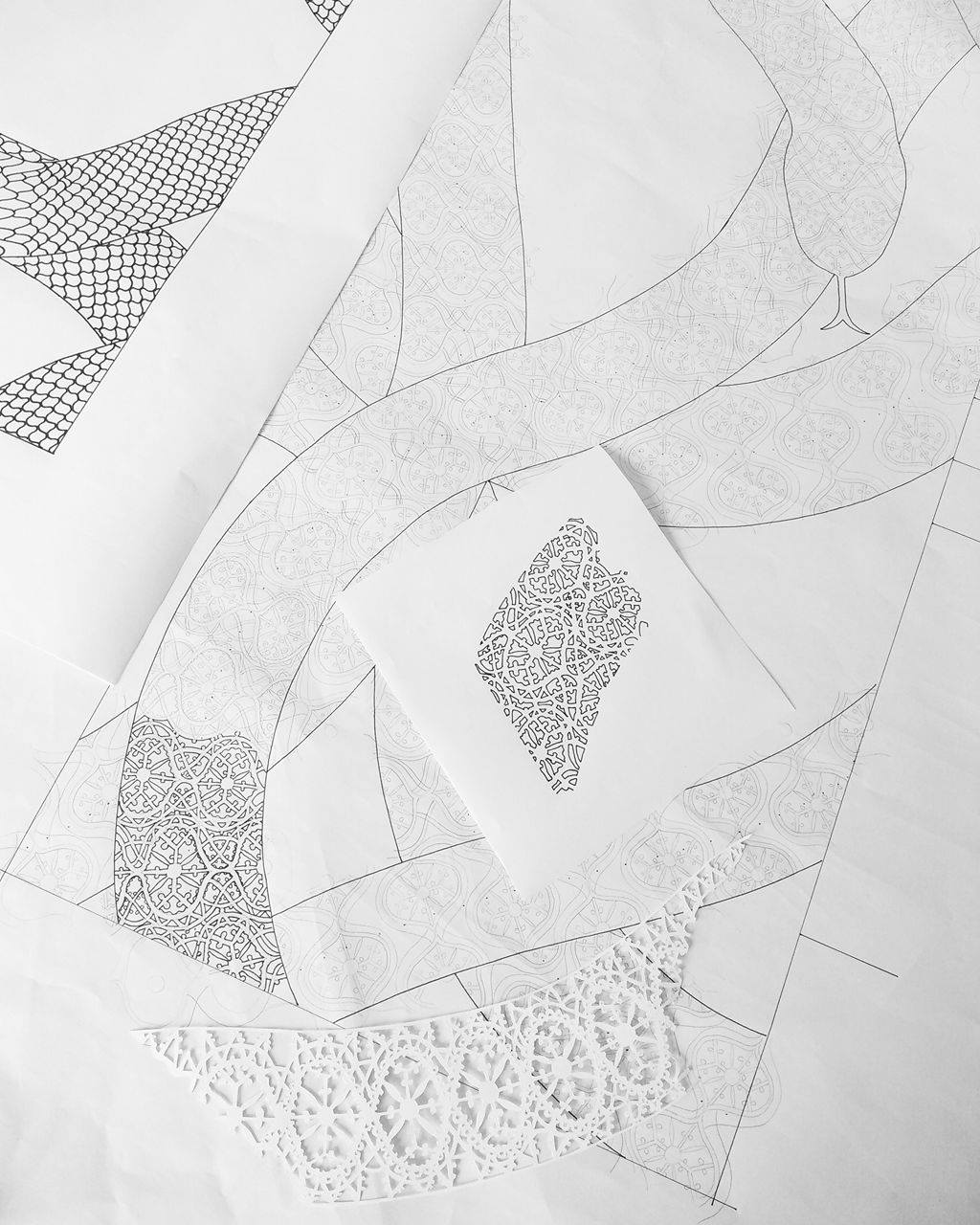
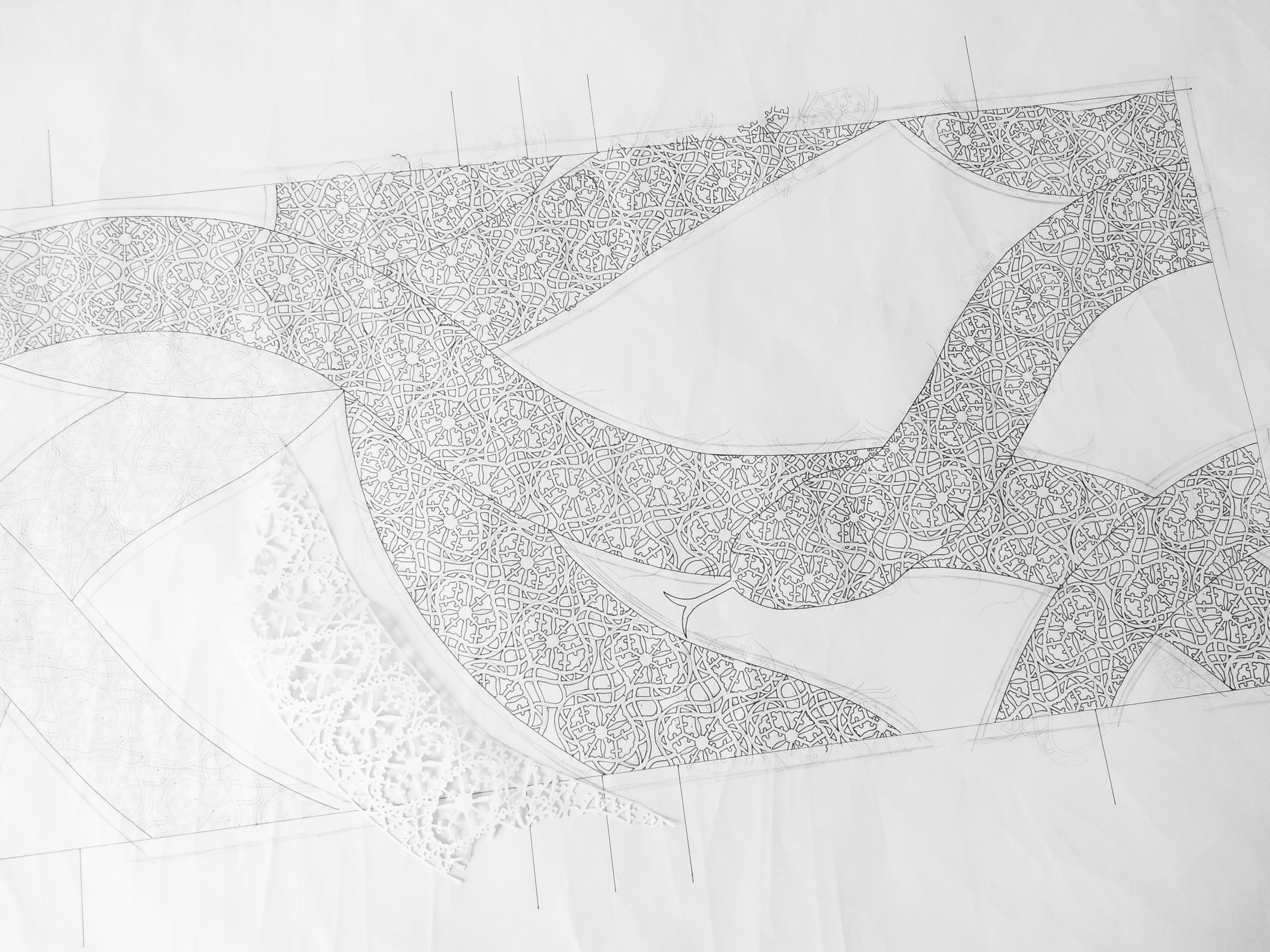
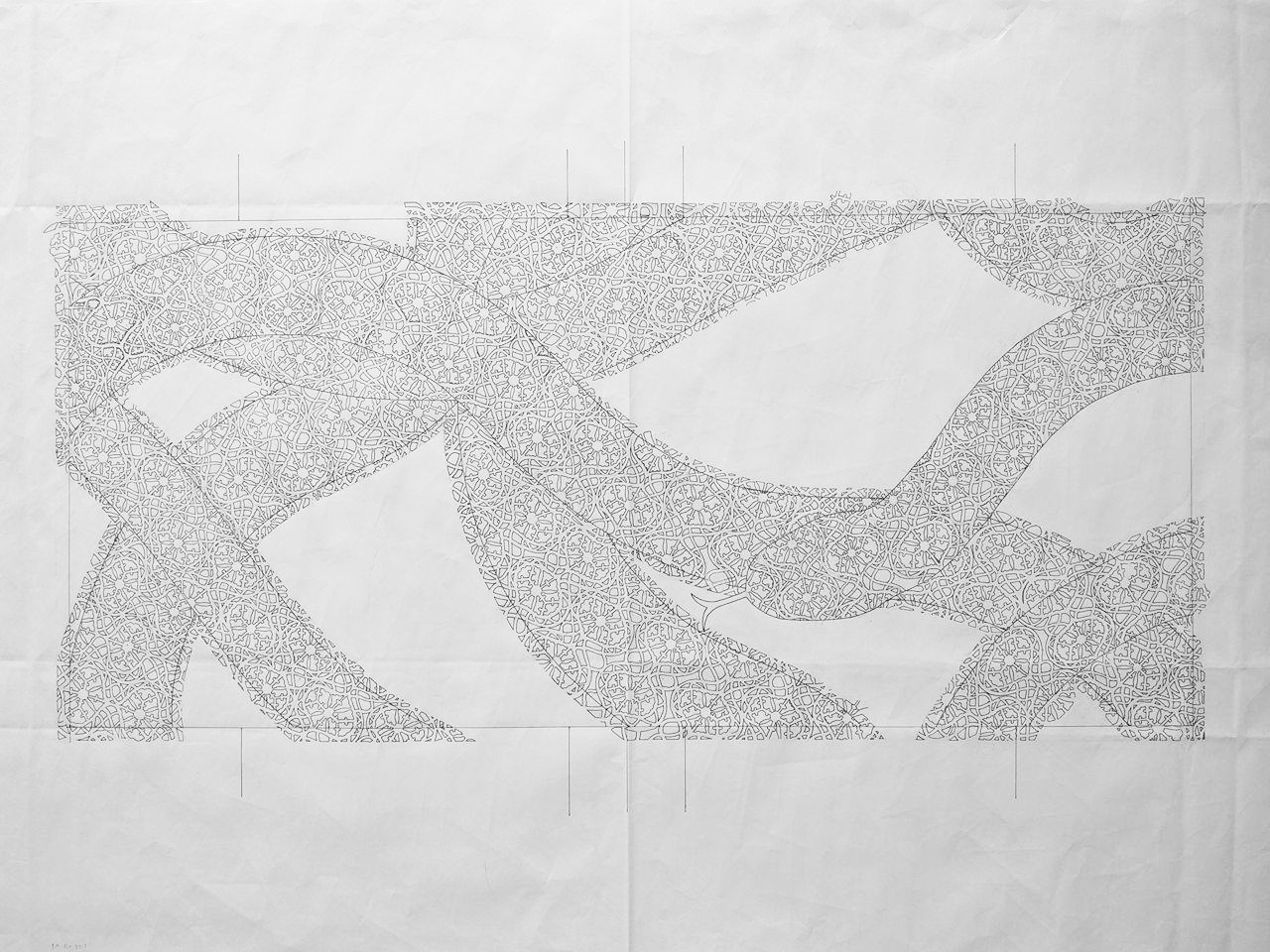
ลายของวิลเลียม มอร์ริส ซึ่งเป็น Organic Form มากๆ จำต้องมีตัวเบรกอย่างลูกไม้จาก Bedfordshire-Bedfordshire เป็นเมืองทางตะวันออกของอังกฤษ ขึ้นชื่อเรื่องลูกไม้มาตั้งแต่ปลายศตวรรษที่ 17 ลายที่ฉันทดลองตัดเป็นลายจากหนังสือ Bedfordshire Lace Patterns – A personal selection by Margaret Turner ฉันพยายามใช้ลายที่สามารถใช้ซ้ำๆ ต่อเนื่องกันในพื้นที่แคบของตัวงูได้
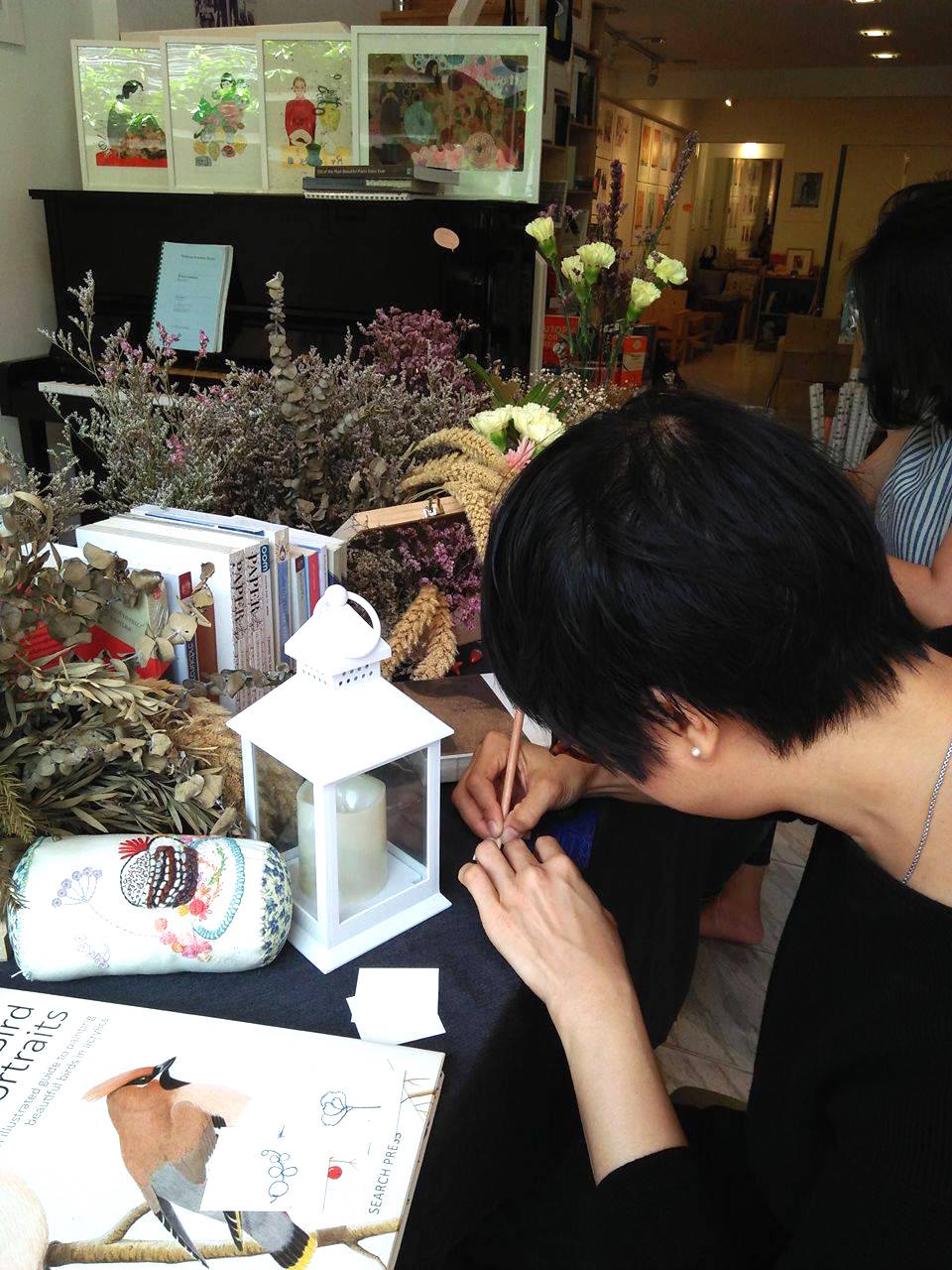
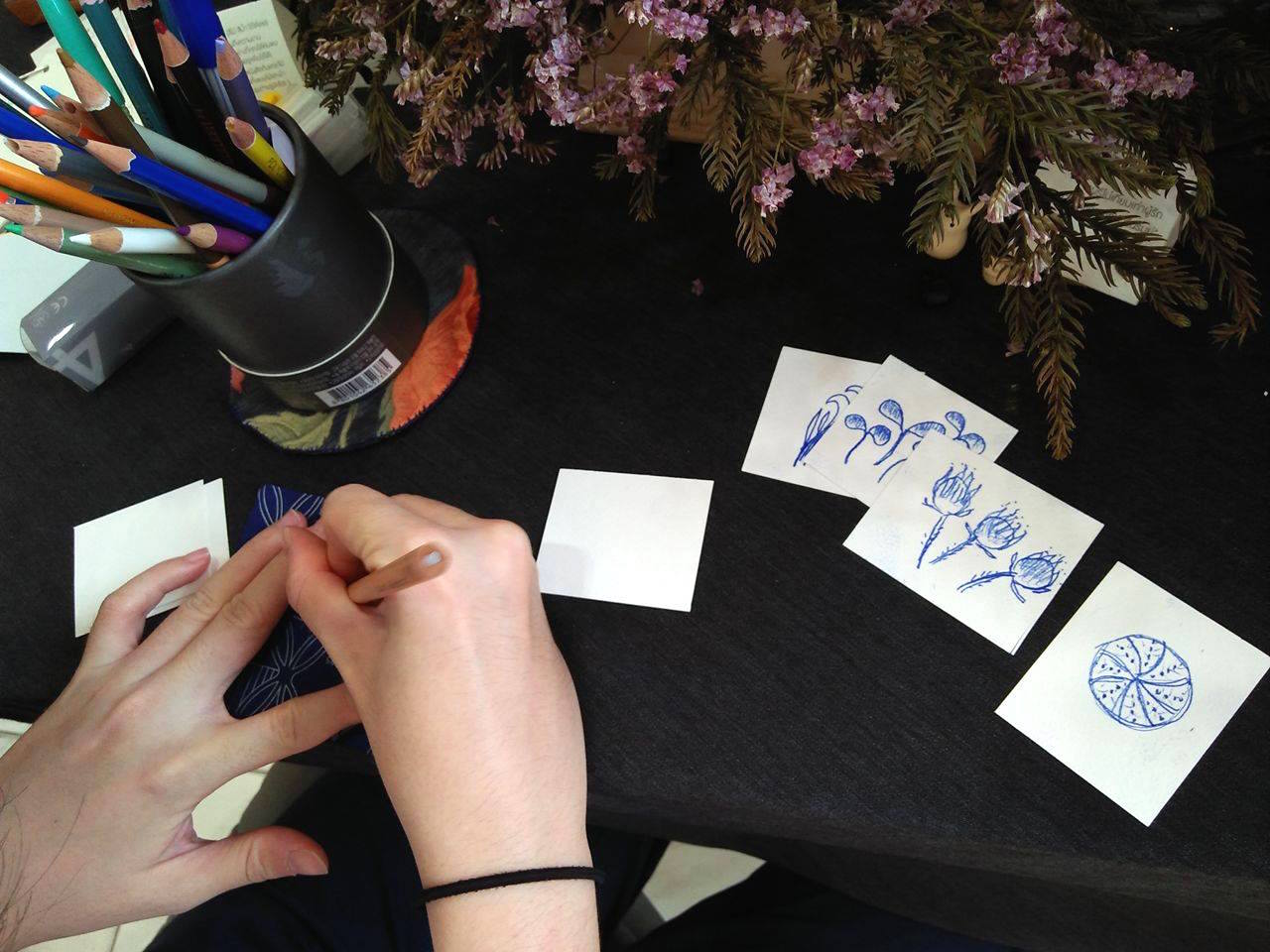
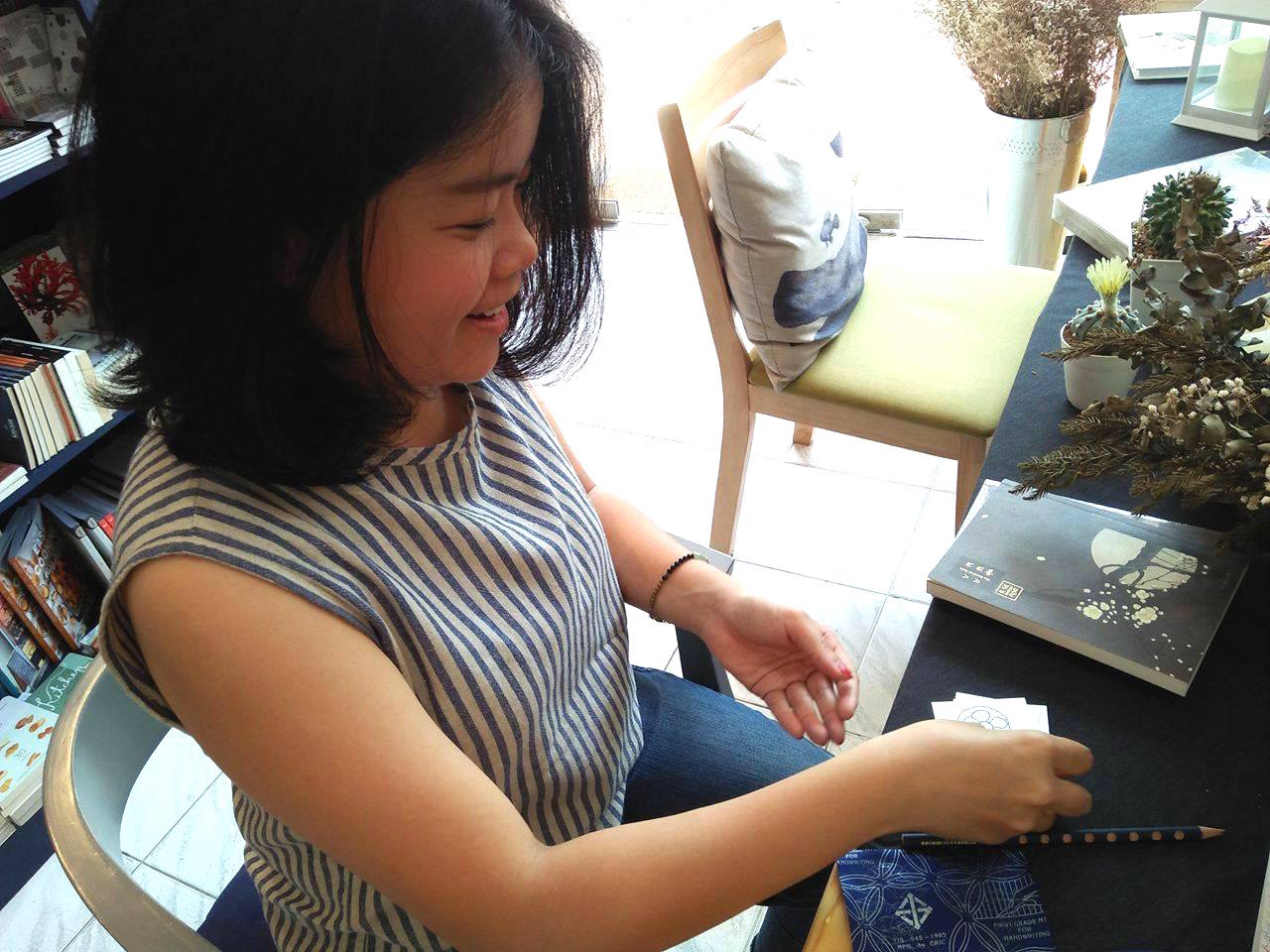
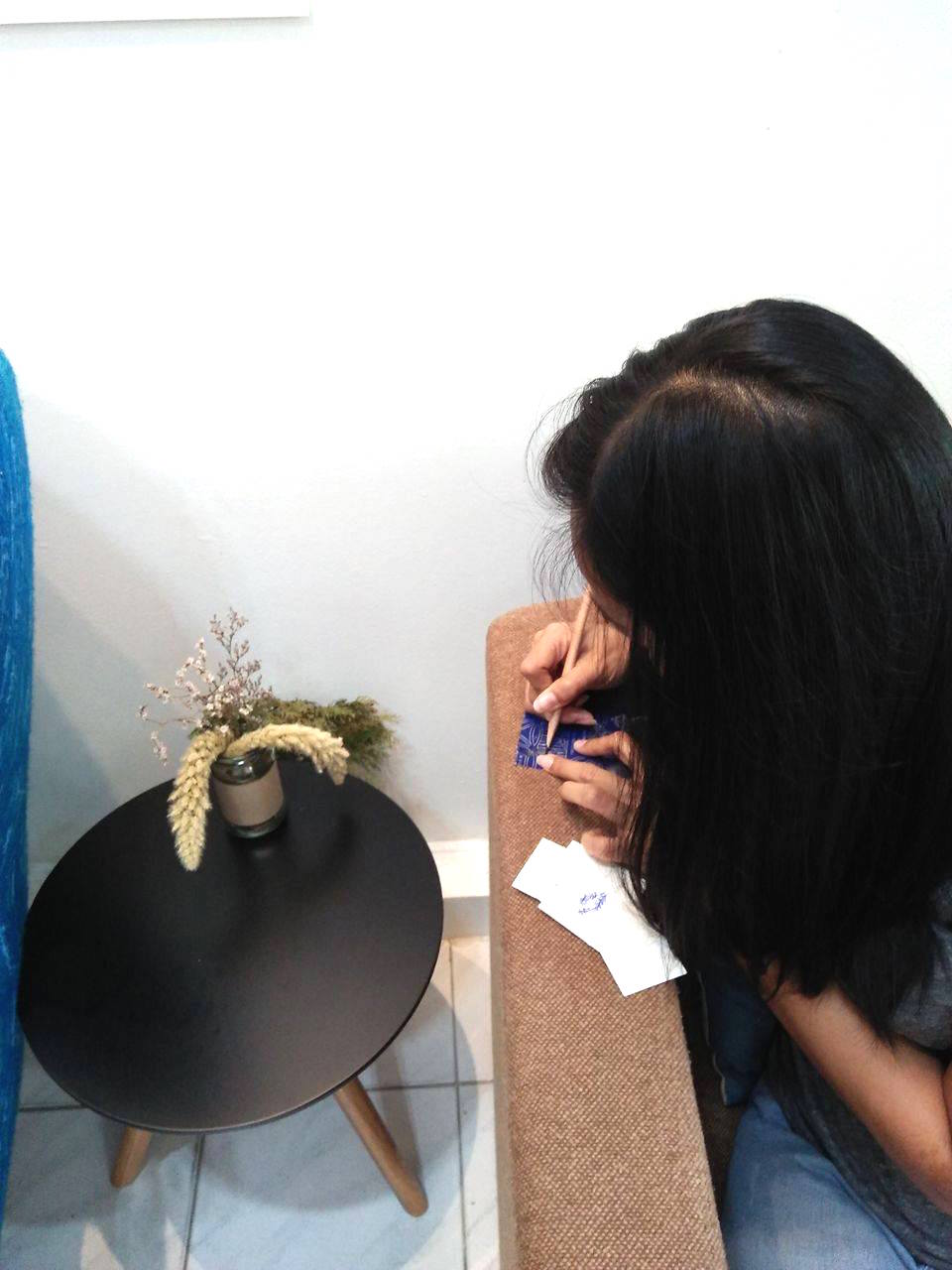
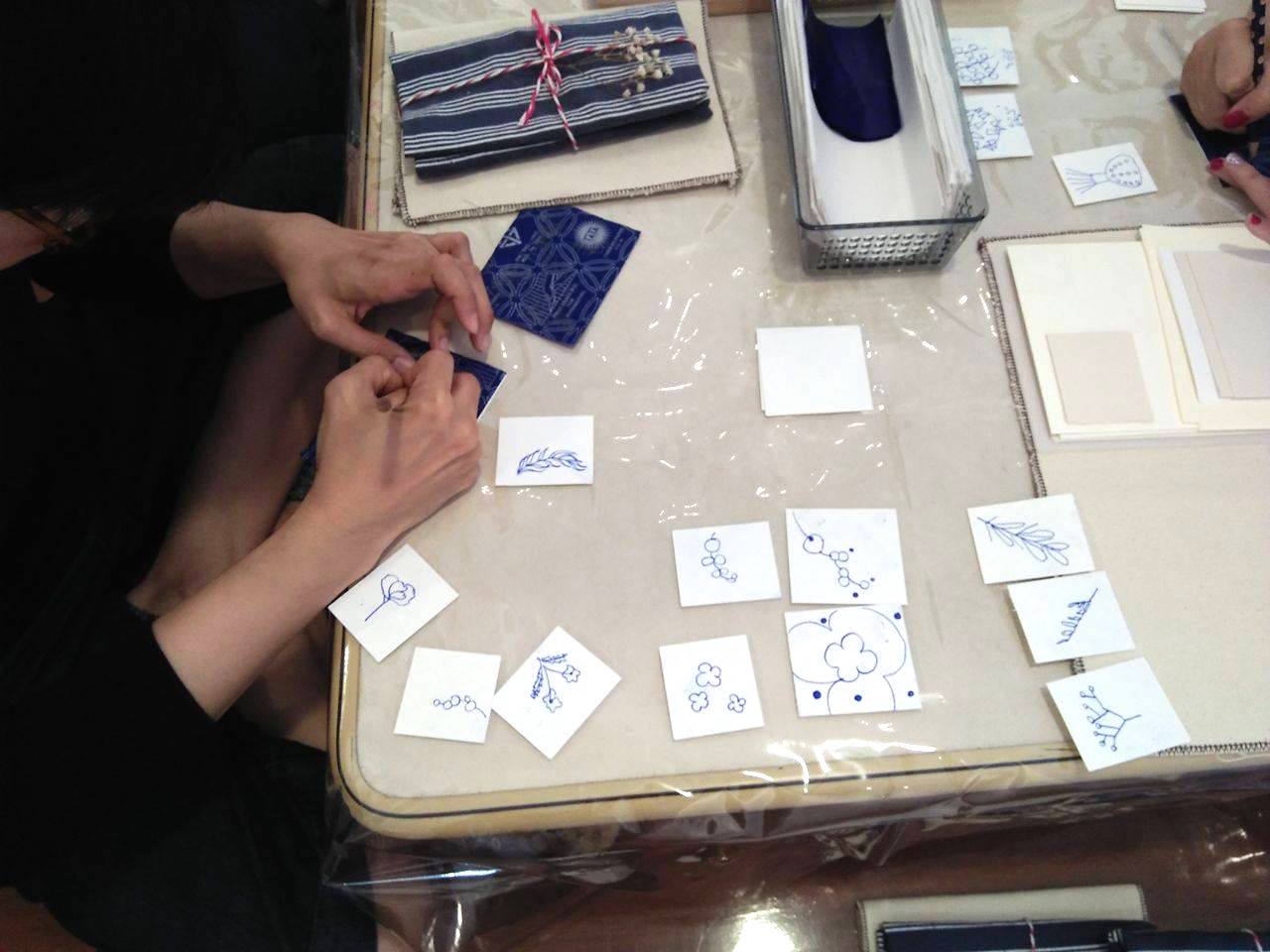
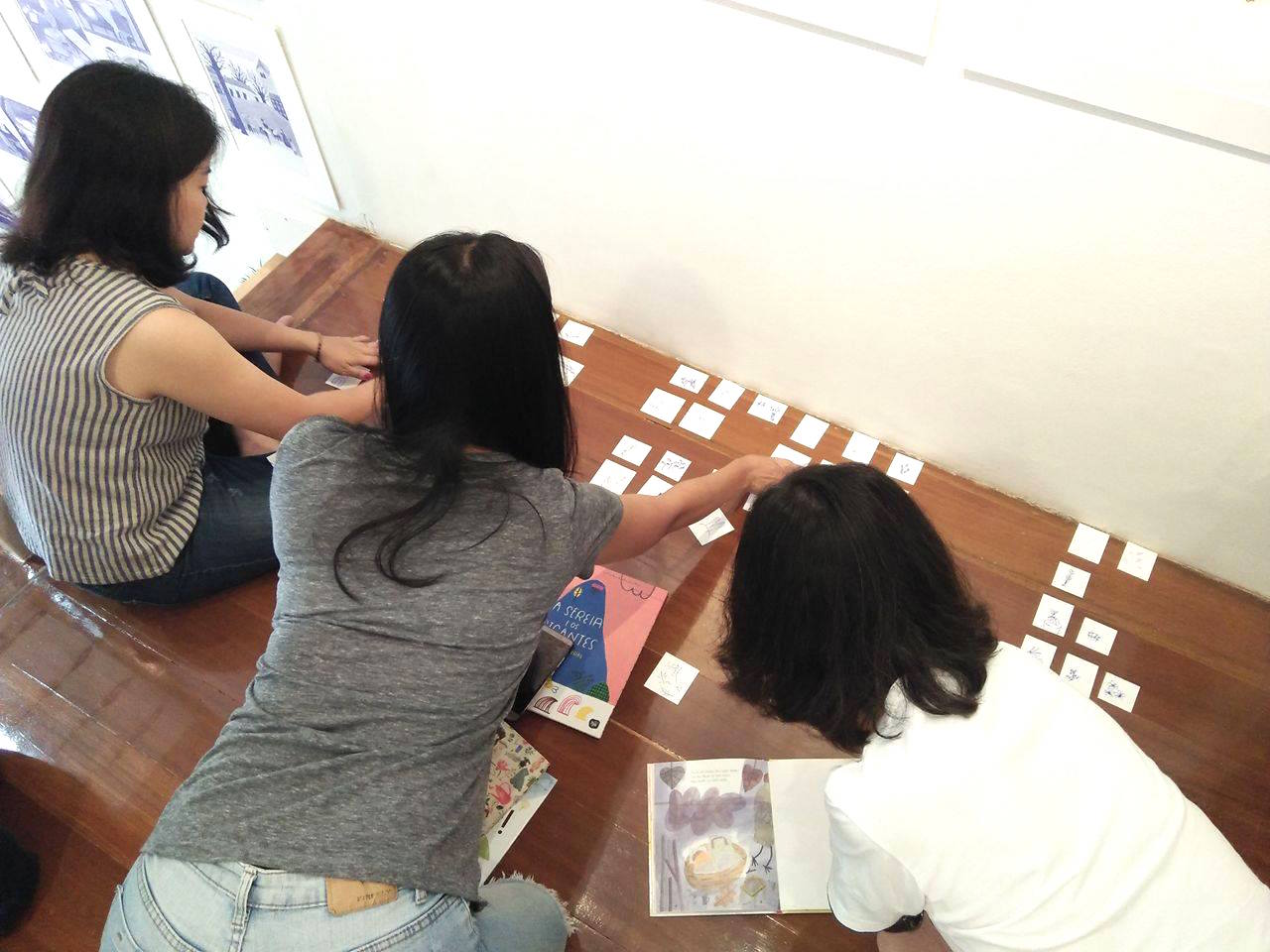
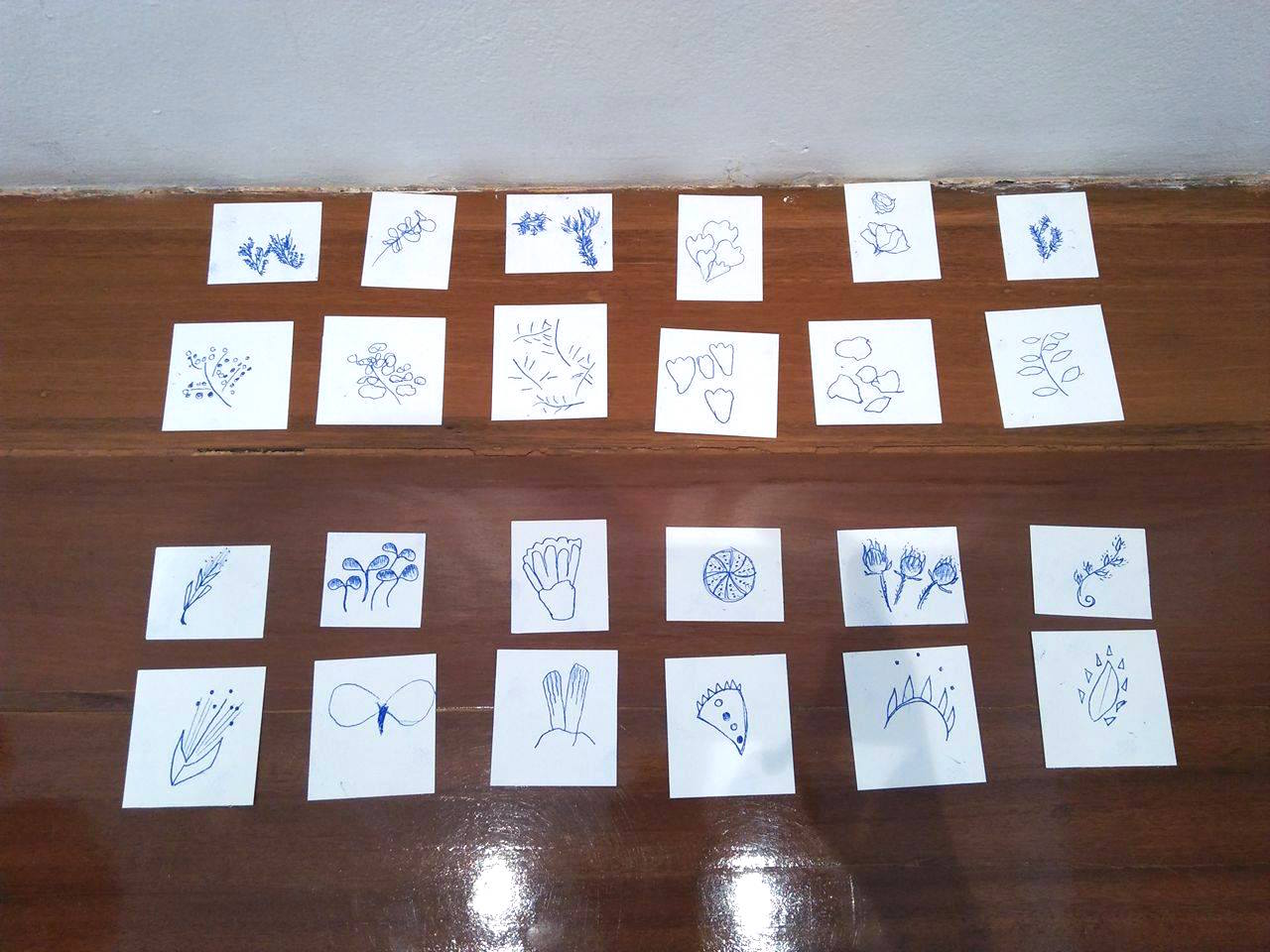
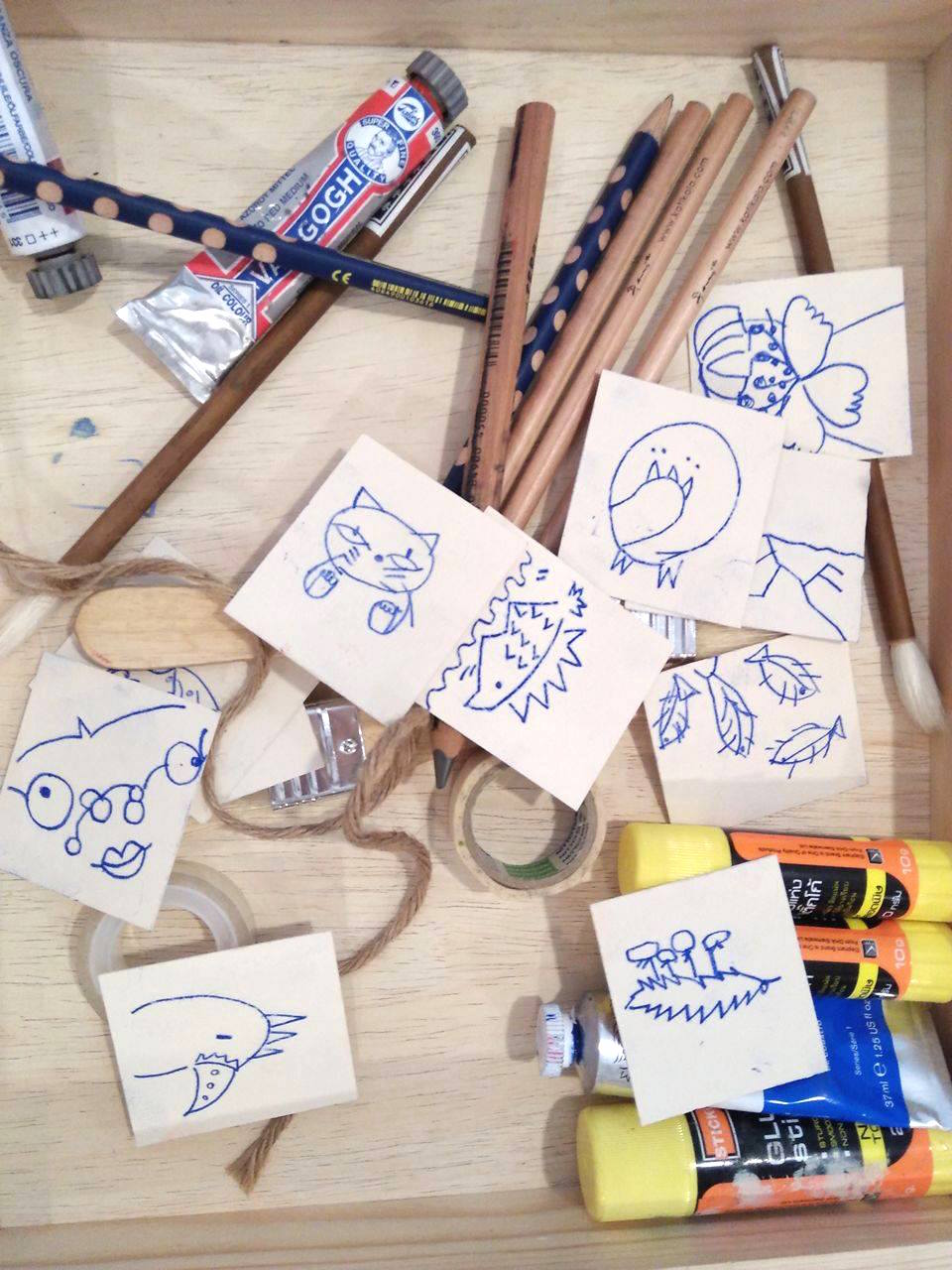
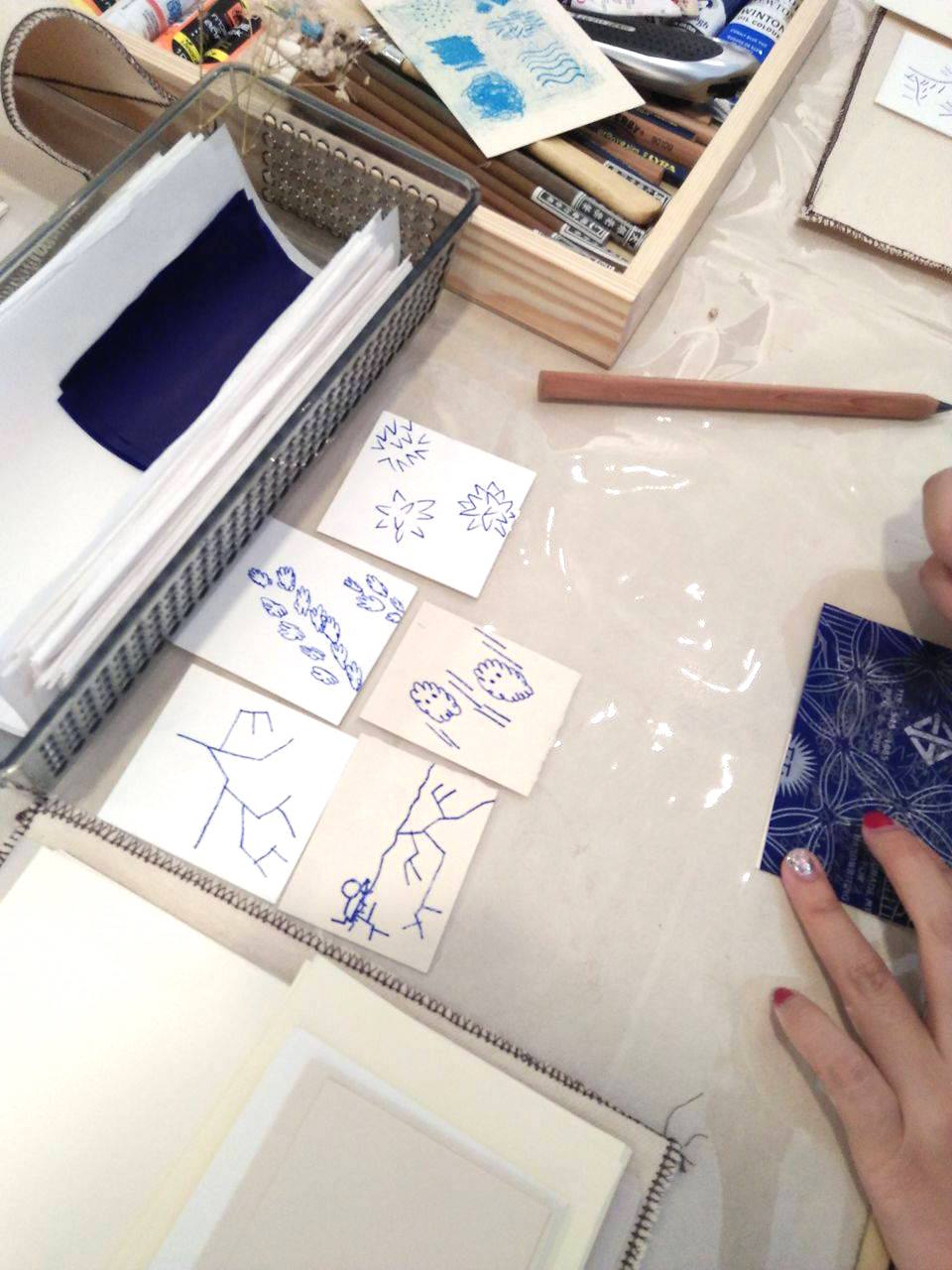
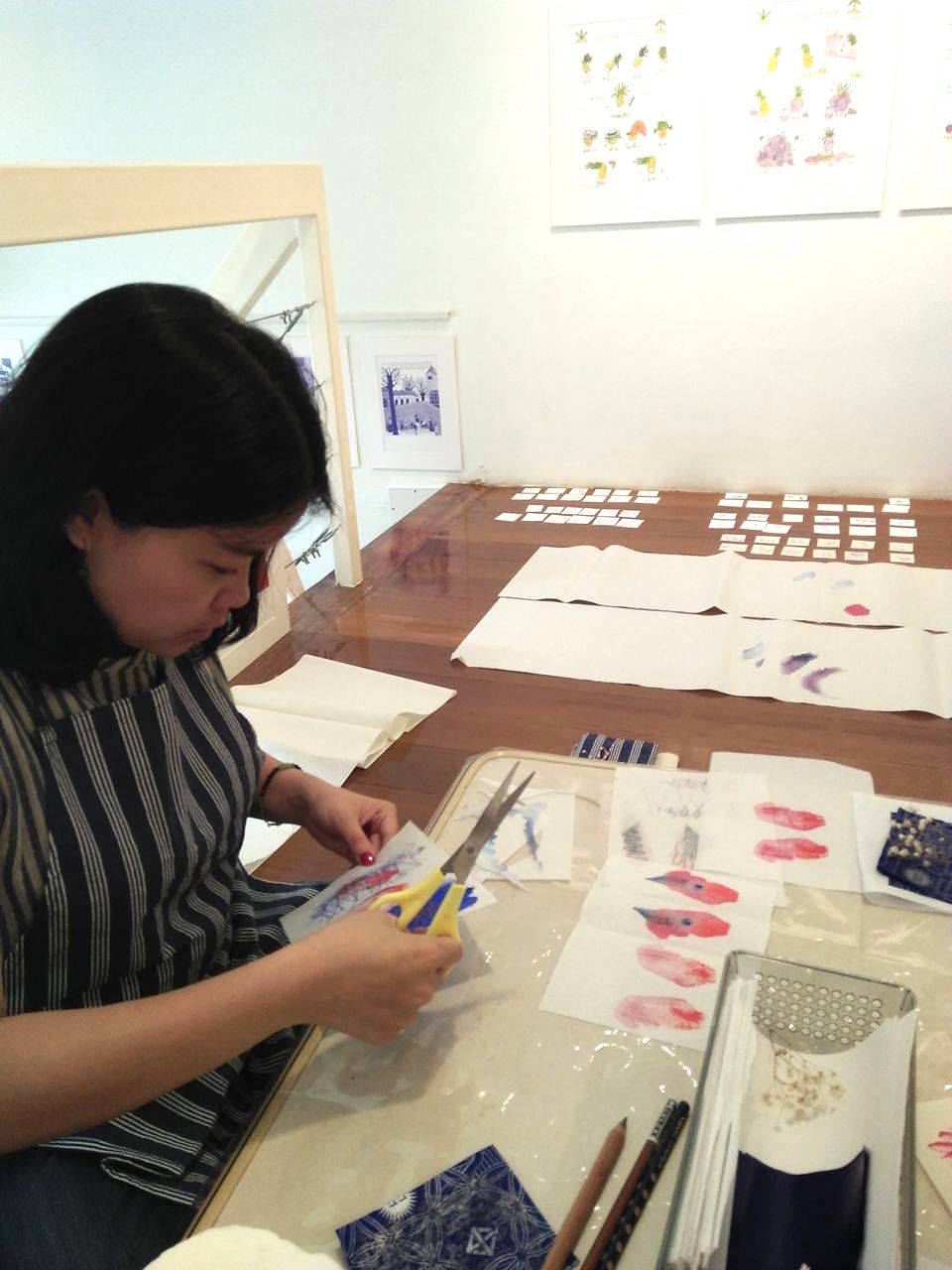
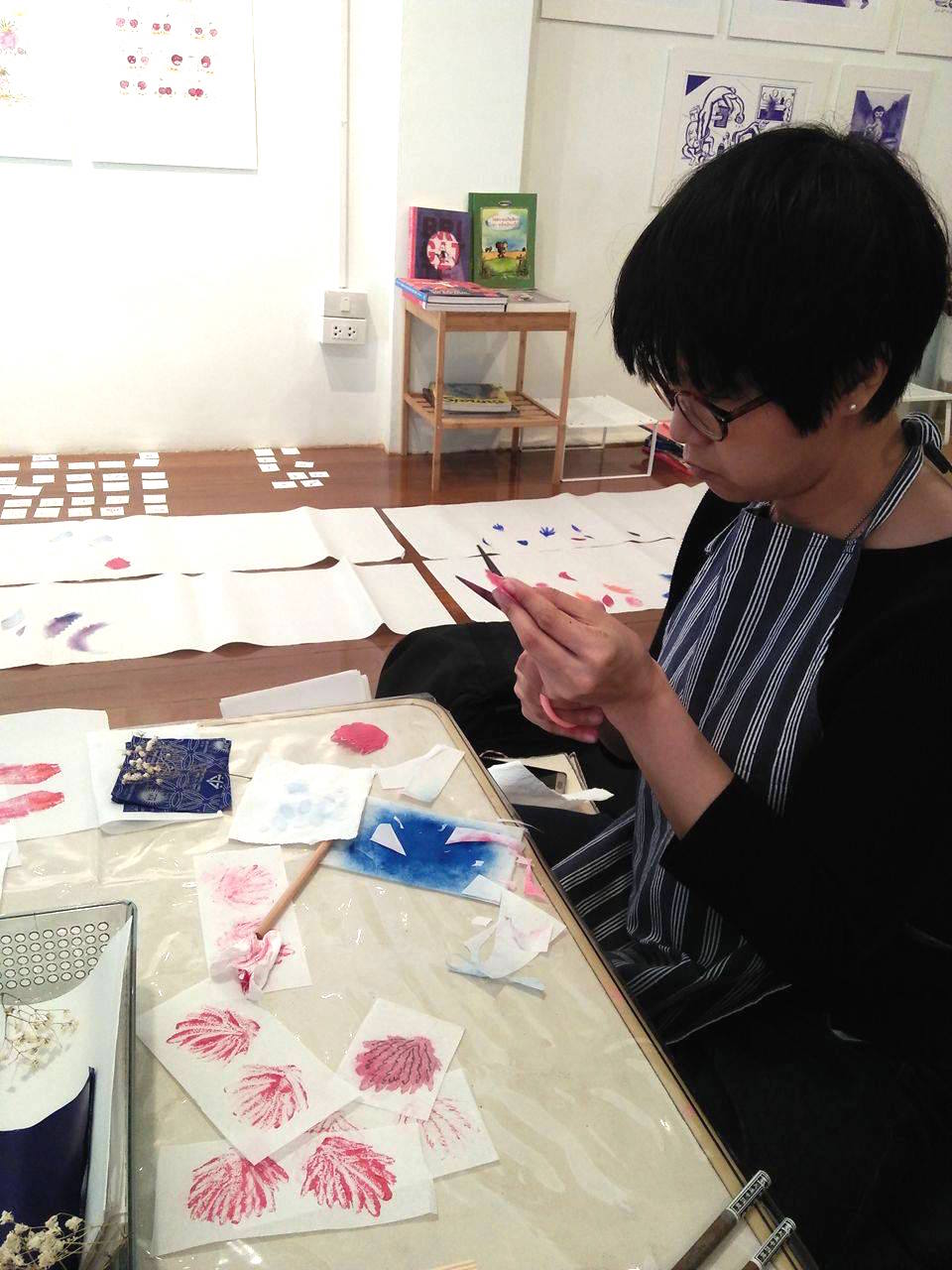
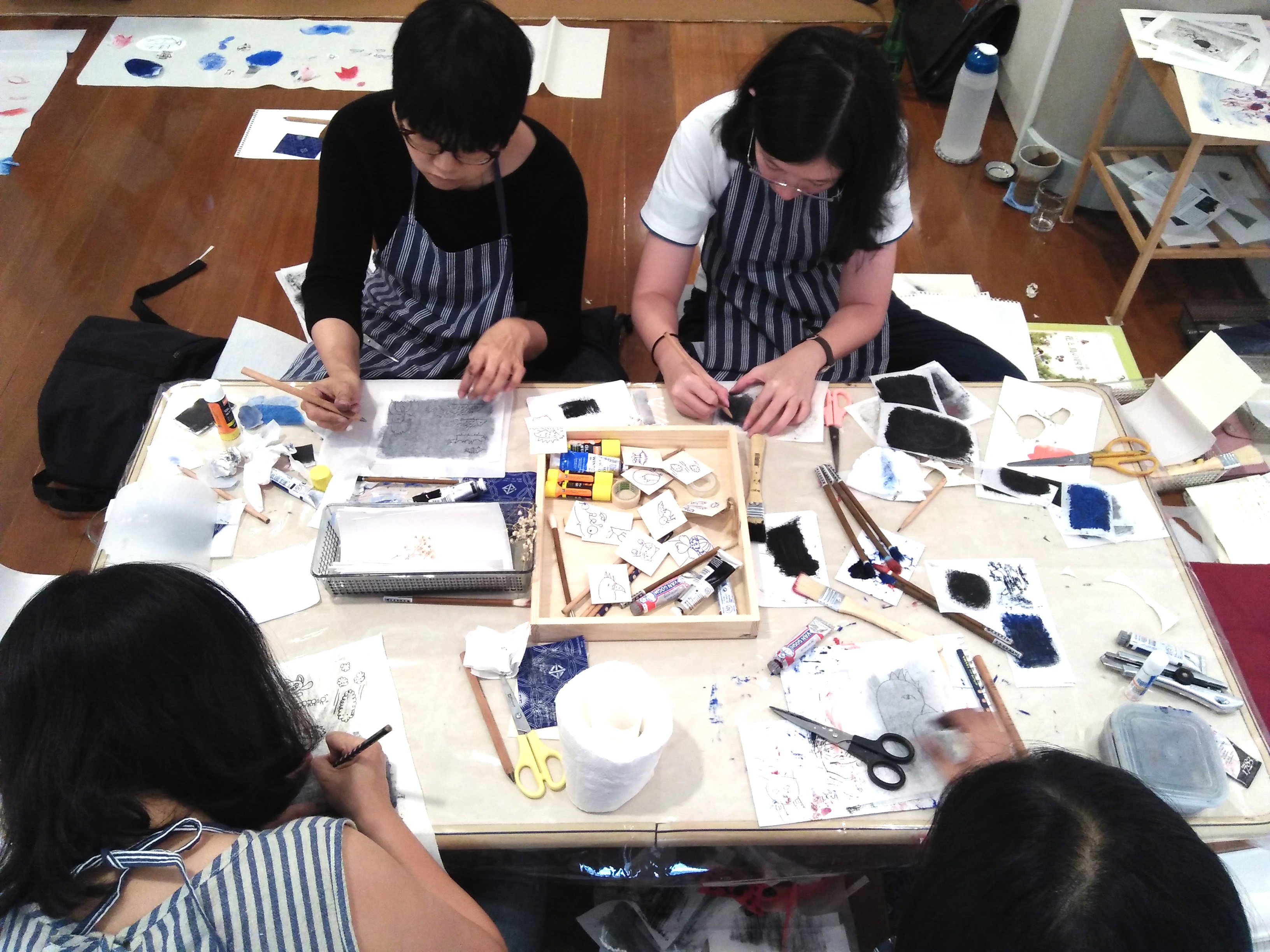
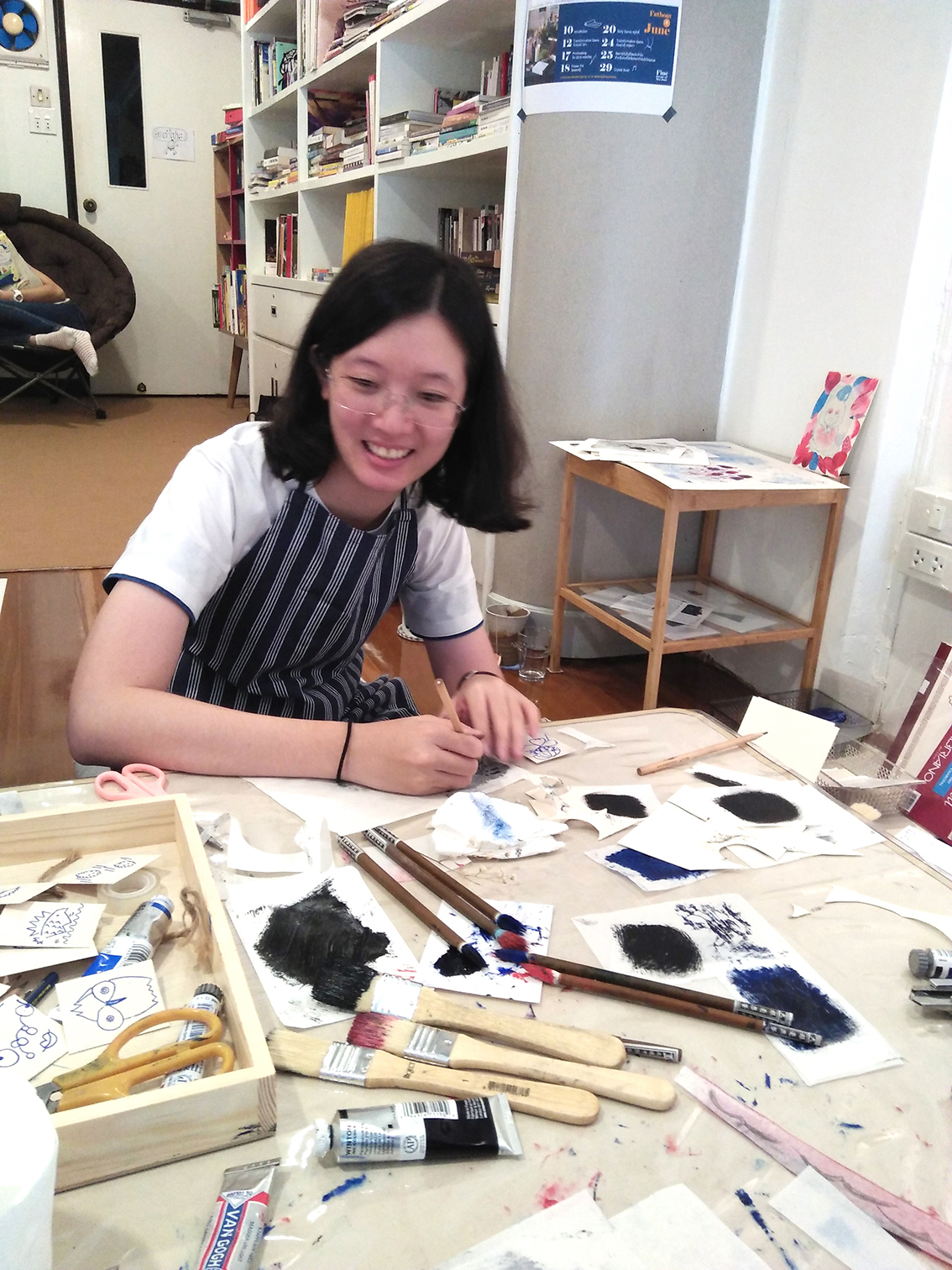
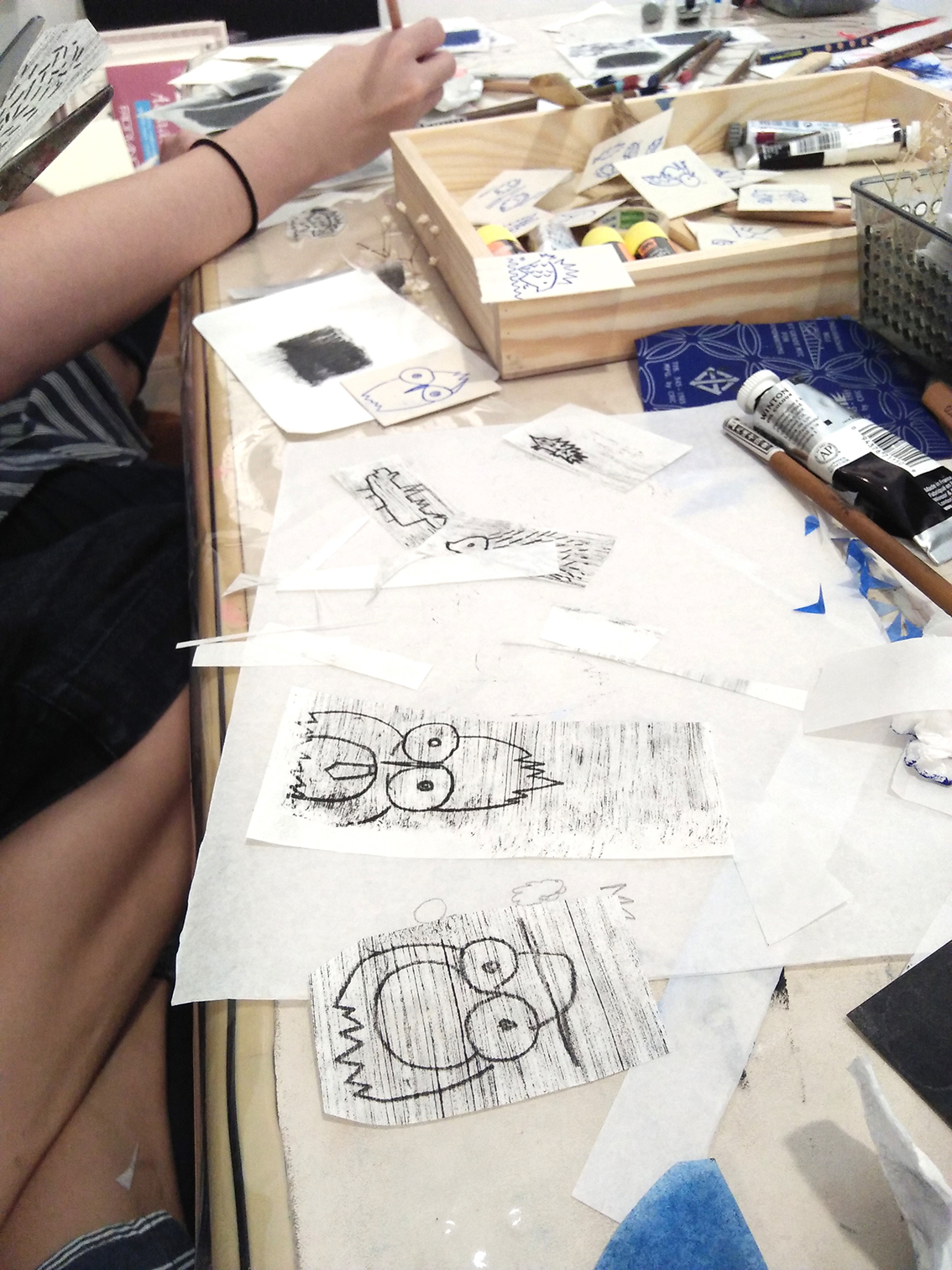
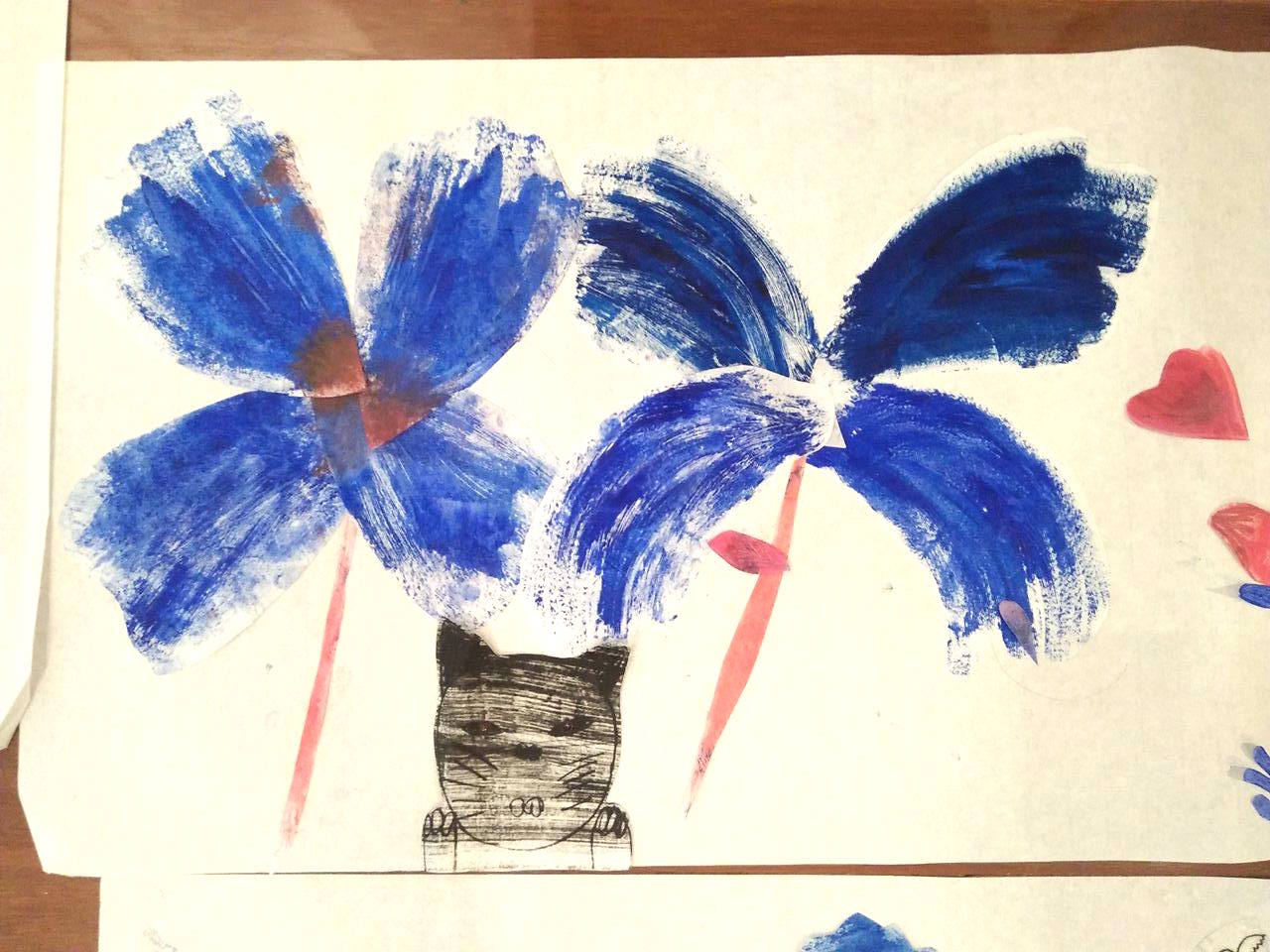
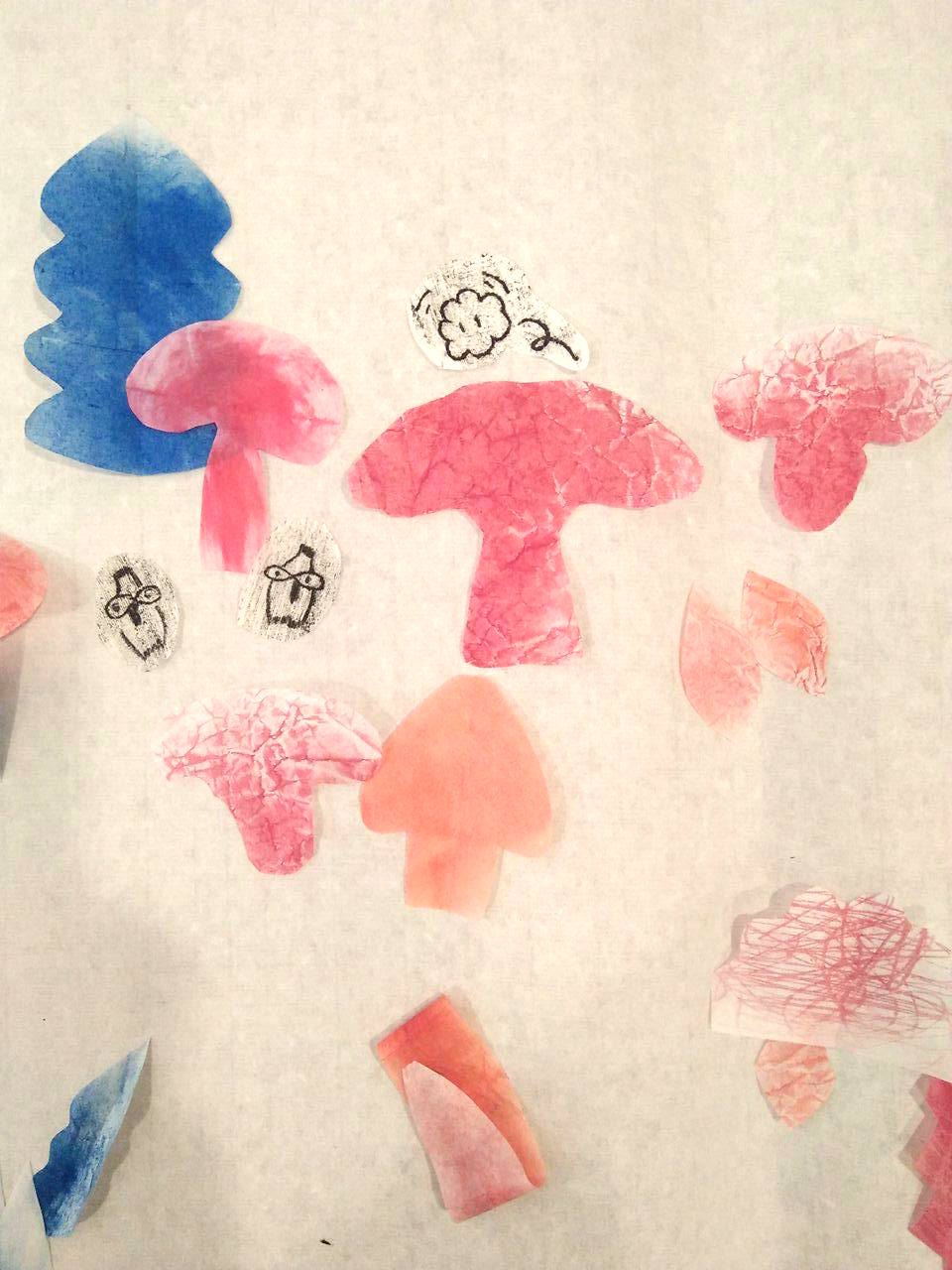
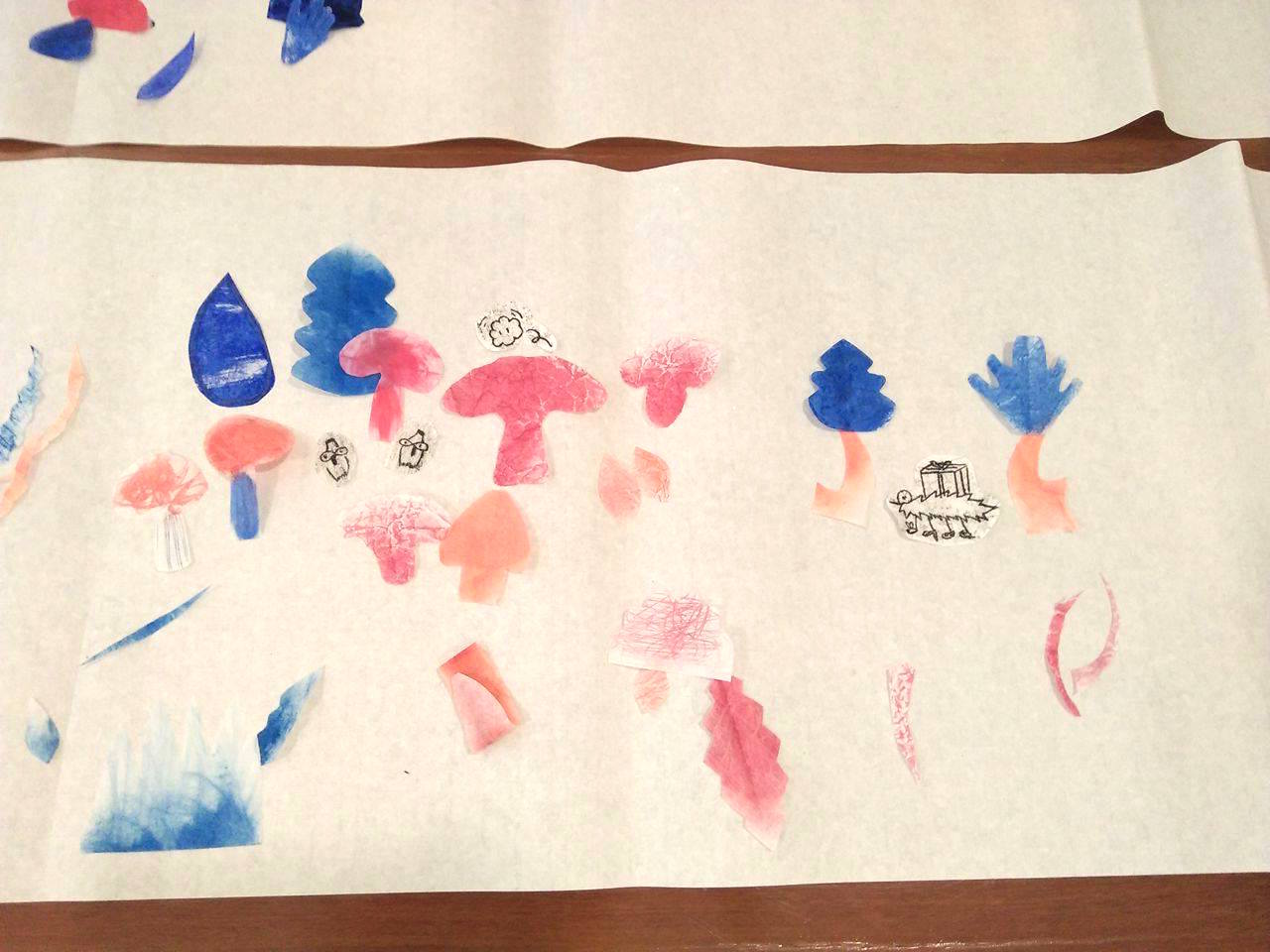
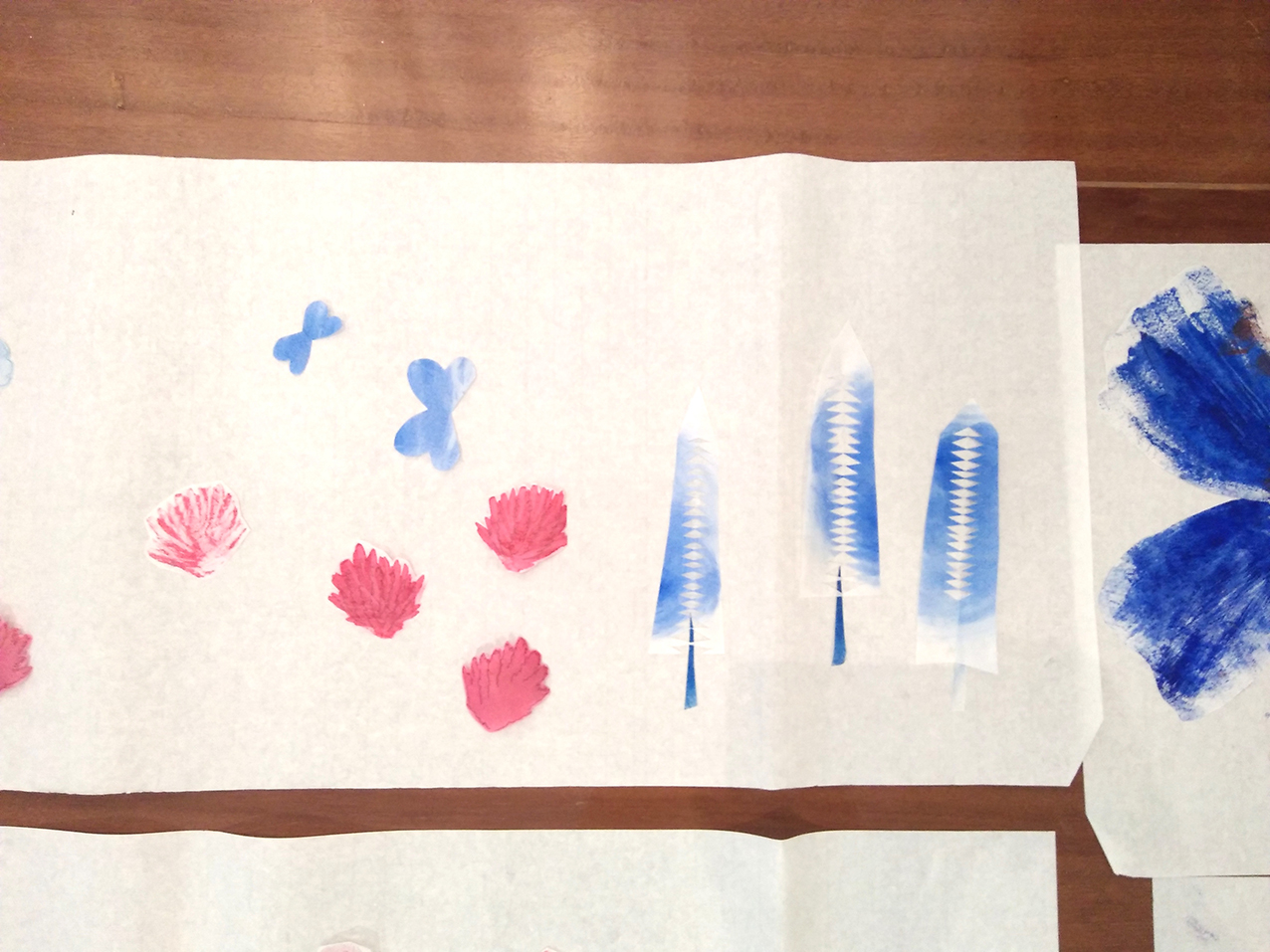
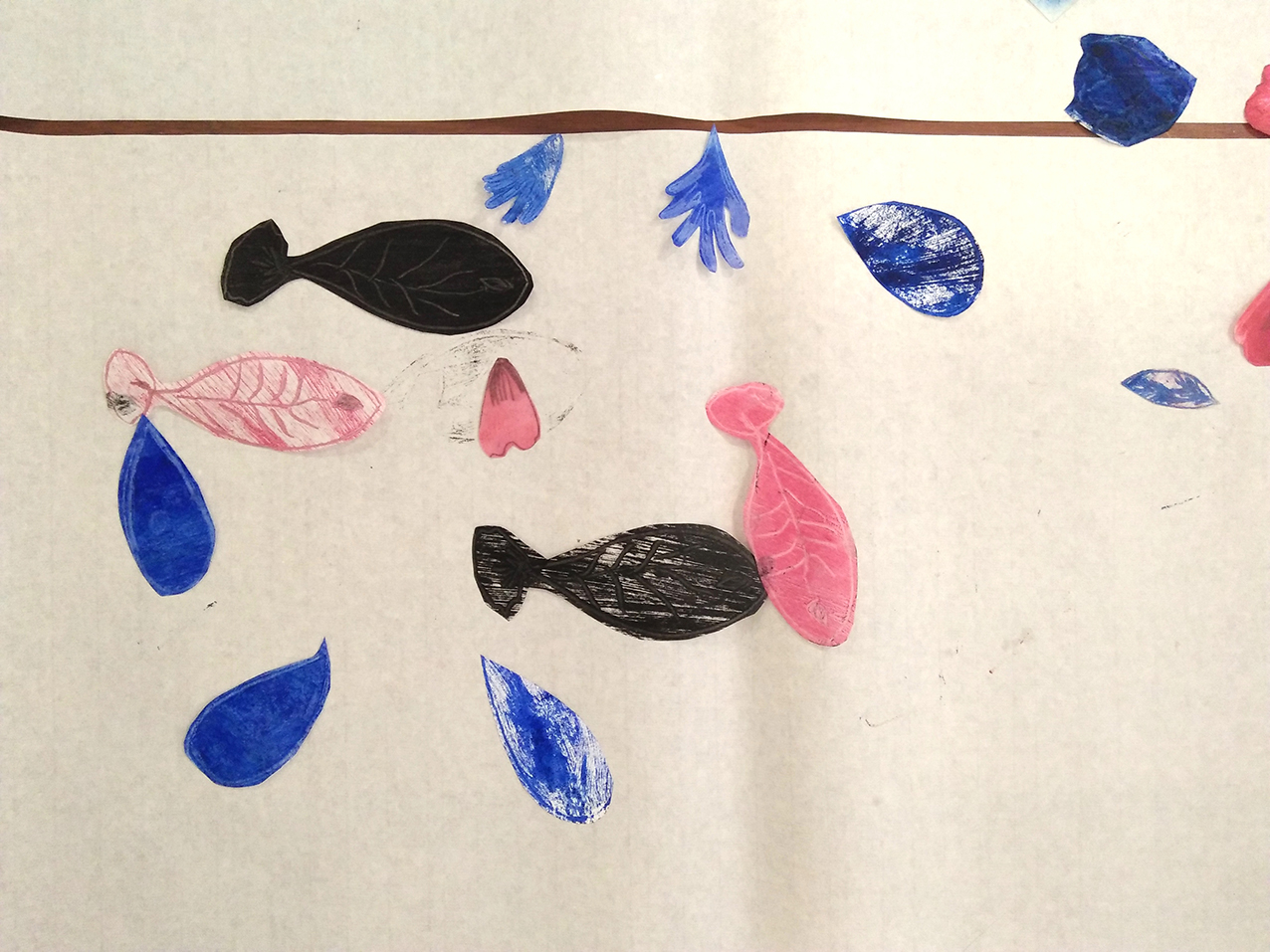
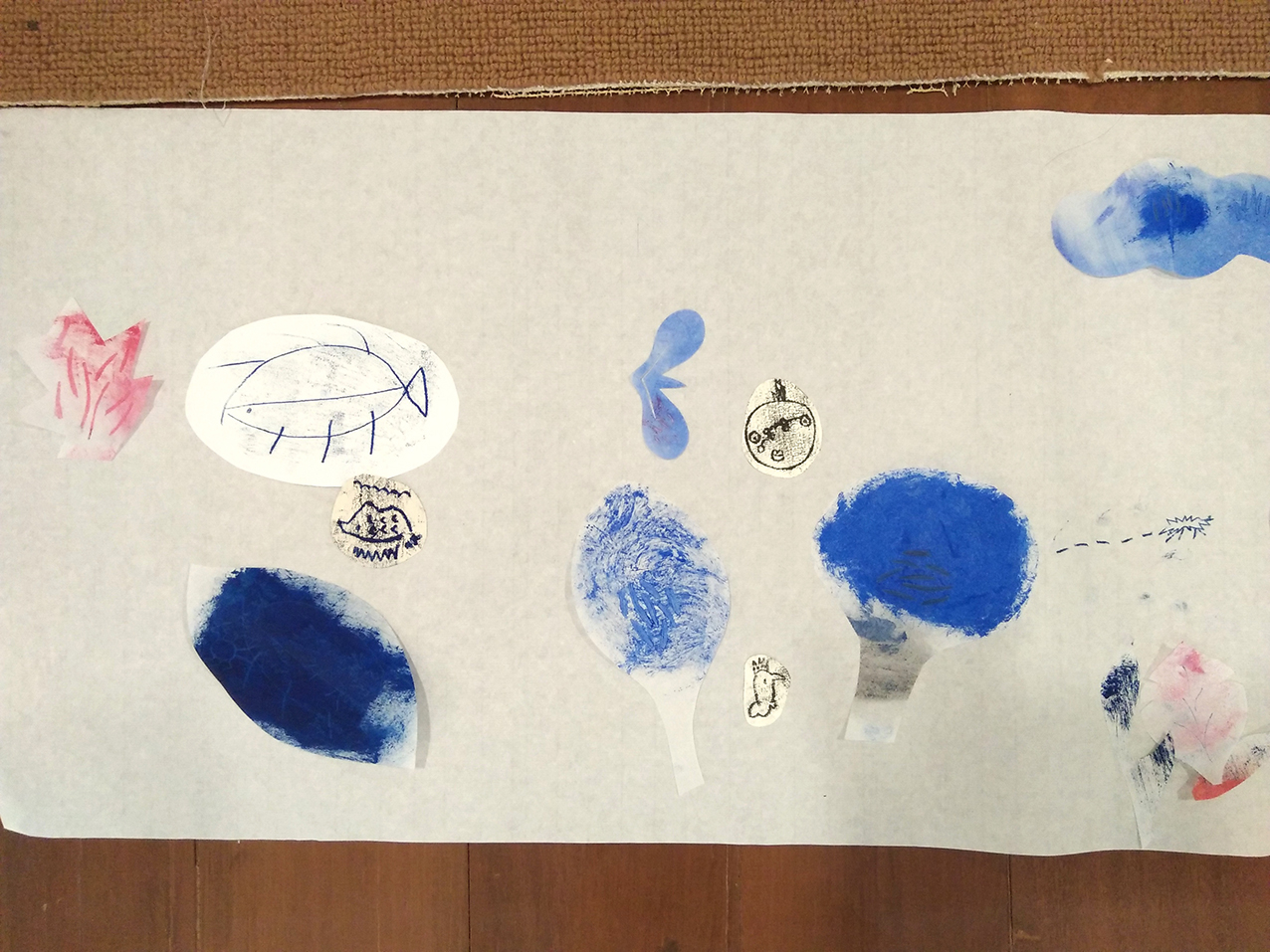
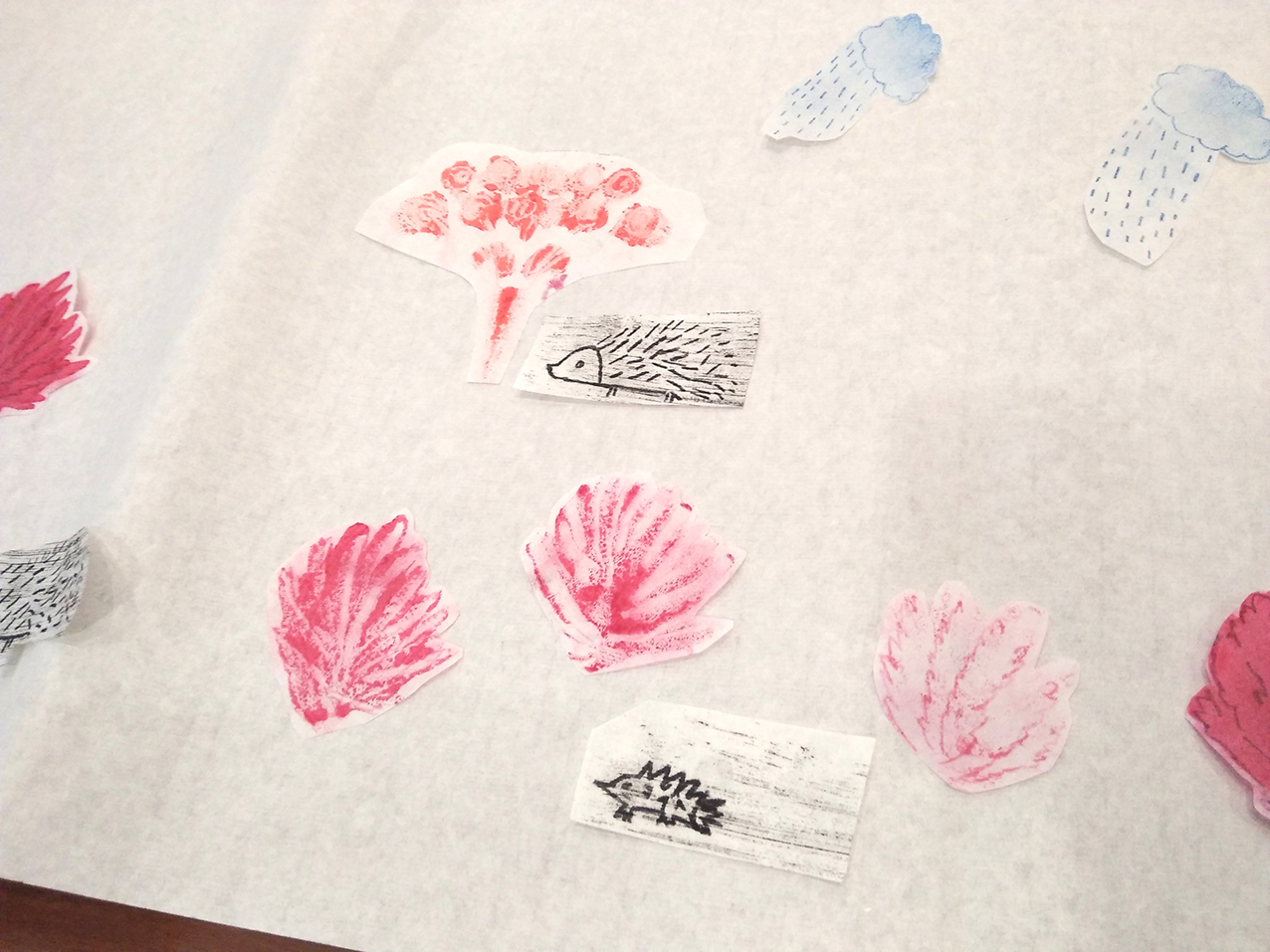
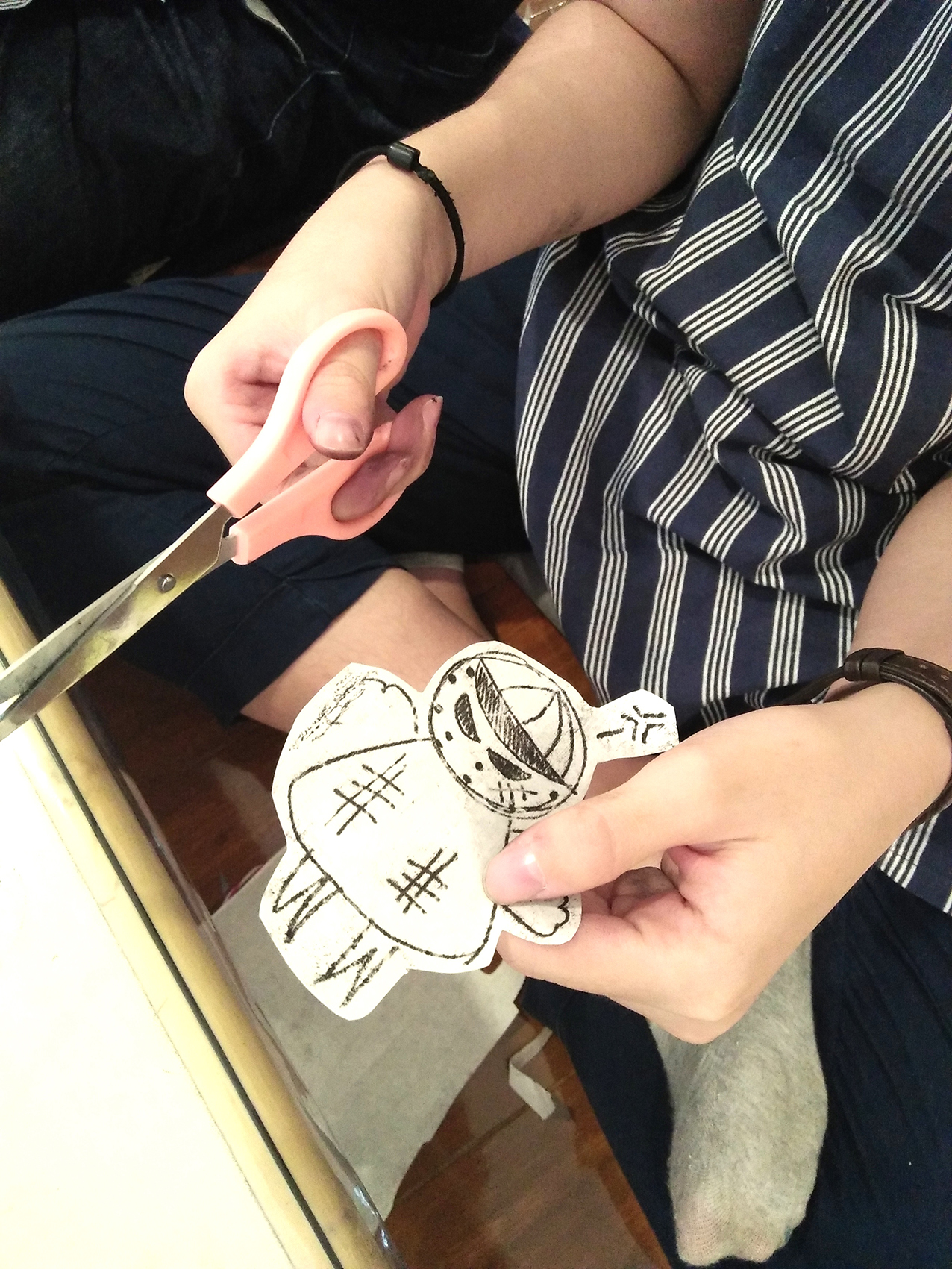
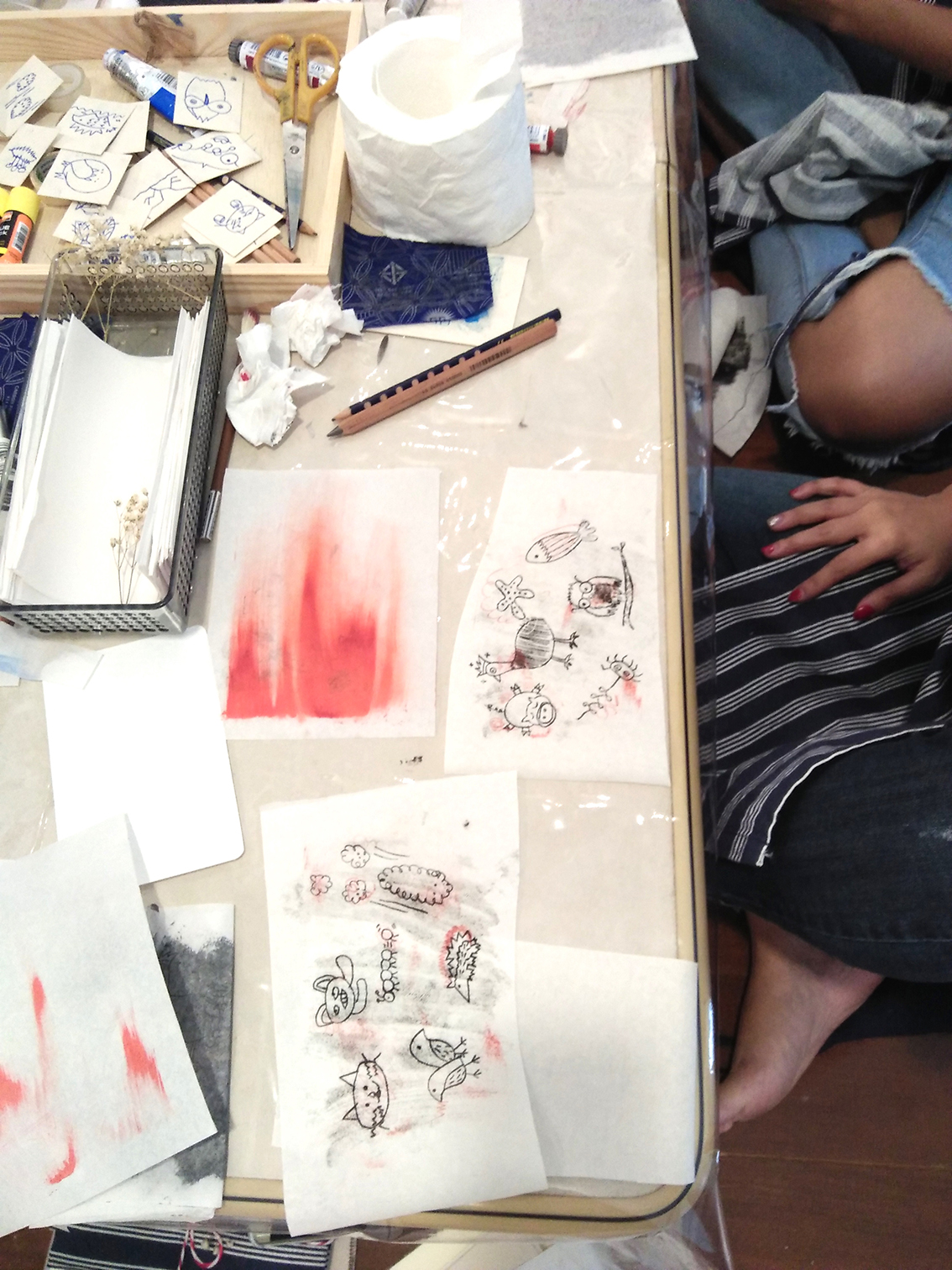
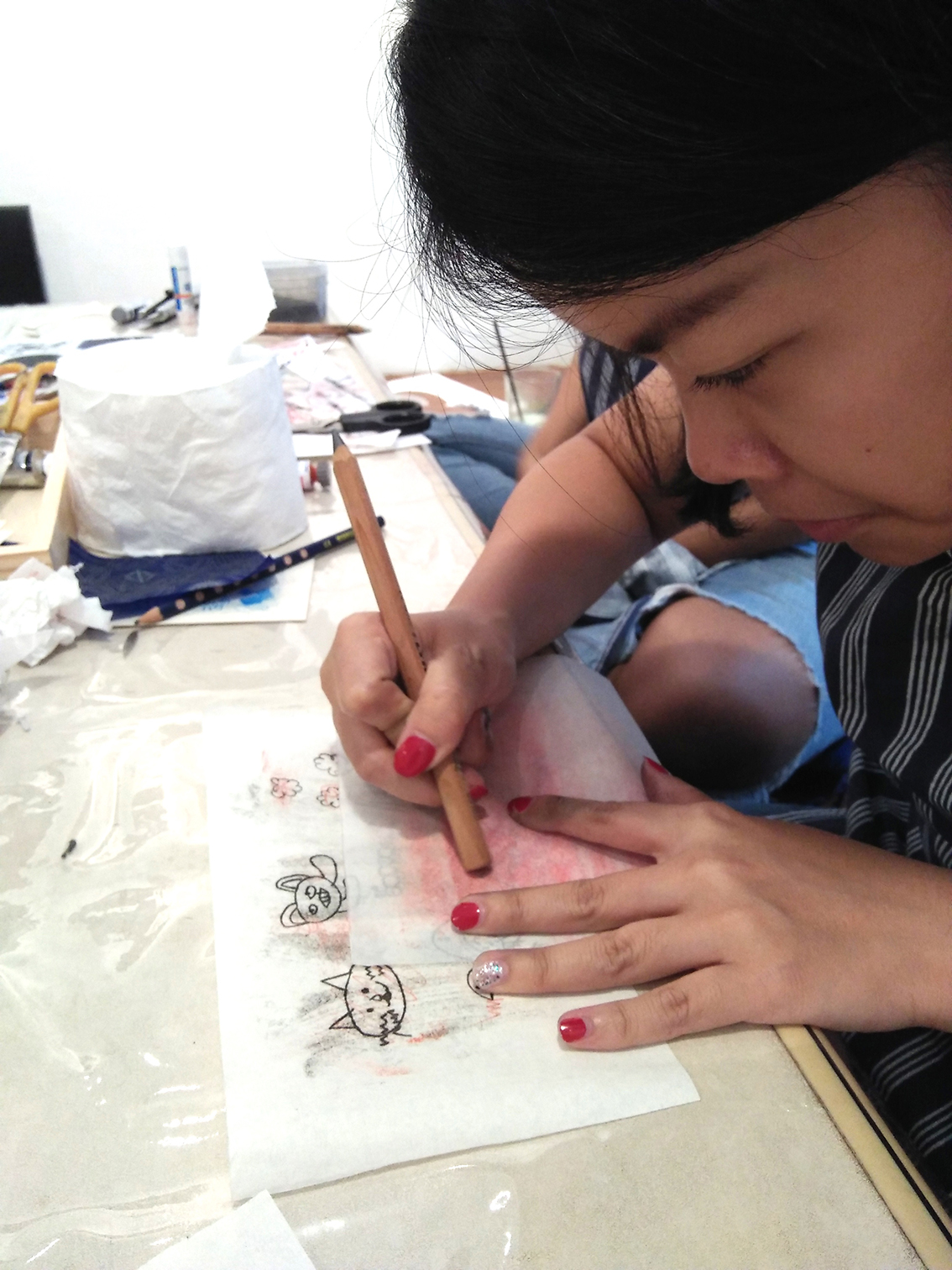
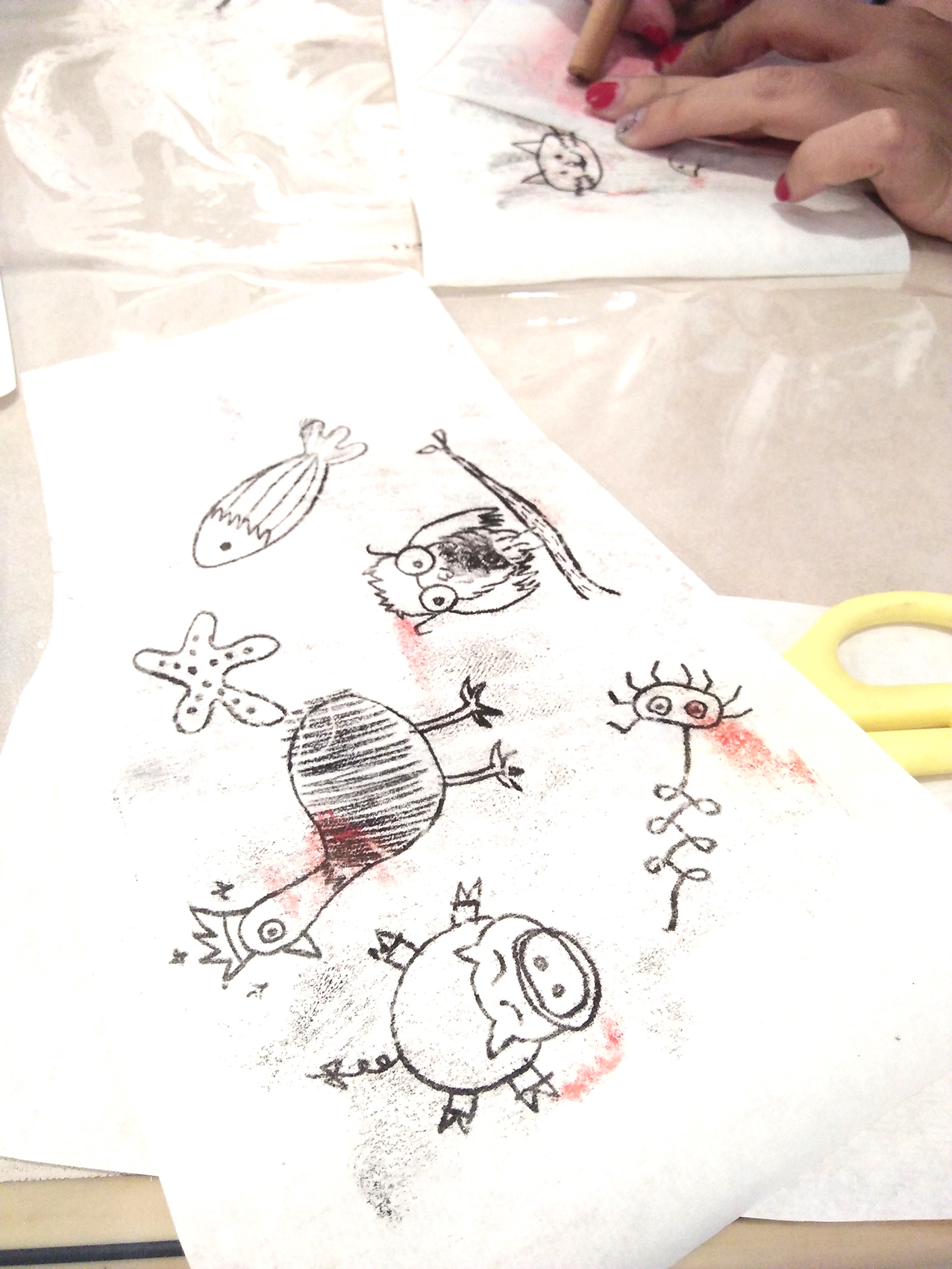
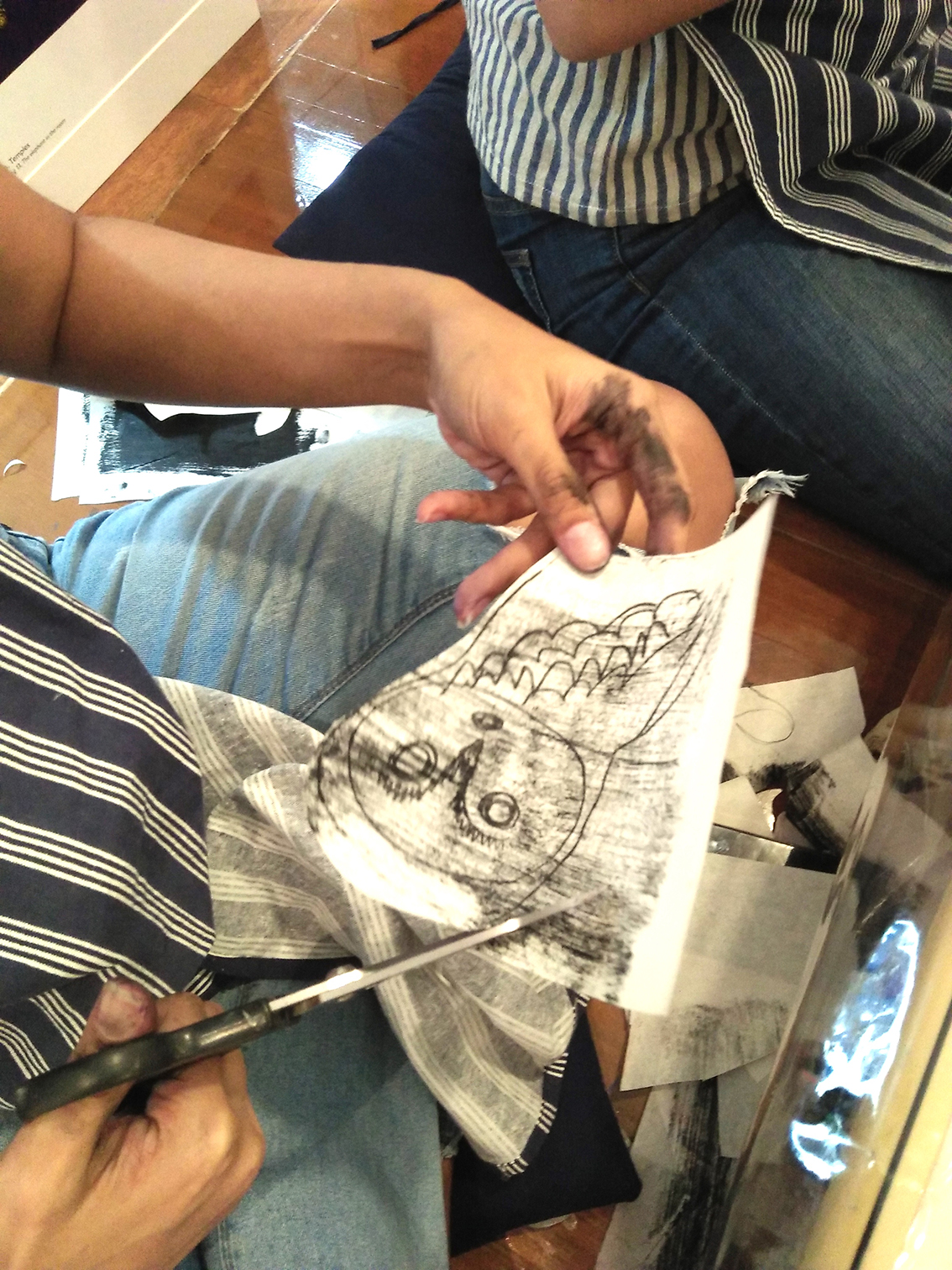
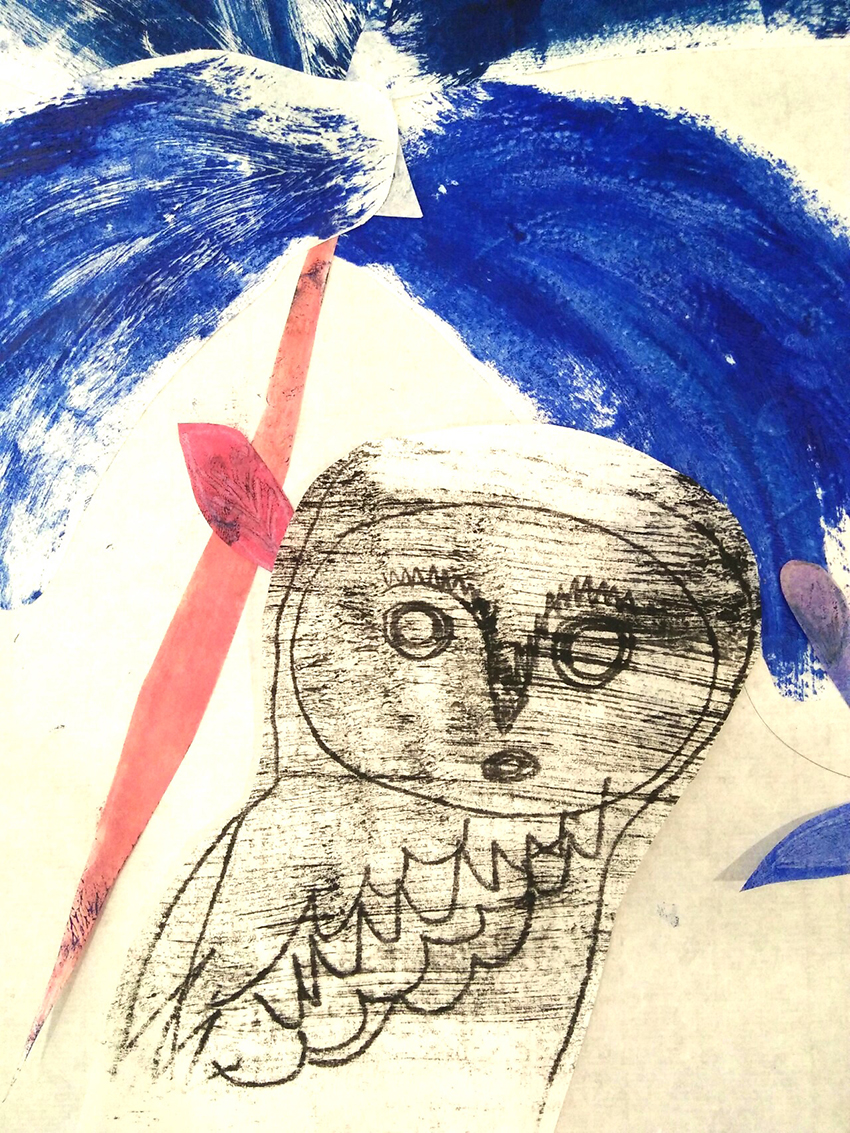
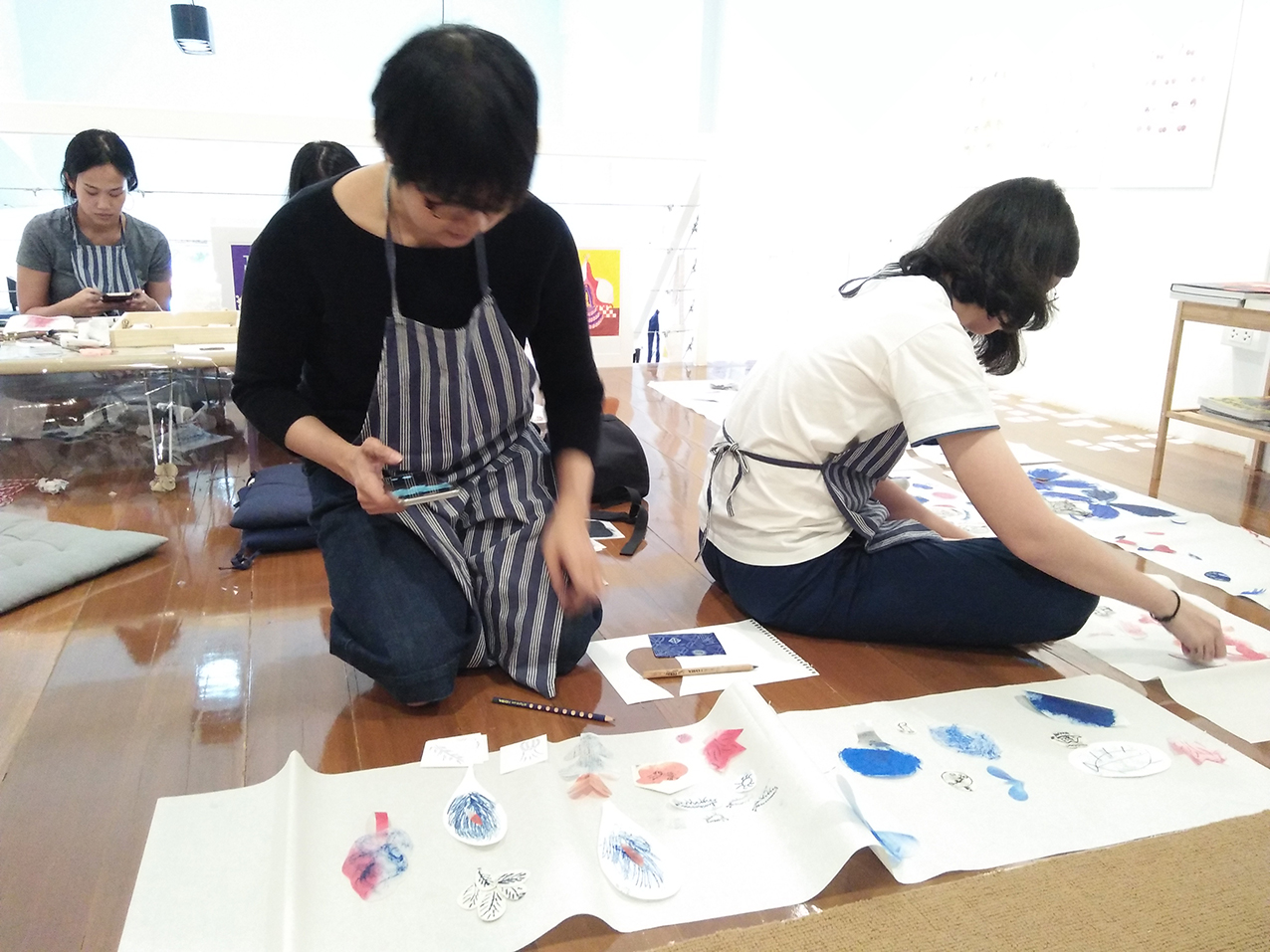
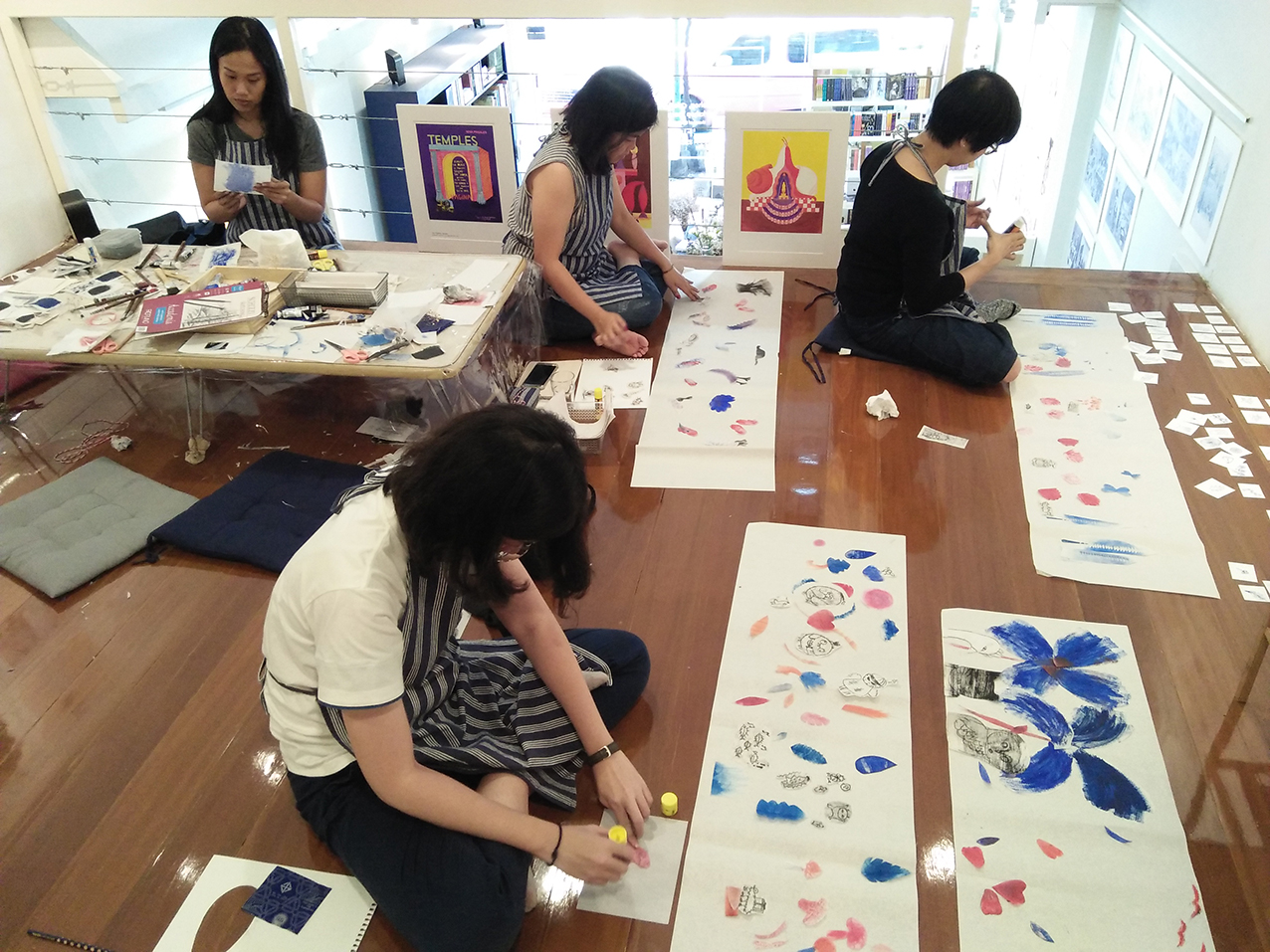
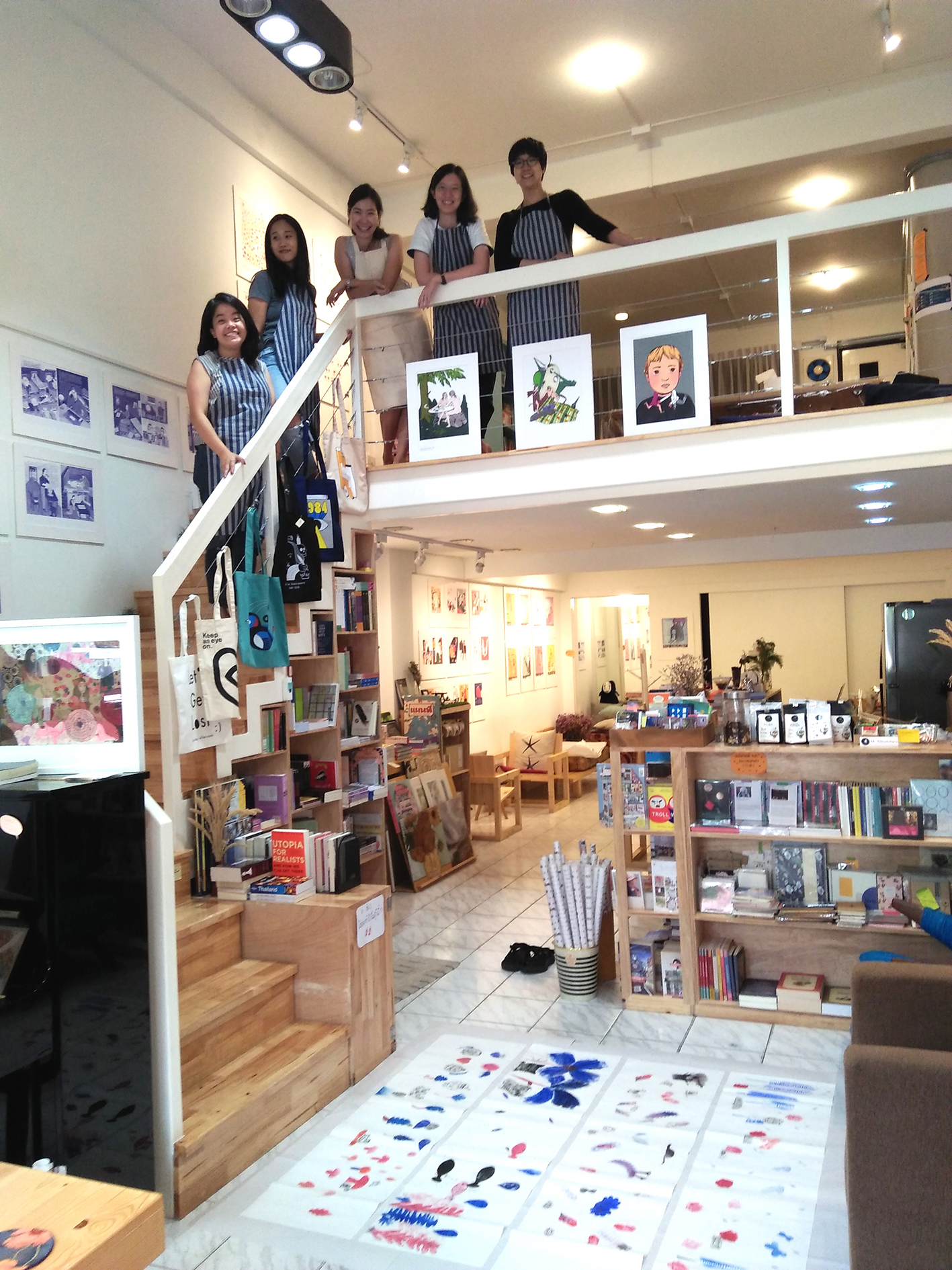
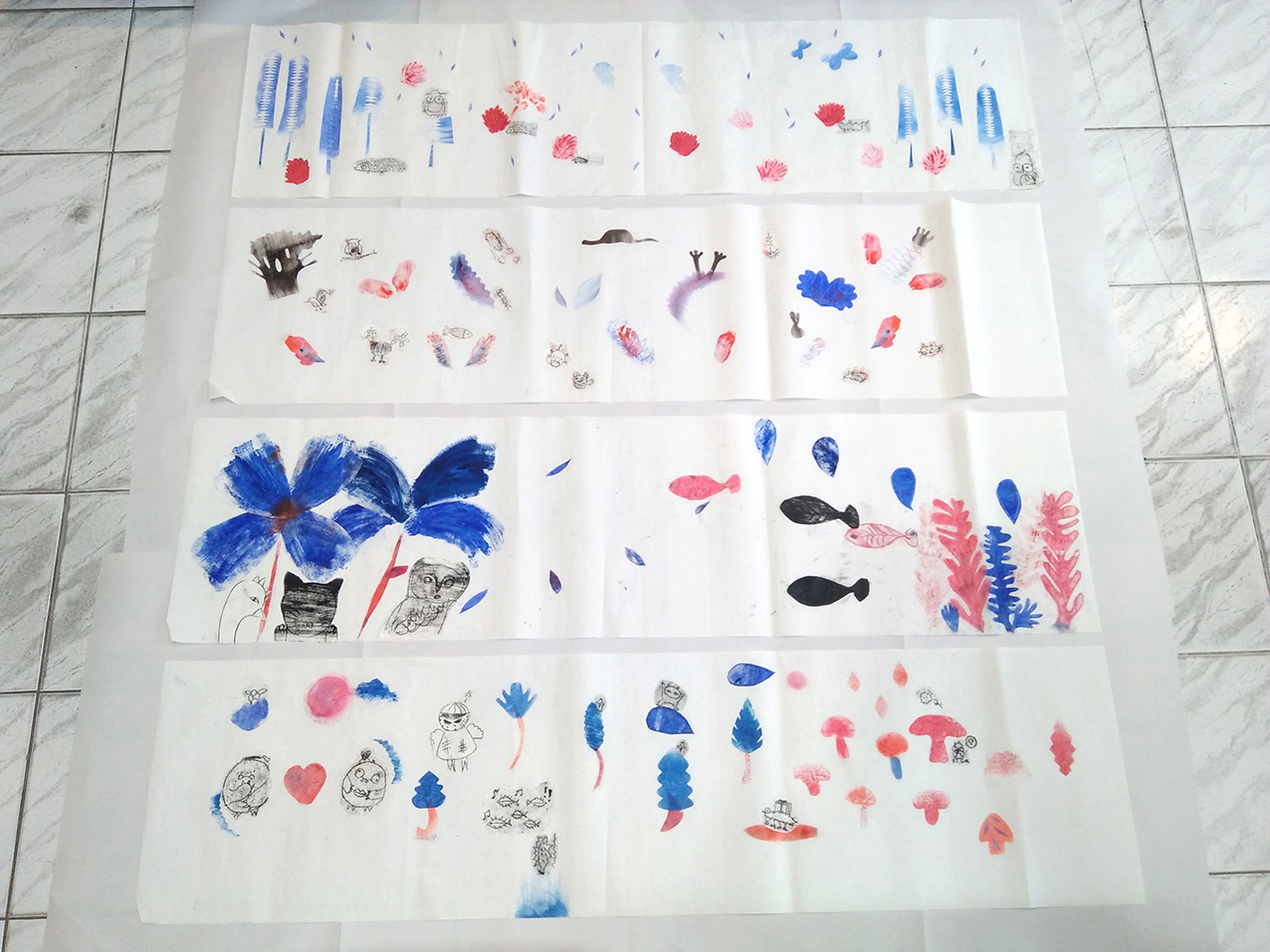
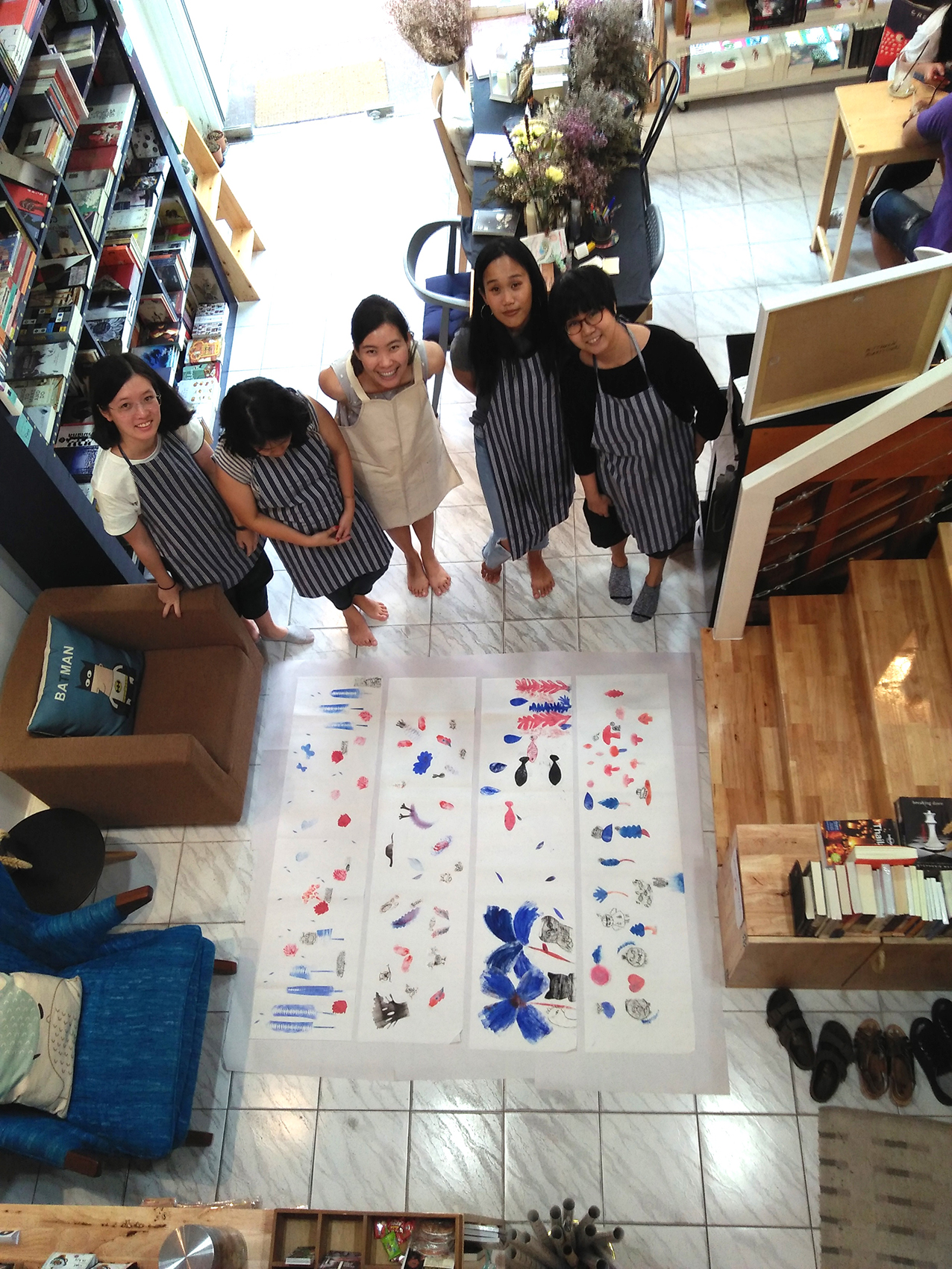
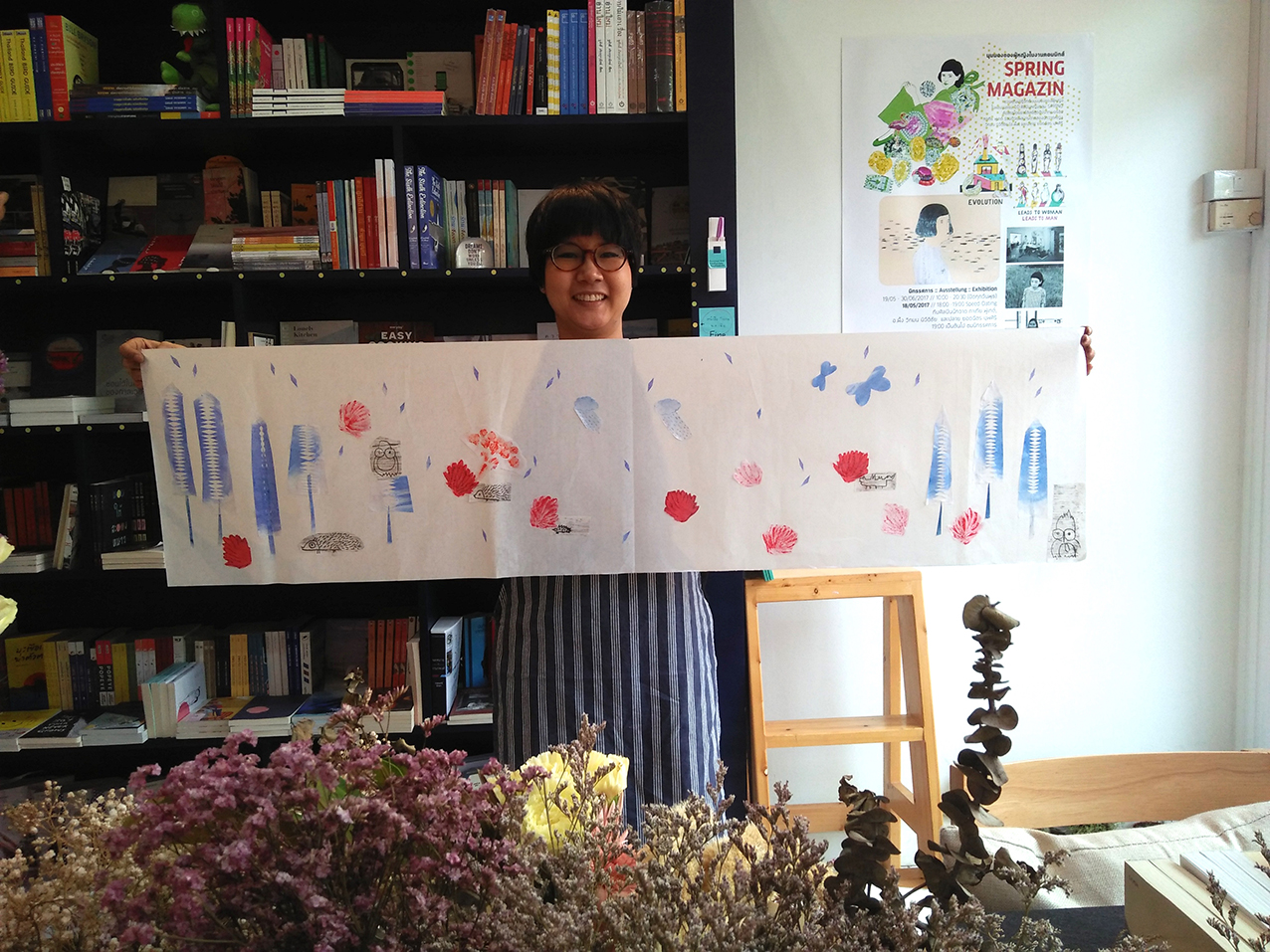
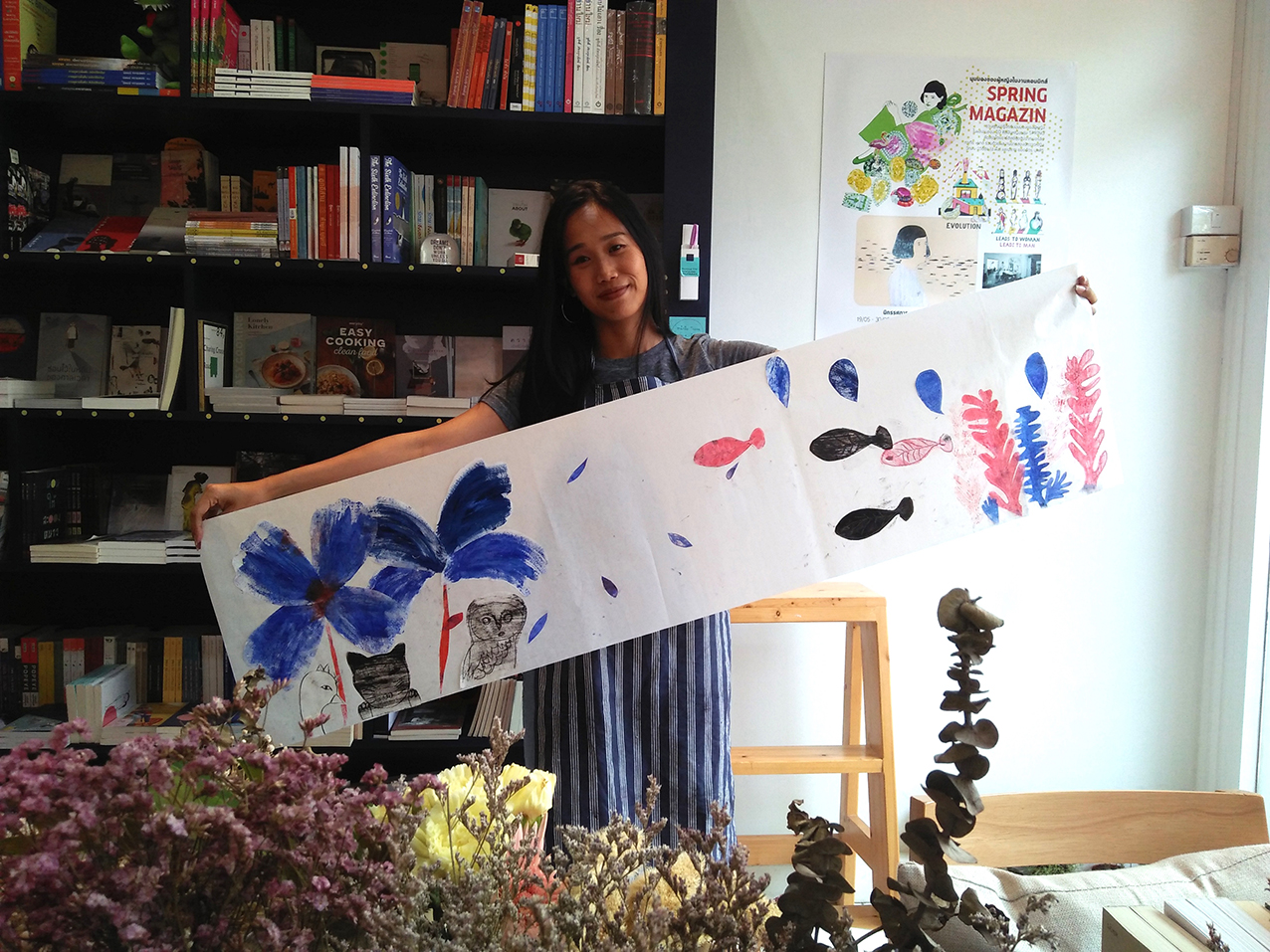
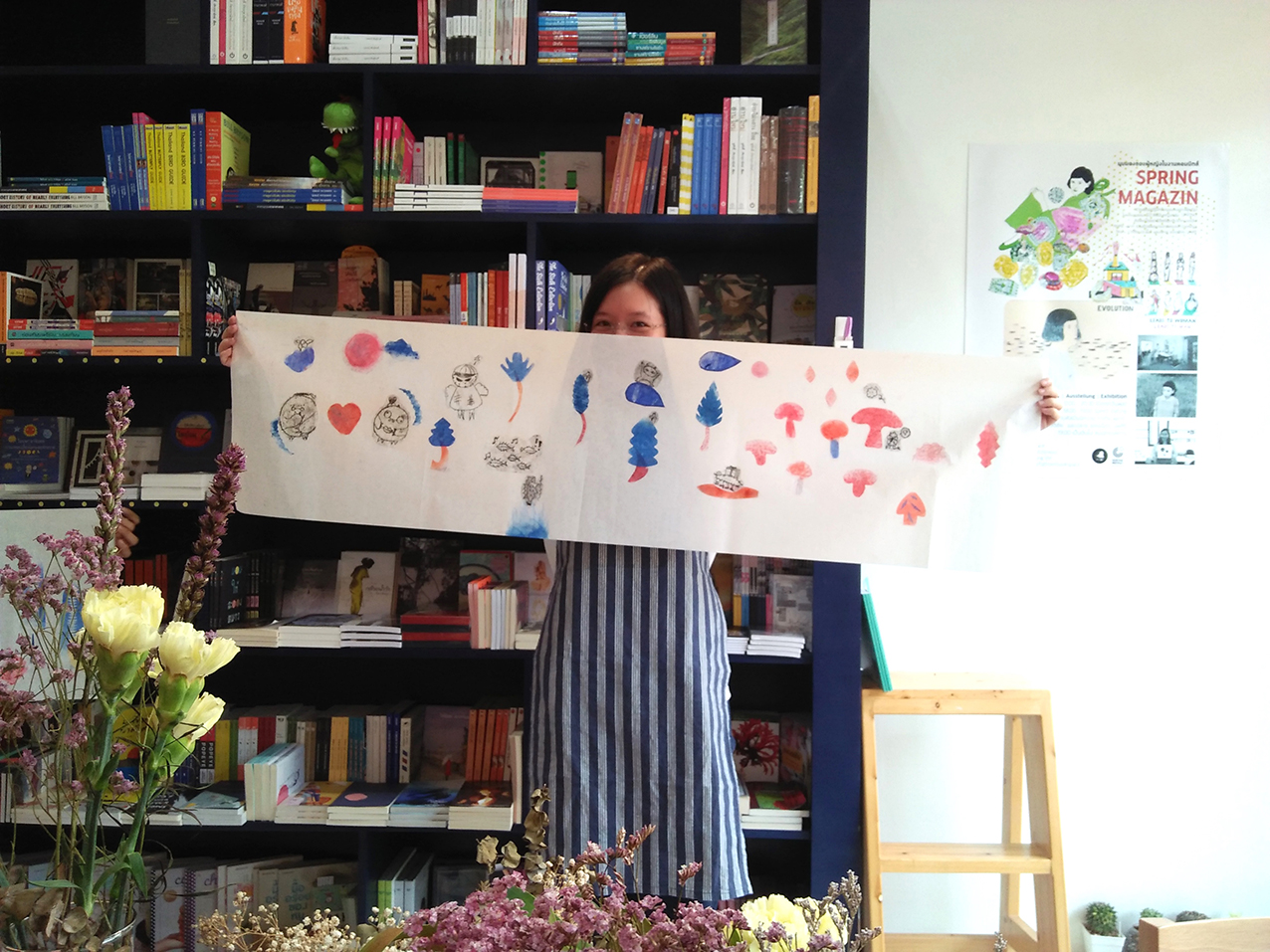
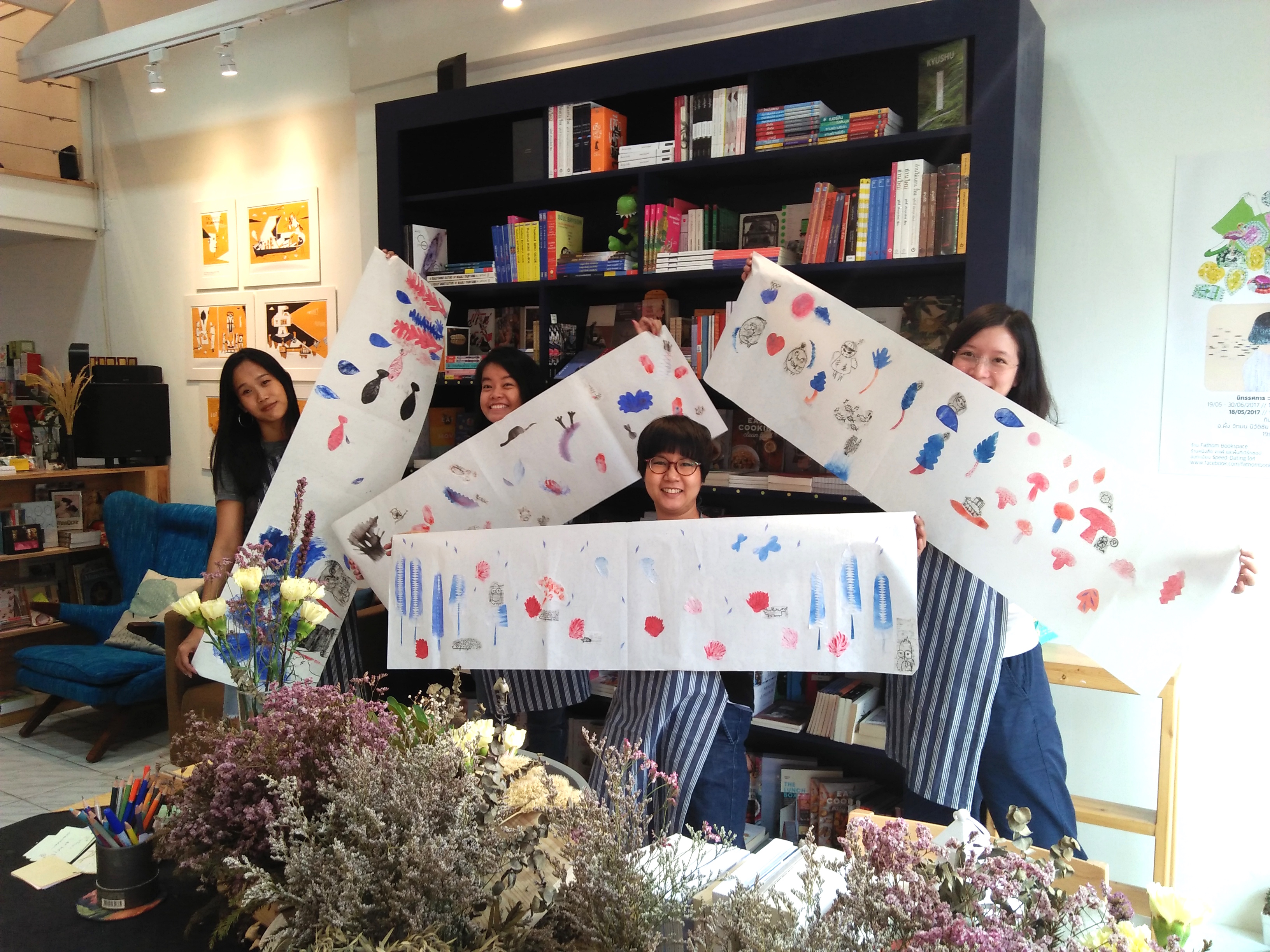
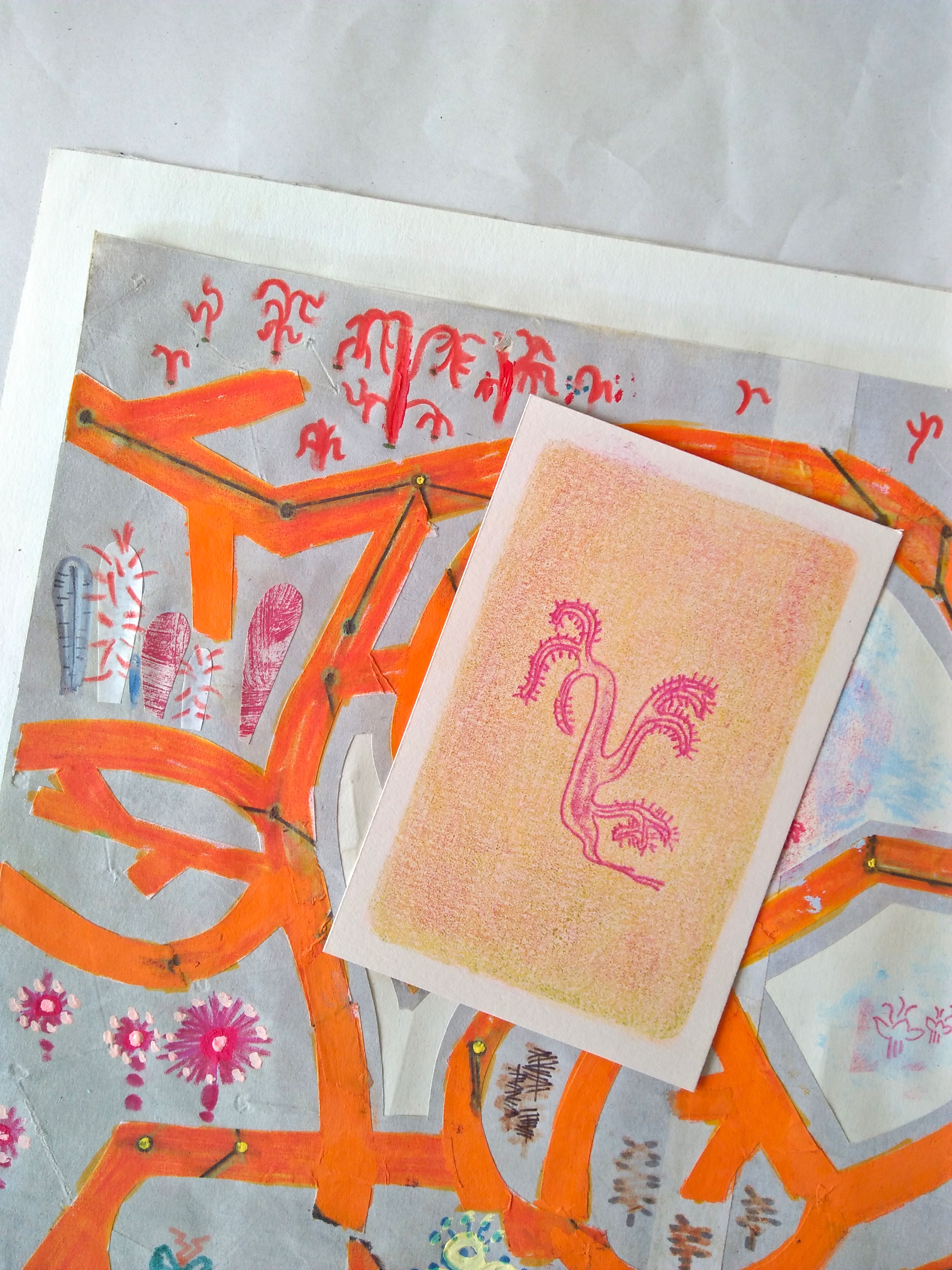
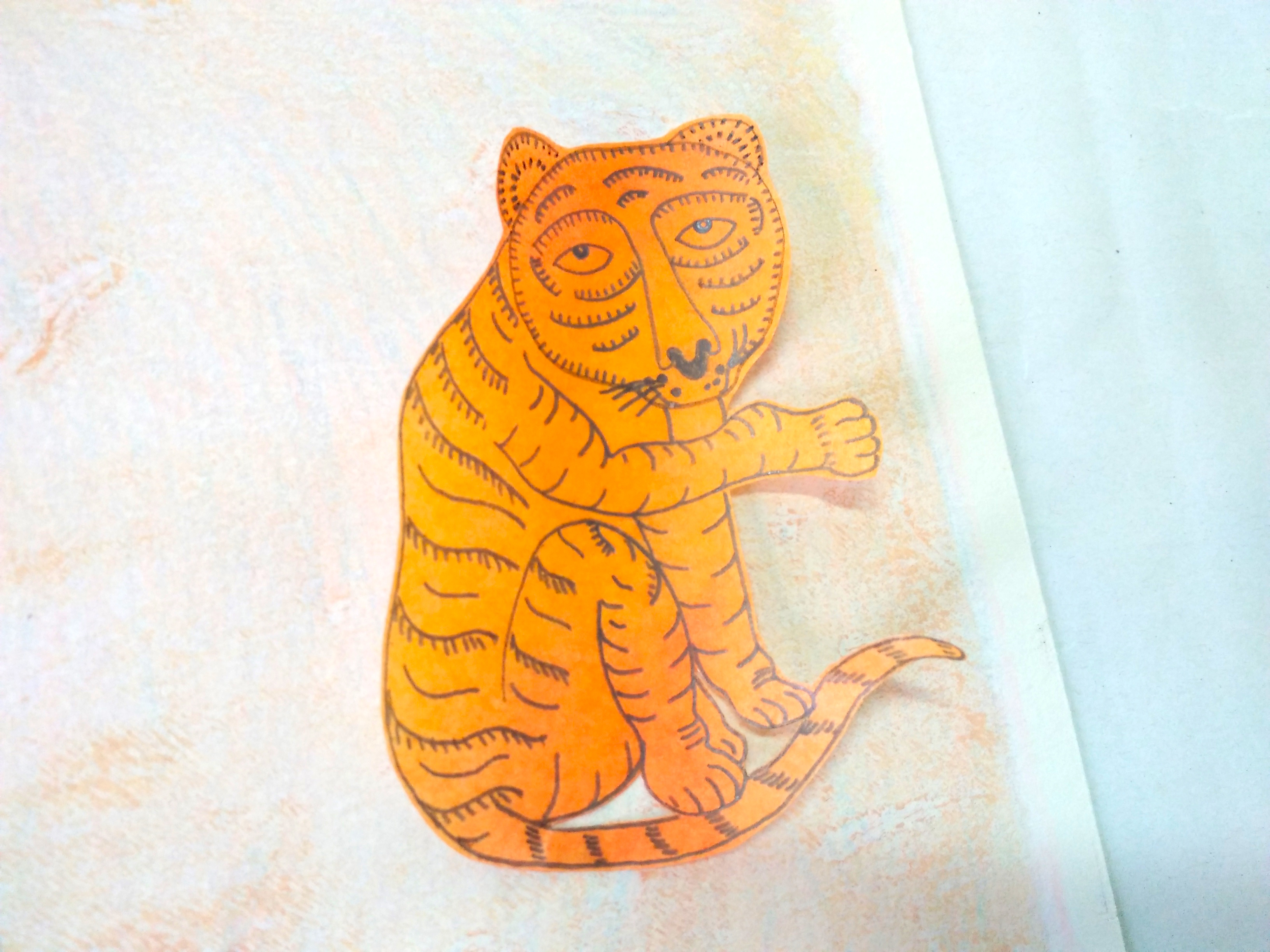
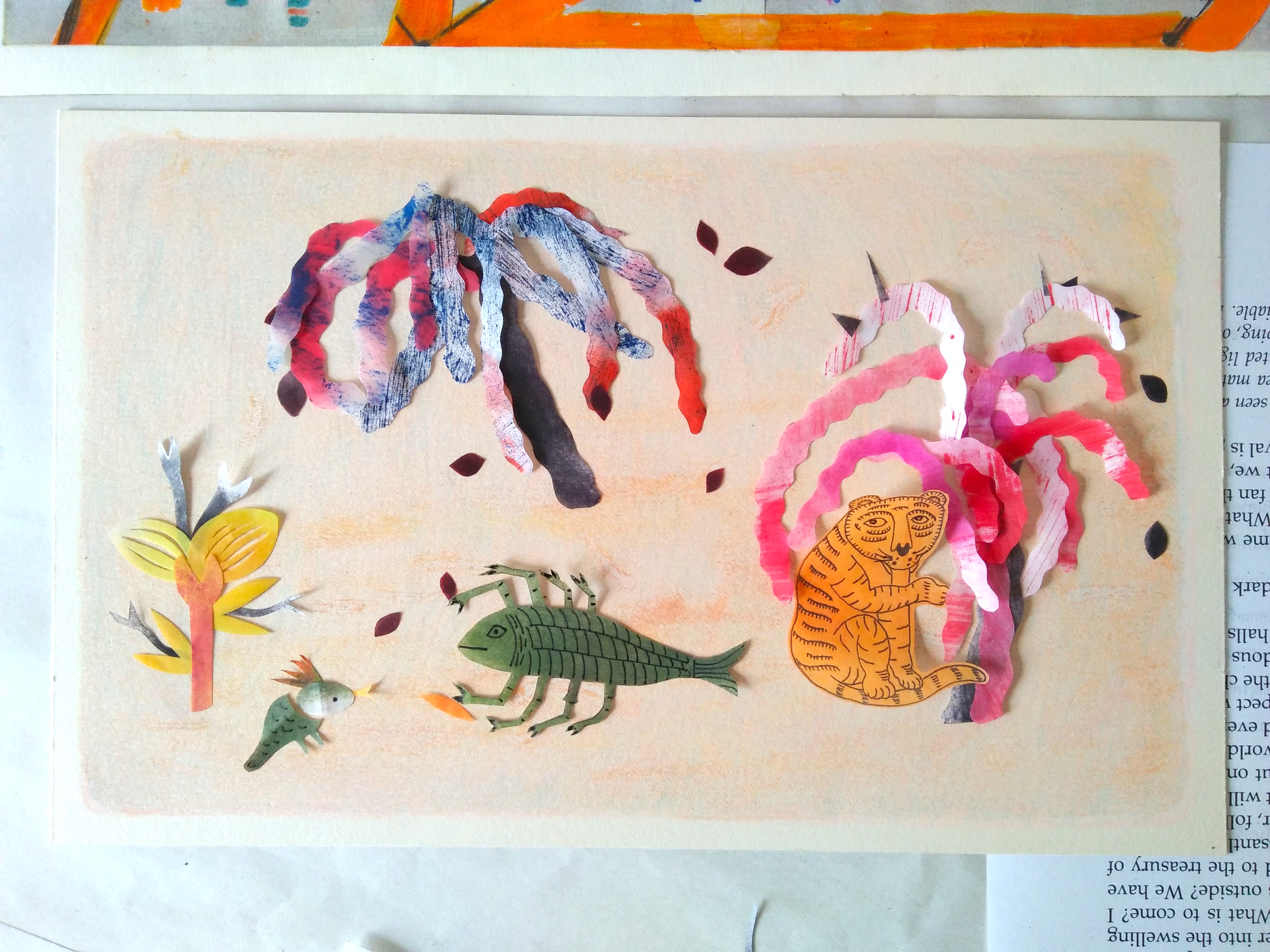
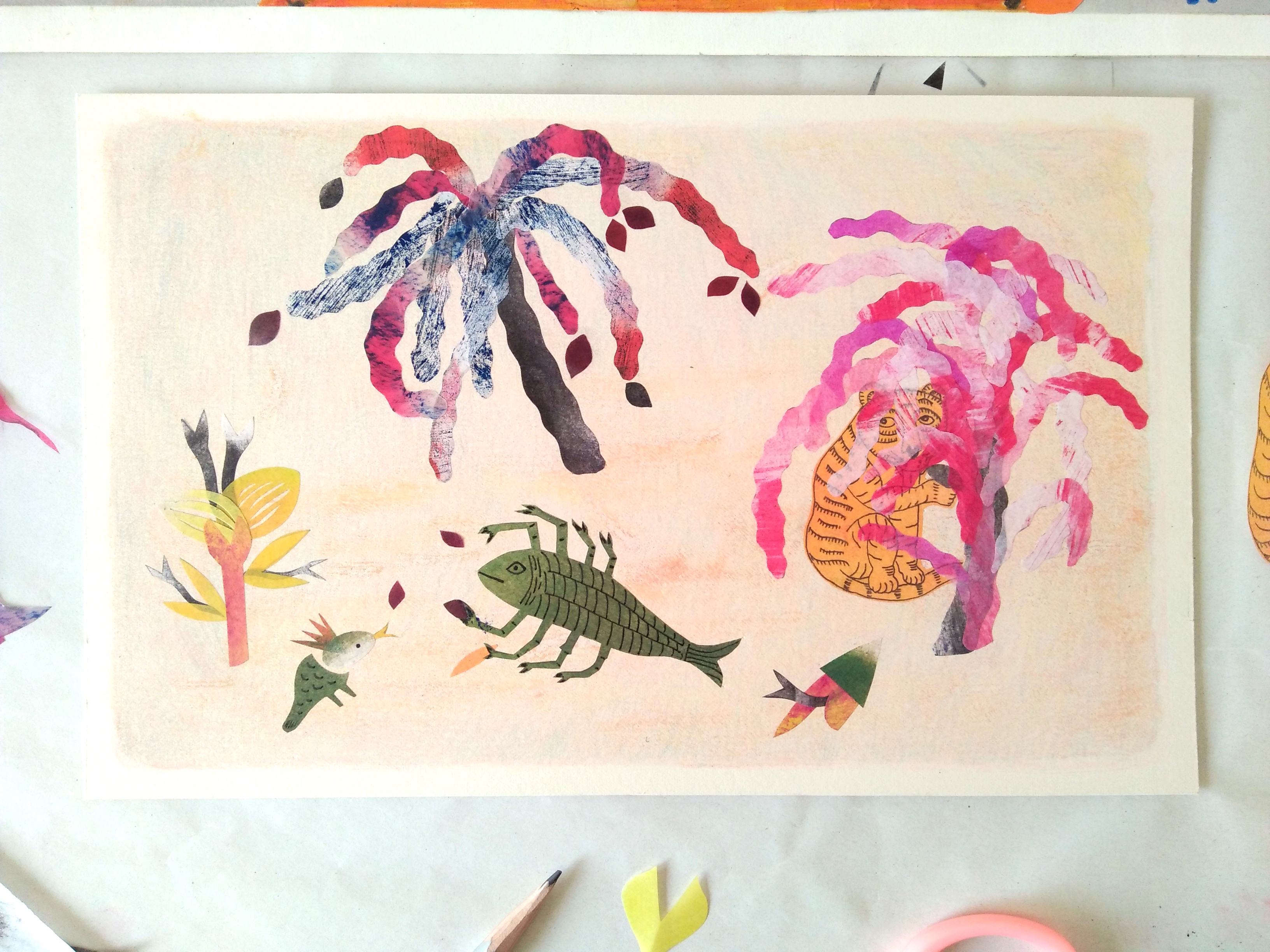
I taught an easy monoprint from oil color and oil transfer technique for beginner at Fathom Bookspace.The theme was forest. All attendees bagan with small pieces before exploring their imaginative plants and animals in the bigger area. The final pieces are in the cover photo.
For those who are curious who is Aurora, please visit this link . She is my muse. : )
ถึงแม้จะดูต้นแบบจากภาพถ่าย แต่การรู้จักและจดจำได้ก็ช่วยให้สามารถวาดออกมาได้ การวาดจึงเป็นการย้อนประสบการณ์และความทรงจำของเรานั่นเอง
*
*
*
*
*
*
ข้างล่างนี้เป็นเวอร์ชั่นสแกน สีจะเปลี่ยนไปเล็กน้อยค่ะ
Scanned version of illustrations, the colours were changed a little bit.
*
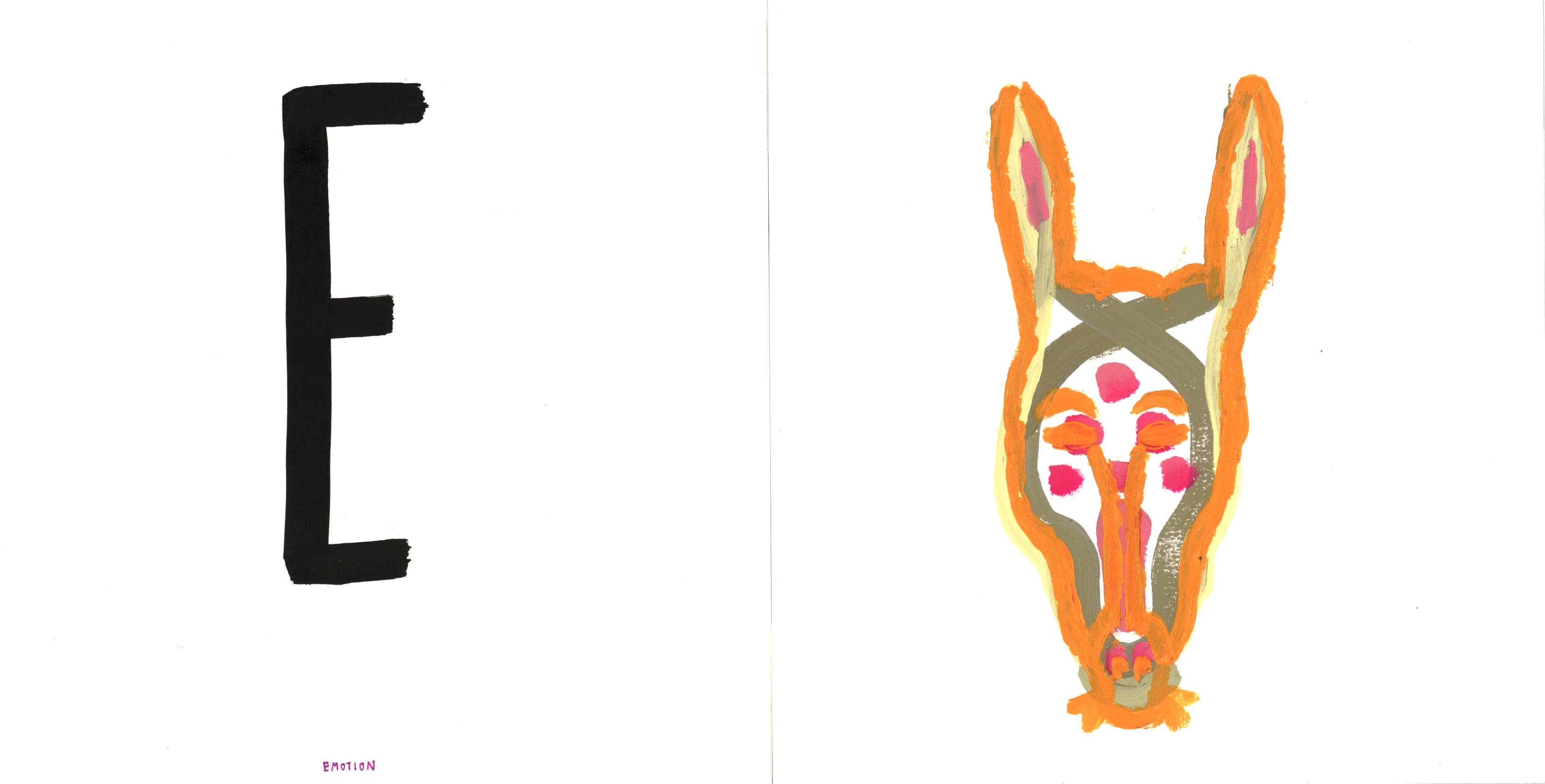
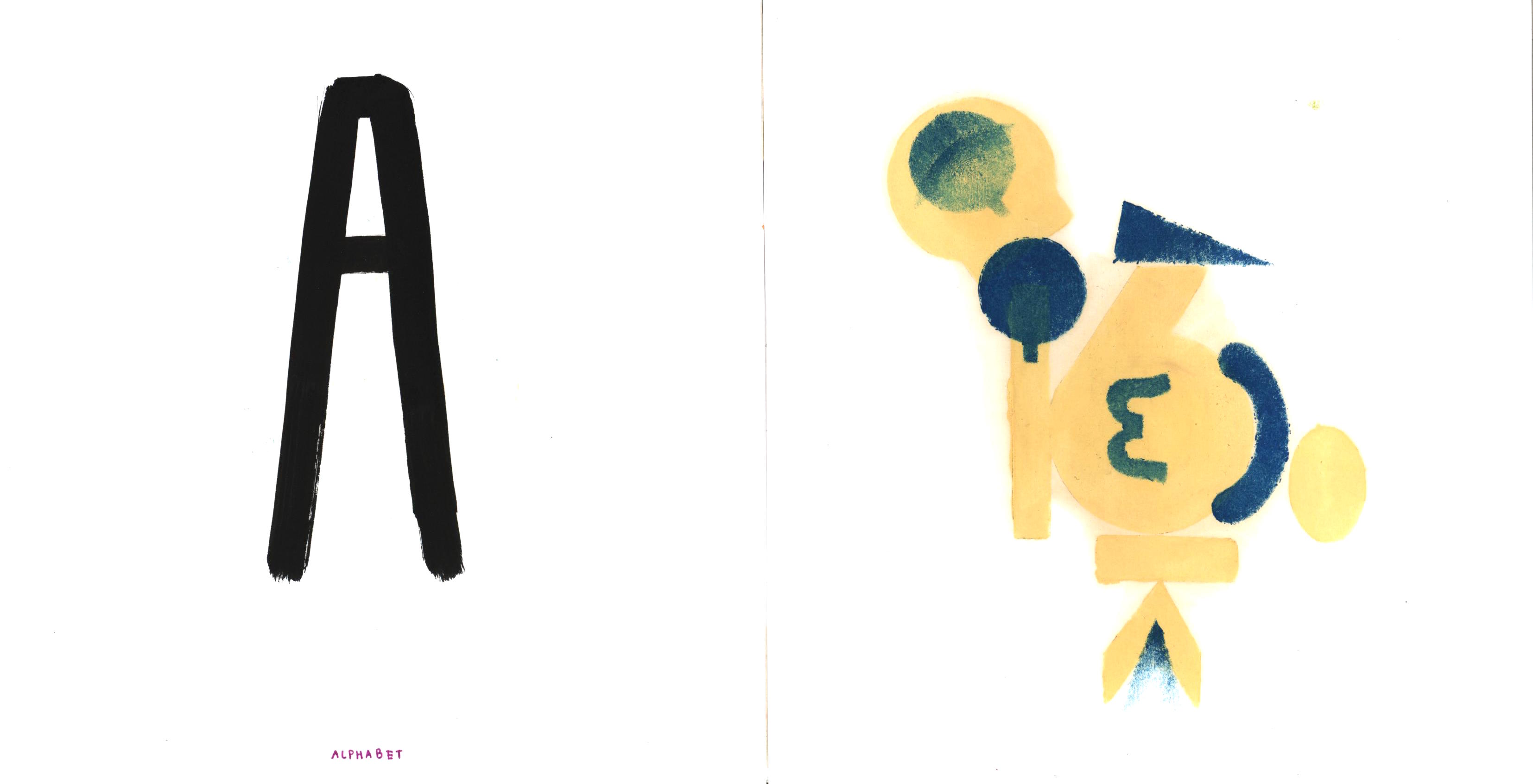
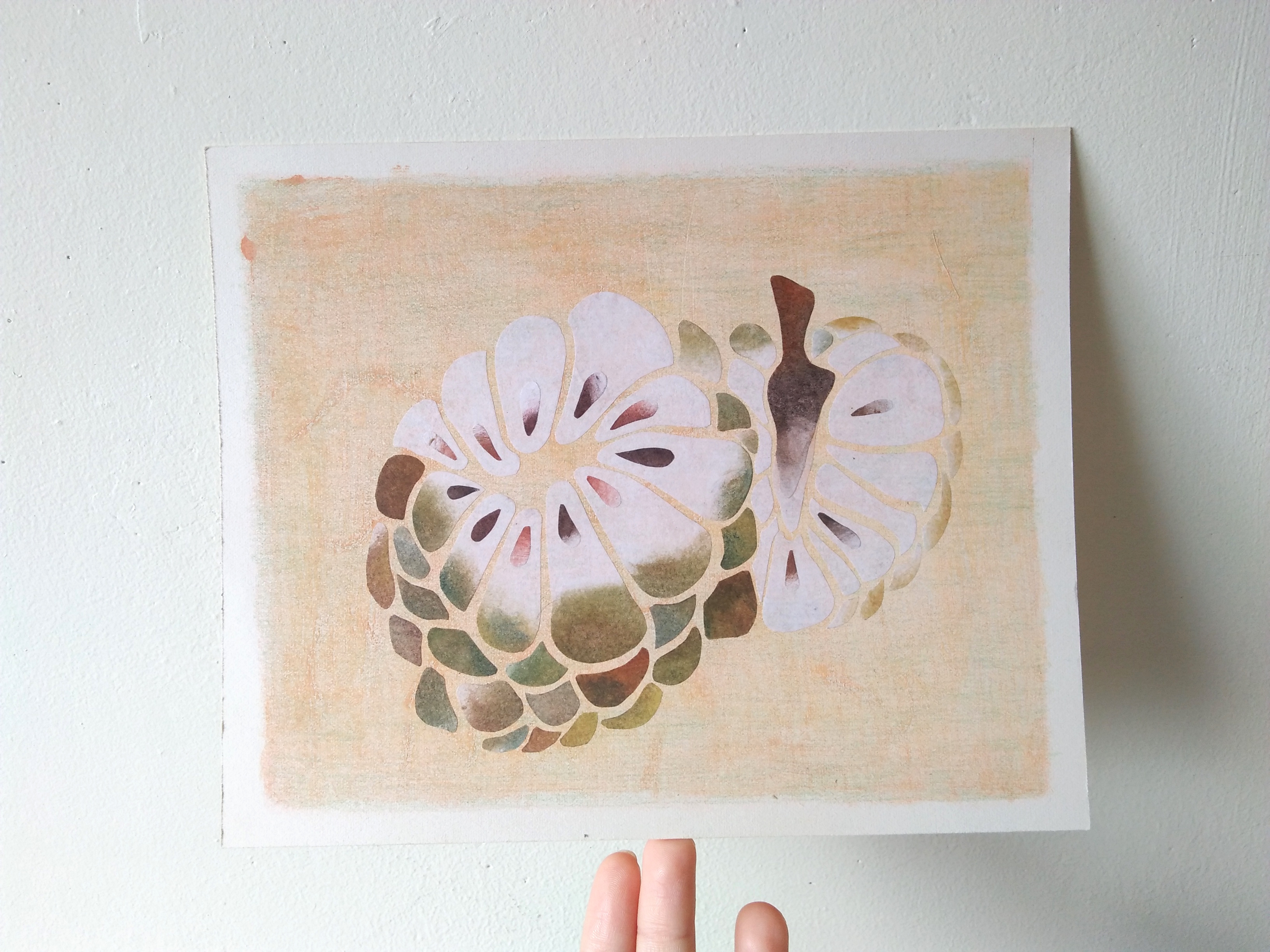
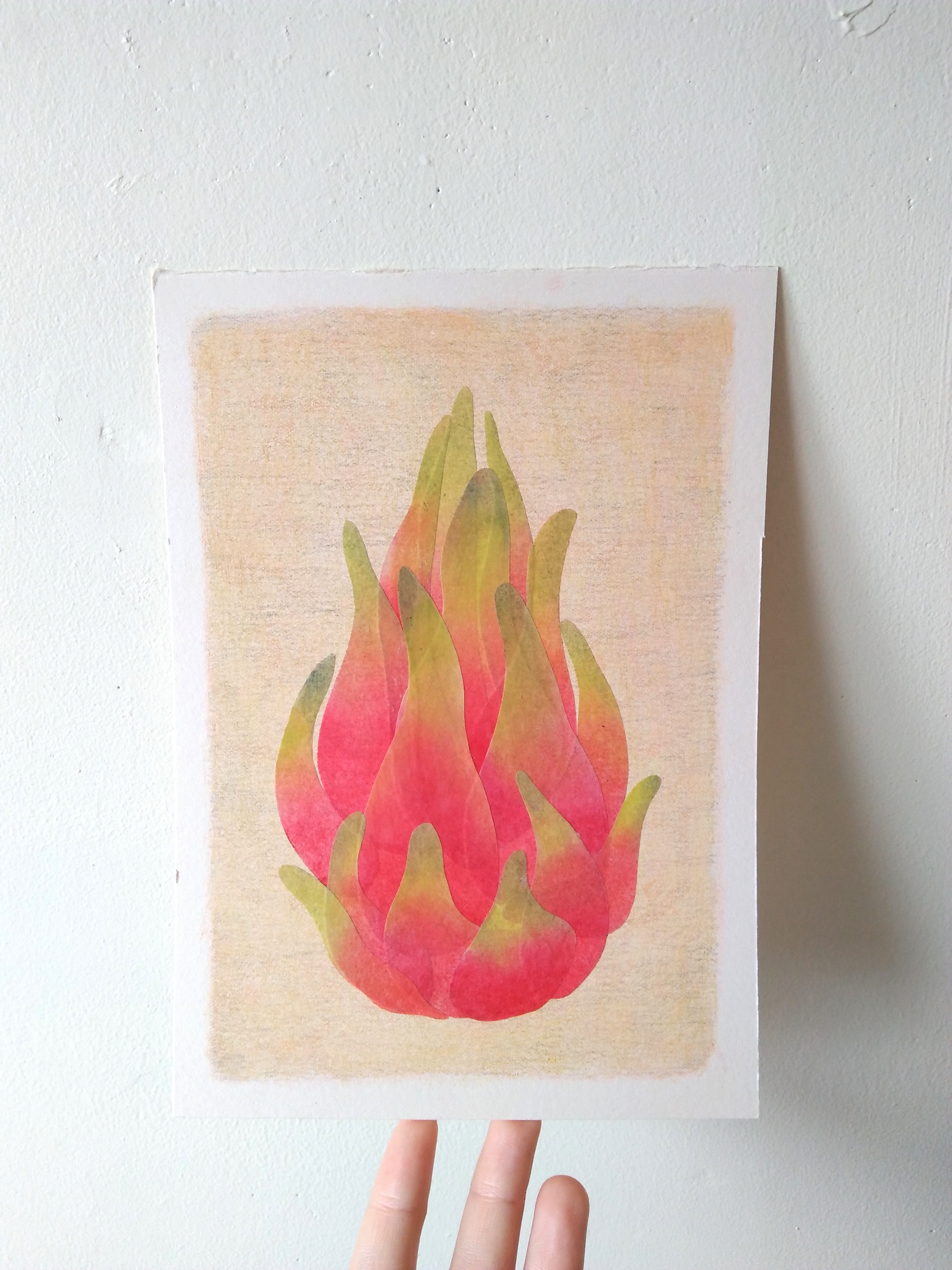
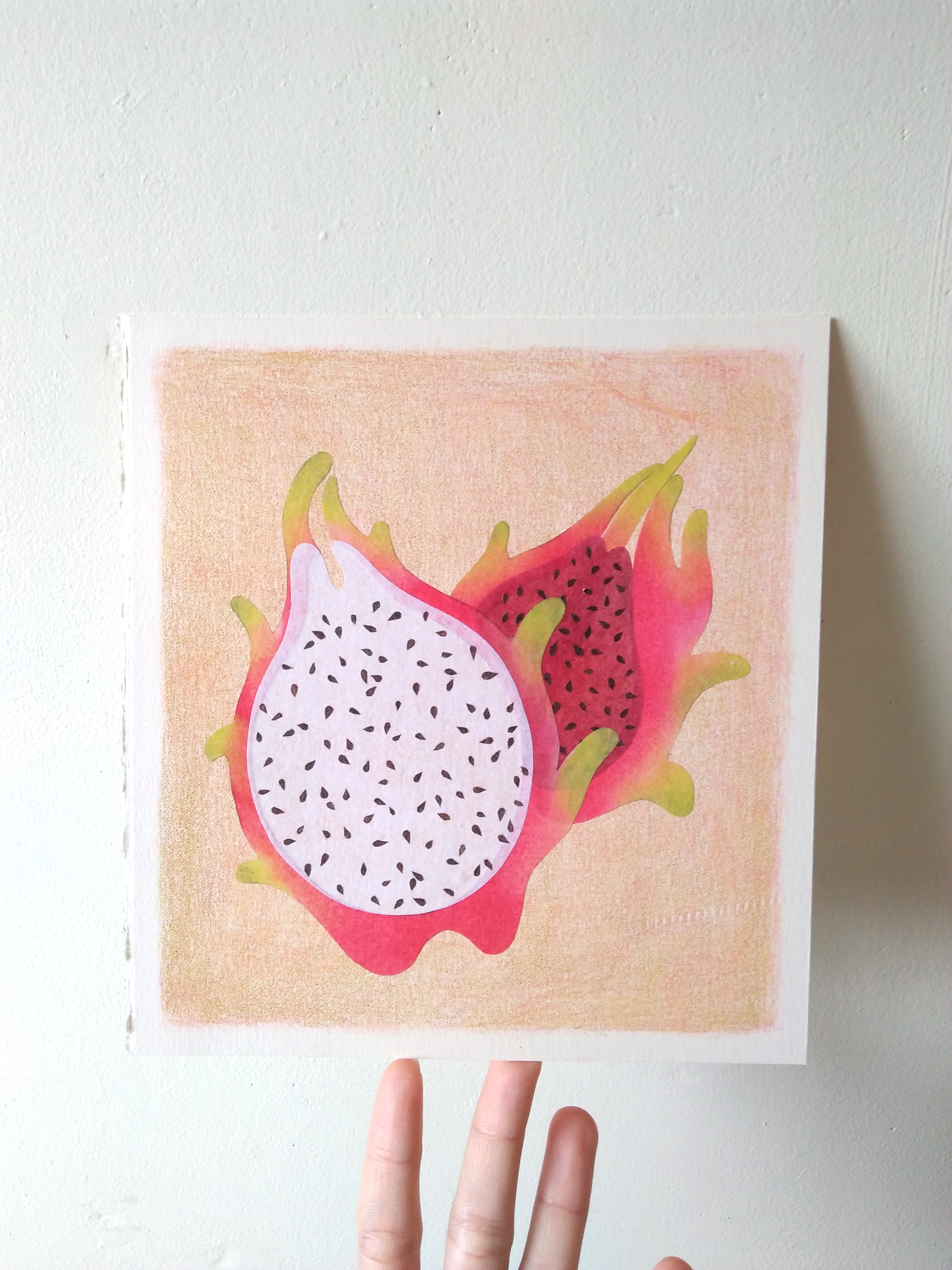
Dimensions : 18 x 23.8 cm Technique : Oil transfer technique with coloured pencil
*
Dimensions : 23.2 x 30.2 cm Technique : Oil transfer technique with coloured pencil
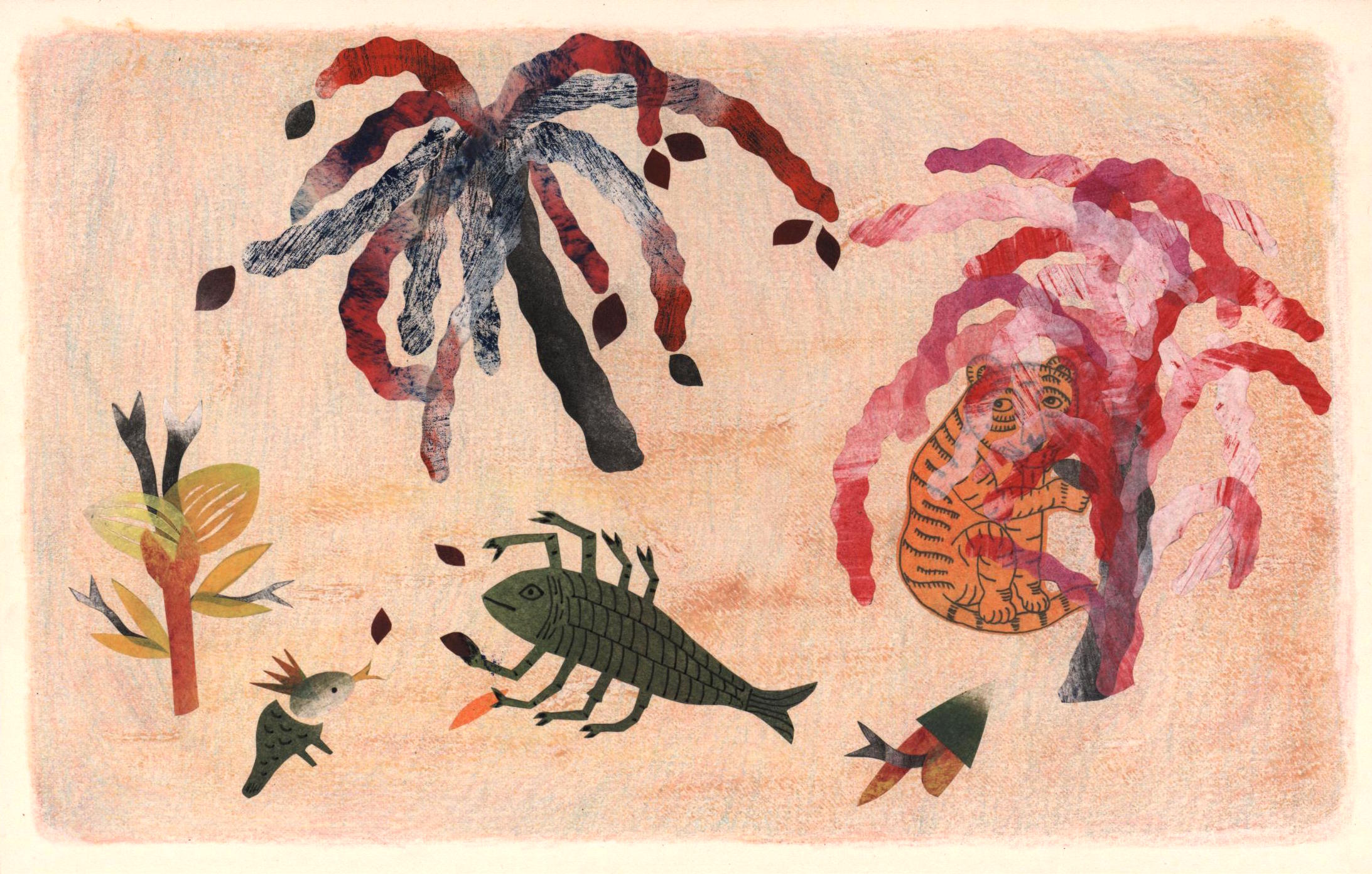
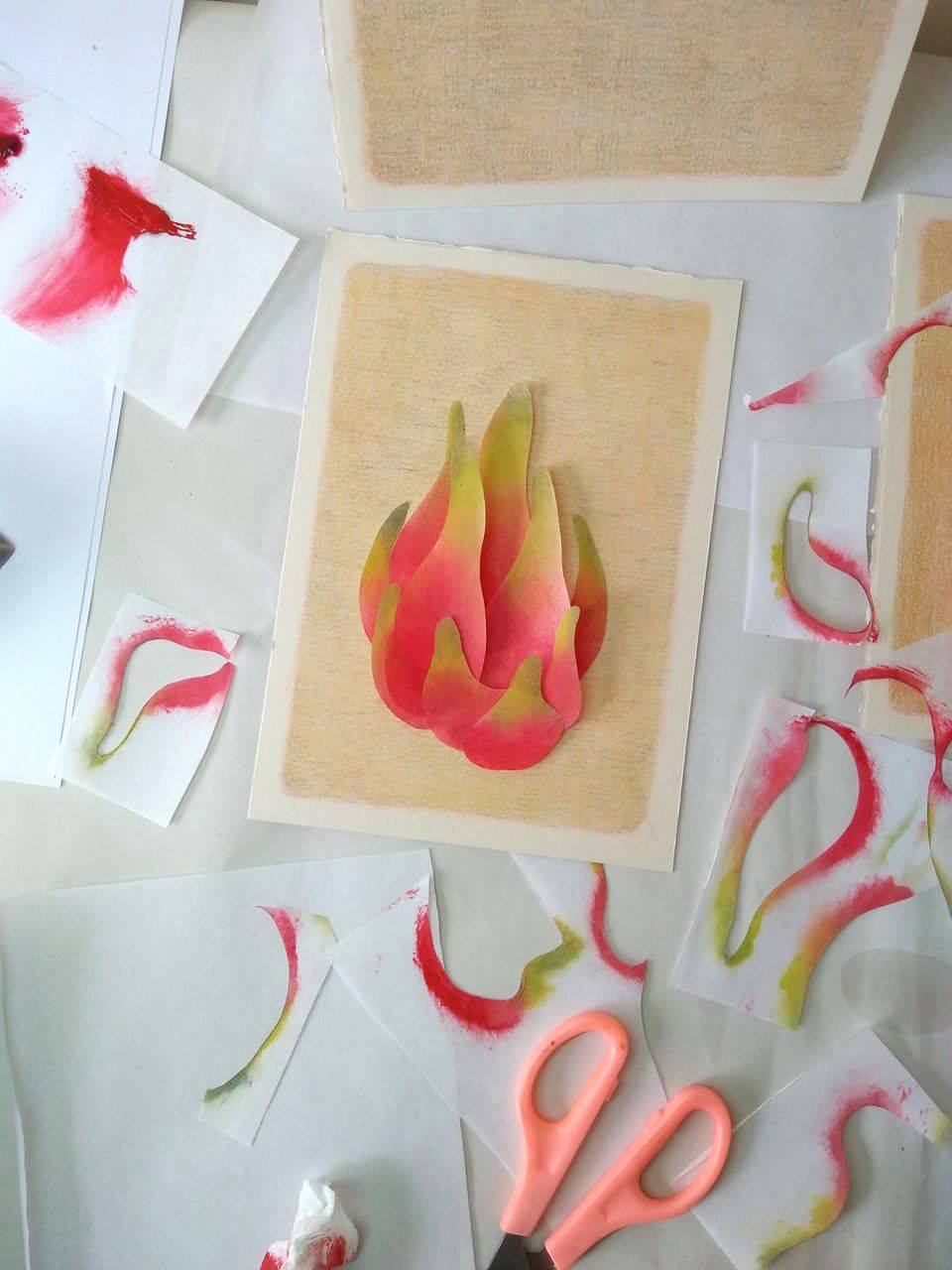
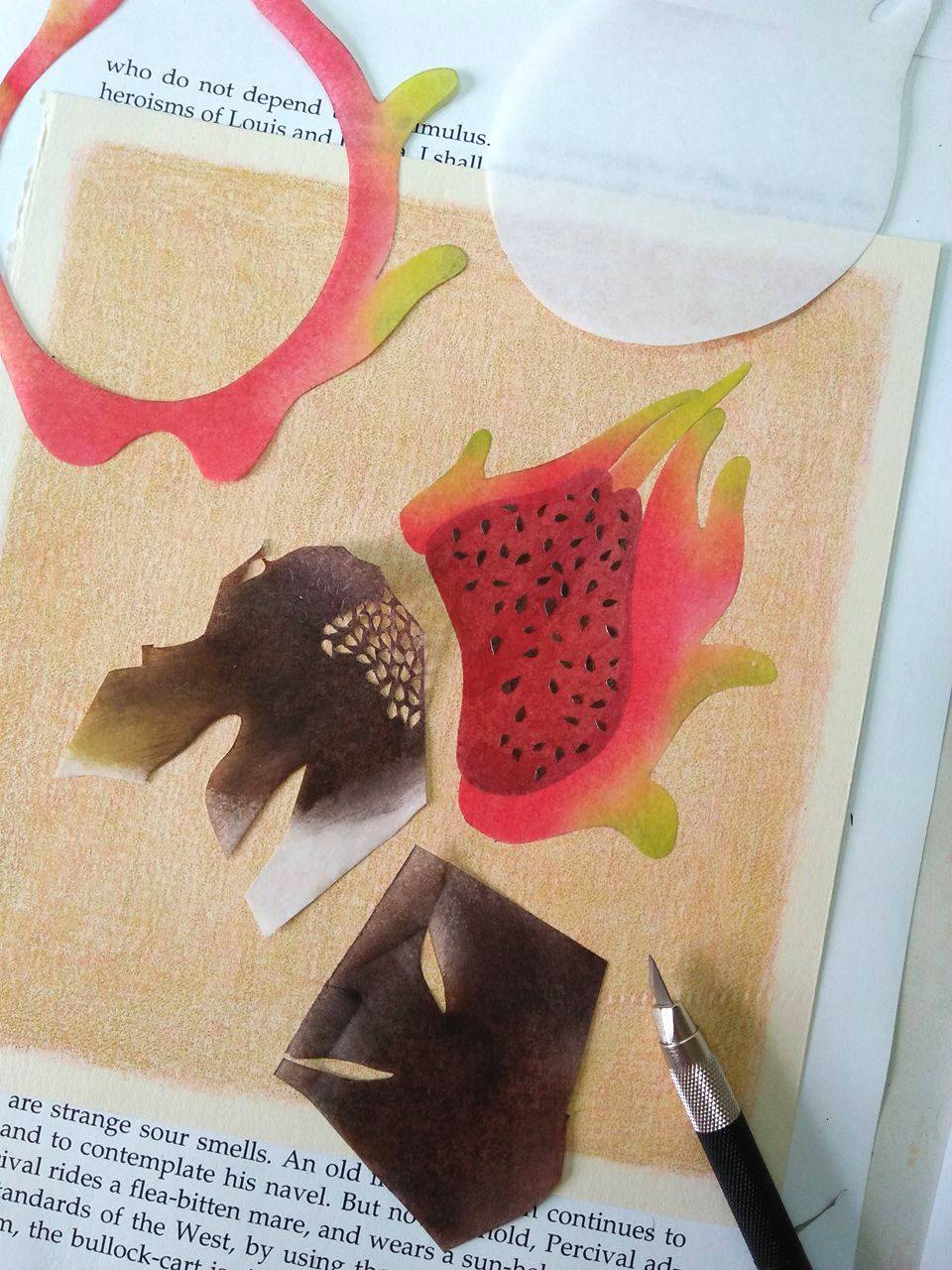
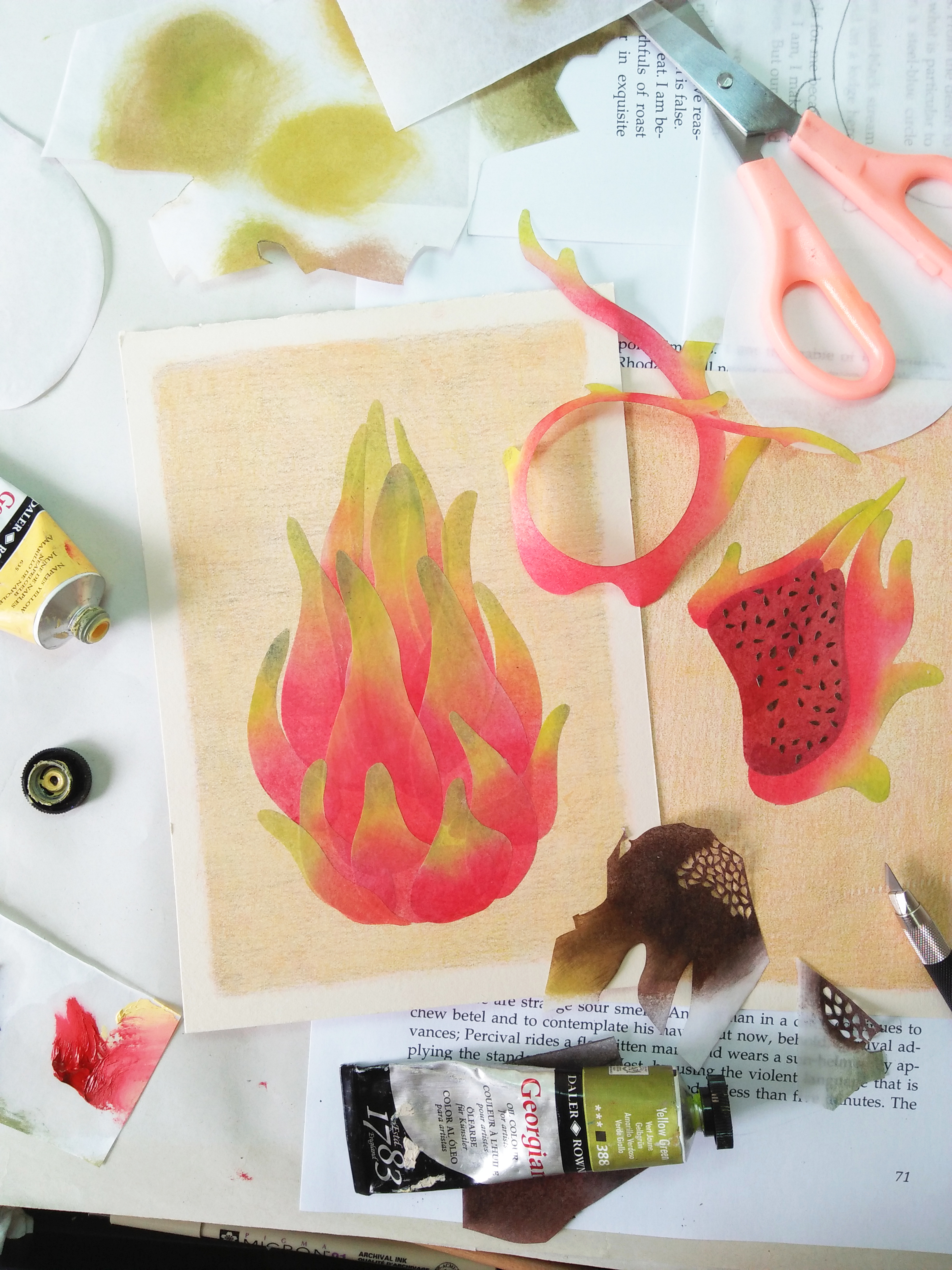
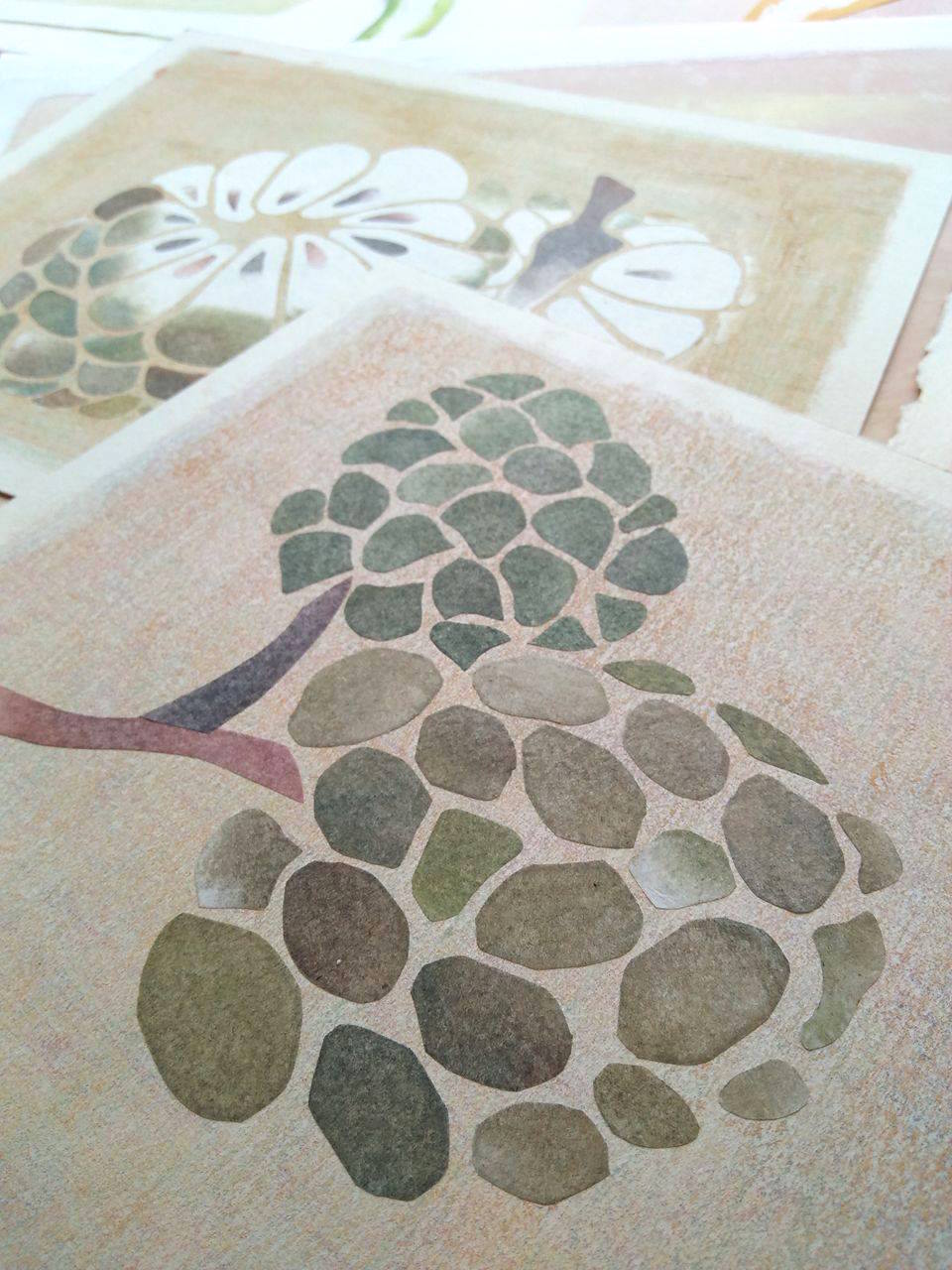
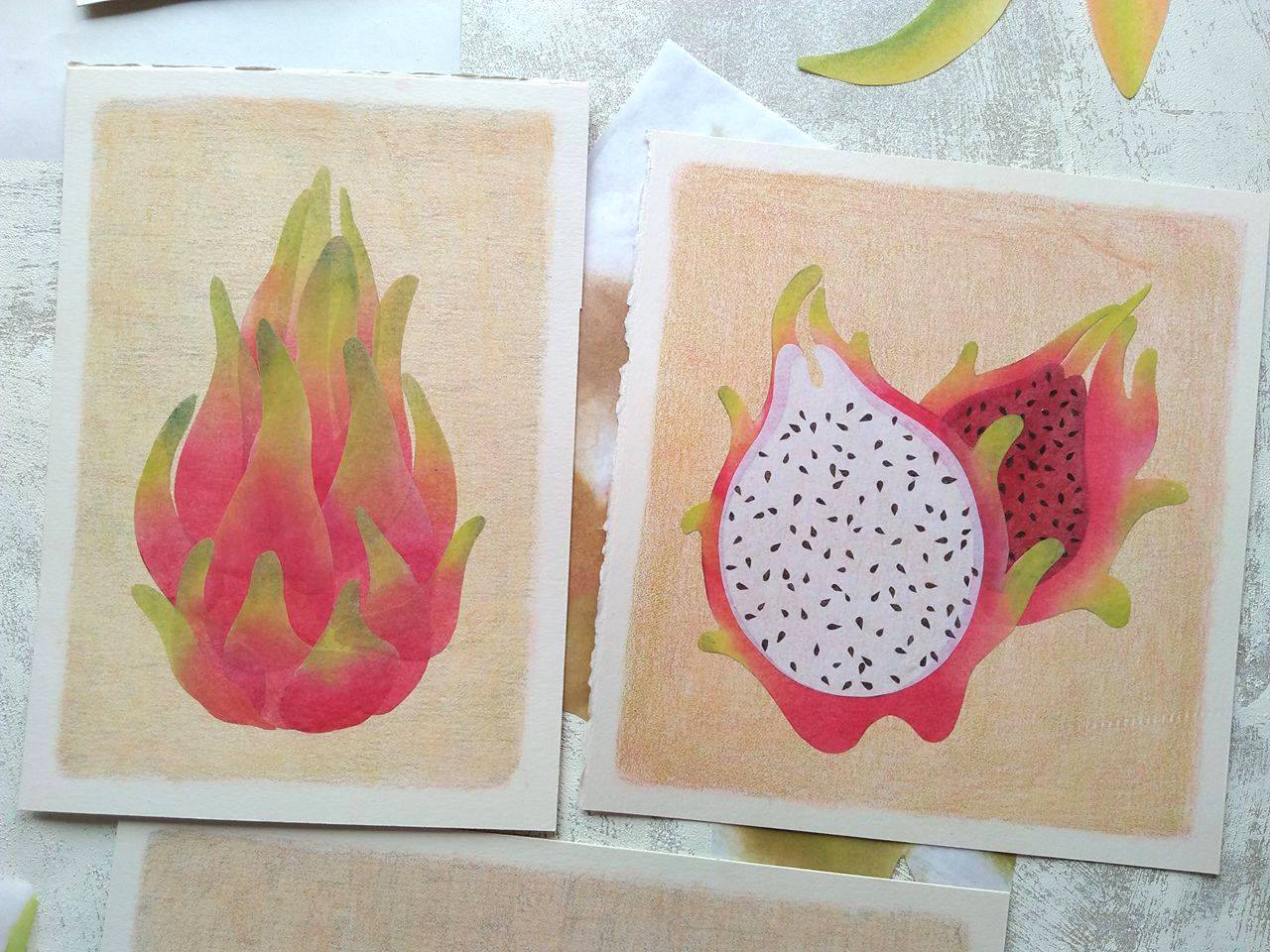
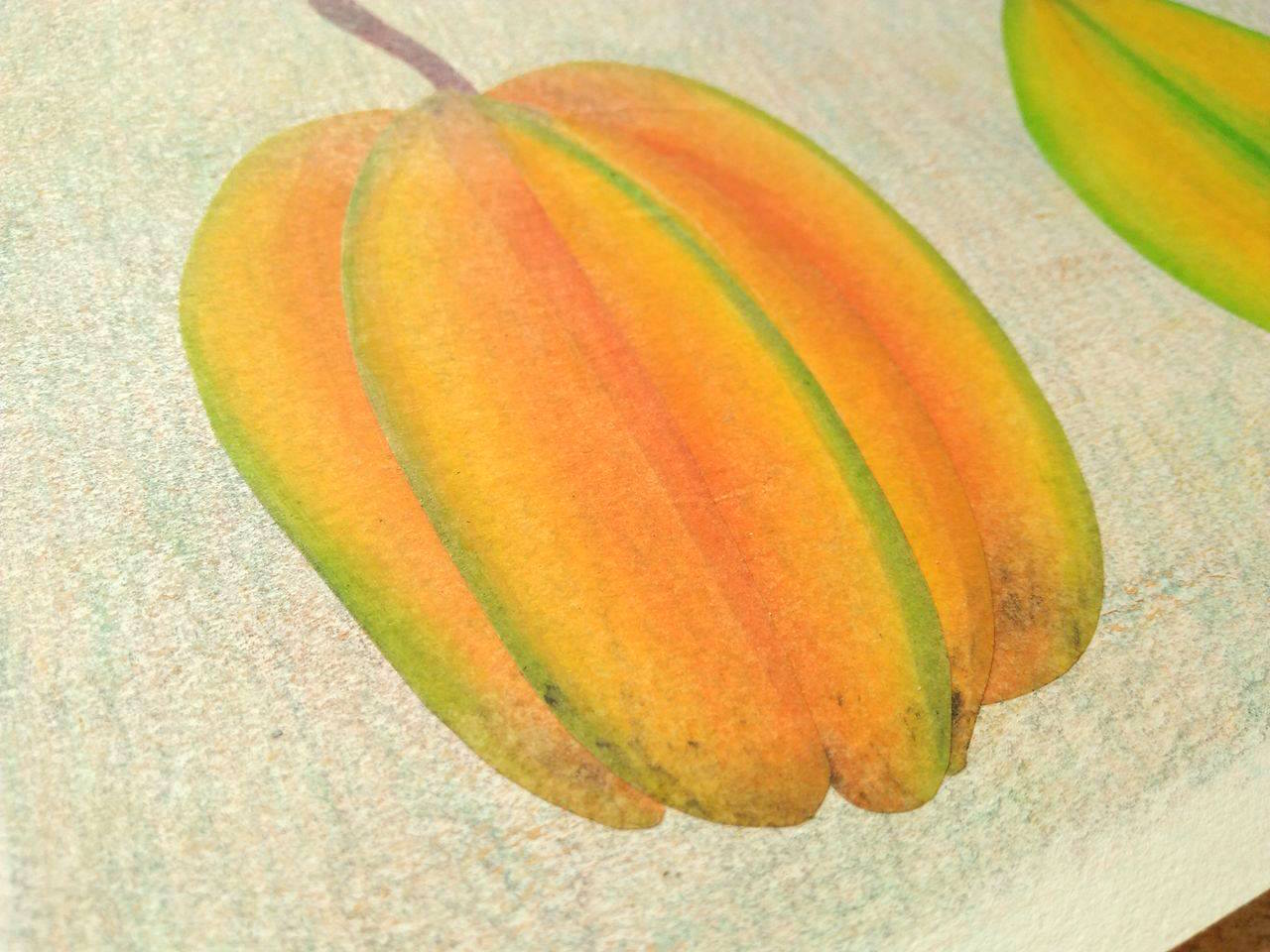
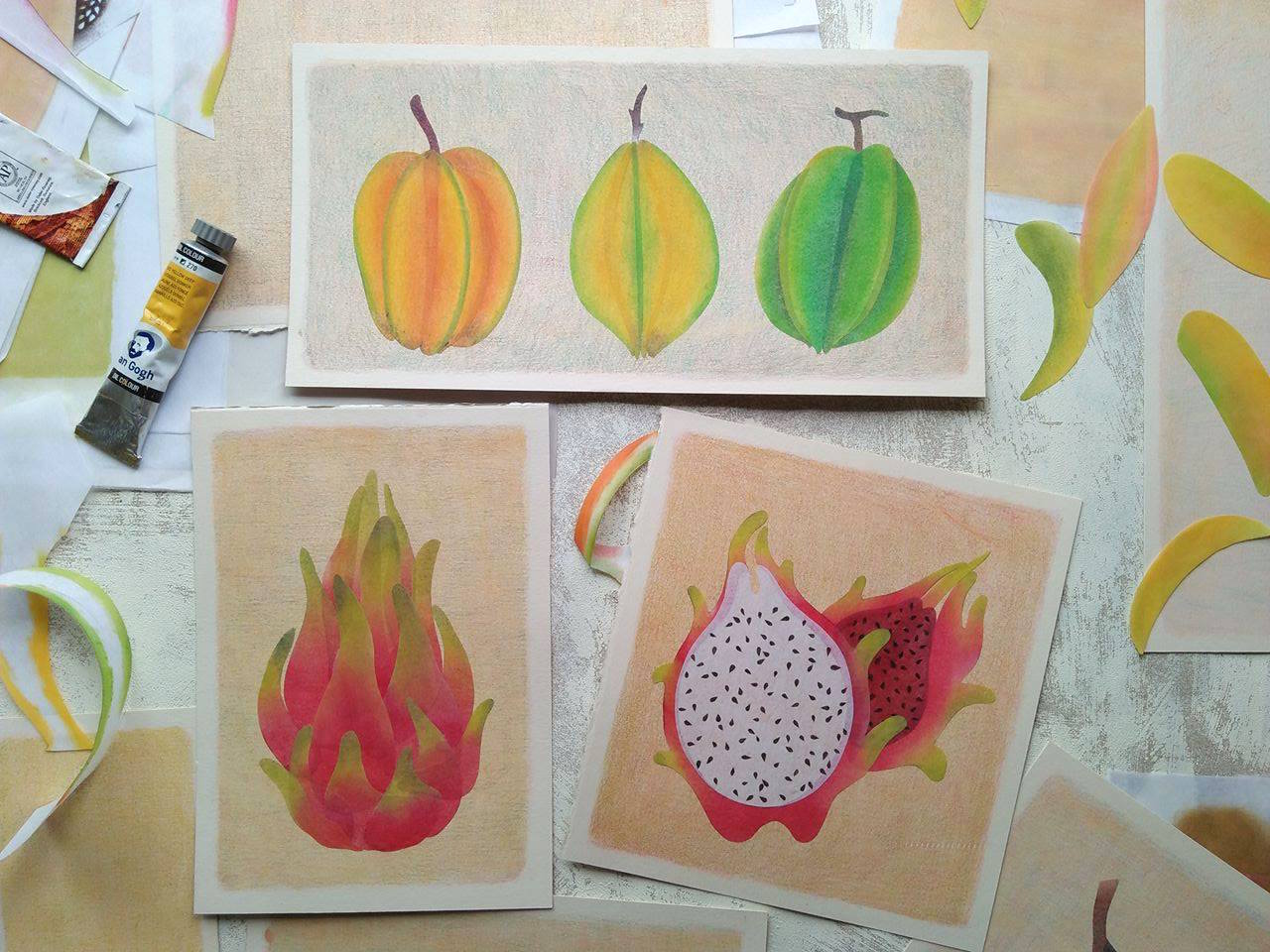
After my extream serious book cover project, I decided to take a break by creating a new colorful series of illustration (for both children and adults) named Tropical Fruits. The pictures of all materials and process are below. I hope you enjoyed it!
I created layers by using 3-4 colored pencils per one piece.
*
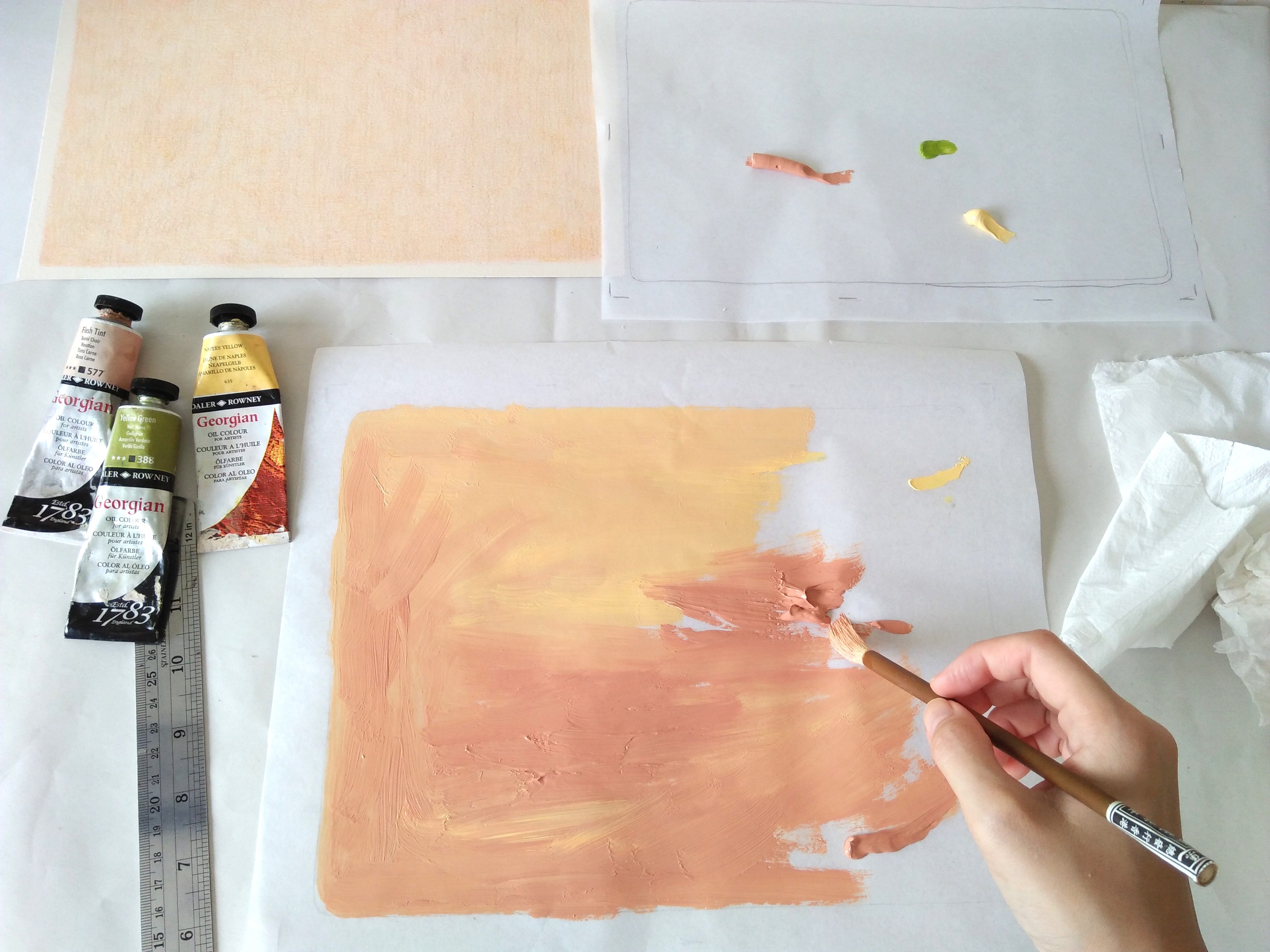
Oil color was printed on colored pencil layers.
*
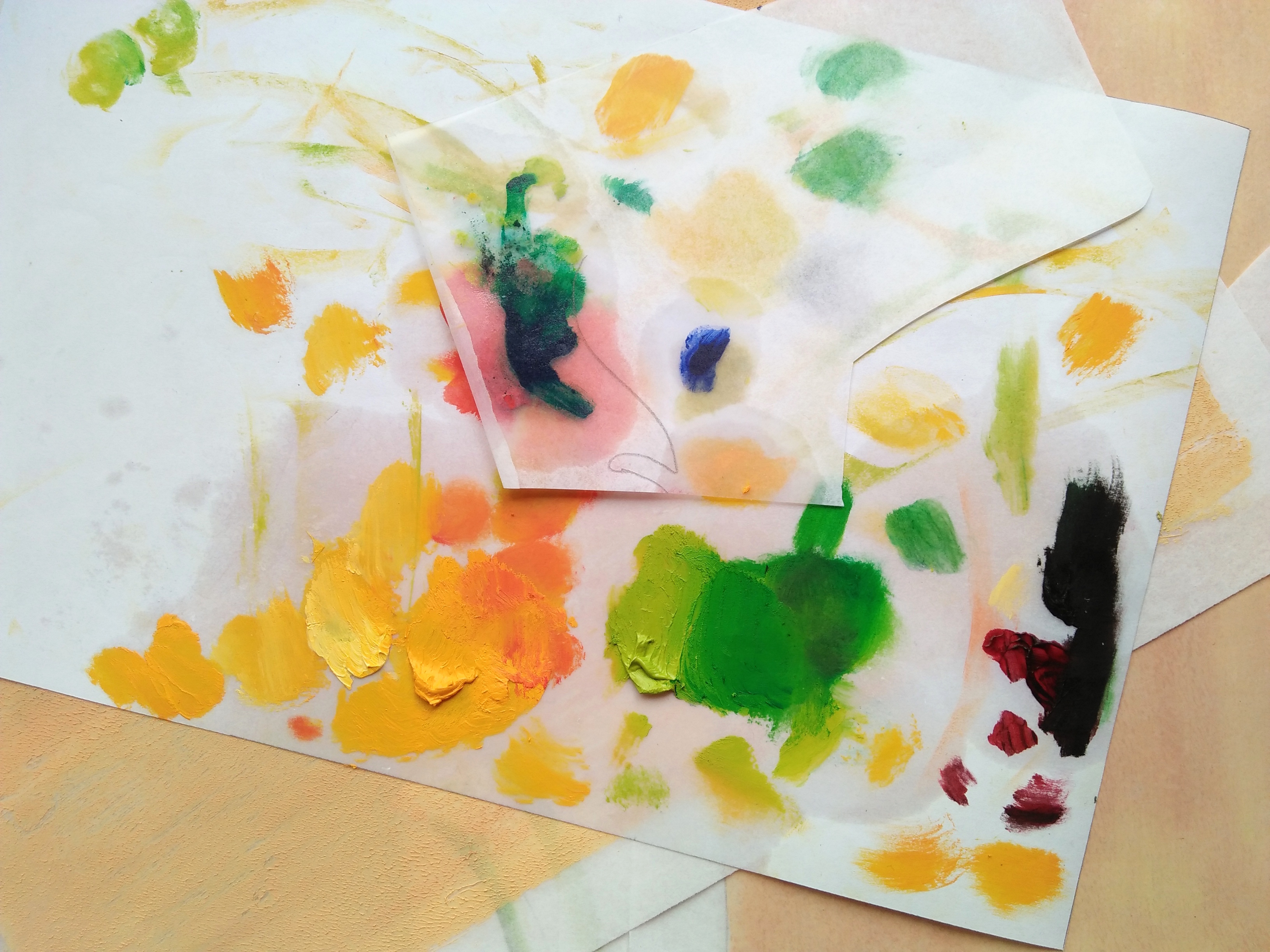
oil color on tracing paper
*
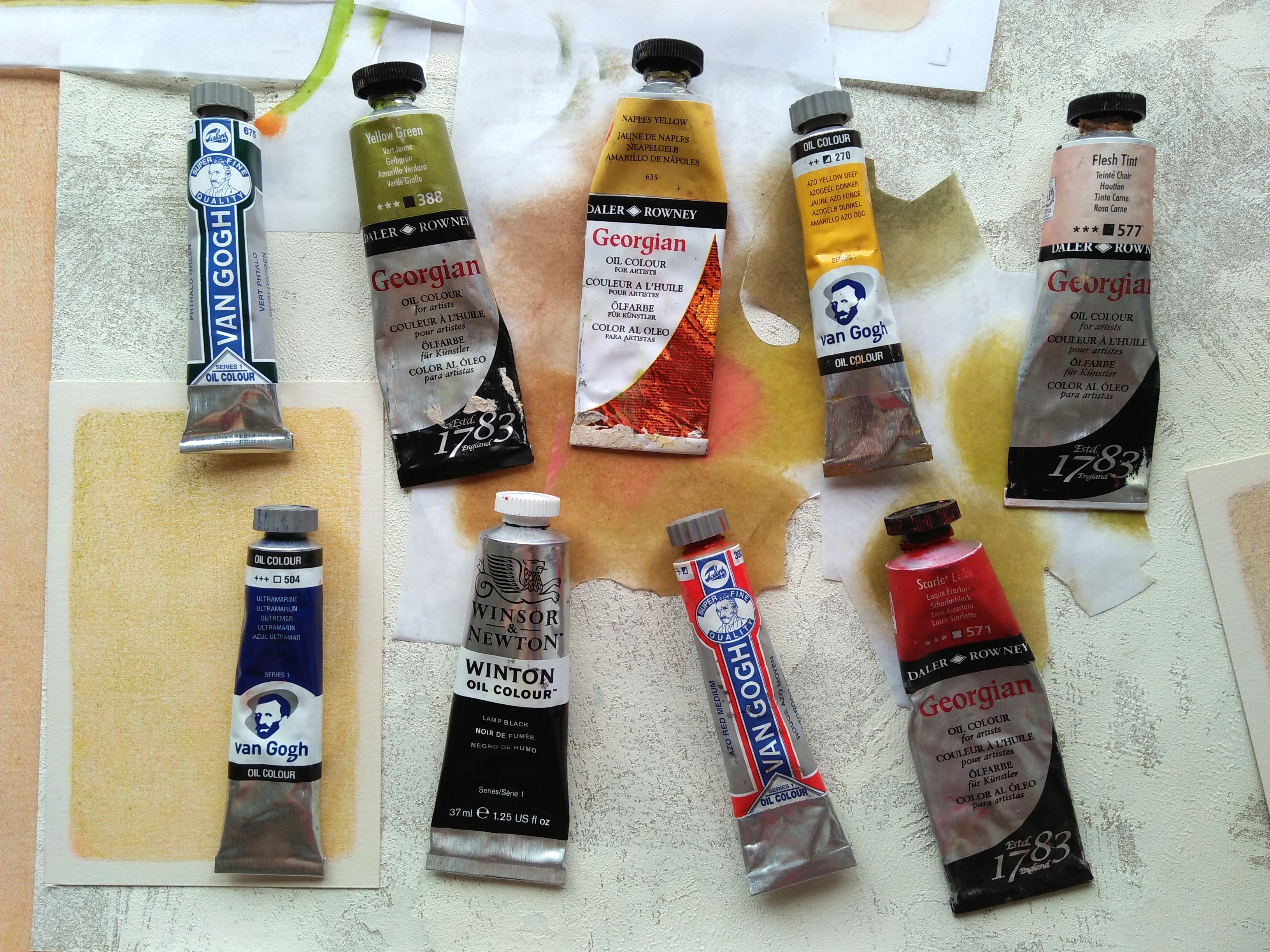
Georgian oil color (Flesh Tint, Scarlet Lake, Naples Yellow, Yellow Green) – Van Gogh oil color (Azo Yellow Deep, Phthalo Green, Ultramarine) – Winton oil color (Black)
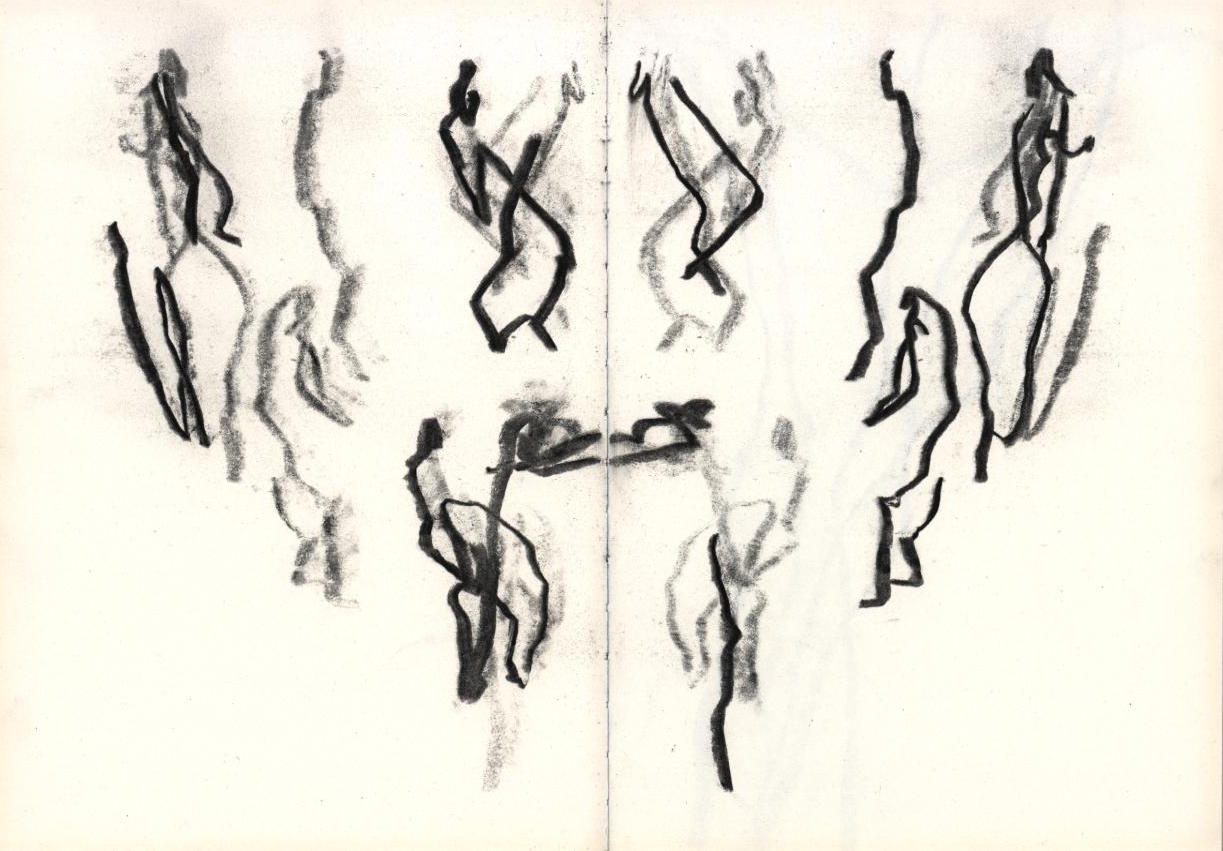
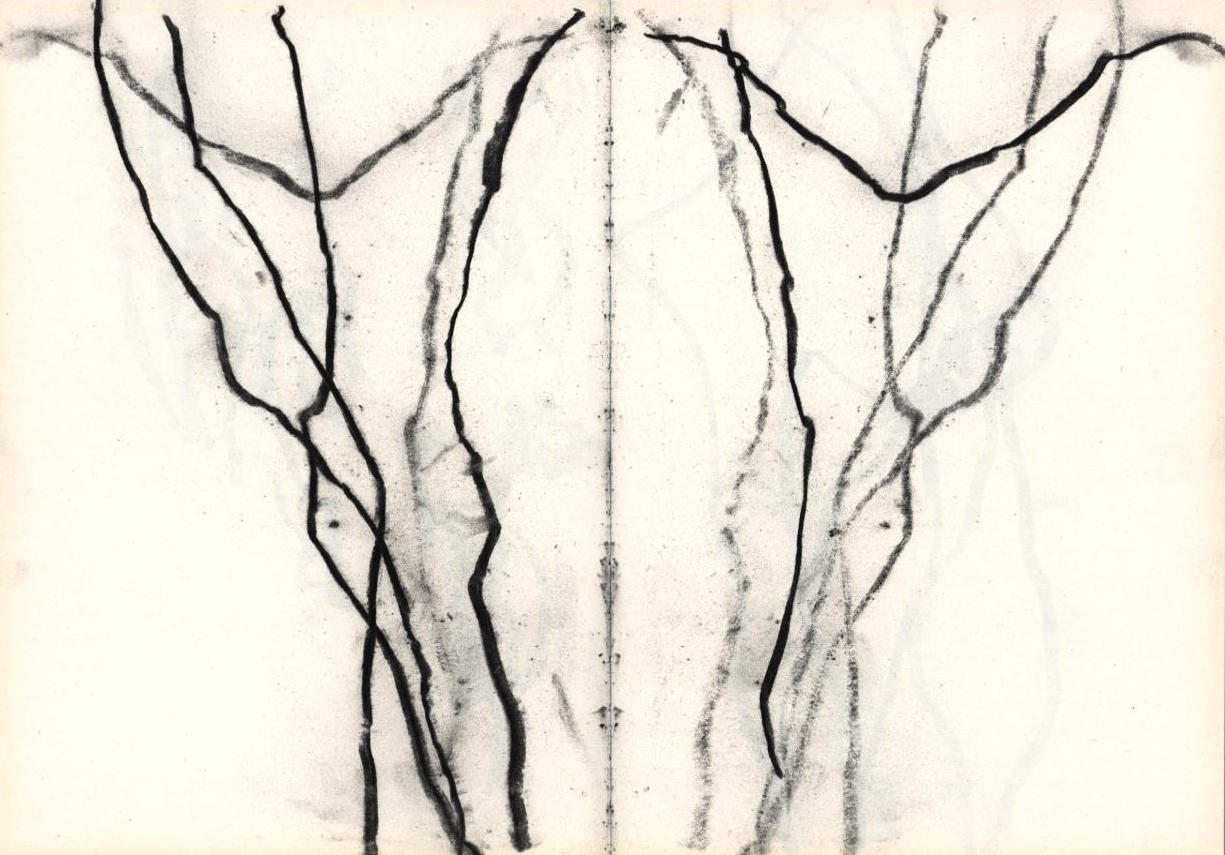
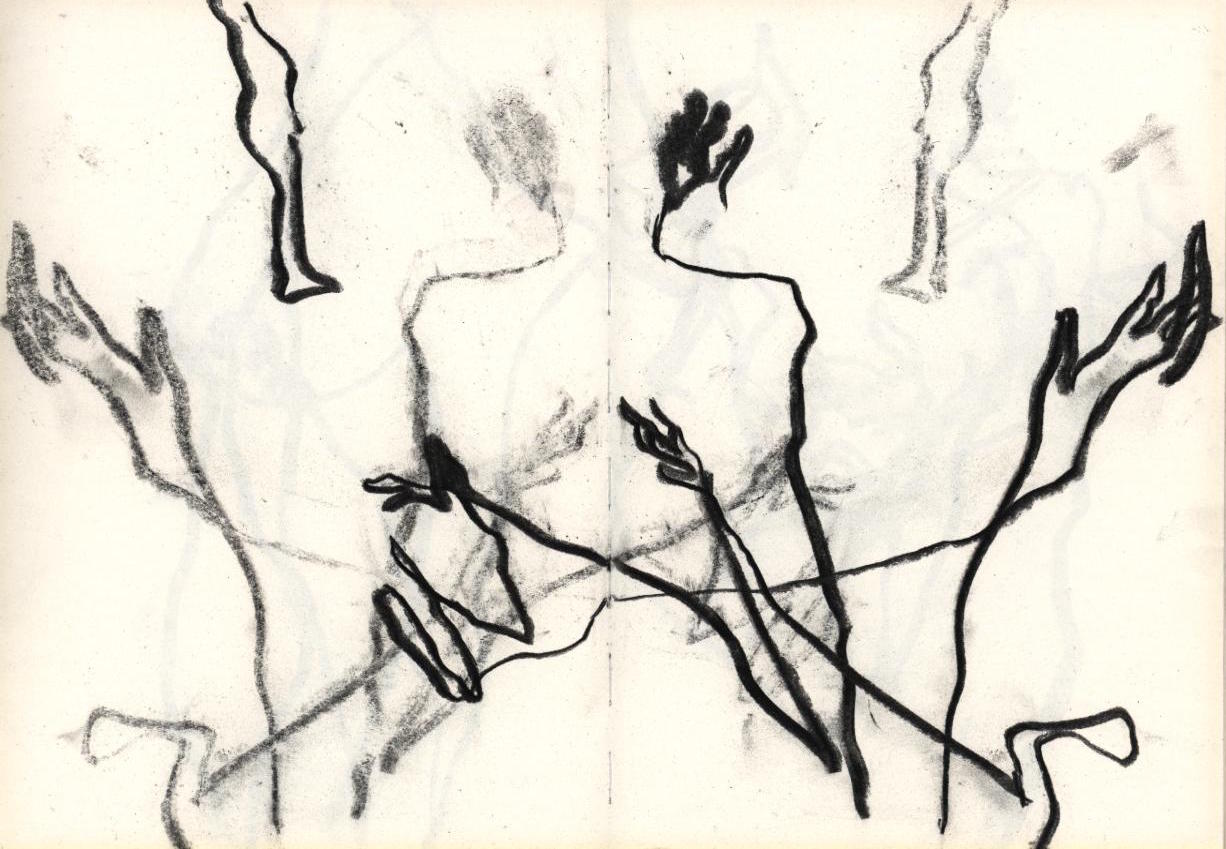
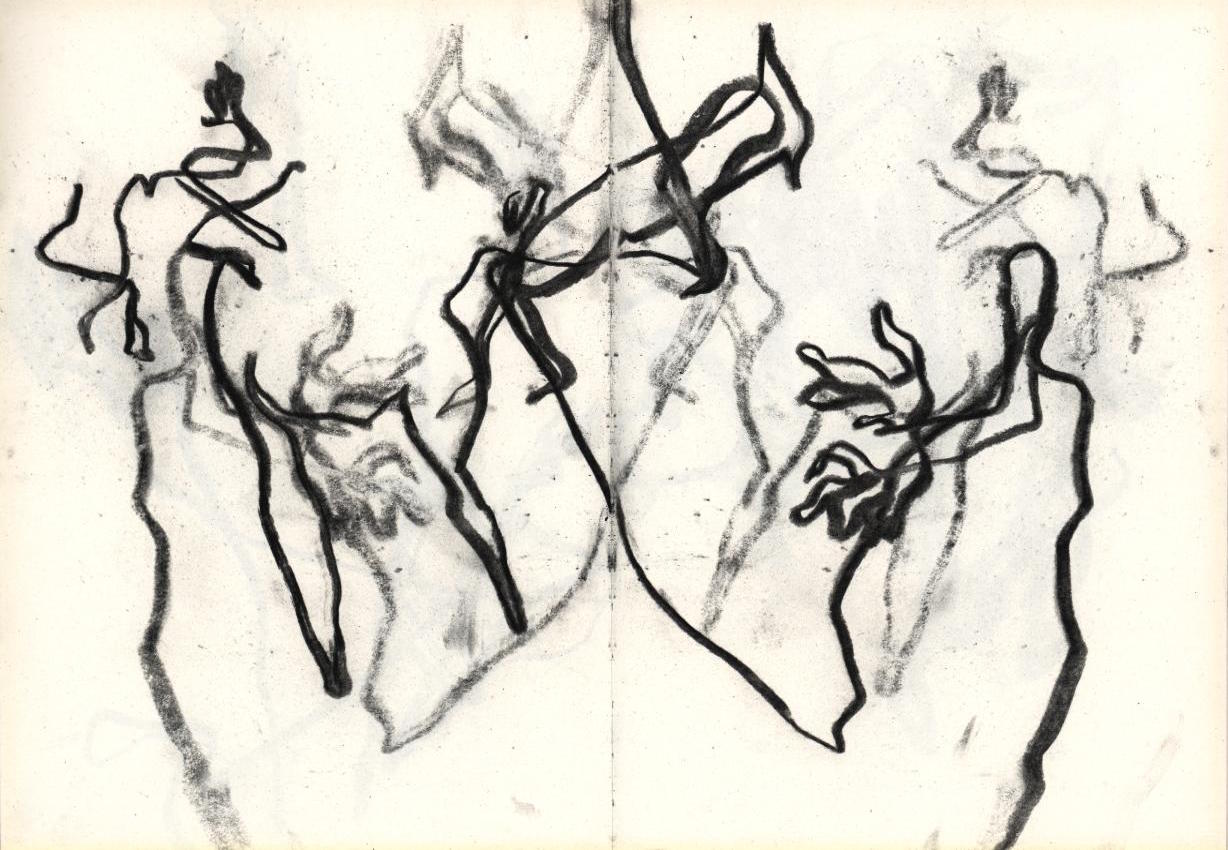
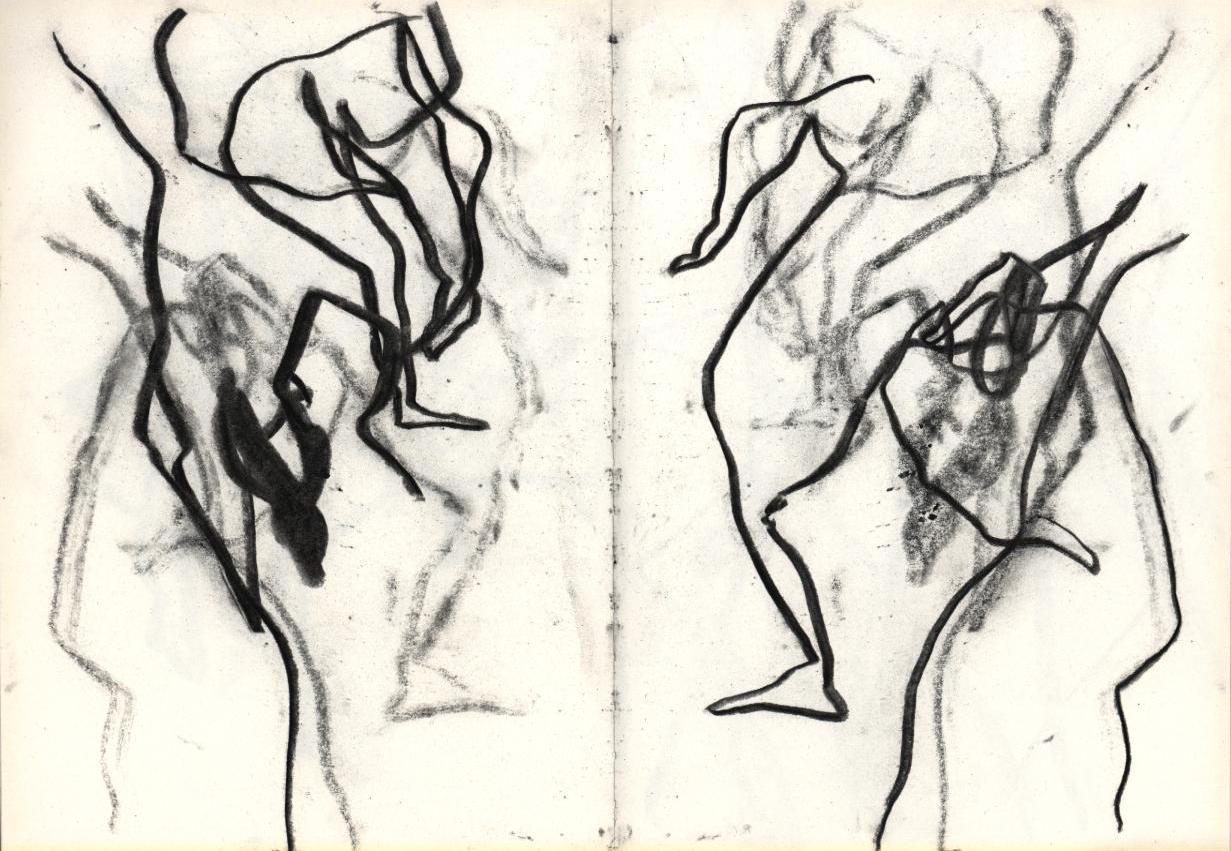
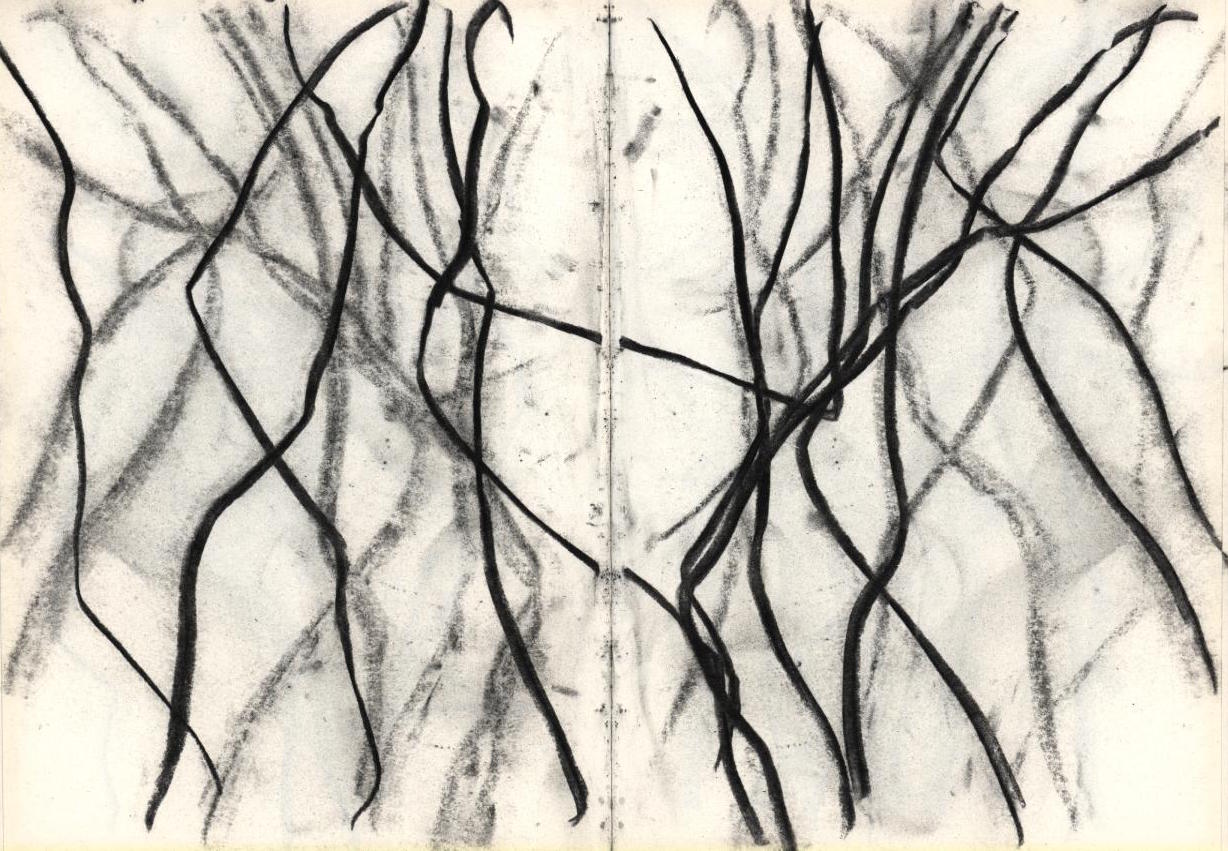
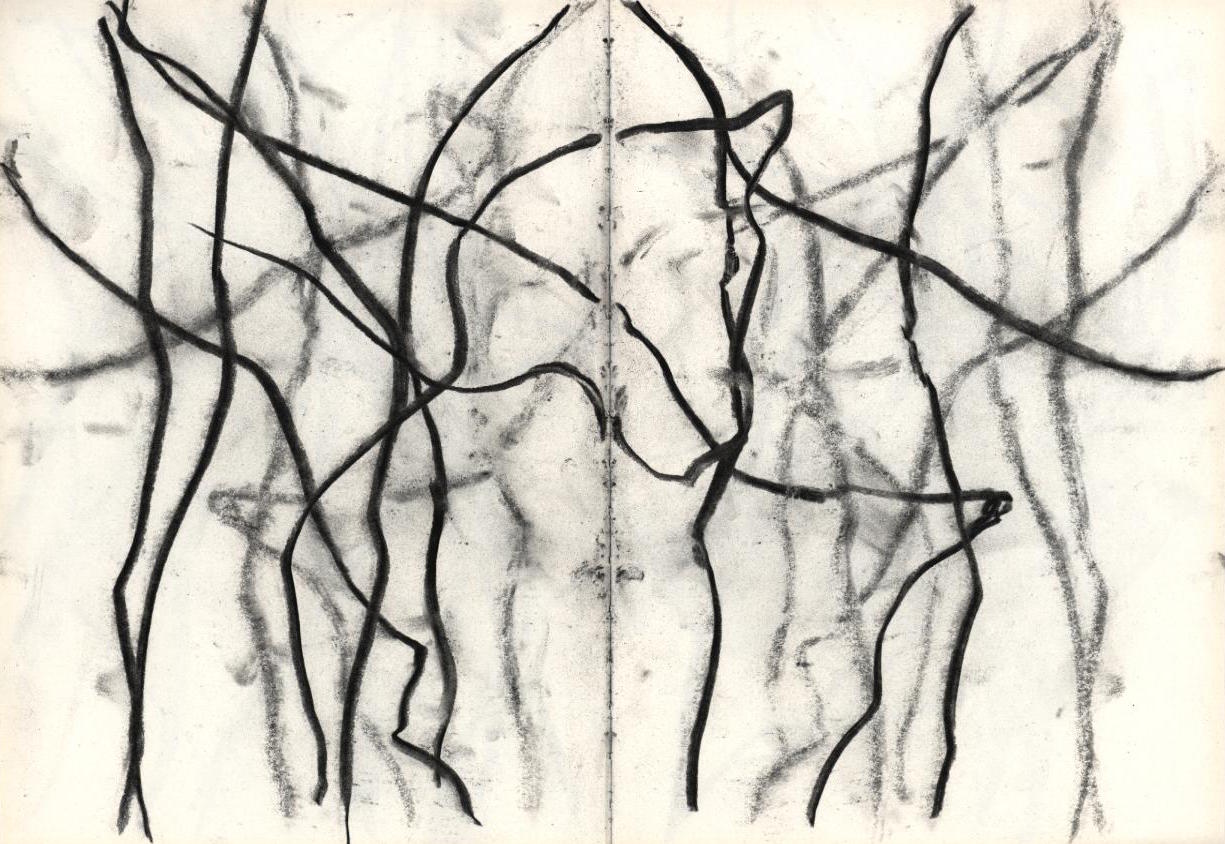
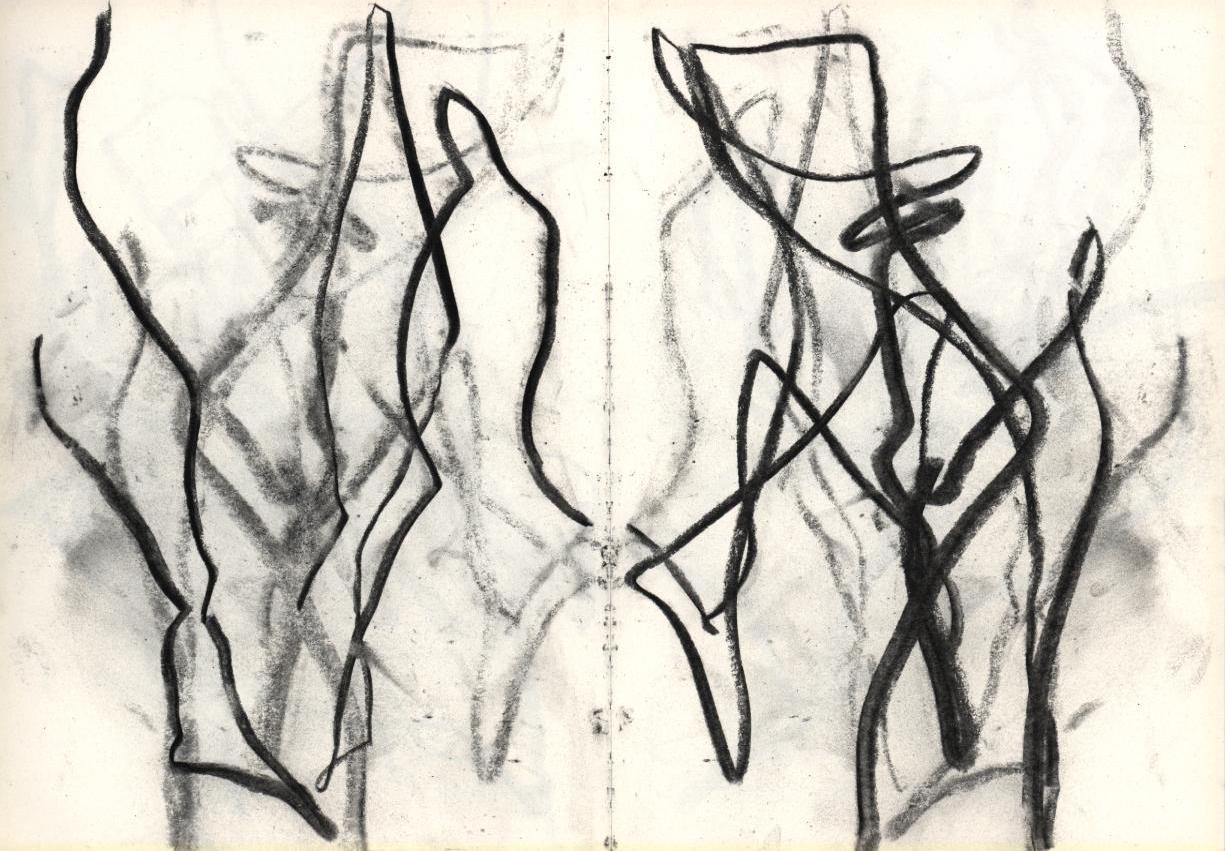
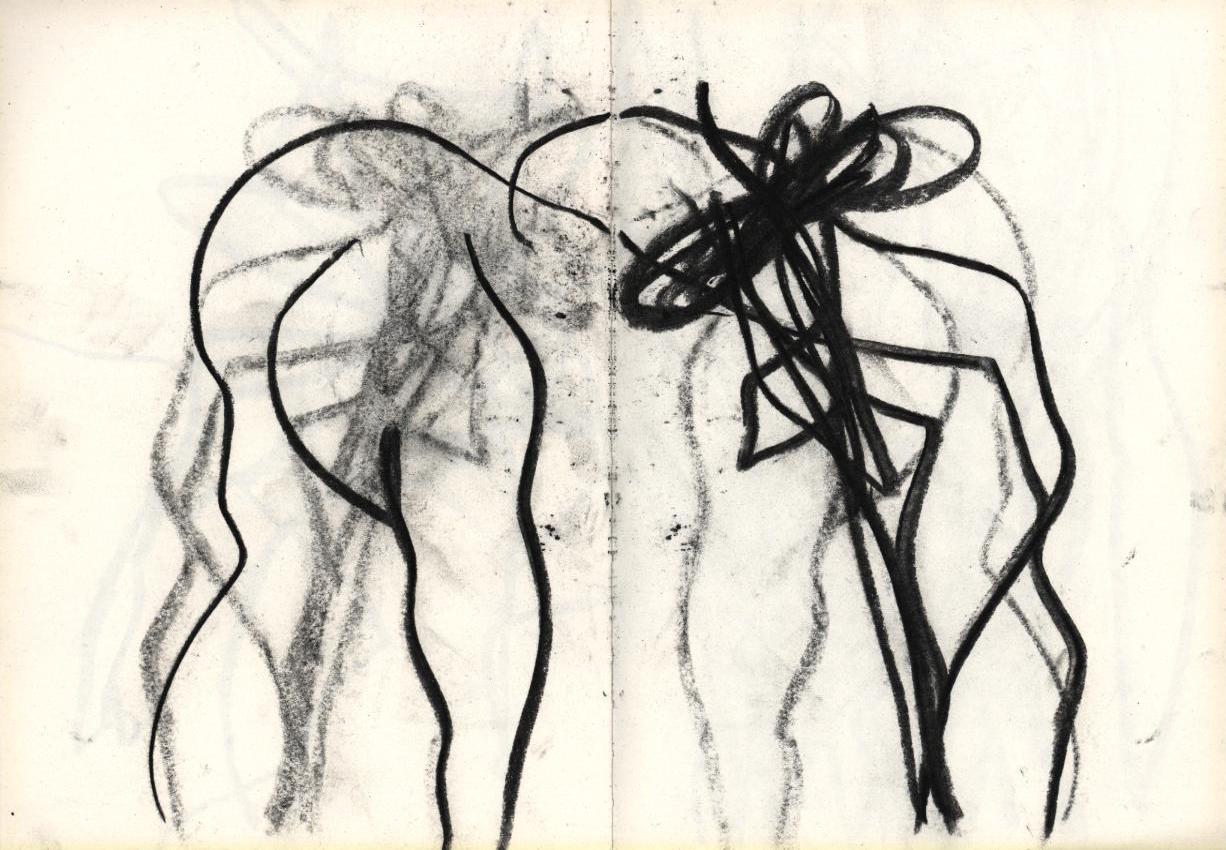
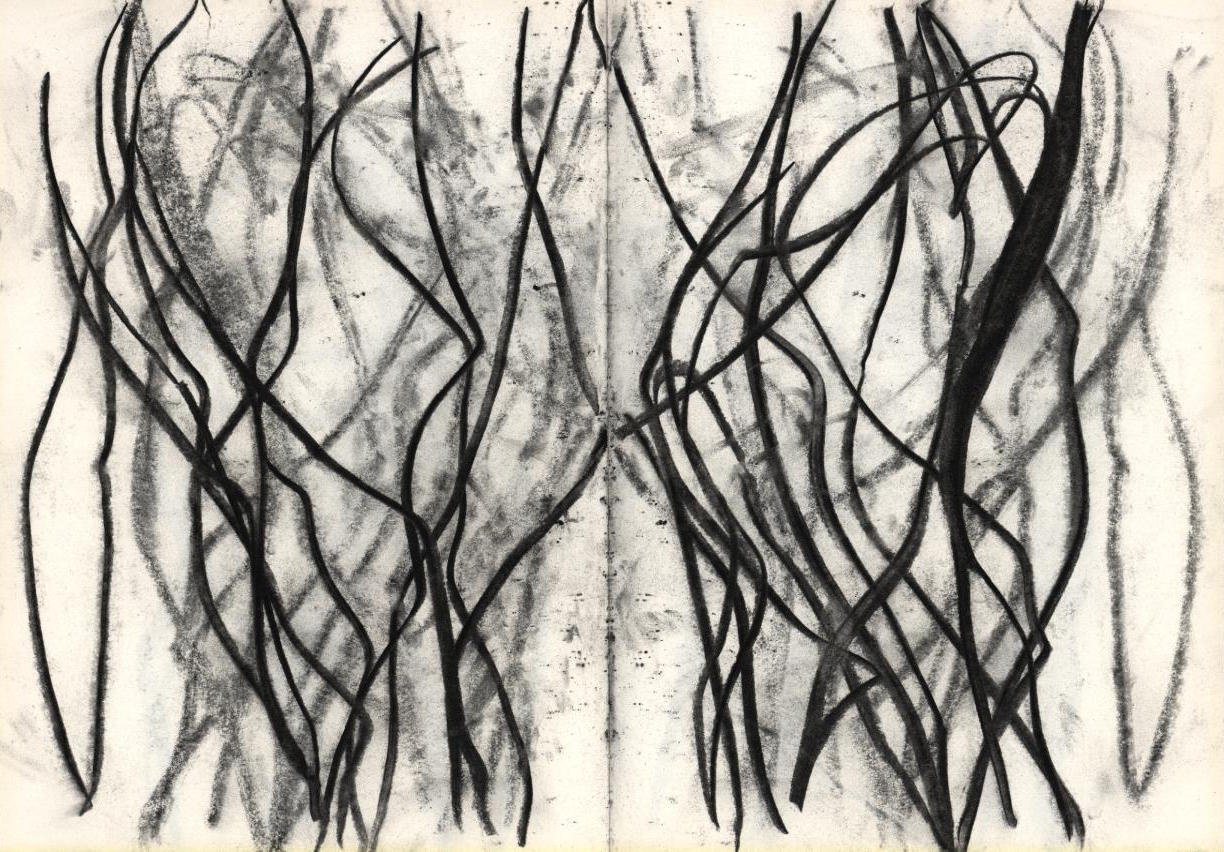
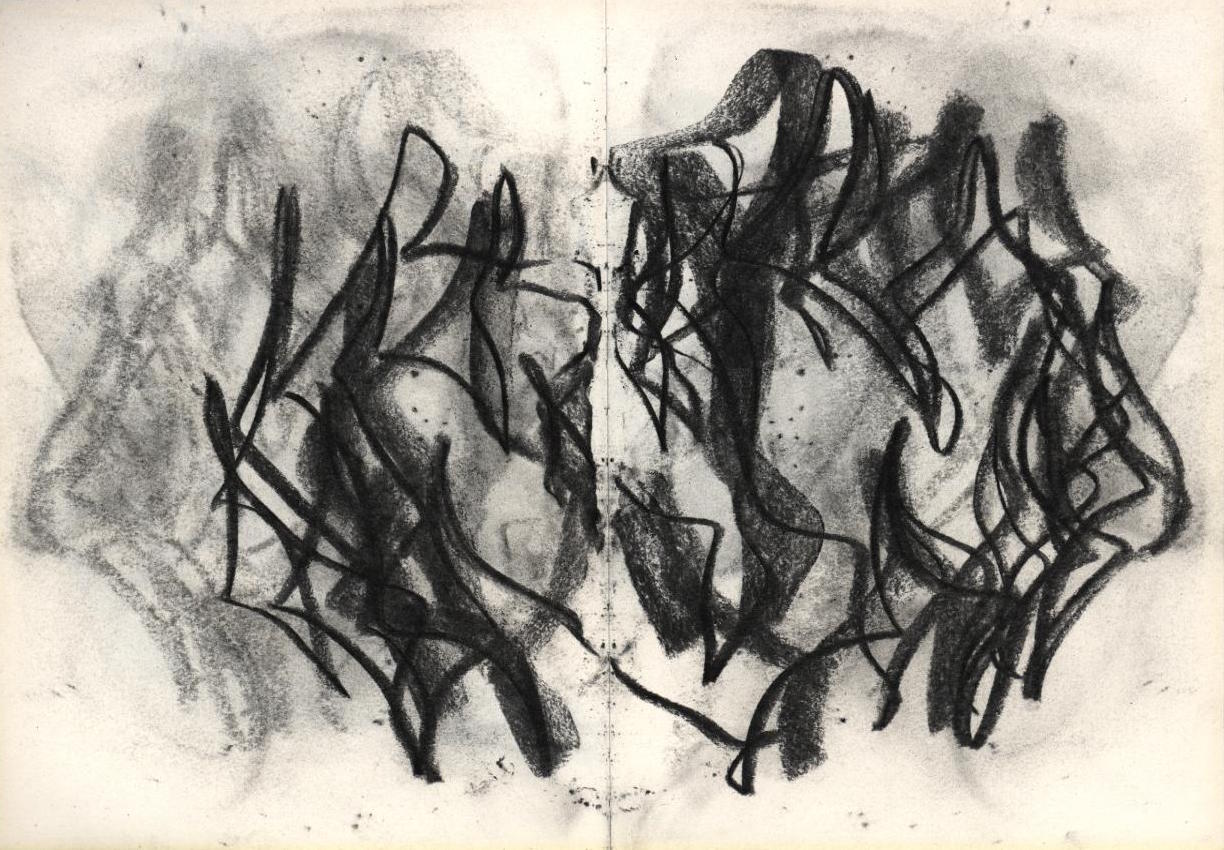
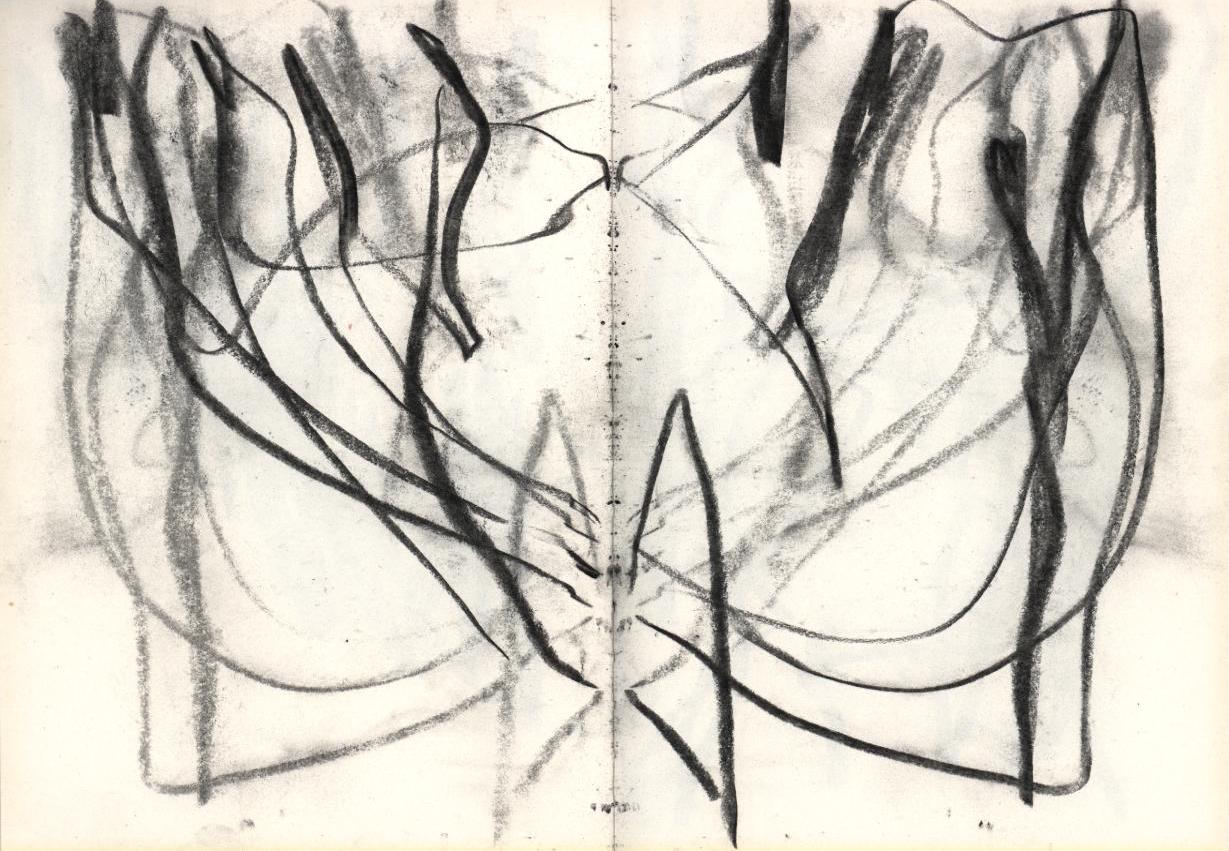
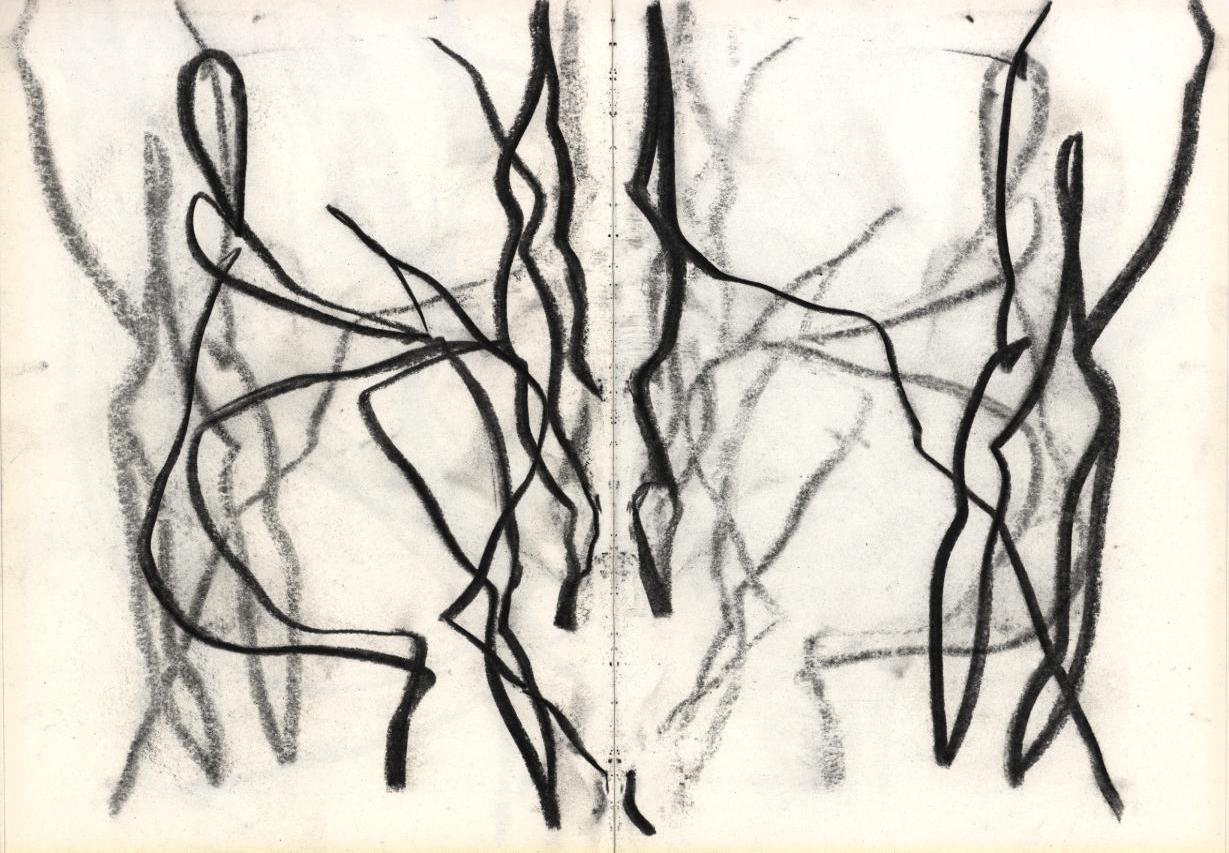
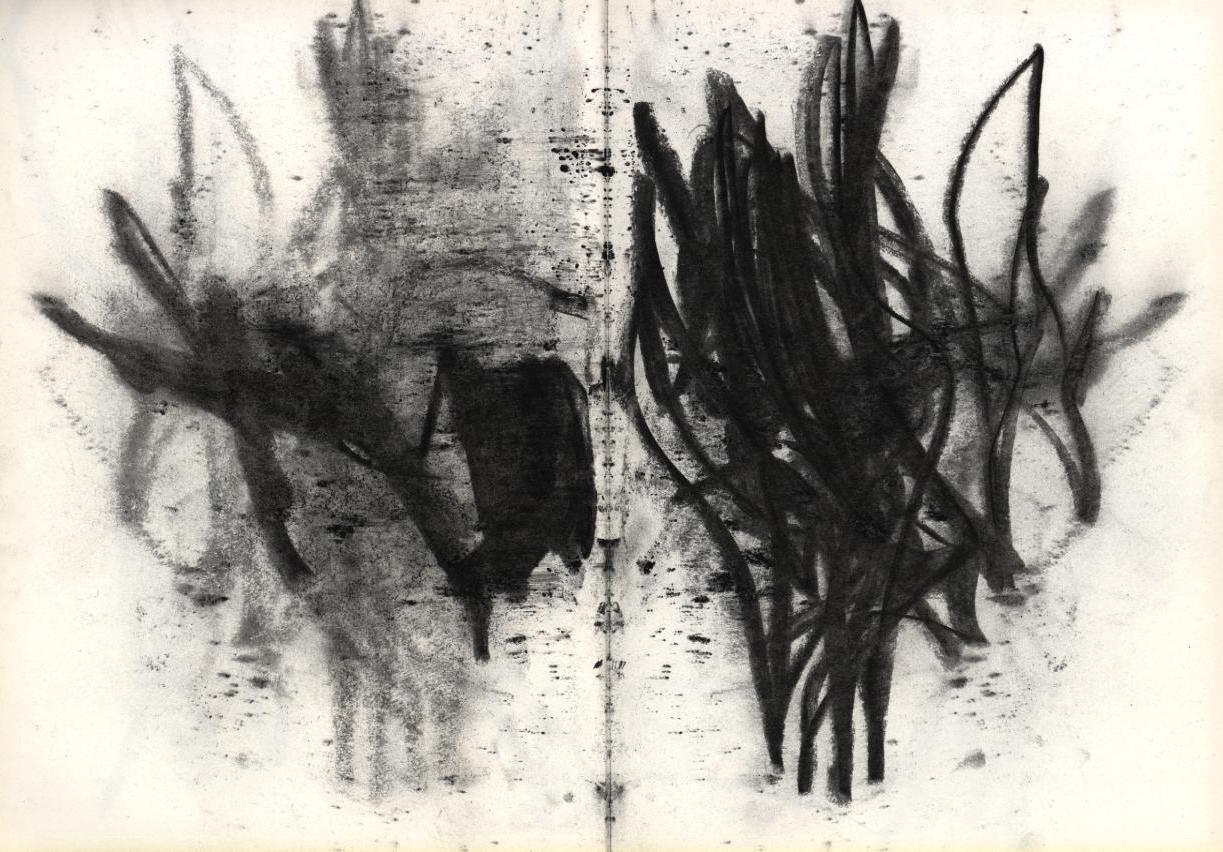
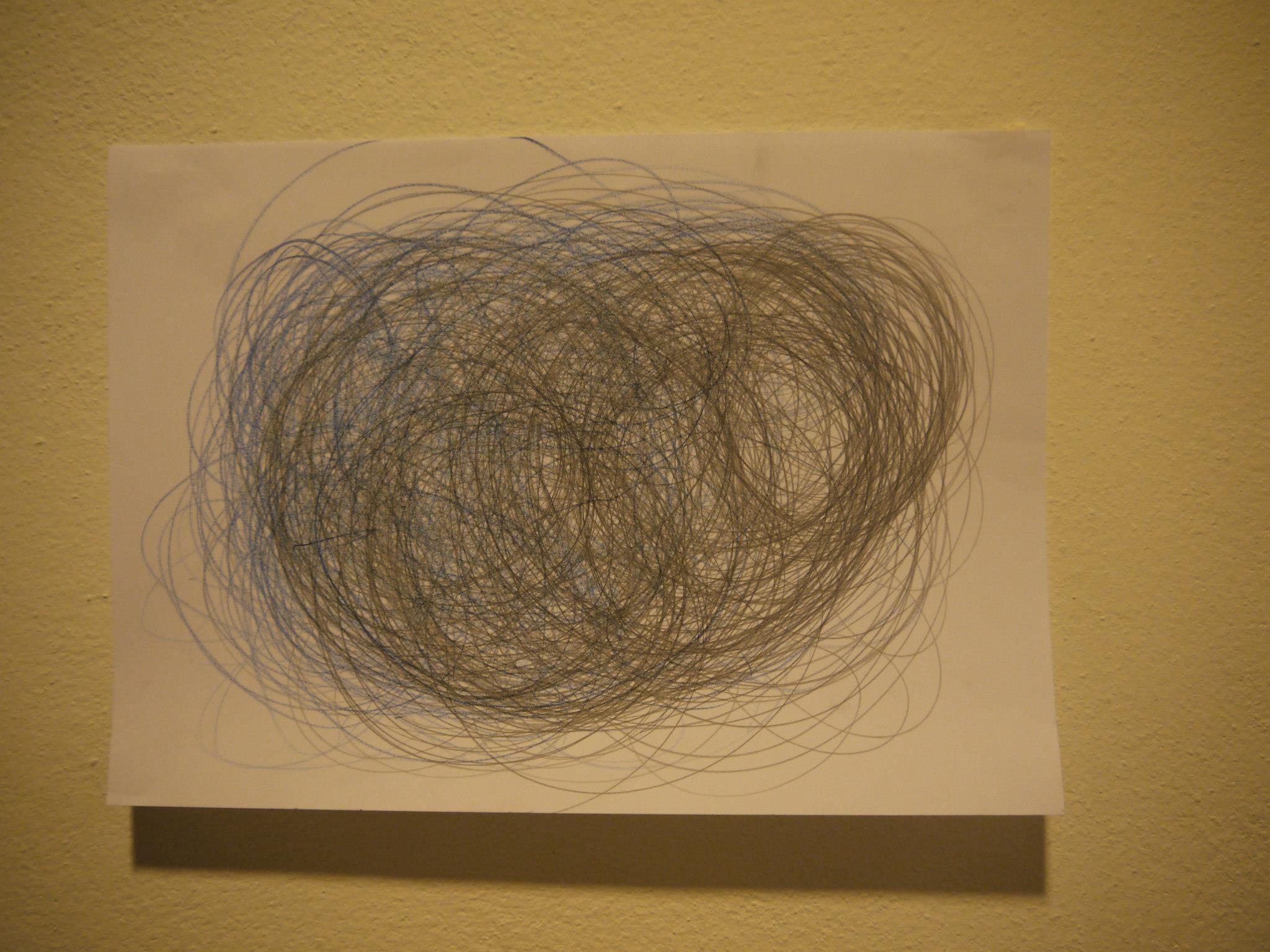
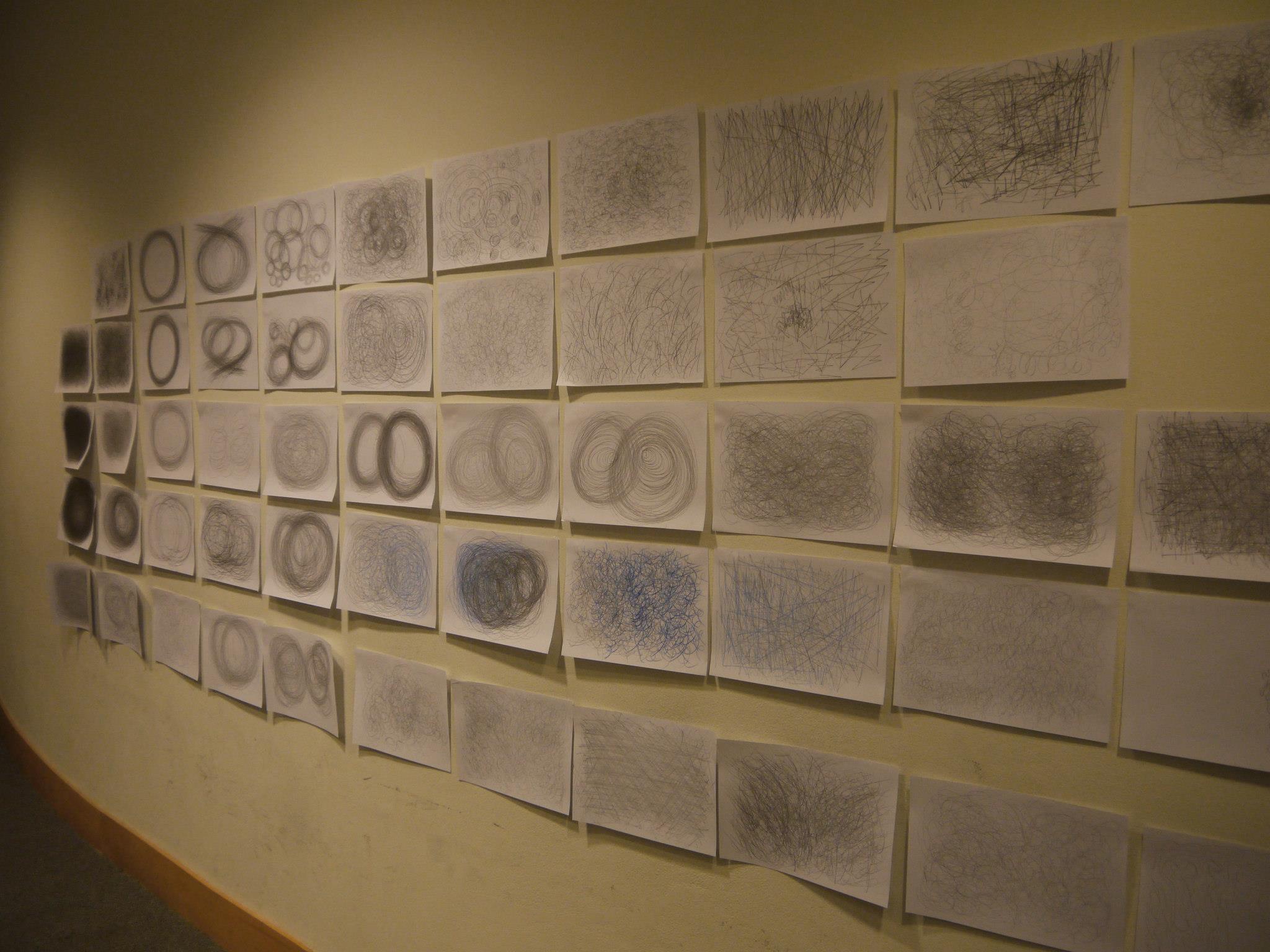
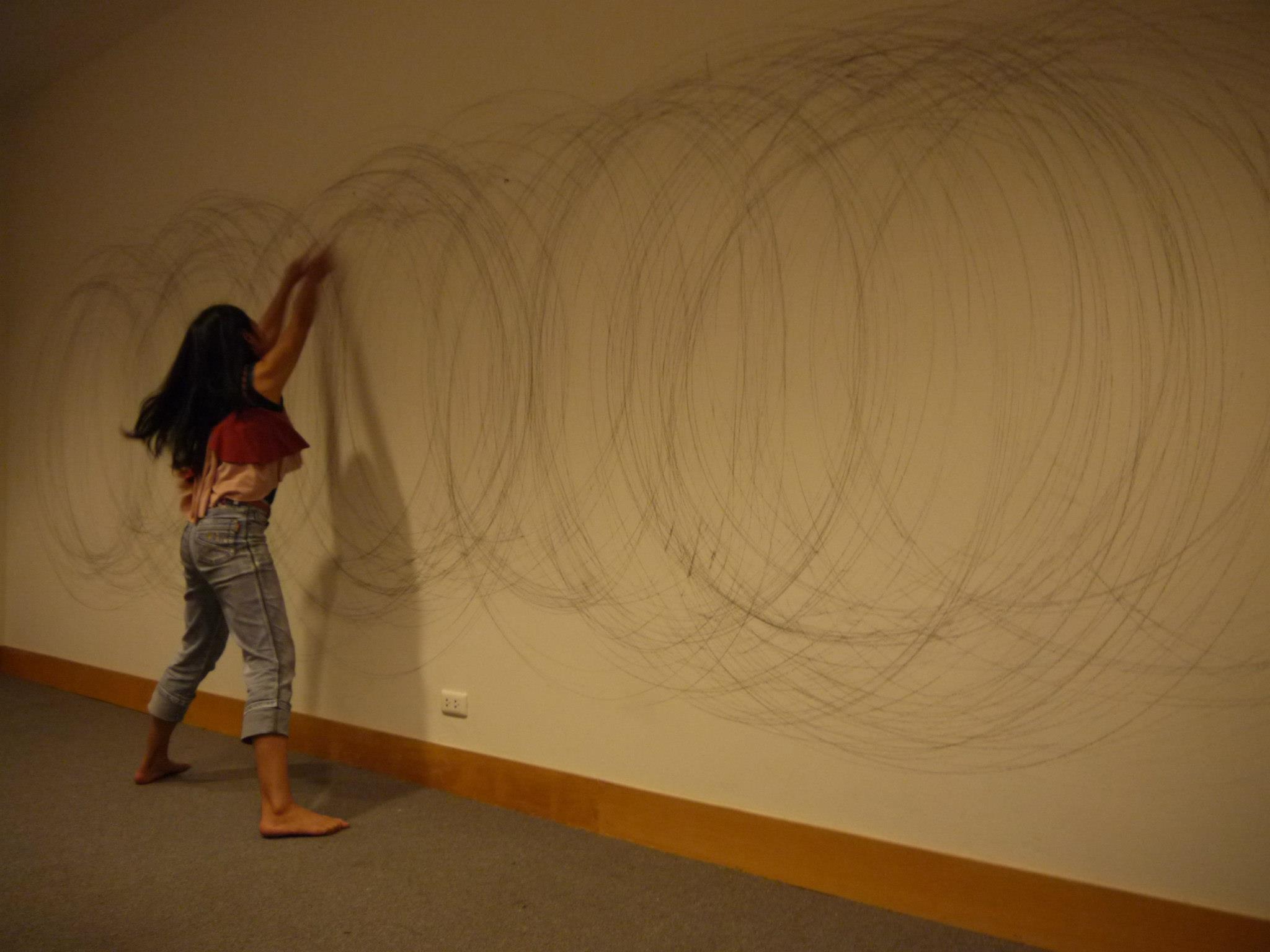
I used charcoal to draw contour from the gestures of seven performers. I did not look at my sketch book and tried to follow the energy of “Dancing with Death” choreography. The results were 32 drawings which you can see below :
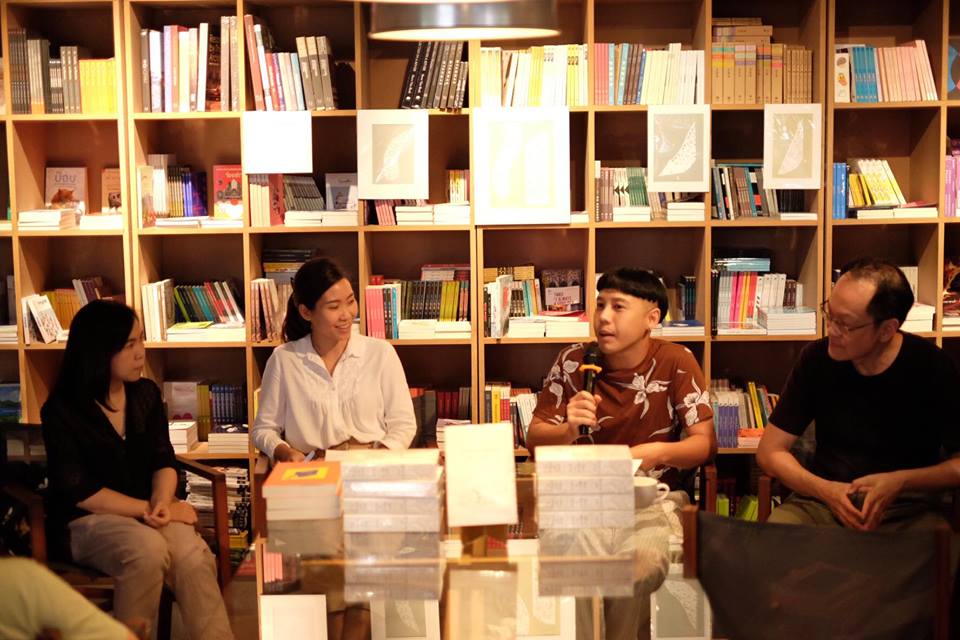
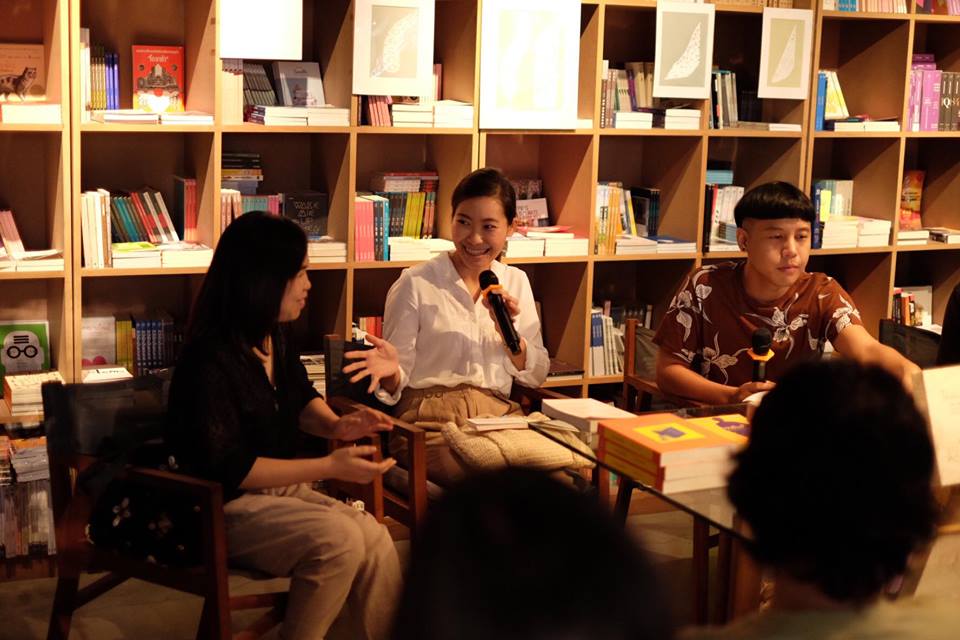
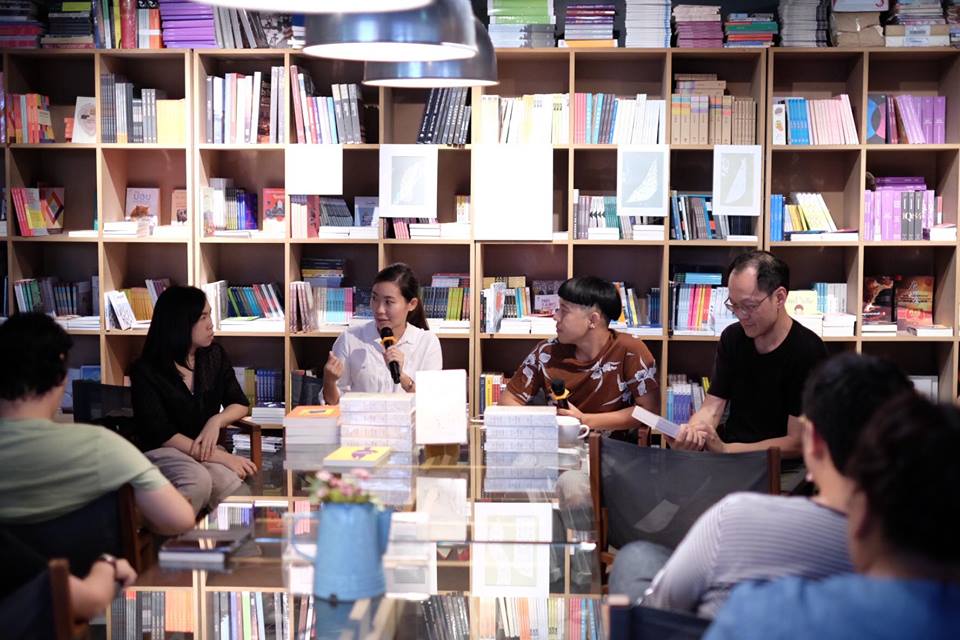
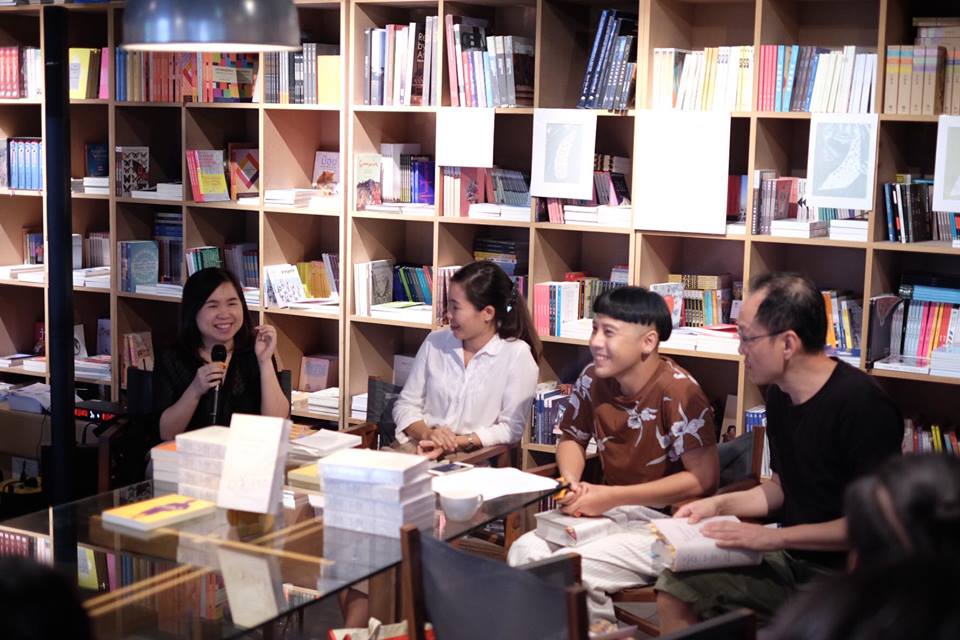
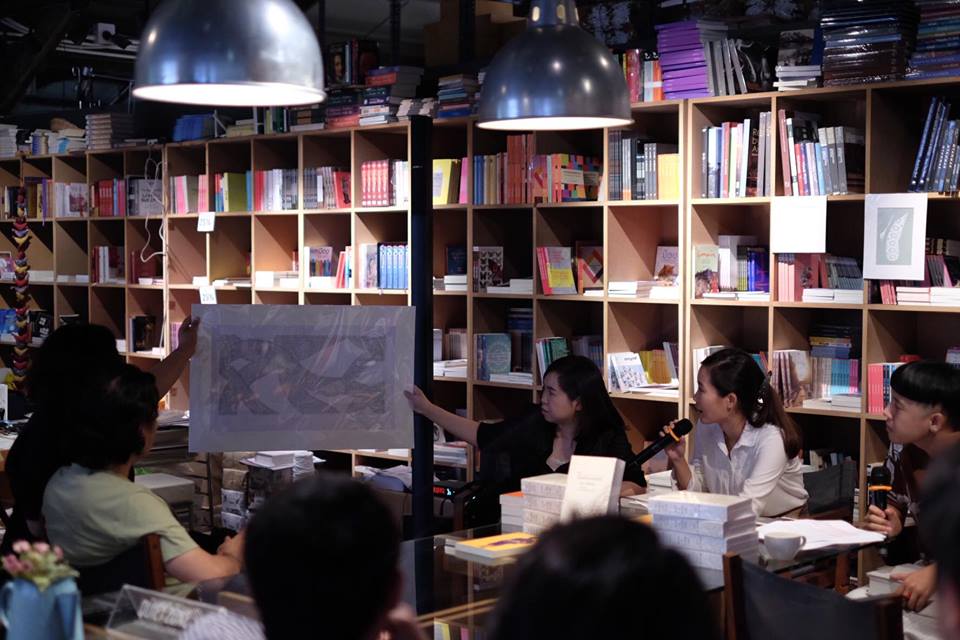
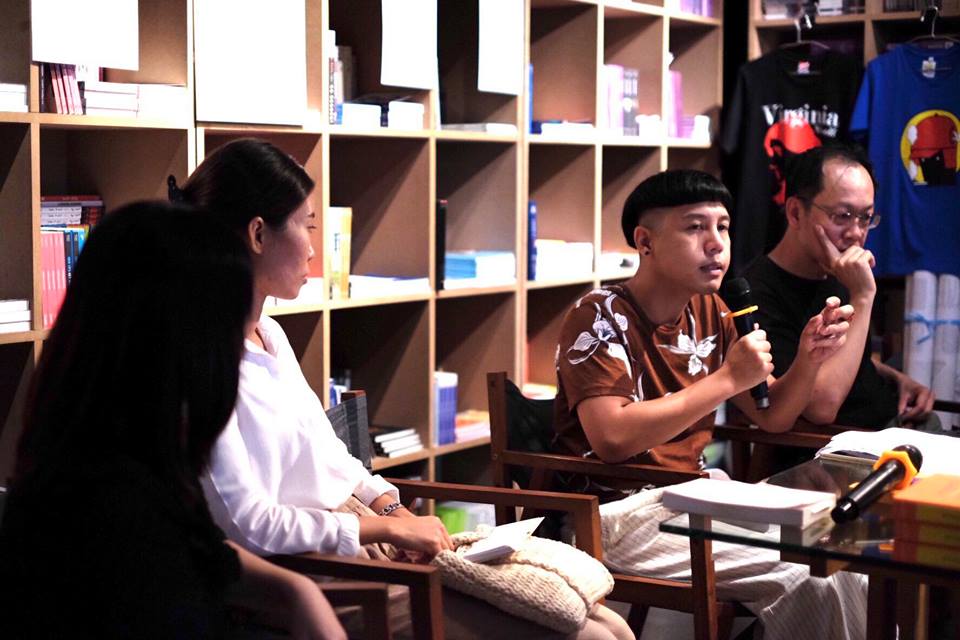
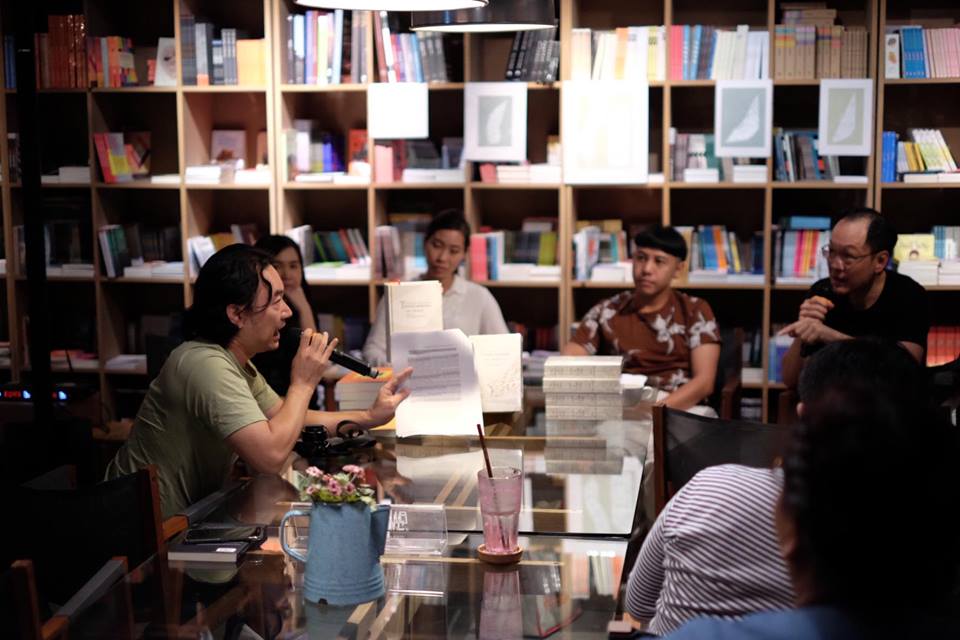
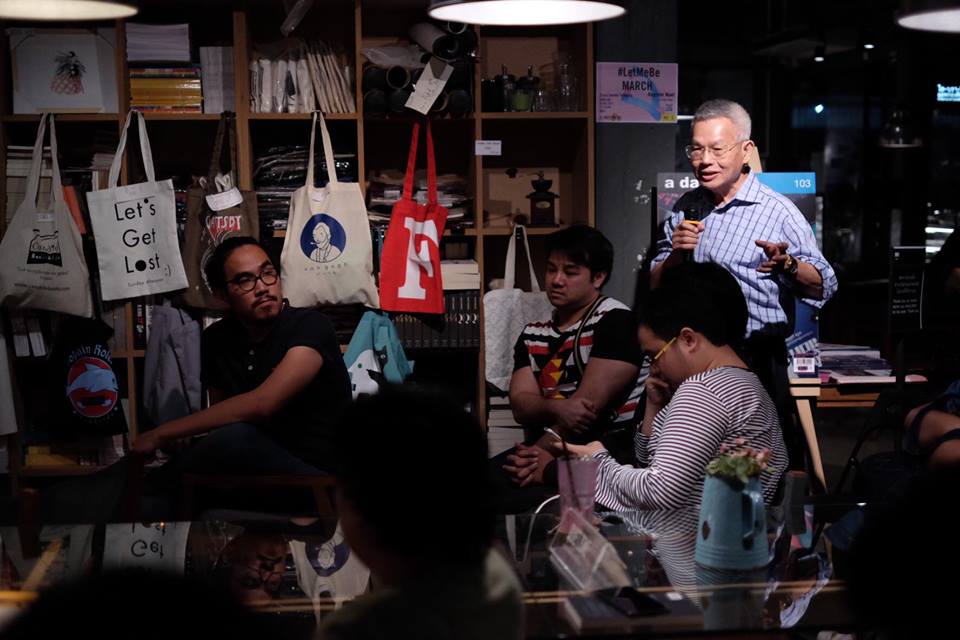
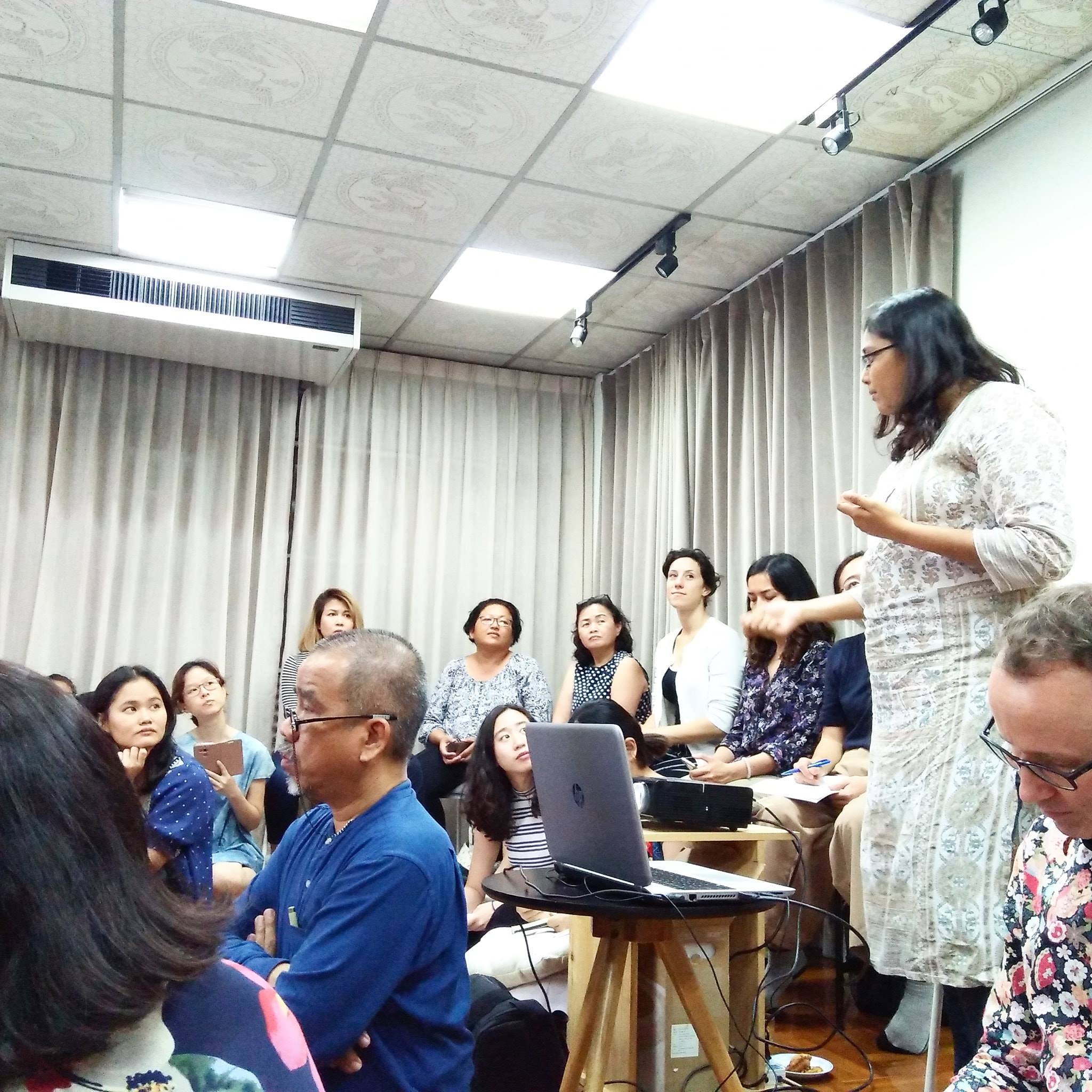
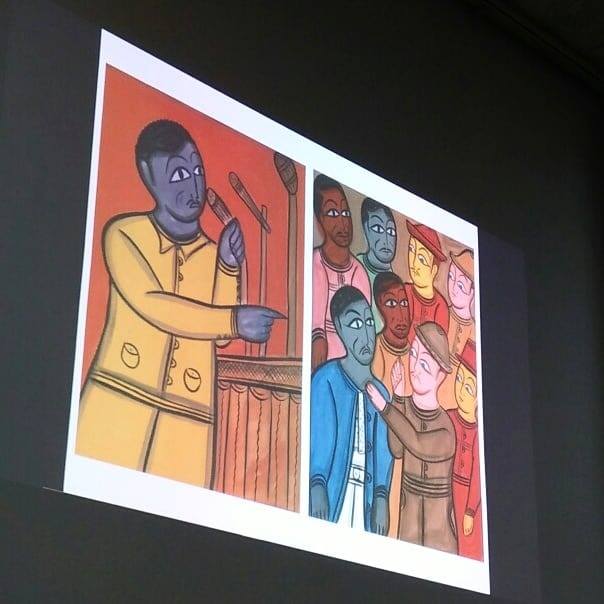
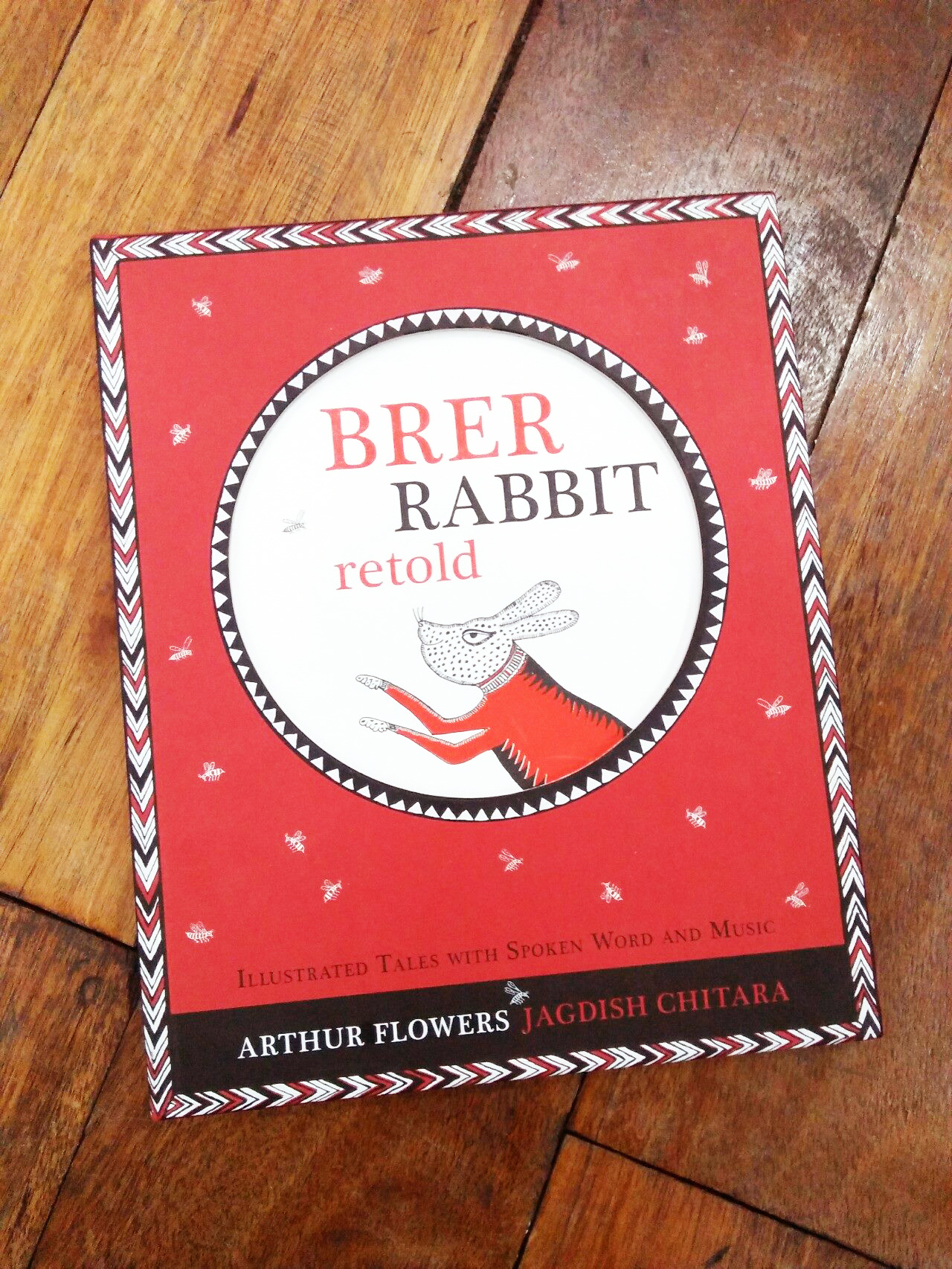
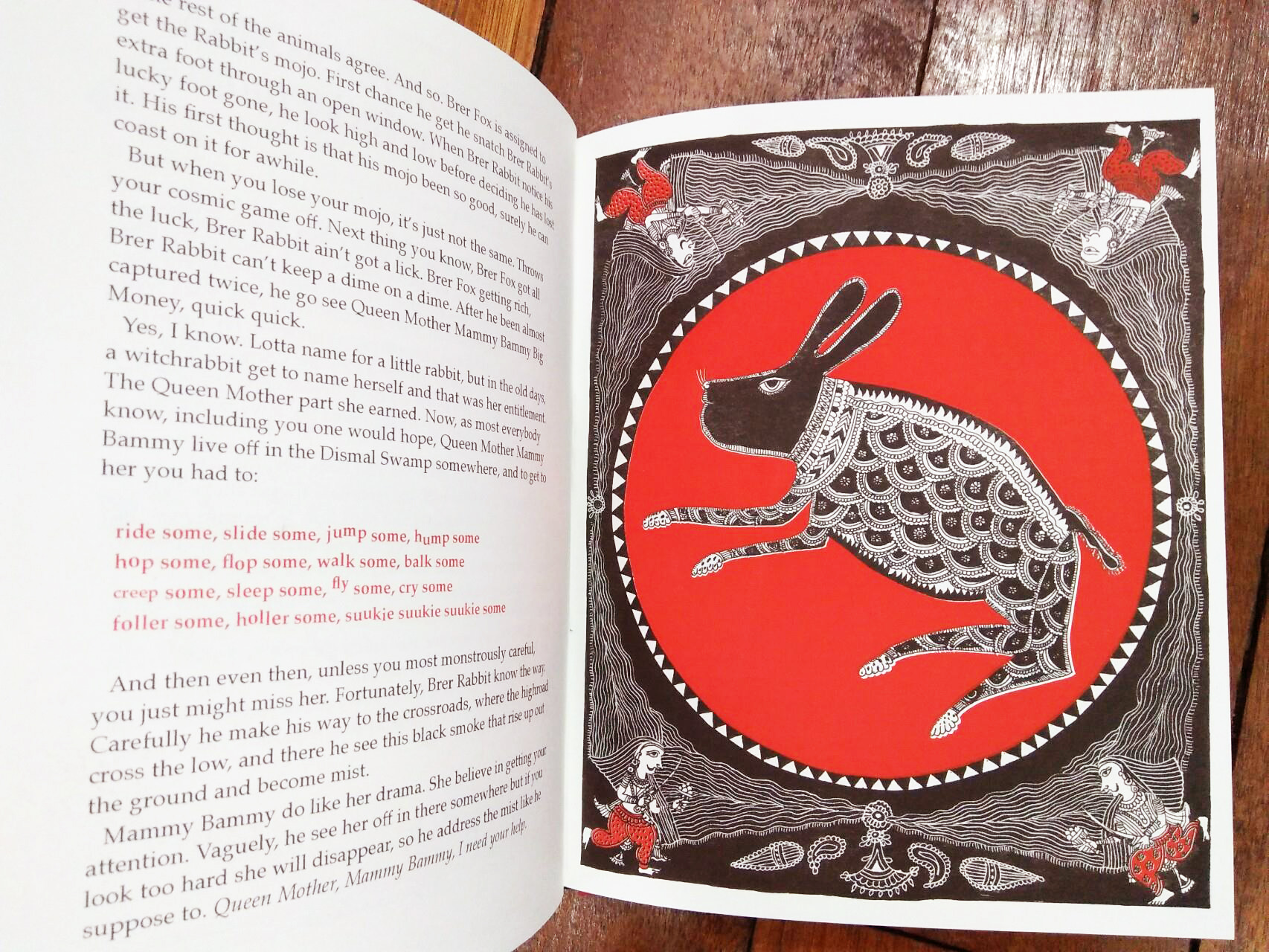
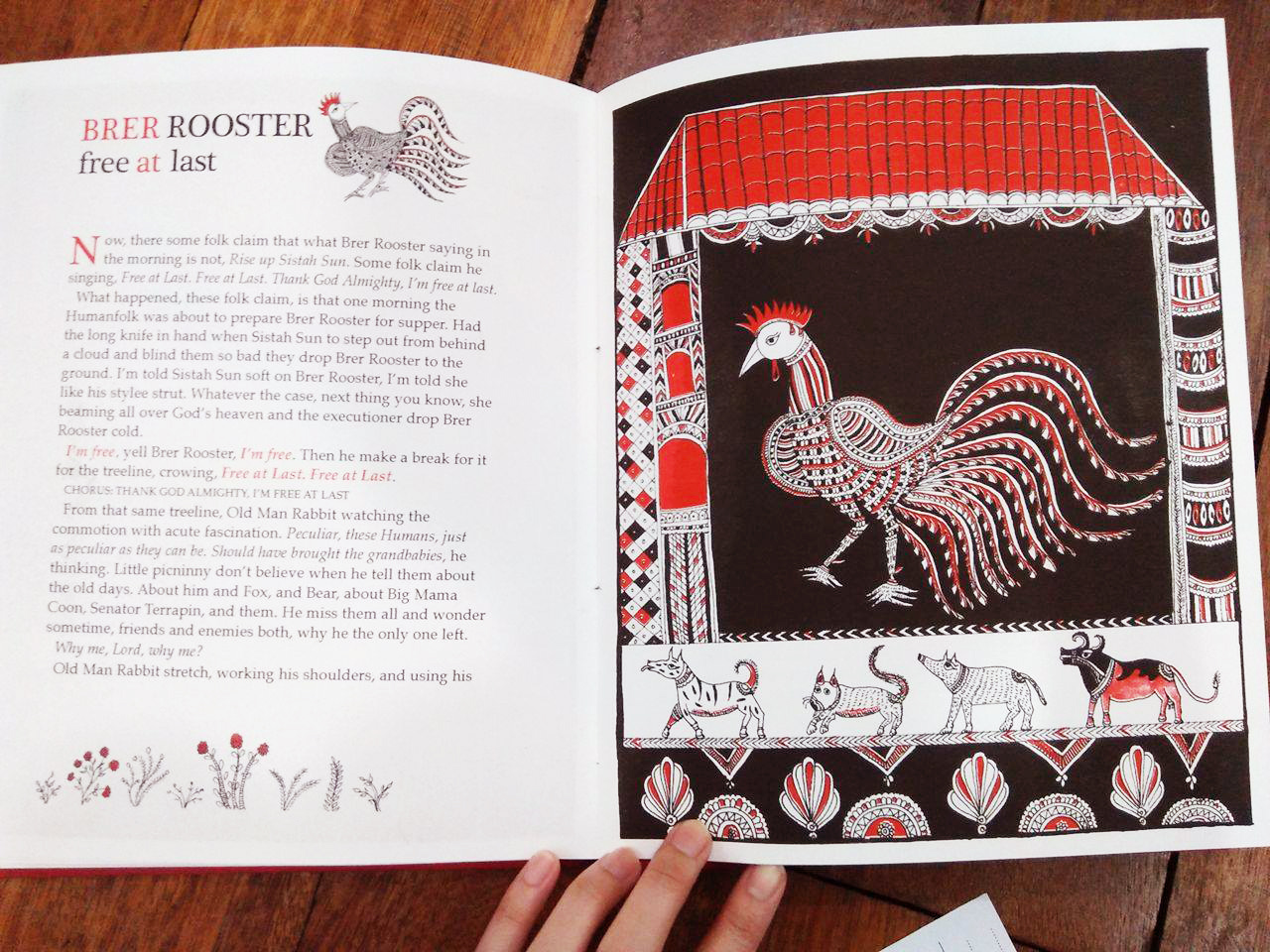
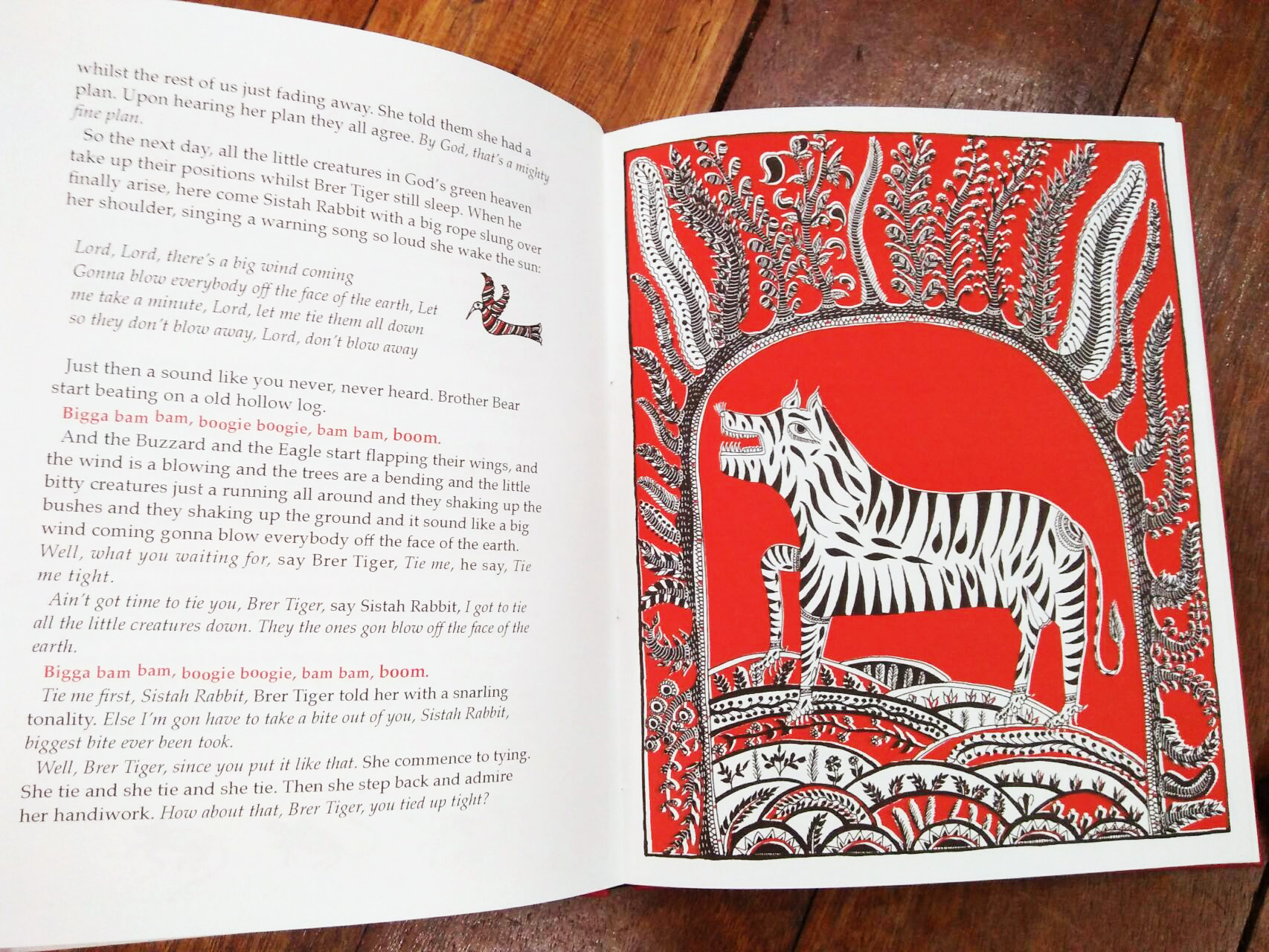
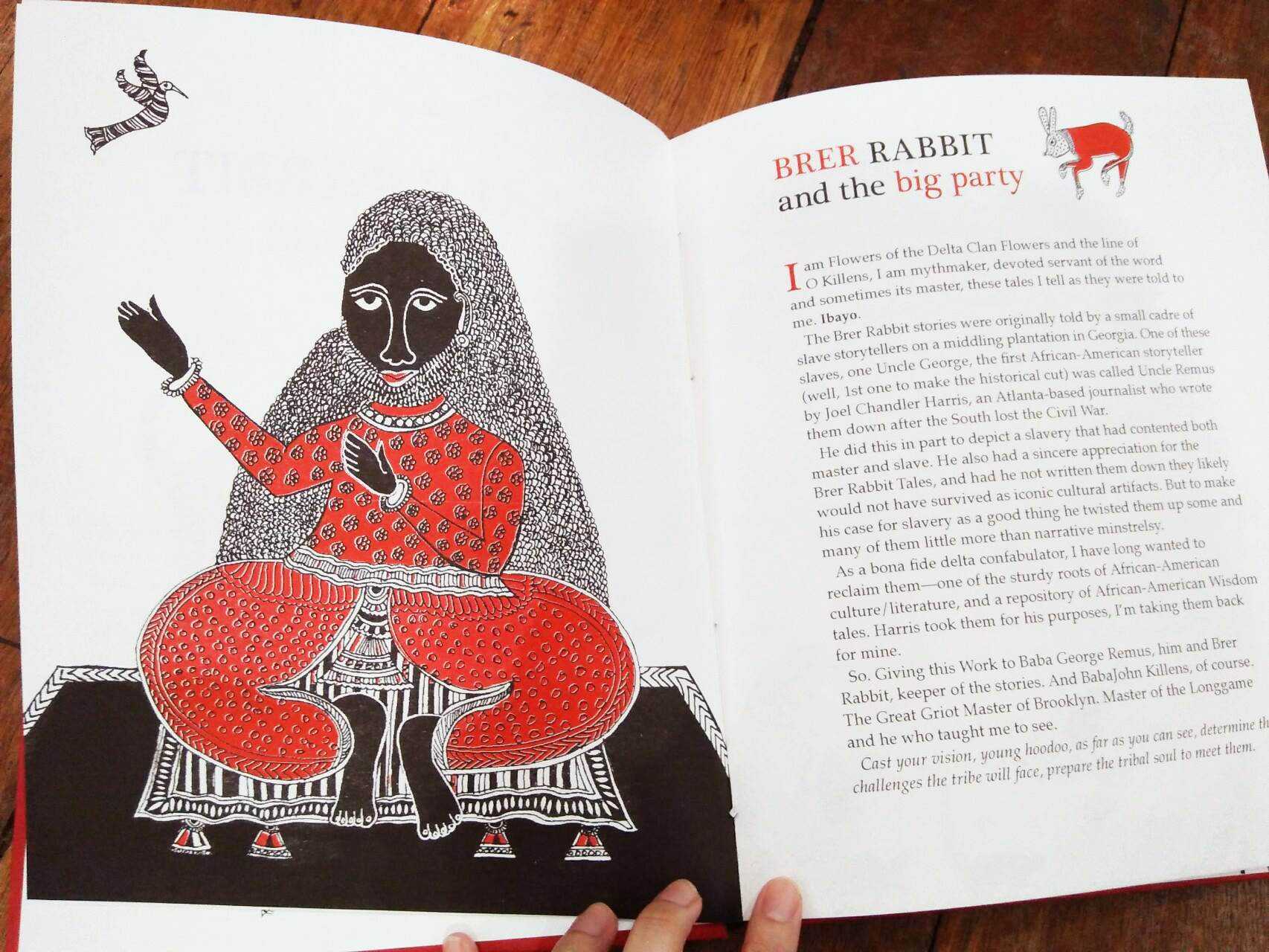
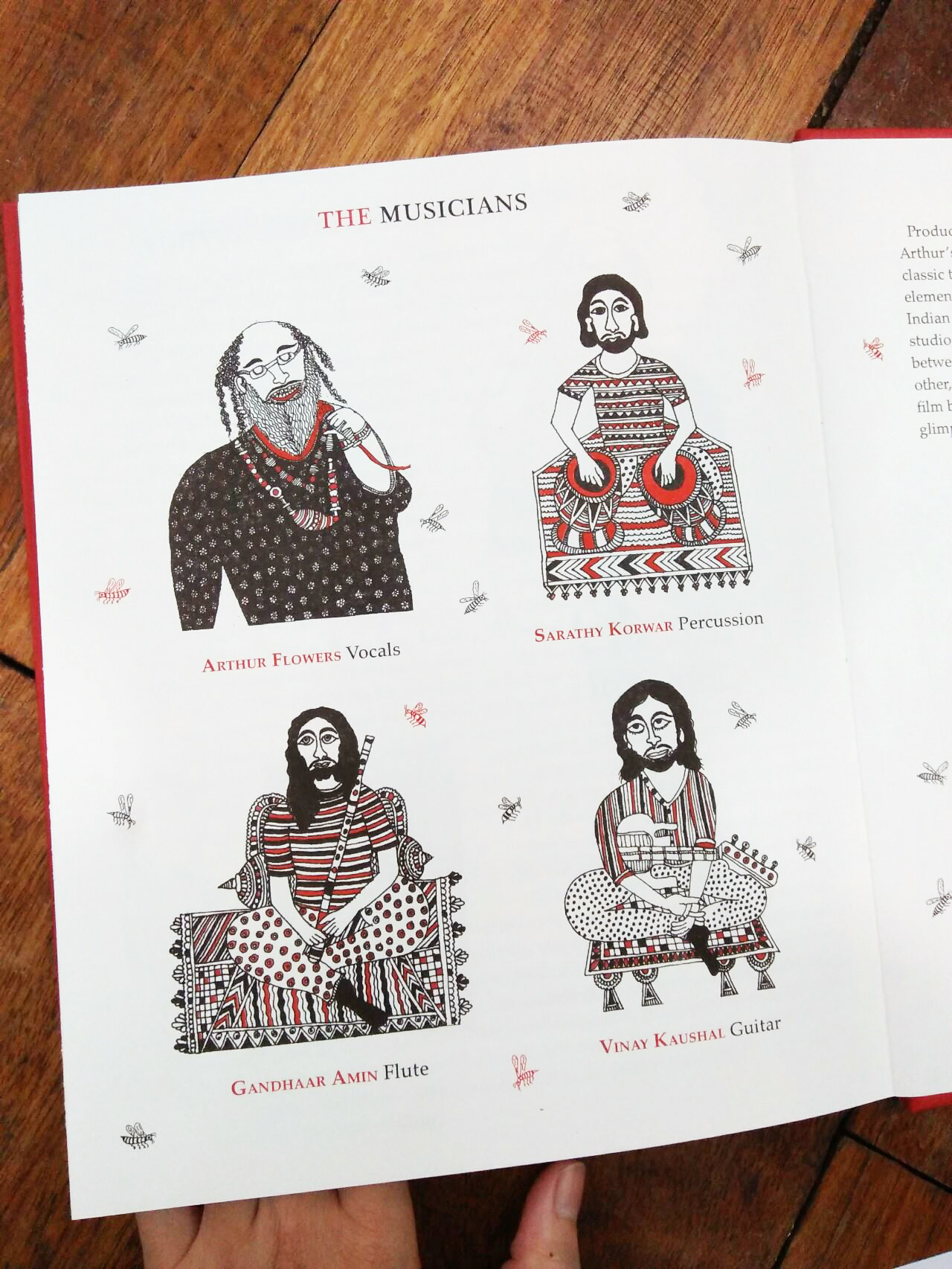
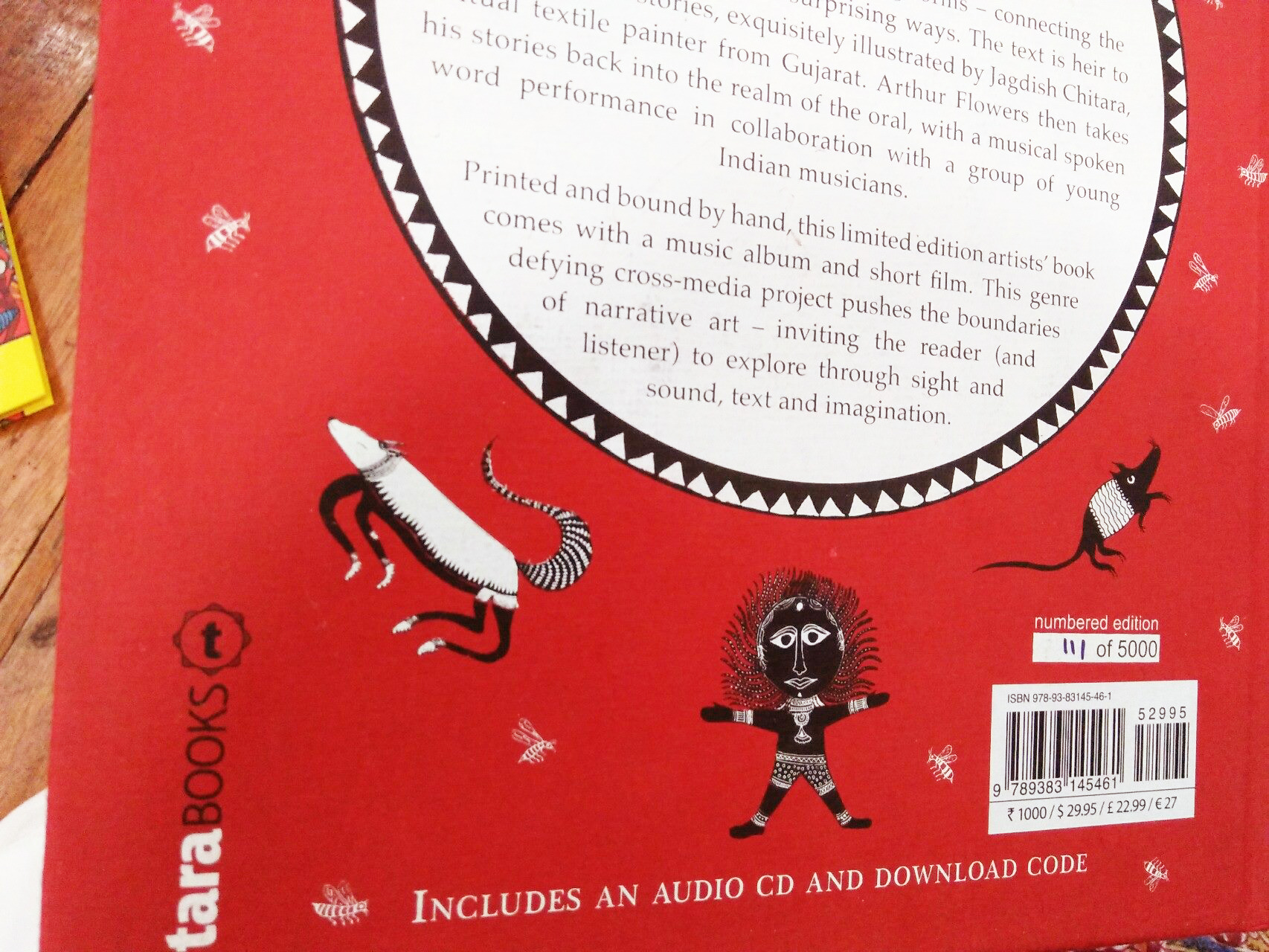
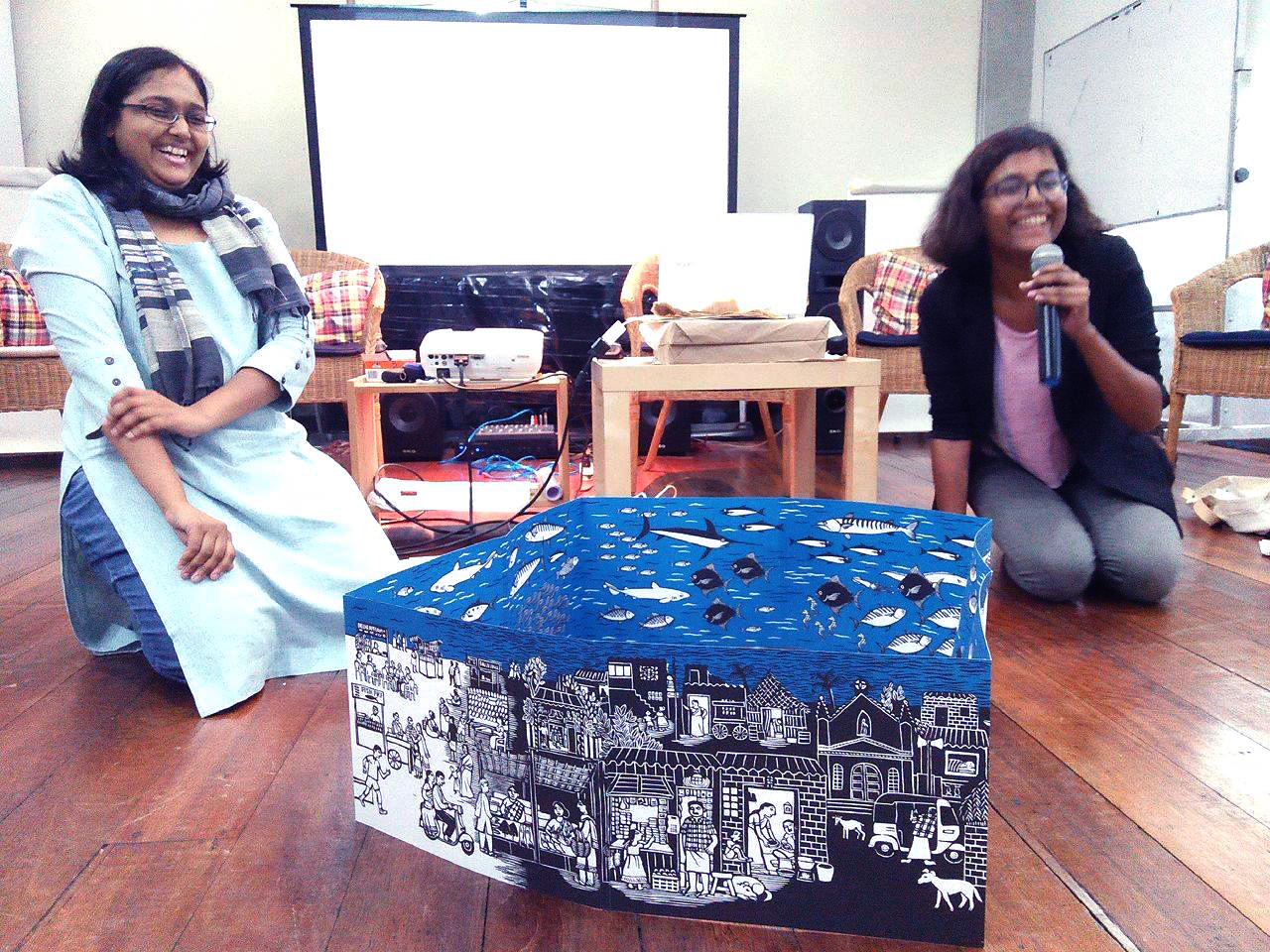
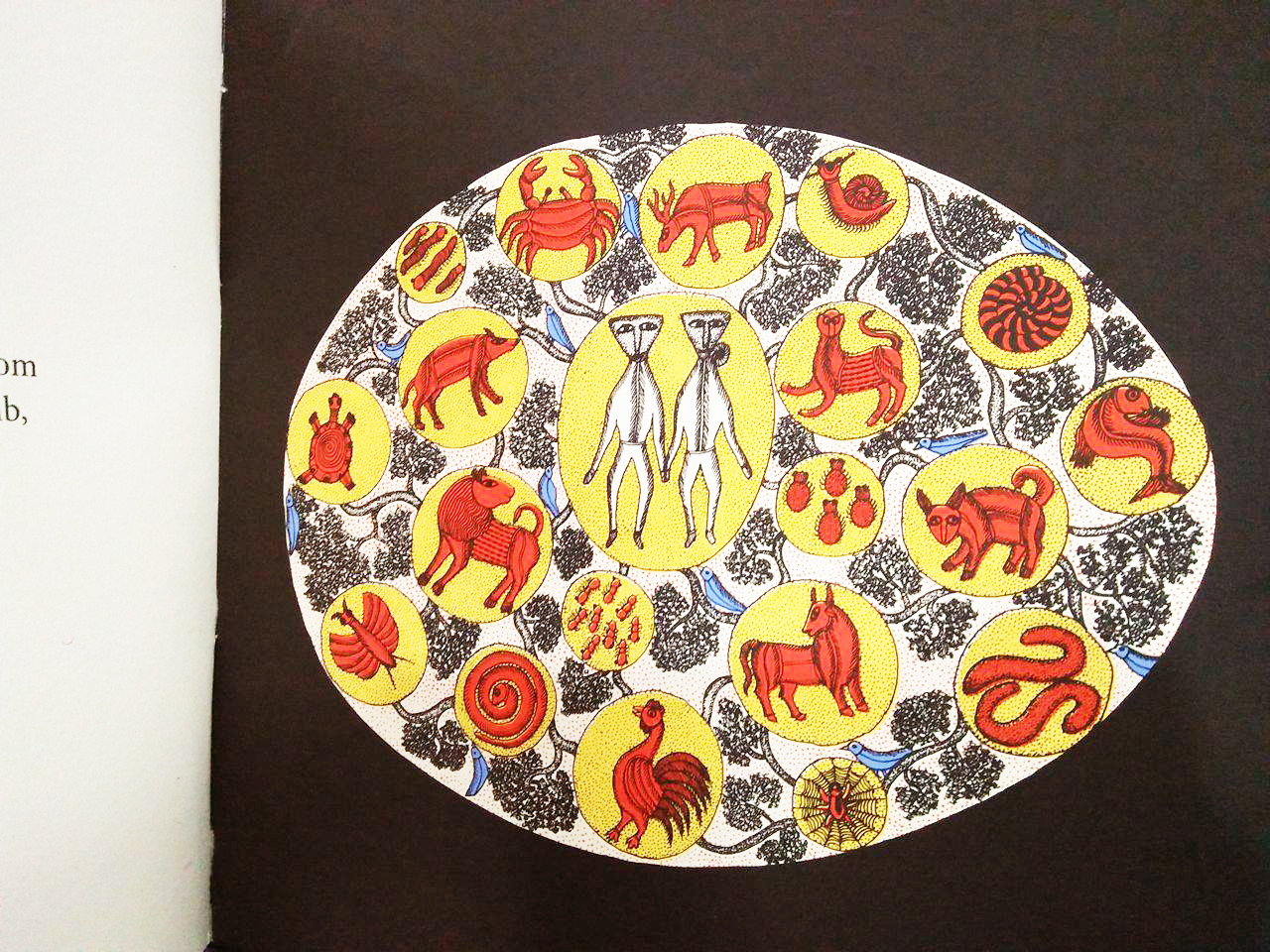
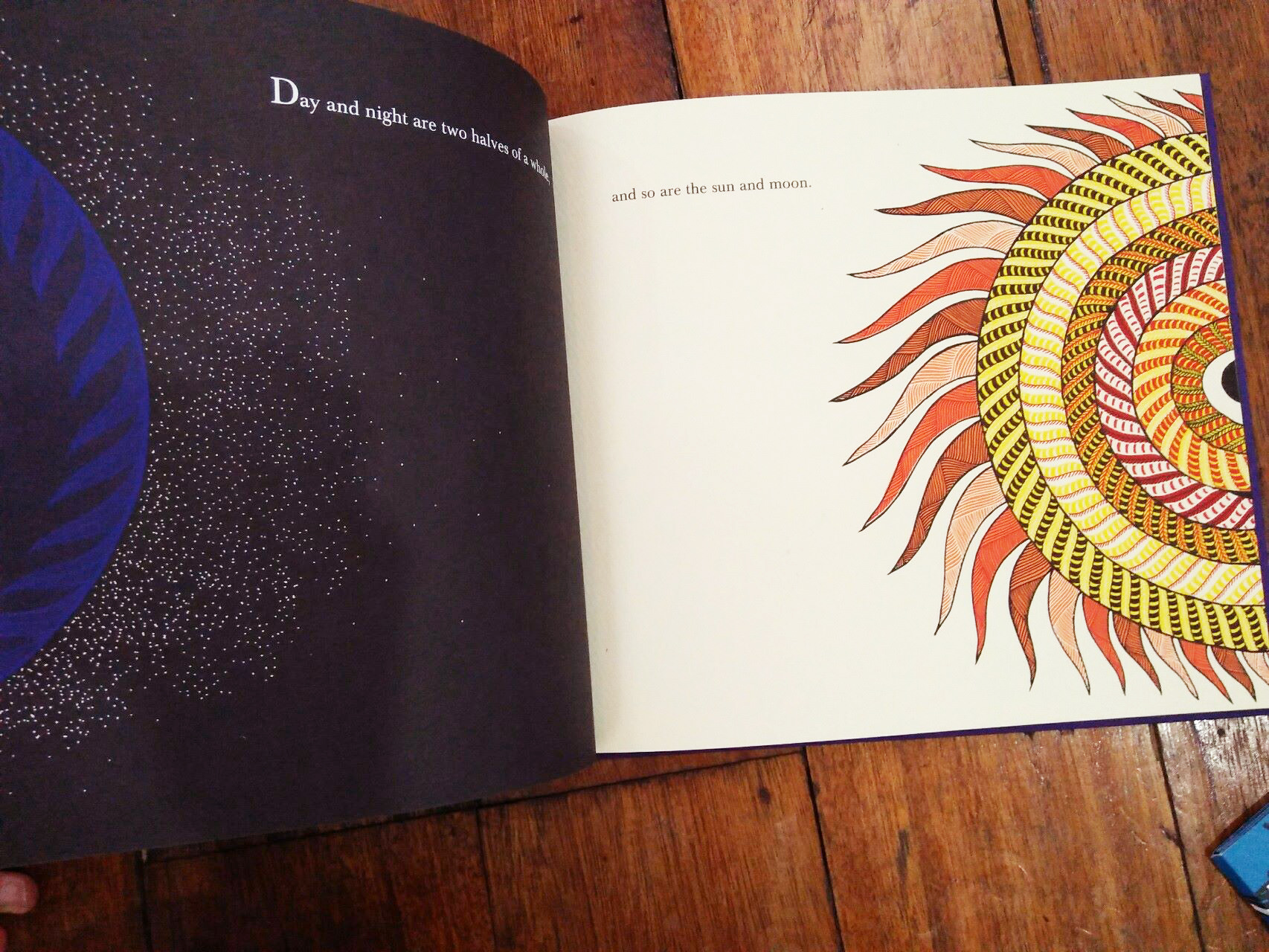
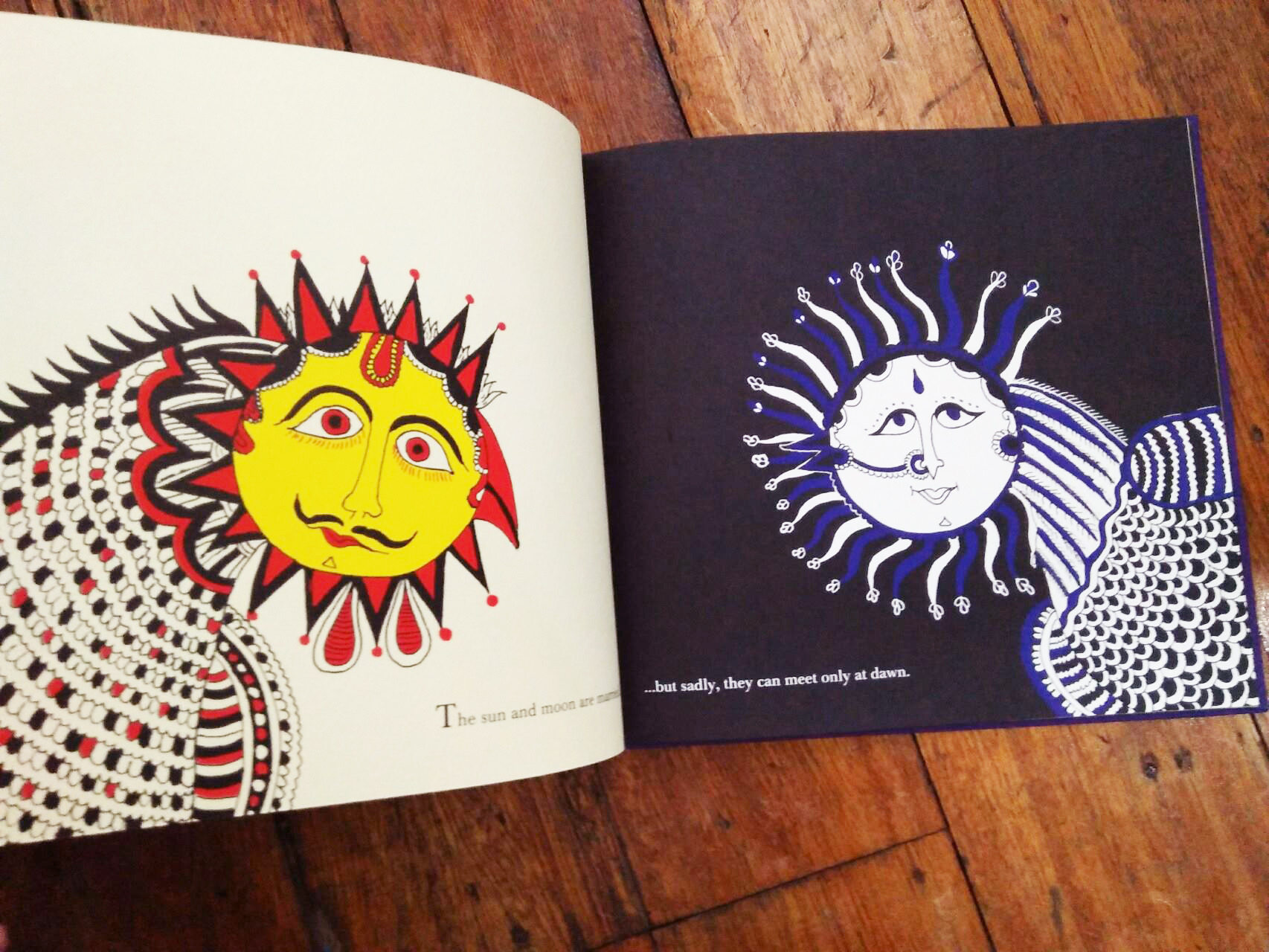
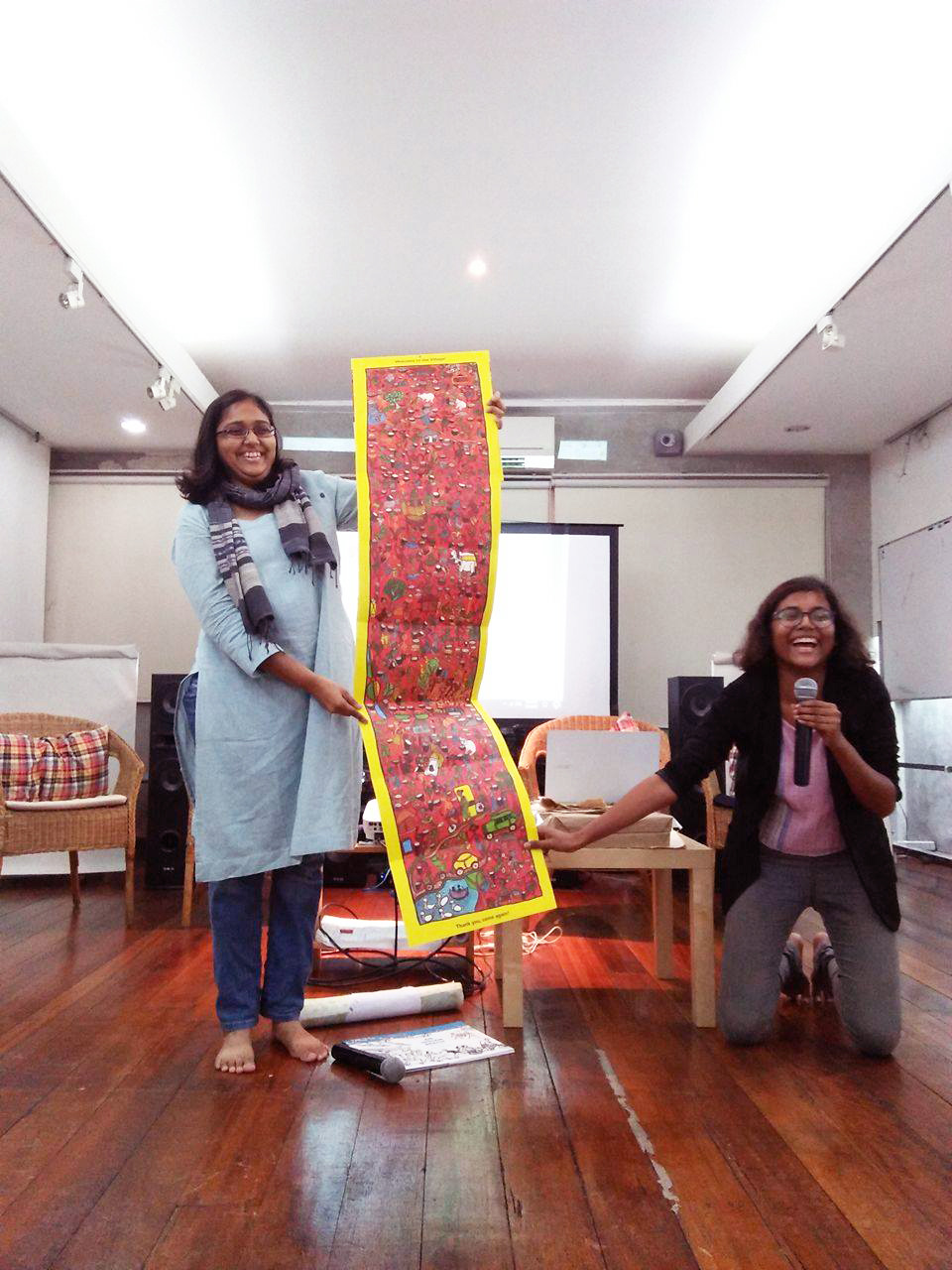
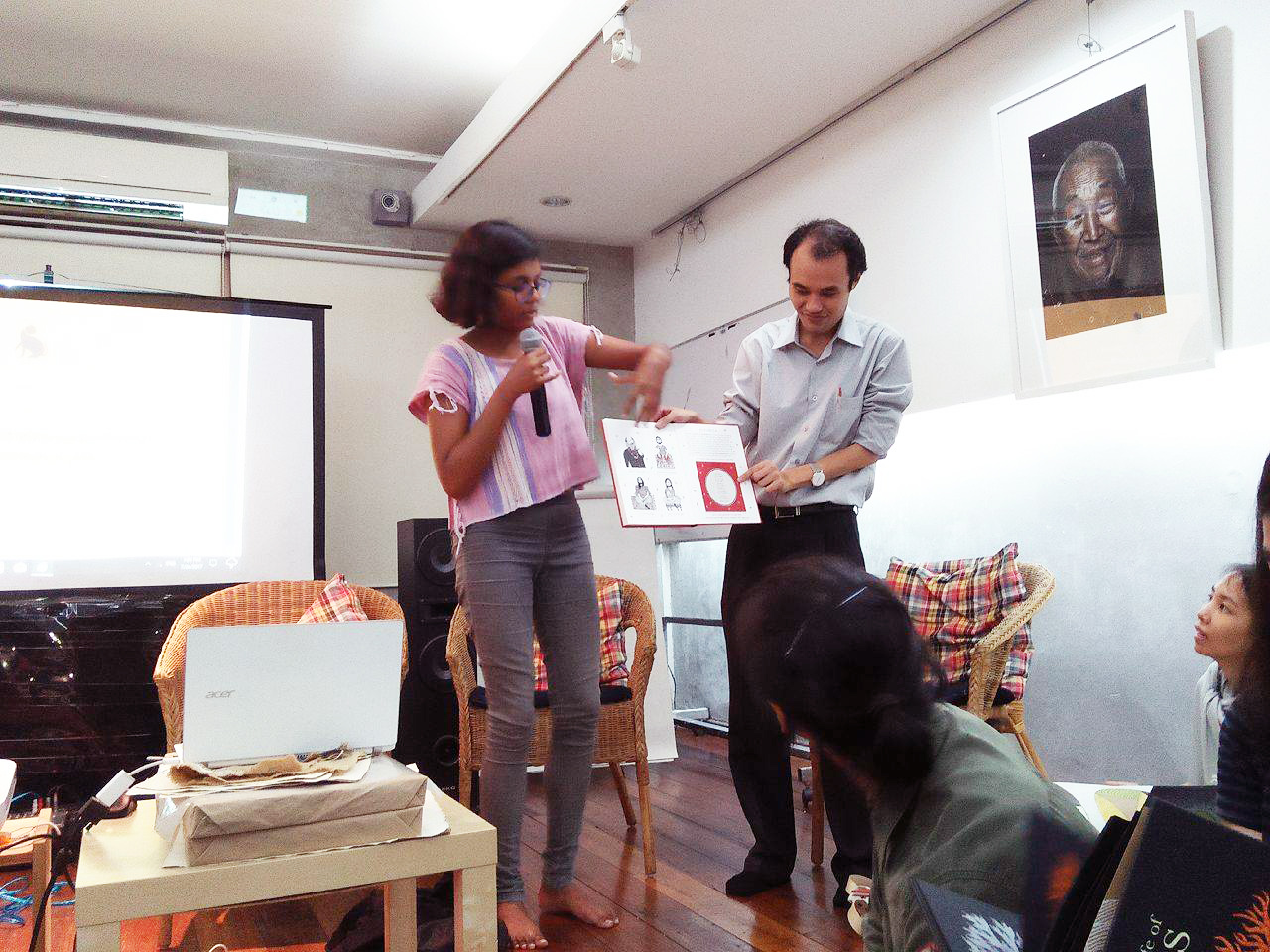
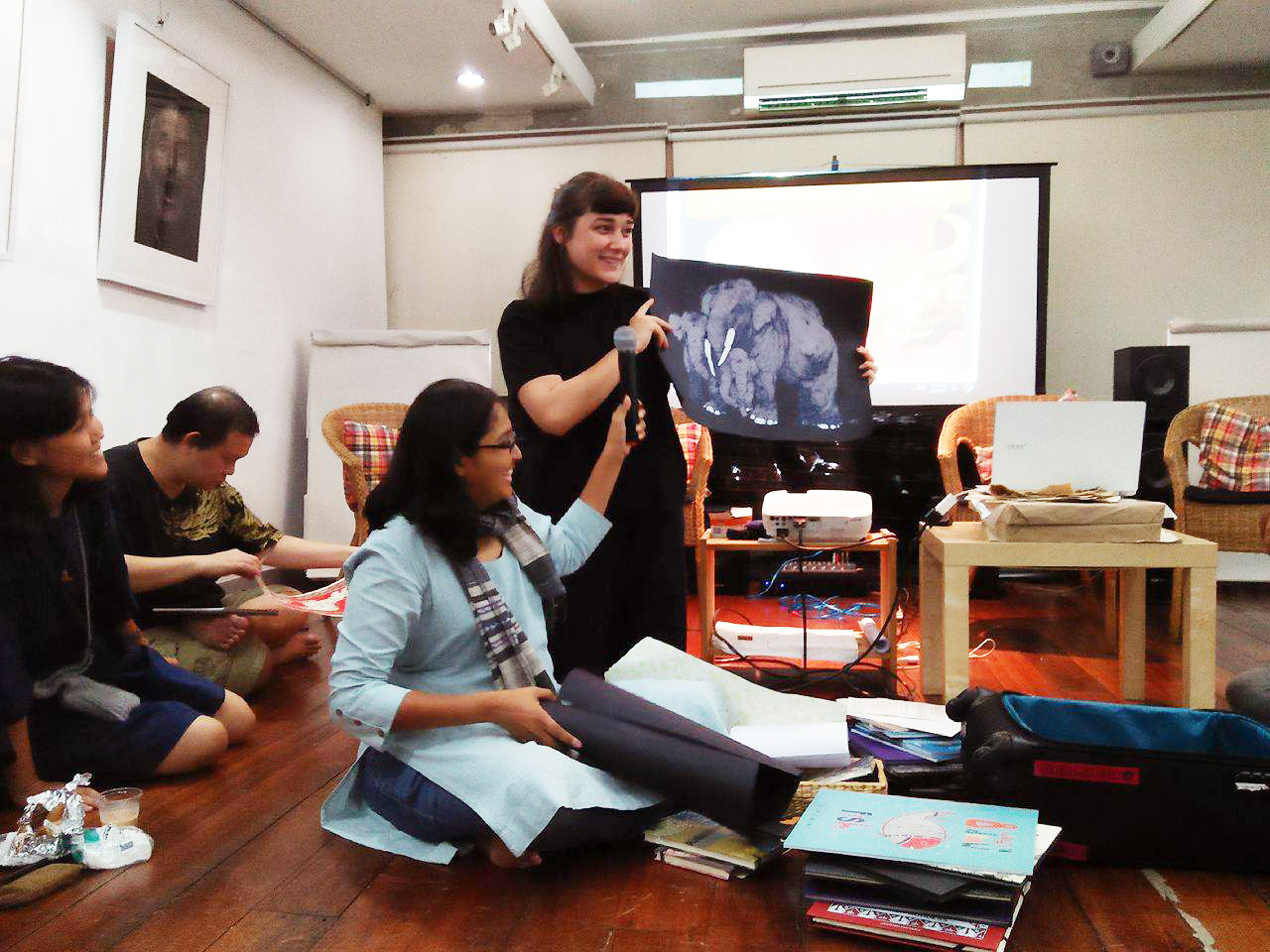
Tara Books team shared experiences of hand-made printing and book-building to us at House of Commons – Cafe & Space, 18.00 – 20.30, 24 July 2017 and at Fathom Bookspace, 10 September 2018.
Bangkok, Thailand
======================
(บันทึกการฟังปี 2017)
ทีมบรรณาธิการและดีไซเนอร์จากสำนักพิมพ์ทาร่าบุ๊คส์ อินเดีย มาแชร์ประสบการณ์การทำหนังสือภาพให้พวกเราได้ฟังกันที่ House of Commons ค่ะ ขอบคุณทางร้าน น้องแซนและ The archivist ที่ช่วยกันจัดงานนี้ให้เกิดขึ้น ตามทาร่าบุ๊คส์มาตั้งแต่ปี 2012 ไม่คิดเลยจริงๆ ว่าจะมีวันที่เราจะได้มานั่งฟังอย่างใกล้ชิดแบบนี้
โน้ตไว้สั้นๆ ว่าถึงแม้จุดแข็งของทาร่าคือการทำหนังสือสกรีนด้วยมือ(ซึ่งในทางกลับกันก็อาจเป็นจุดอ่อนได้เหมือนกันในกรณีที่หนังสือขายดี เพราะไม่สามารถเพิ่มปริมาณการผลิตได้รวดเร็วอย่างระบบออฟเซ็ต) แต่ว่าตอนนี้ทาร่าทำทั้งระบบออฟเซ็ตและแฮนด์เมดแล้วนะ(พิจารณาเป็นเล่มๆ ไป อย่าง Activity Book และหนังสือภาพหลายเล่มก็เป็นออฟเซ็ต) รวมทั้งภาพสกรีนอันไหนที่พิมพ์ไม่ได้มาตรฐาน ทาร่าก็นำไปแปลงโฉมเป็นผลิตภัณฑ์ใหม่แล้วก็จำหน่ายต่อไป ทาร่ายังแยกสกรีนภาพเดี่ยวๆ จากหนังสือเป็น Art Prints เพื่อเป็นอีกช่องทางรายได้ให้กับศิลปินอีกด้วย : ) ======================= (บันทึกการฟังปี 2018)
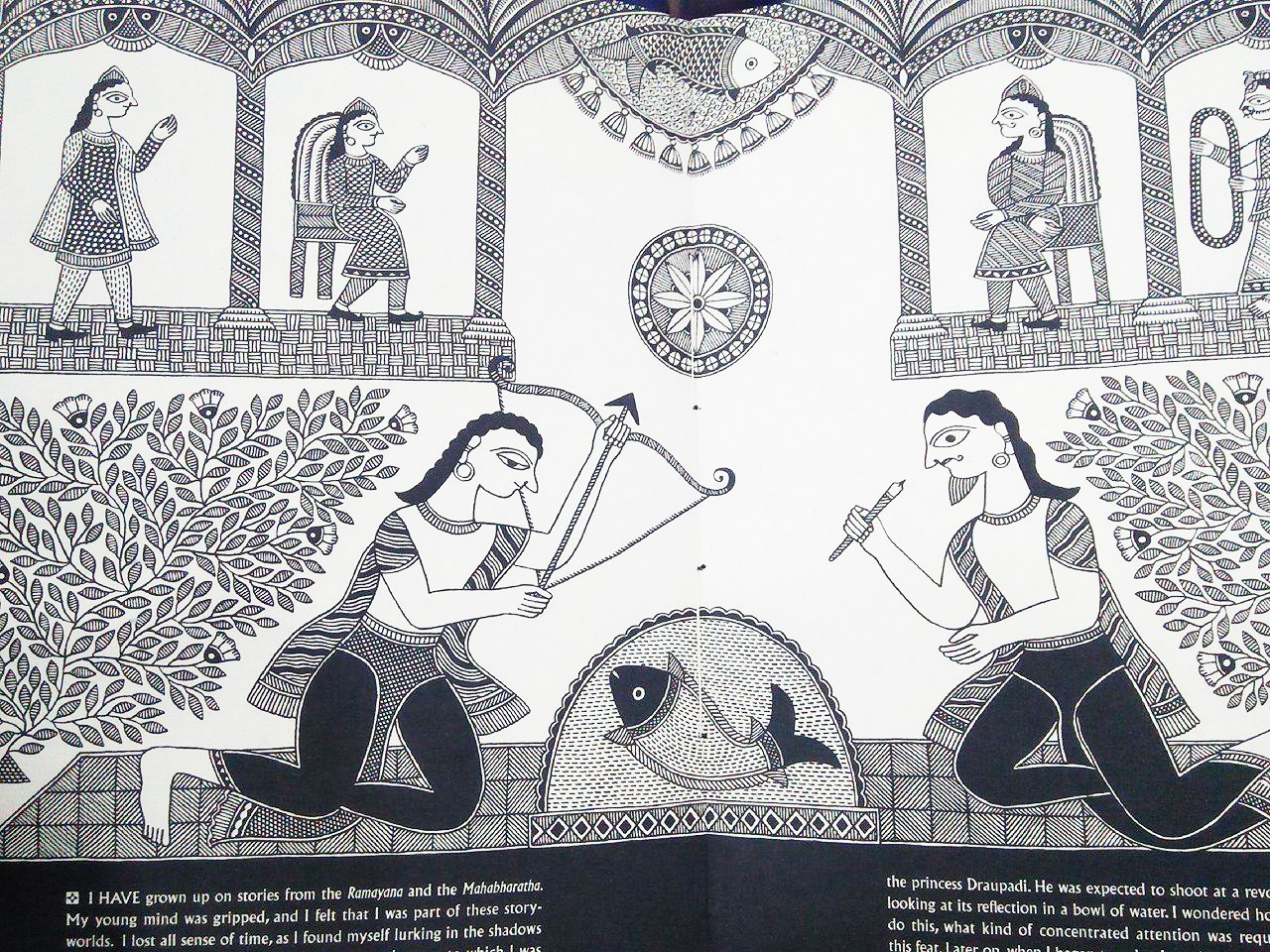
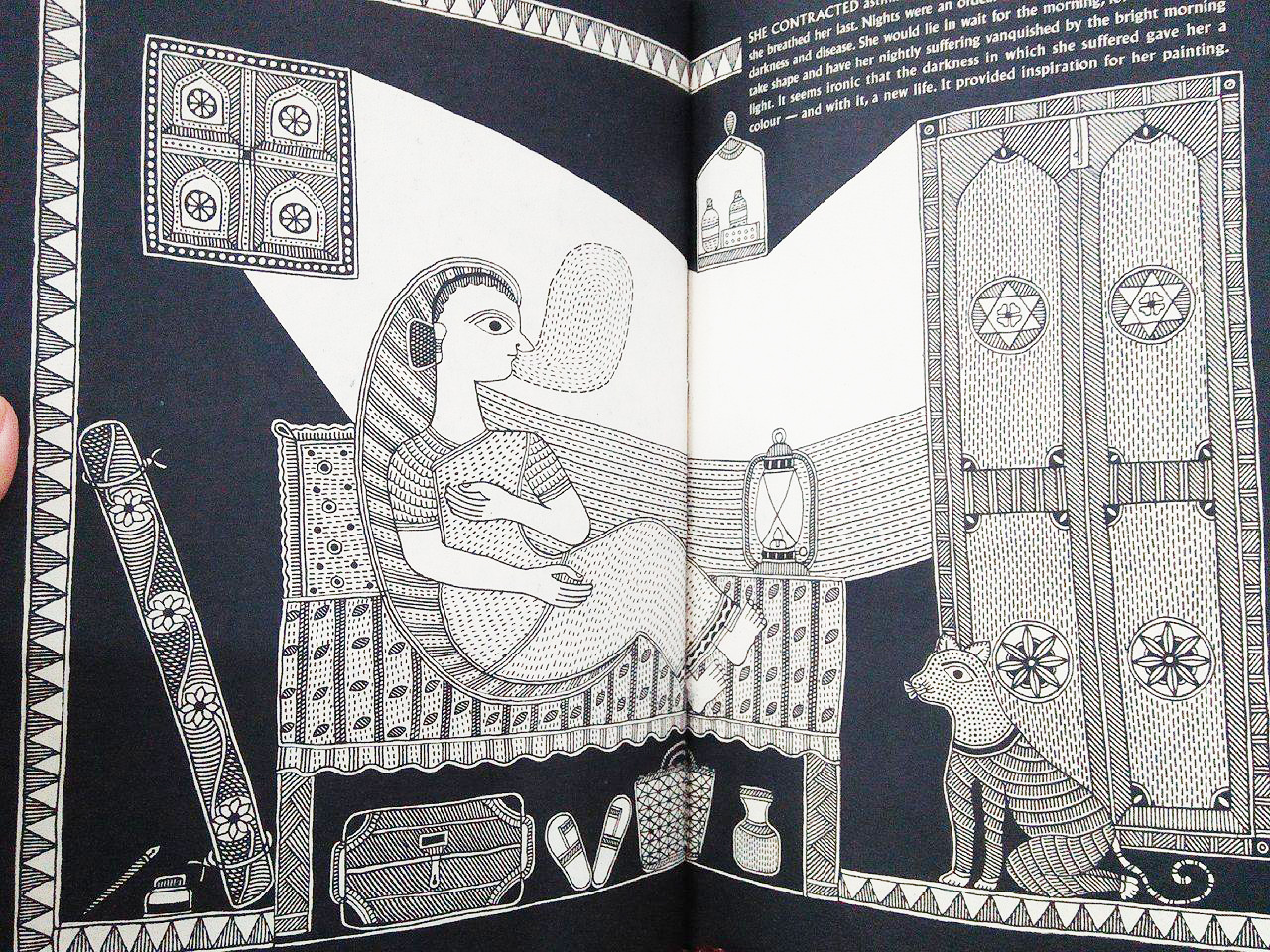
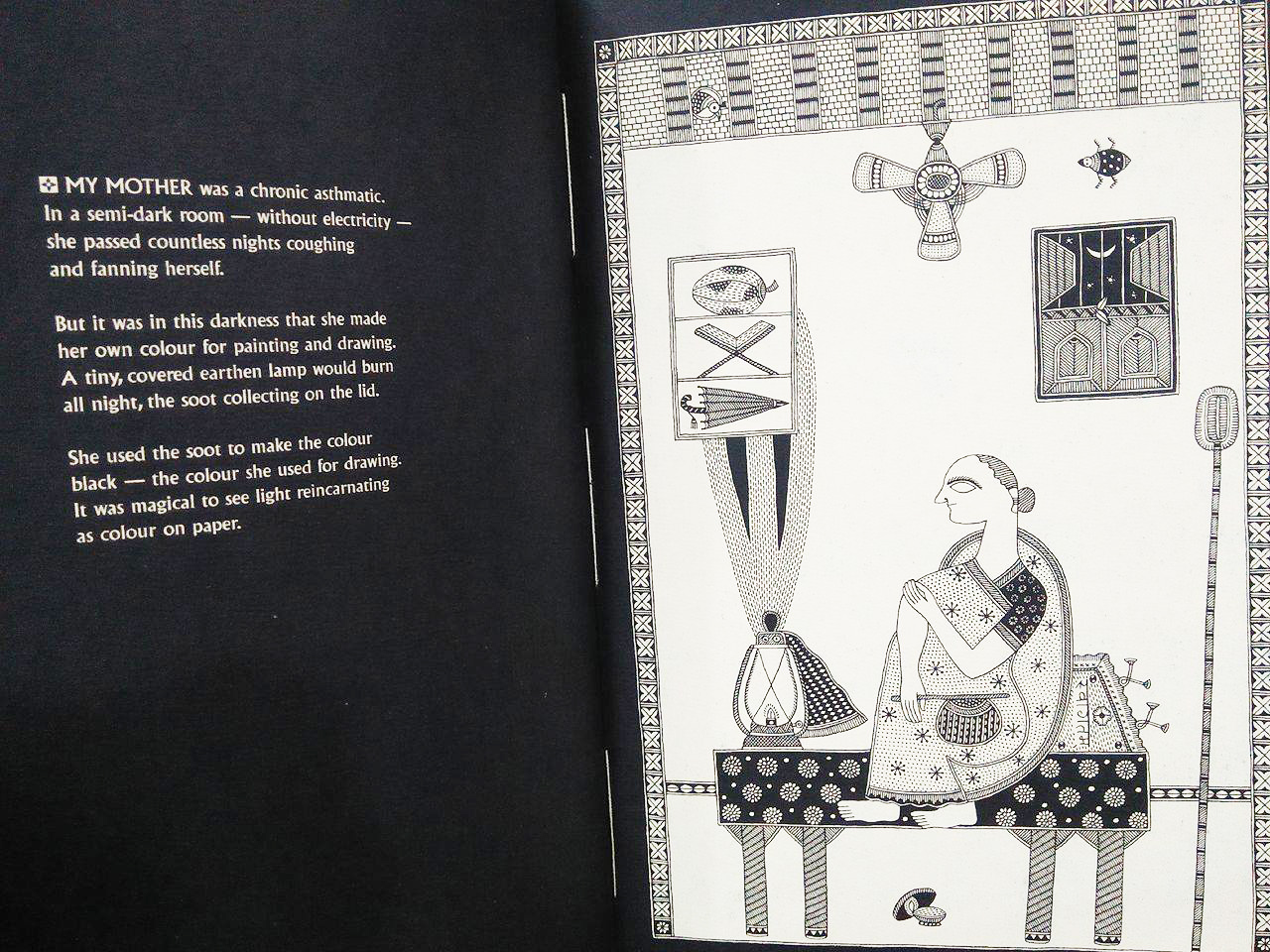
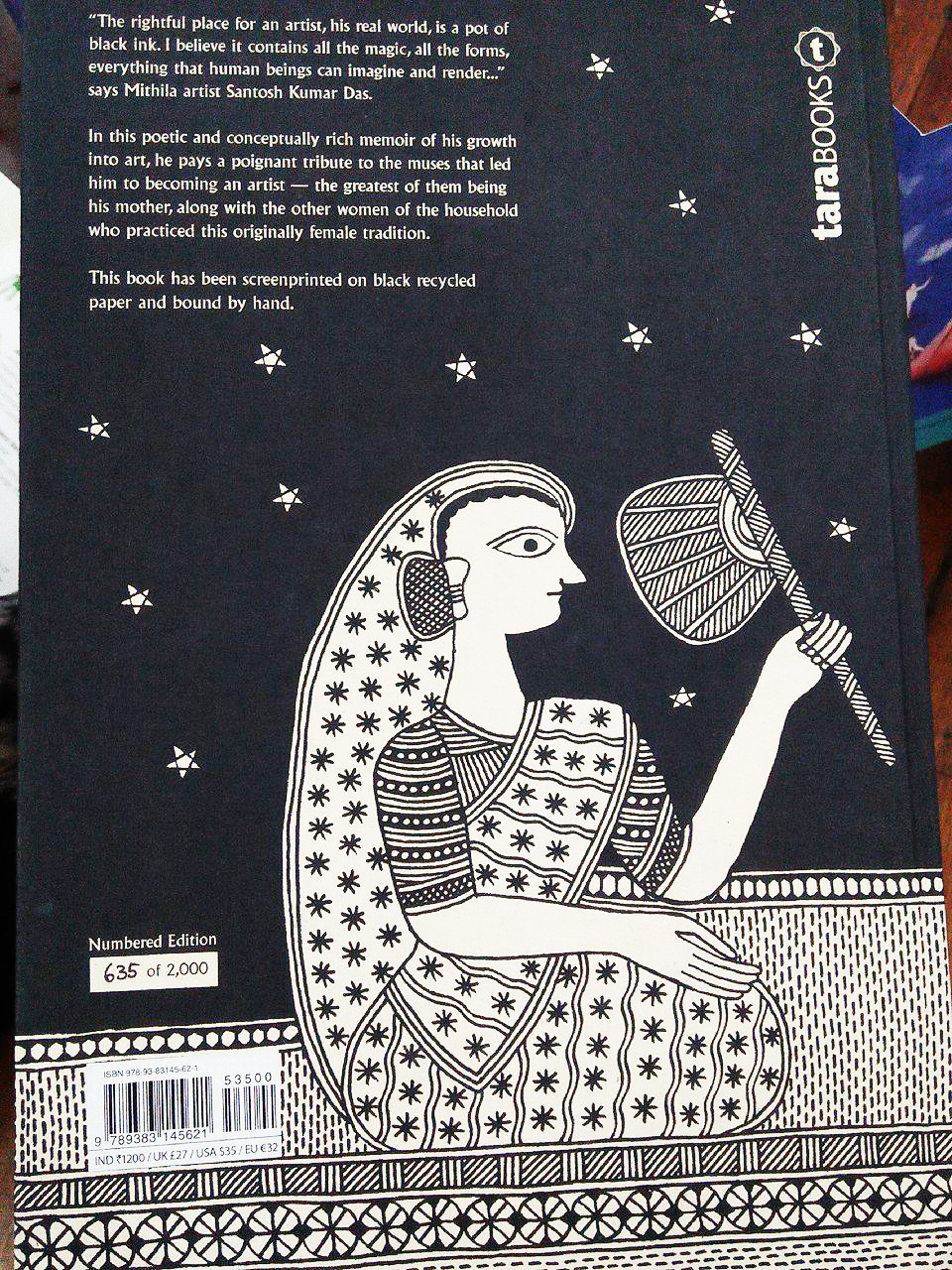
Tara Books (tara แปลว่าดวงดาว) สนพ.หนังสือภาพและหนังสือภาพสำหรับเด็กจากประเทศอินเดีย tara มาไทยเป็นครั้งที่สองแล้ว
Talk session at Fathom bookspace 10/9/2018 How to CRAFT : From community to world-class book creators
[For English please scroll down / ไทย] “เคราน้ำเงิน, ทอสก้า และ sea of Vigo song cycle” ระลึกถึงความทรงจำและแรงบันดาลใจจากการออกแบบท่าเต้นของ Pina Bausch, Monica Casadei และ Rodrigo Pederneiras {อ่านตอนแรกได้ที่ Destroy, She Said (1)}
(Left)”Speed-dating with jellyfishes” workshop by Yodchat Bupasiri / (Right) DEPARTURE: a movement workshop by Ka-ge Mulvilai, Democrazy Studio, November 2014
Lines in my illustrations 2010 (Left – photo credit: Garagay Sriparinyasin) and 2012 (Right)
(Left) Stephanie Sherriff “Untitled Poem”, 2014 photo credit / (Right) “My Boyfriend Is a Pianist, He plays me love songs” exhibition by Oat Montien: My Drawings
DEPARTURE: a movement workshop by Ka-ge Mulvilai , November 2014
*
*
*
*
**
*
*
*
*
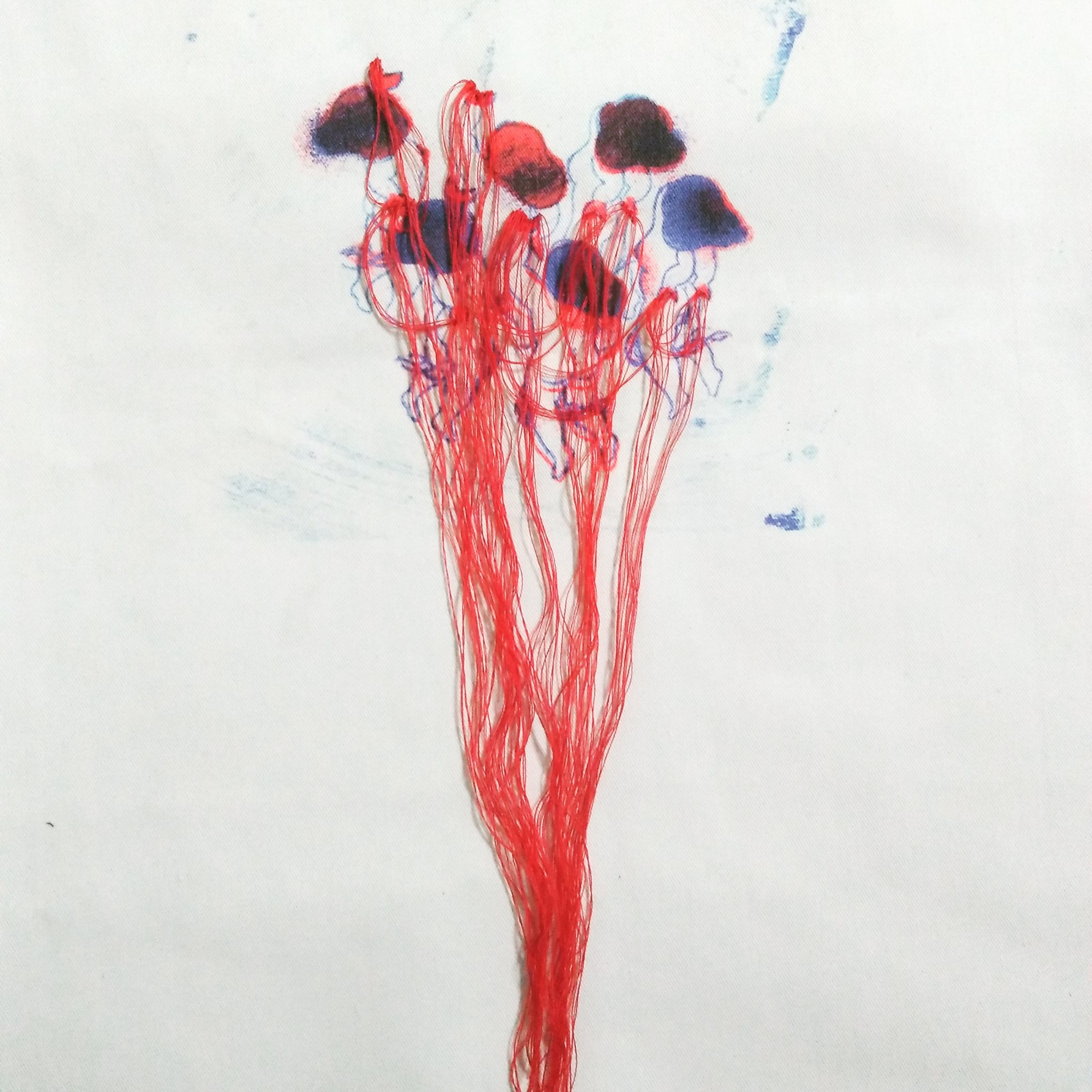
“Destroy, She Said” , embroidery on printed fabric, 2017
*
There was an interesting question from Porcupine Book team while we were filming a VDO for promoting “Destroy, She Said” last week: “Did you feel uncomfortable when you did these illustrations?” (Did doing these illustrations make you frustrated with the subject of of sex and violence?)
“No, not at all,” that was my answer.
The awkward and uncomfortable feelings usually happen to me when I don’t believe in text that I received from the editor (no matter what it is for.)
I have always been excited by any subjects that provoke my thought; subject that require styles which different from my previous works. For me, differences in my illustration styles depend on the core of its subject. I welcome playfulness and melancholia; calmness and agitation; happiness and desolation.
I usually transform my perceptions into various kinds of illustrations, and I realized the essential creative processes which are fruitful from my experiences and memories are always the same.
*
My creative process (2)
I have been fascinated by human body movement in terms of art: classical ballet, modern dance, contemporary dance, stage play, physical theatre, performance art, etc. Here are three performances I used as my sources of inspiration for this project.
*
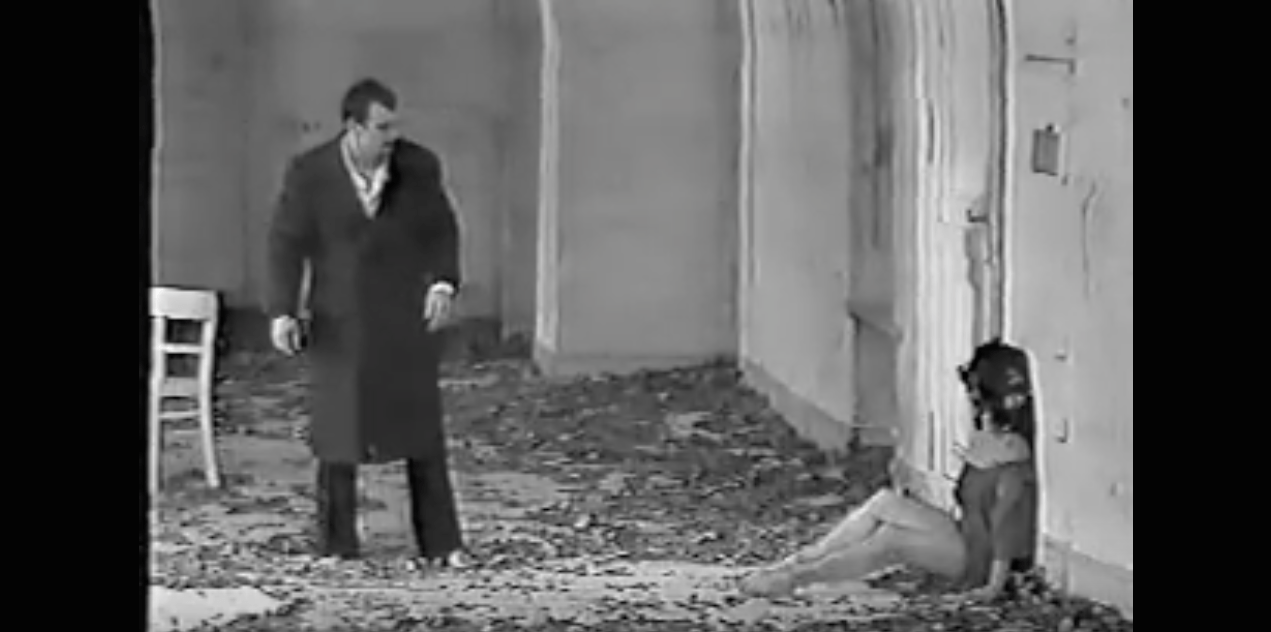
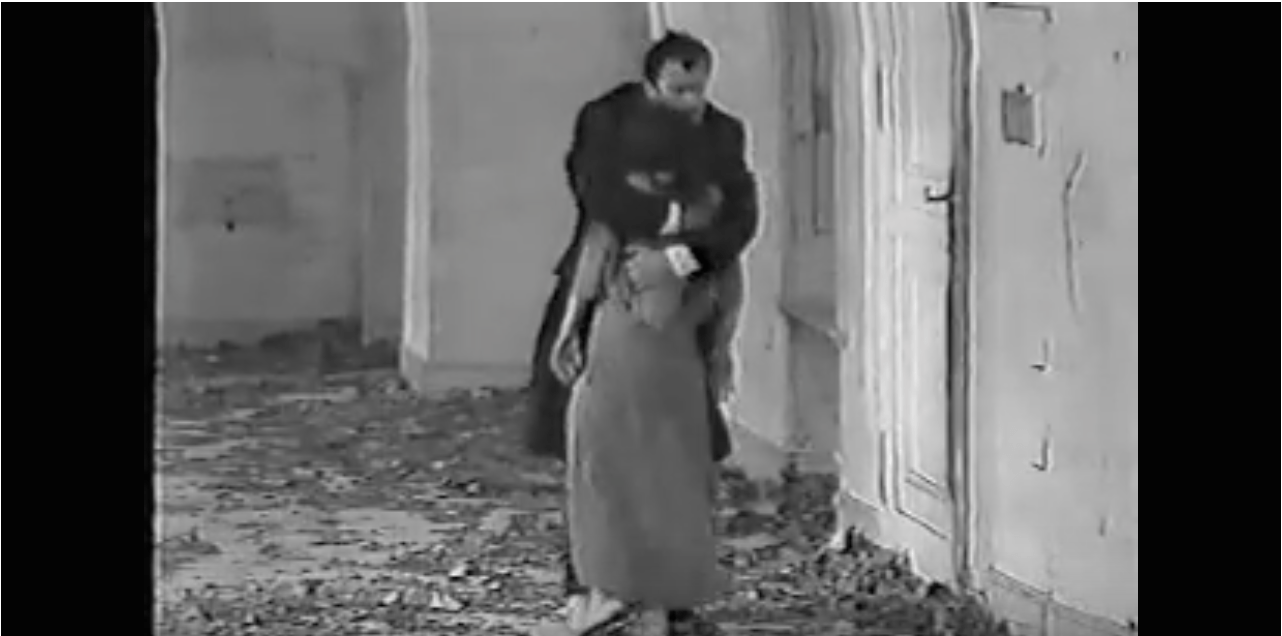
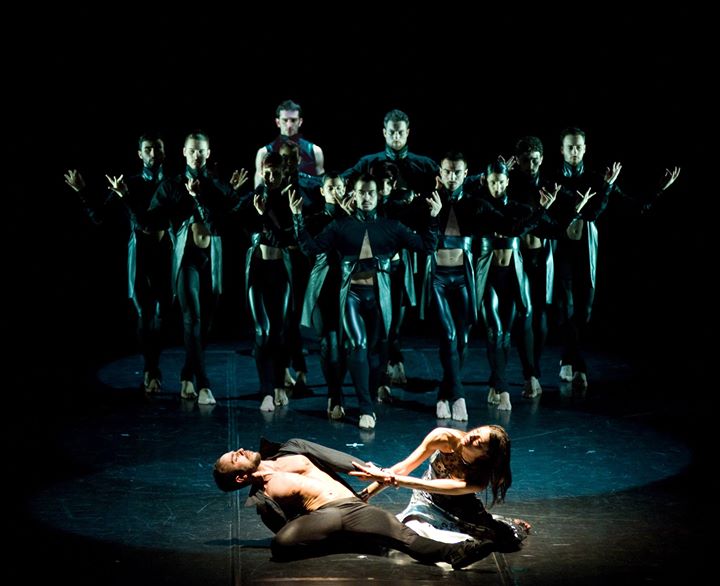
1. Pina Bausch : Blaubart
*
Blaubartor Bluebeard is a French folktale written by Charles Perrault. It was adapted to dance theatre by Pina Bausch, a German performer and choreographer, in 1977 (nine years before I was born!) My interest is about Bausch’s interpretation toward human body which was subjected to the violence. Here was an excellent excerpt from thefunambulist.net :
Blaubart (Bluebeard), based on the tale of the same name, finds its very essence in the violence on the female body: Bluebeard is a nobleman who slaughter his wives, one by one, in a room of his castle.
Pina Bausch bases her choreography on the violence expressed between the male and the female body. The latter is continuously prostrated and in between a few attempts to flee from its rapist/murderer, it is mistreated like an object on stage: thrown against the wall, pull to the floor, embraced abruptly…
What we see as spectators is difficult to look at, as we know that the dancer’s body itself is subjected to all this violence: there is no “cheating,” violence cannot be expressed by anything else than itself.
…Pina Bausch force us to look at the violence of a part of human interactions and, far from making us think of it as an aesthetic experience, she contributes to our profound revulsion for it in such a way that no text seems to be able to describe it.
*
It was really hard to put my feelings into words after I watched this performance via youtube. There was an emotional intensity even in a still image as you saw above. There was a very distressing struggle in its atmosphere.
I had many questions on my mind: By using the same language, will it give the same effect if the performers were not identified by sex? What if all performers were presented as part of a neuter group?
From the sequences at 2.33 and 3.28, one forced another to control the whole body actions; both were female. It was the language of Bausch’s choreography that strongly spoke to us: when one was forbidden from taking possession of his/her own body, one had nothing left.
It reminded me to characters in ‘Destroy, She Said.’ (Thai version) They were different from women in Bausch’s Blaubart; they completely did possess their bodies, but they somehow had similar state of mind to characters in Blaubart.
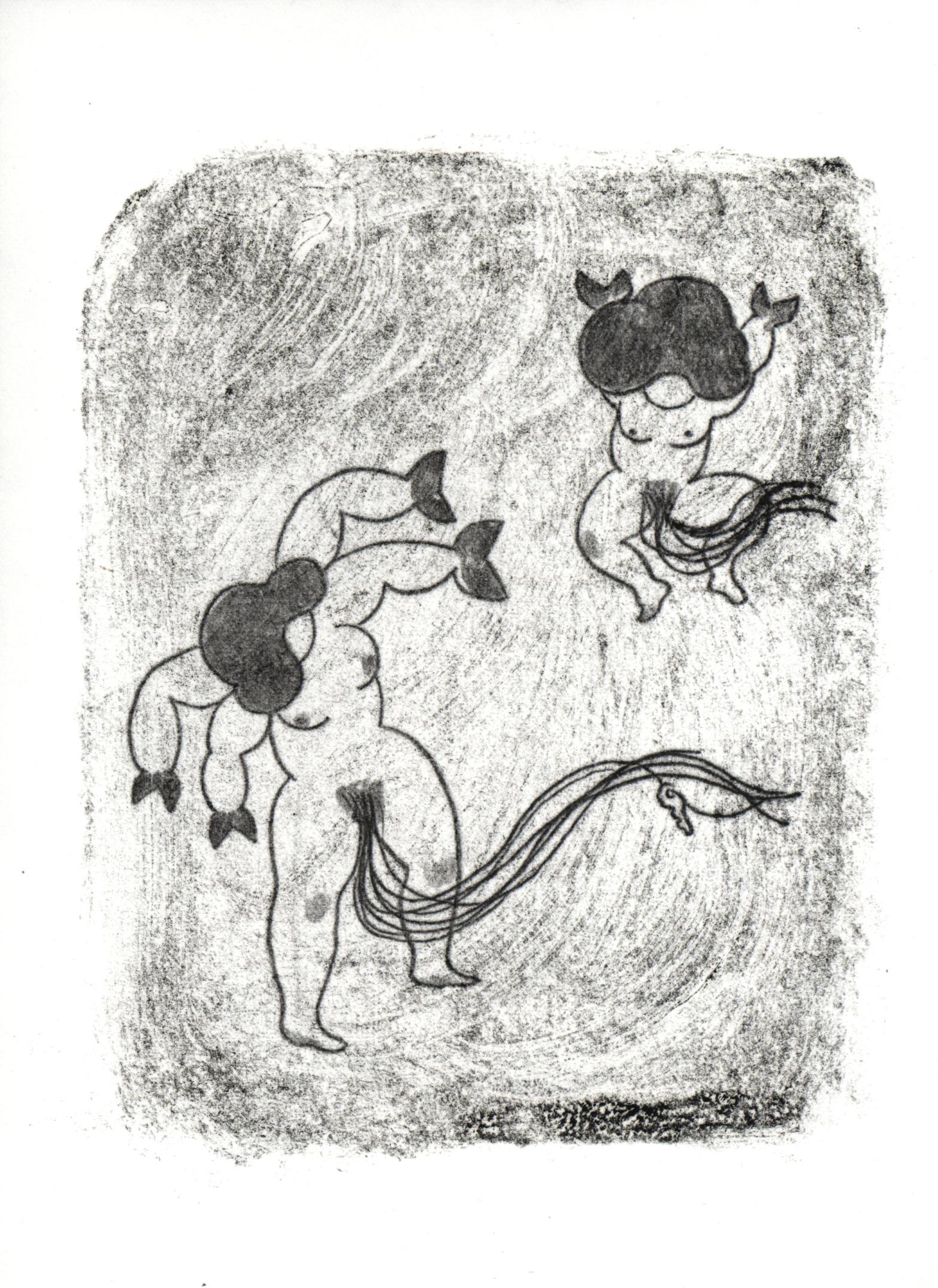
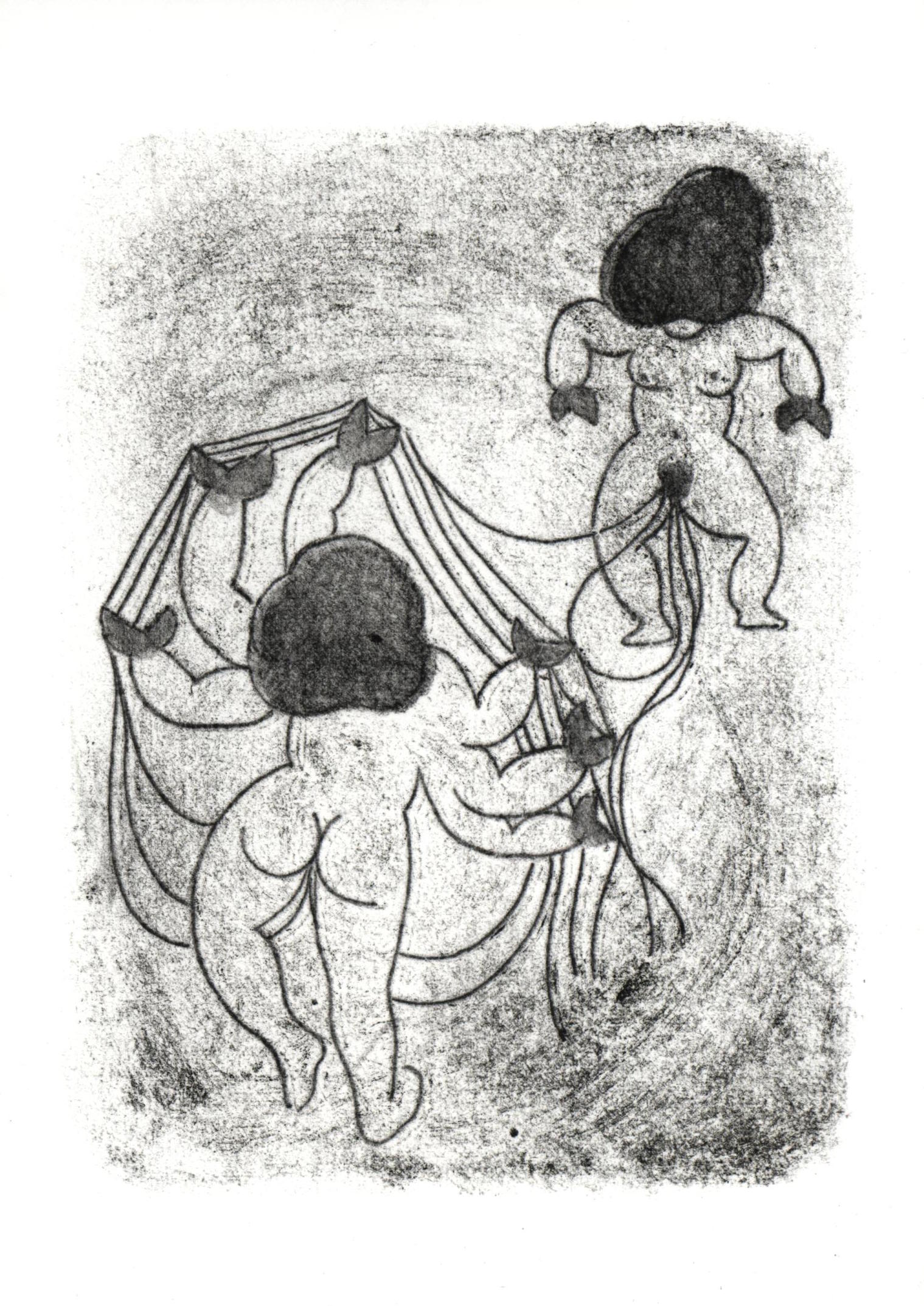
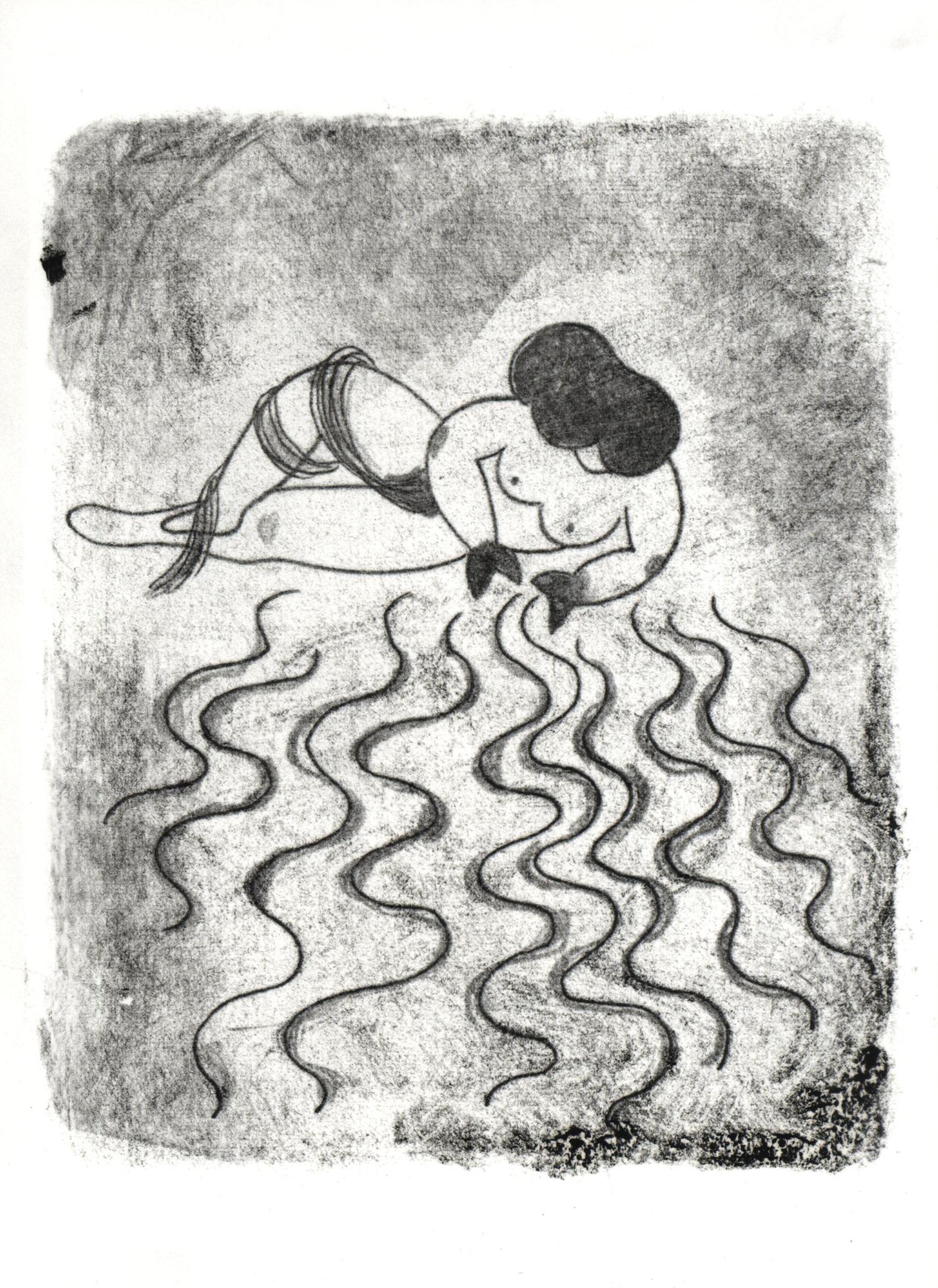
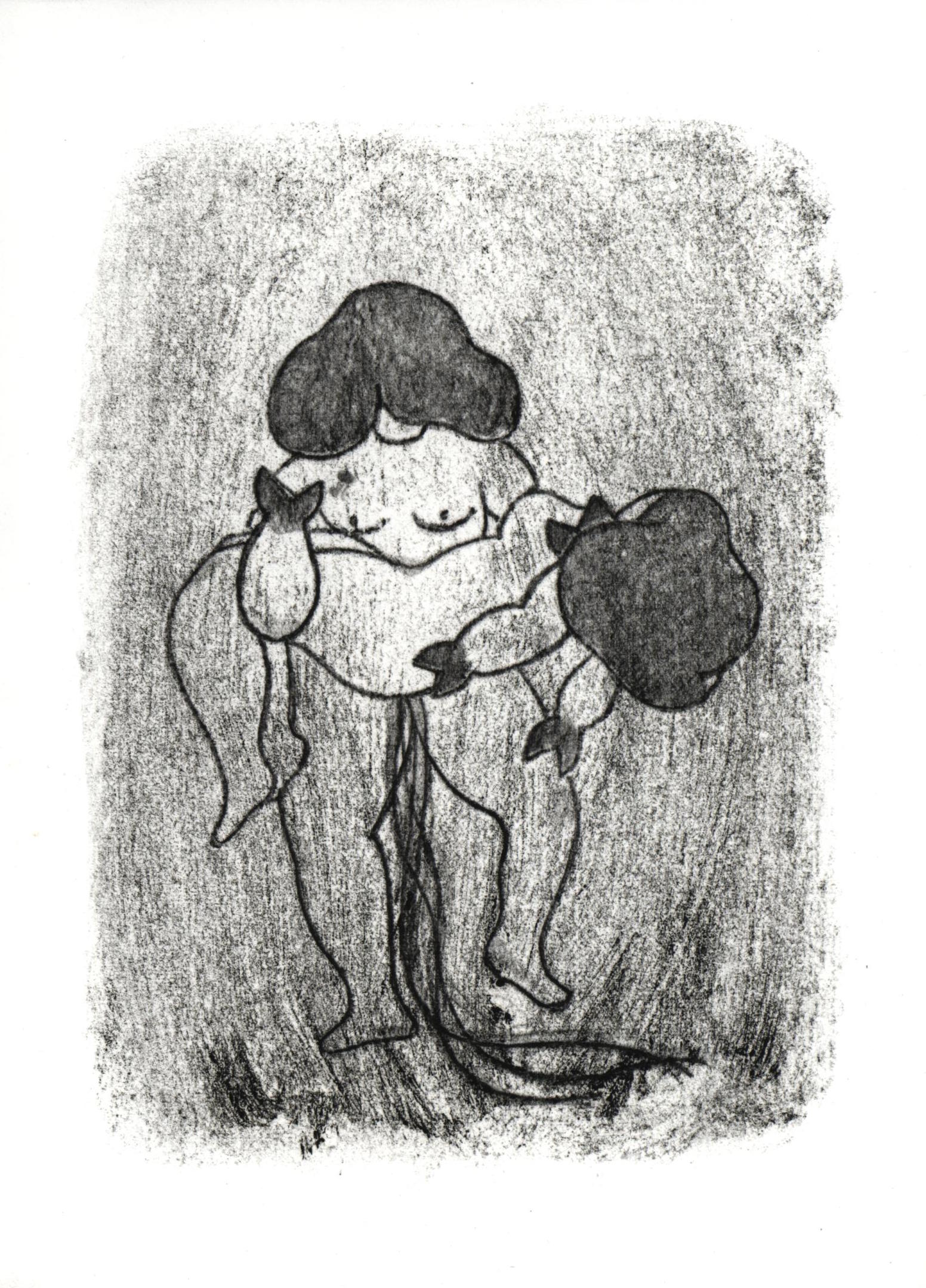
As an illustrator for this book, I wanted to set them free, and let they had a celebration for themself in all aspects of human being, through my illustrations.
*
*
*
*
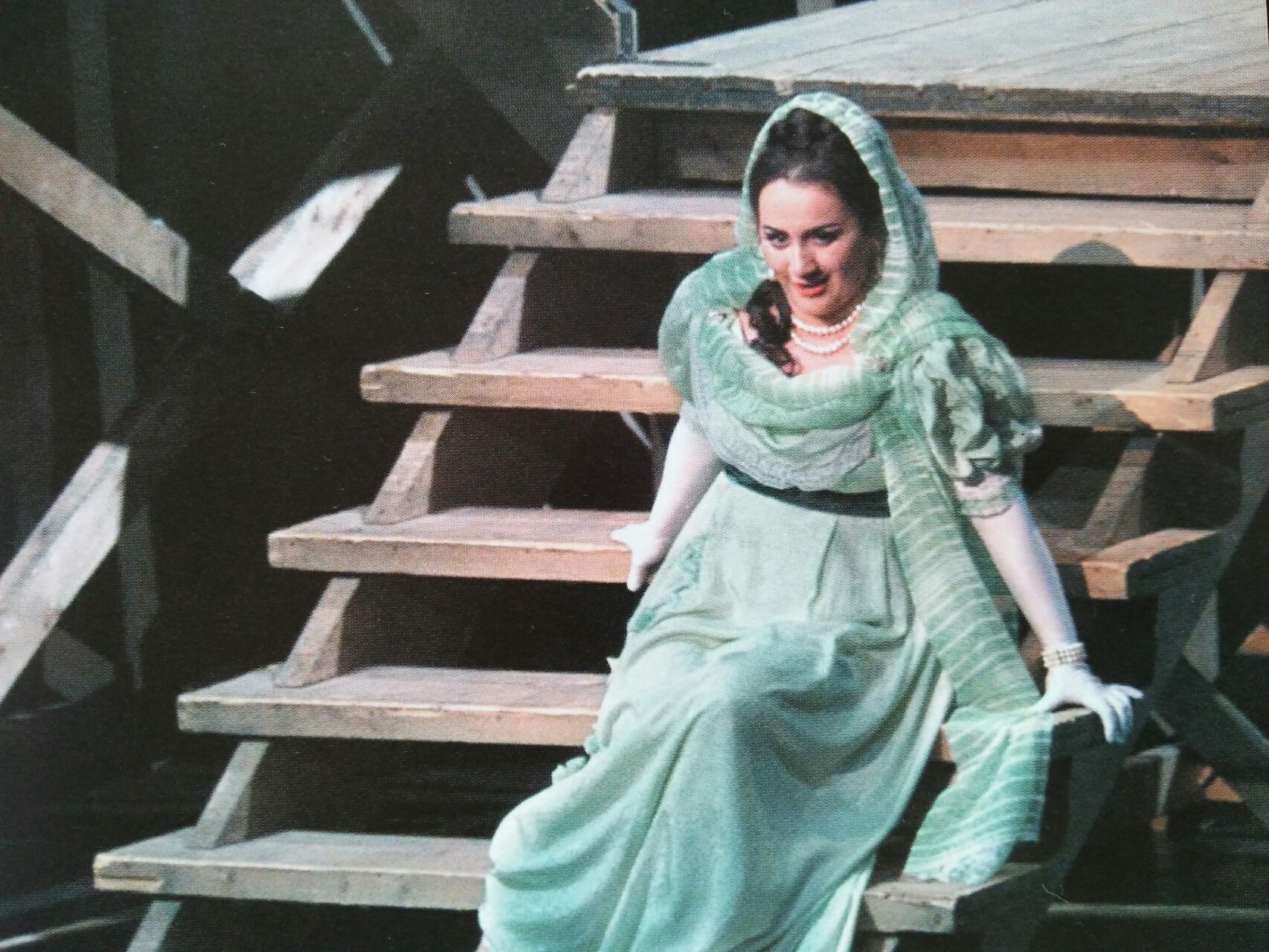
2. Monica Casadei : TOSCA X
I always fall asleep during opera performances, but not for Tosca.
So far as I remember, “Tosca, opera in three acts” was performed in 2003, 2006 ( directed by Rocco Pugliese and Lev Pugliese, world premiere), and 2015 (directed by Yuri Alexandrov), at Bangkok’s international Festival of Dance and Music. I am not quite sure whether I attend Tosca opera in 2003 and 2006, but I certainly did in 2015.
What I love about opera: when the opera singers’s expression were projected for insignificant exclaimation words, it created a new interpretations. But not only their voices, I am also interested in their body languages which hold the story lines.
Tosca – Bangkok’s Fifth International Festival of Dance & Music Programme
*
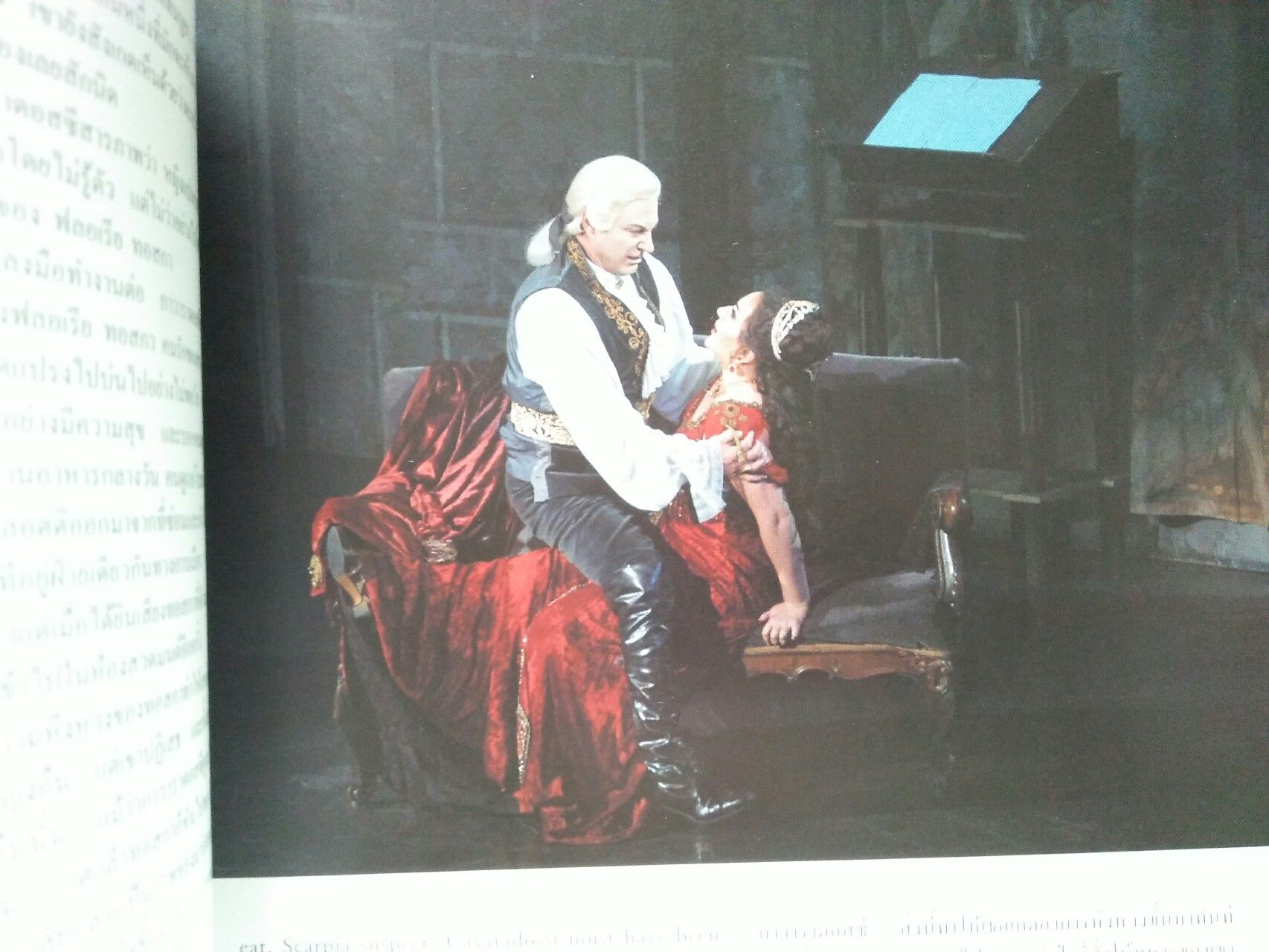
Scapia and Tosca – Bangkok’s Fifth International Festival of Dance & Music Programme
*
There were Scapia who “prefered a forced conquest to a passive surrender” (2003 programme p.25 ), and Tosca who was finally forced to surrender to the death. It were all about how individuals fighted with state power. However, the tradional opera has taken us nowhere: it too much focuses on melodrama of love.
Tosca X was something different and Monica Casadei did not take Tosca for granted.
*
TOSCA X was performed on May 2, 2017 at Music Hall, Culture Building, Chulalongkorn University.
**
TOSCA X : OMAGGIO A GIACOMO PUCCINI
Tosca X is the first performance of the new project of Monica Casadei called “Corpo d’Opera”, dedicated to great composers of the 20th century. Through this new creation, the artistic director and choreographer of the Italian dance company Artemis Danza proposes her personal version of Tosca, one of the most famous as well as dramatic opera play written by the Italian composer Giacomo Puccini.
The performance focuses on the central act of Tosca and aims at investigating the relationship between Baron Scarpia, a man craving for possession, and the famous Tosca, a woman living for art. ToscaX seems like a thriller, where Tosca plays the role of the victim and Scarpia personifies the persecutor.
Monica Casadei’s Tosca was a very vigorous and energetic woman. Casadei’s choreography required a great strongness of human body which, in my opinion, was surprisingly presented in Tosca’s body more than the body of Scapia’s soilders. And when Scapia tried to possess Tosca, it was Tosca who mastered her body outstandingly.
*
*
I managed to somehow give the sense of Casadei’s Tosca into my illustrations. This is my interpretation of Tosca.
*
*
*
*
3. Rodrigo Pederneiras : SEM MIM
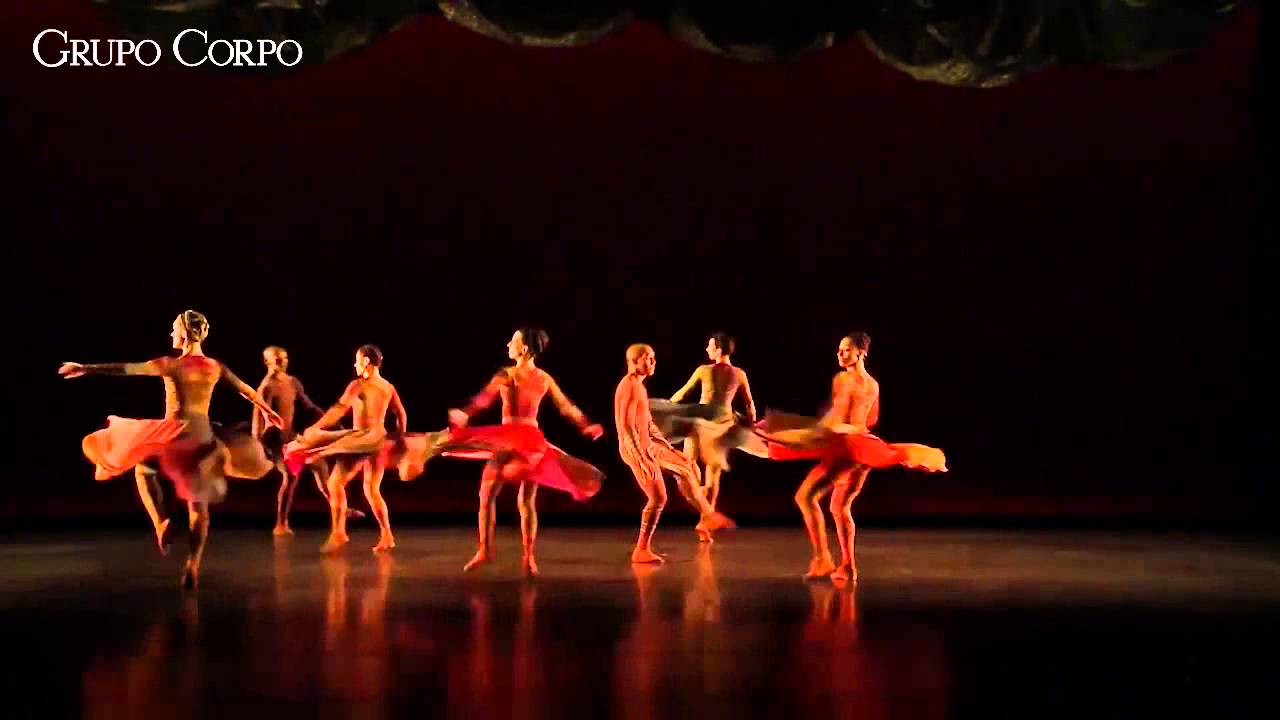
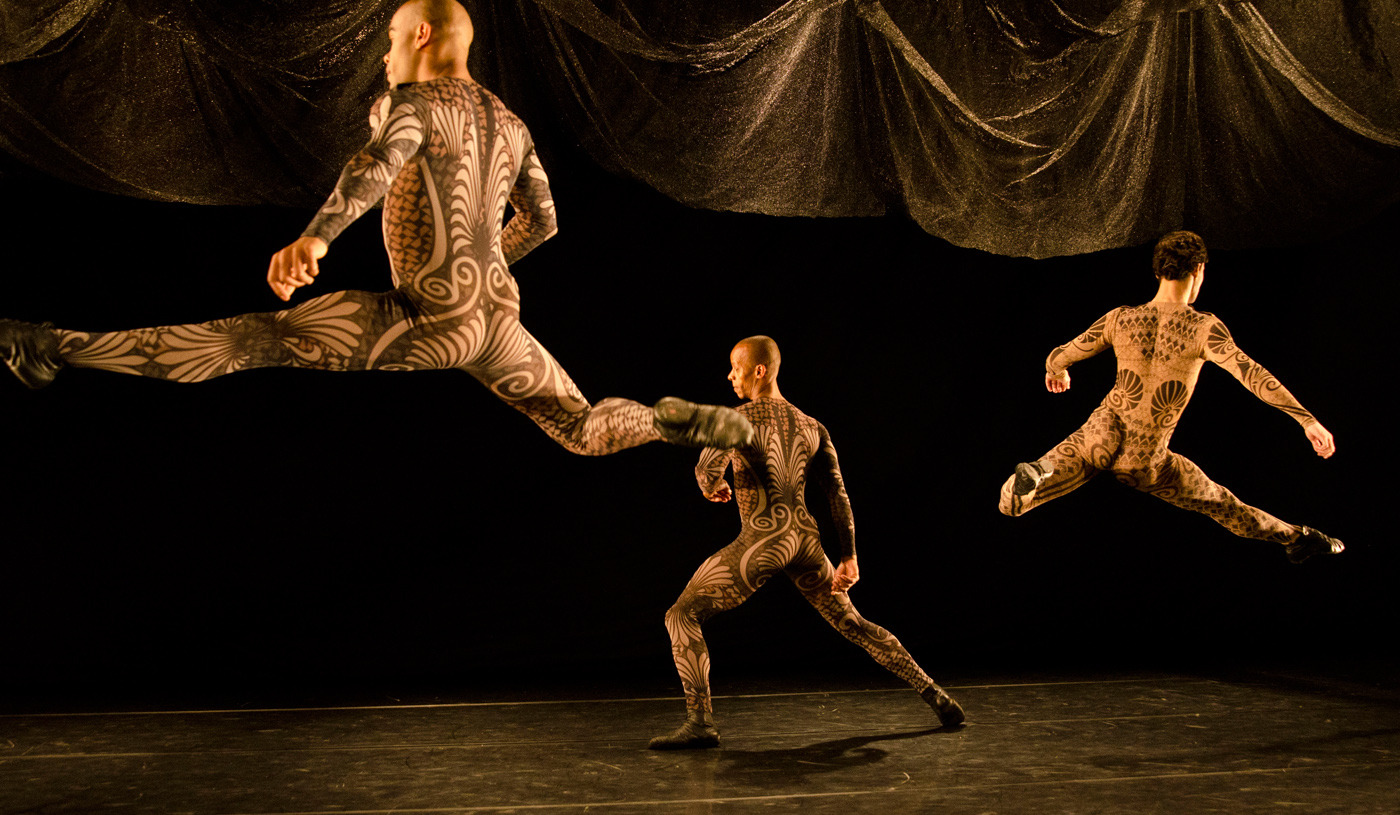
In 2013, Grupo Corpo , the Brazil’s dance company, performed a show named SEM MIM (Without Me) at Bangkok’s international Festival of Dance and Music. It was an unforgettable performance for me. Here are the official records from Grupo Corpo :
The ballet is rocked and soothed by the original score composed by Carlos Núñez, of Vigo, and José Miguel Wisnik, of Brazil, and based on the only set of pieces from the medieval Galician-Portuguese secular songbook that has come down to us with its scores intact: the celebrated “sea of Vigo song cycle” by Martín Codax.
In the seven songs, dating from the 13th century, the poet always expresses the voice of the woman, or, more specifically, the voice of maidens in love that weep the absence or celebrate the imminent return of the lover-friend. Anxious to be reunited, they confide at times in the sea, at times in the mother, at times in friends. And, to appease or excite their desire, they go bathing in the waves of the sea of Vigo.
The lyrics of this medieval troubadour lead Rodrigo Pederneiras to mark his moving score with the interchange between calm and fury and with the ebb and flow of the waves and also to (re)produce, in the posturing on stage, the separation between feminine and masculine, where one always complains of the absence of the other, in choreography portraying the constant flux of advances and retreats and the recurrence of sinuous or abrupt movements of the torso.
*
*
SEM MIM reminded me of nursery rhymes or lullabies because because of its gentle repetition. Rodrigo Pederneiras formed and reformed the group like stimulating waves. It gave a sensuous pleasure and warm tenderness at the same time.
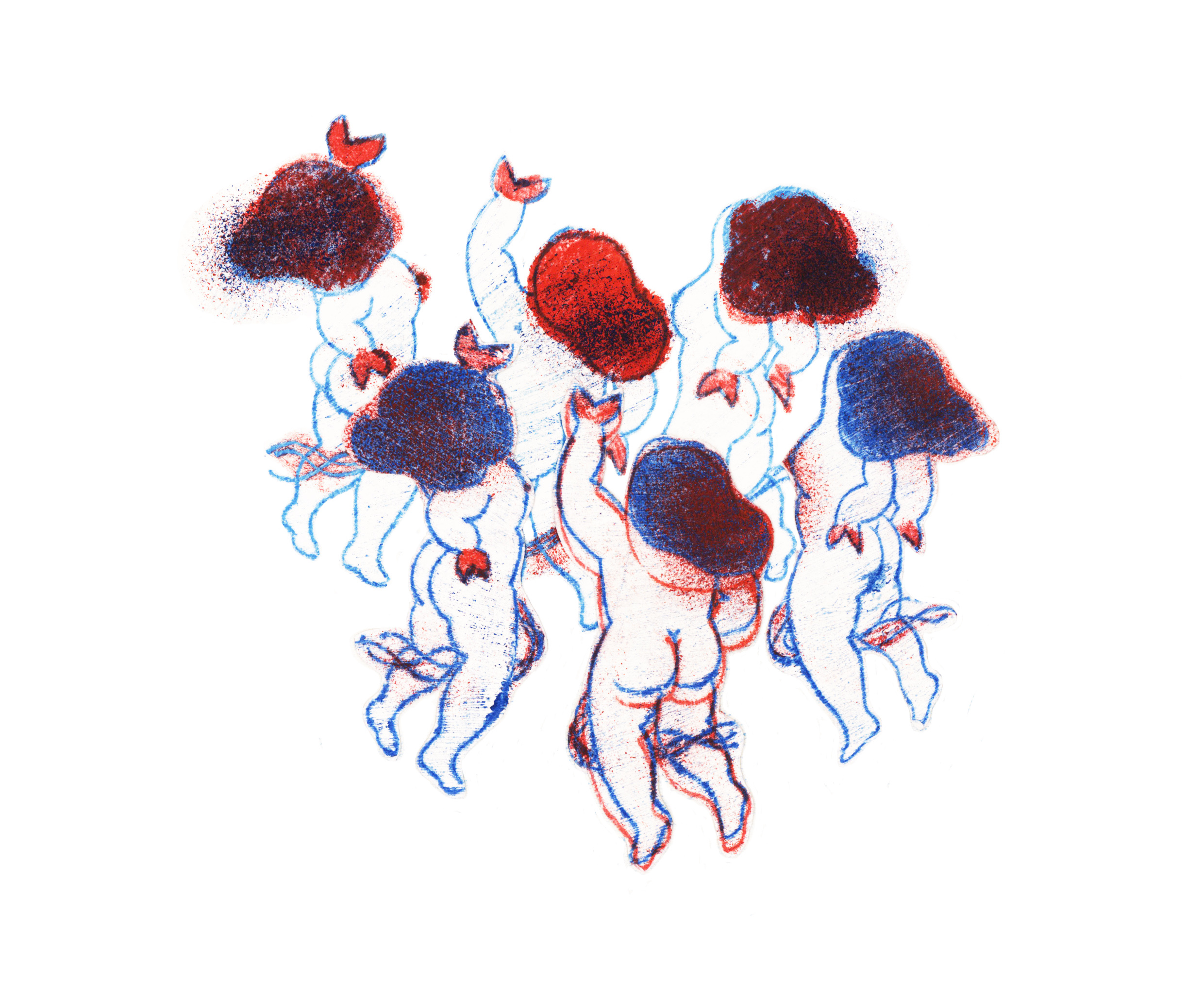
When I drew, I imagined my drawing was alived and they joined Pederneiras’s dancer group, I even saw how they combined their choreographies together. I had ‘that’ rhythm in my head. I sensed this chemistry. I even designed the light setting on a stage for their performances. What I got was the significant figures on the book cover:
*
*
(to be continued “Destroy, She Said (3)” Dancing with Pubic Hair : A Toast of Joy)
“In such a moment the differences start to disappear and I start to become nothing, to become everything. Myself is the creator and at the same time the created. But whom the goddess of the moon loves with a deep love? The one that unites or the one that divides? As I came riding through the world of my dreams I realized that I lived my life as it is real. While I wept I said; I have no name I am just a moment old. Timeless and unique. Don’t matter if the season gone, or the darkness is complete.”
Araya Rasdjarmrearnsook In this circumstance, the sole object of attention should be the treachery of the moon. Solo exhibition at Ardel Gallery, 2009
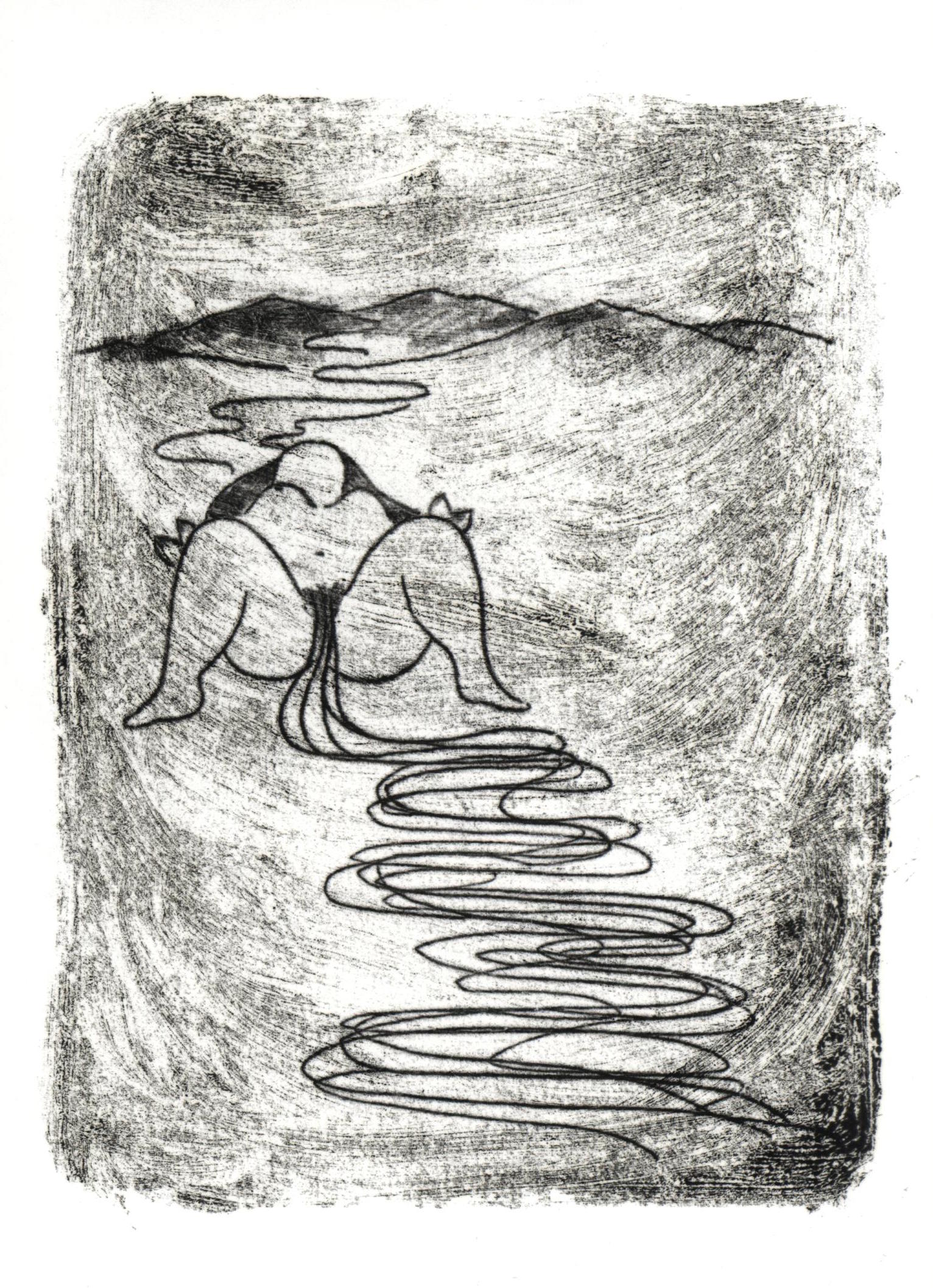
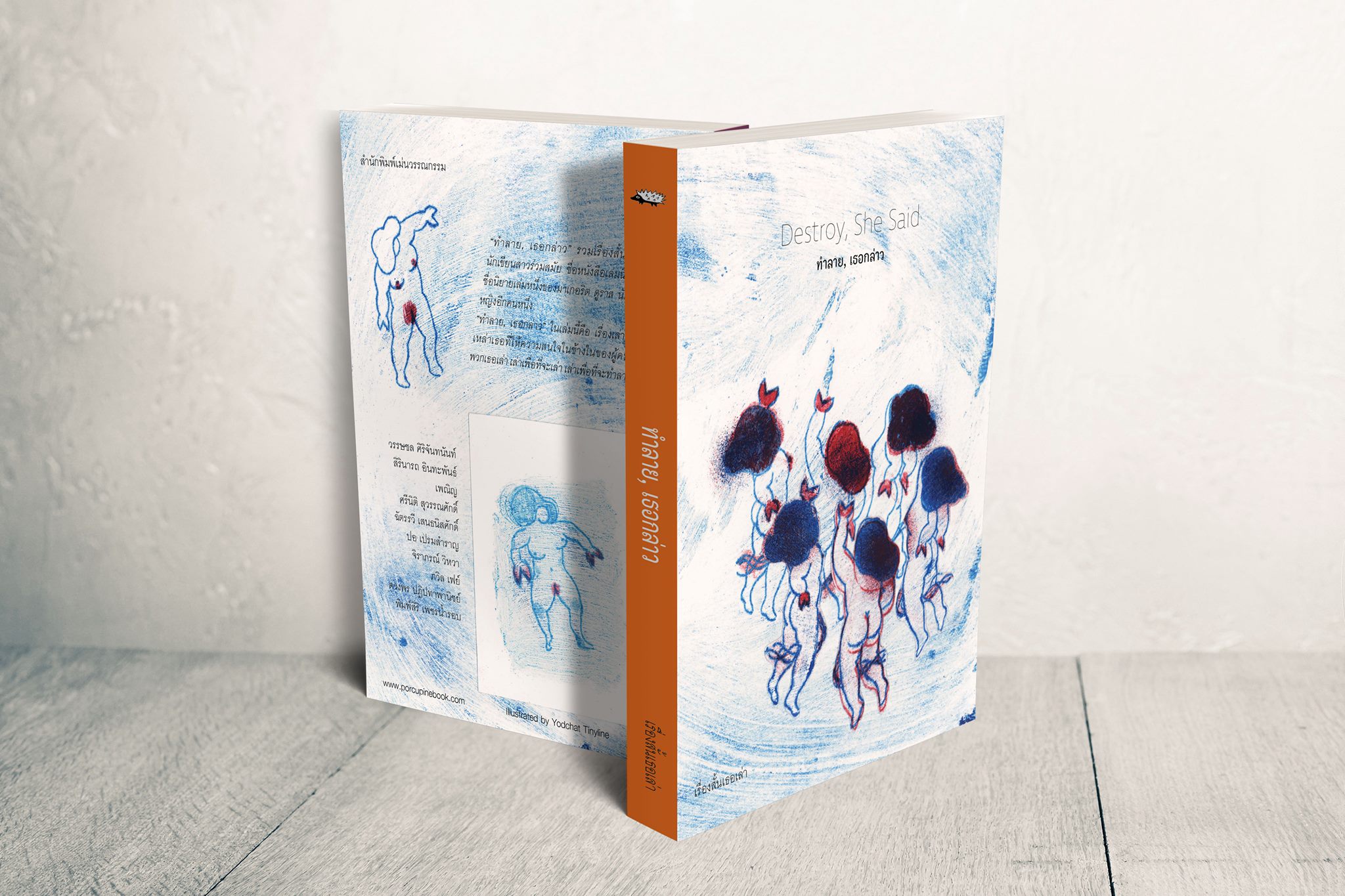
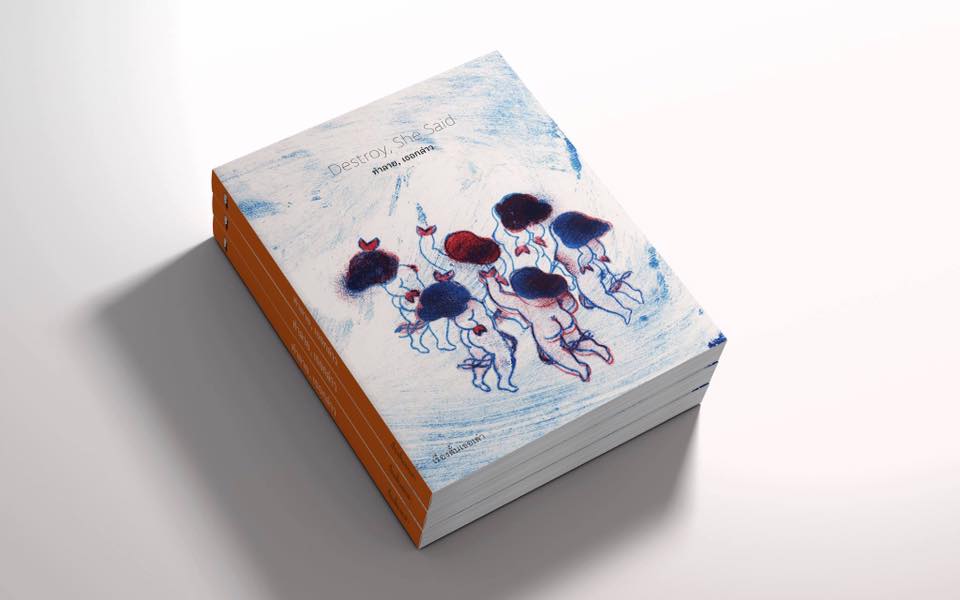
On April 26th, Niwat Puttaprasart, founder of Porcupine Book, kindly emailed me about a very interesting project. He asked me to do one book cover and eleven illustrations for Thai short stories collection named “Destroy, She Said” / “ทำลาย, เธอกล่าว รวมเรื่องสั้นเธอเล่า” It was written by:
The editor of this project is Wiwat Lertwiwatwongsa aka FILMSICK, one of Thailand’s most renowned cinephile, filmcritic, curator for the independent film screening programs, writer [ book list ::: short stories (translated in English by Marcel Barang)], and translator.
Wiwat got this book title from Marguerite Duras’s classic novel “Destroy, She Said”, but, as he wrote in his preface, nothing in Duras’s work related to these Thai short stories, except one thing: the potential for exploring the interior landscape of mind in terms of interestingness.
Reading these writings can provoke readers into tracing their feelings and perceptions about being woman (regarding the context of post-coup Thai sphere.) As Wiwat explained: the writers wrote as if they could destroy themselves and others. Each character’s story was revealed as much as kept away from us, the outsider.
*
Photo credit: Porcupine Book
*
Photo credit: Porcupine Book
*
Characters
Characters in this book had to deal with
1. Political issue: Thai social norms (being in monogamous or polygamous relationships, taking possession of female bodies, etc.)
2. Memories: childhood trauma, family issues, aging, etc.
There were an old lady who had an affair, an honest and dedicated wife who killed her husband, a woman who frustrated with both casual sex and a committed relationship,
a woman who had a television addiction (relating to parental relationship problem in her fragile family) when she was young, and a woman who could not decide whether or not to do a tattoo on her body because she has been controlled by Thai social norms.
There were a love-hate relationship of a daughter and her disable father, an awkward moment when people witnessed a suicide by bridge, and a song named Si el vino me hace llorar in the twilight zone of a strange town.
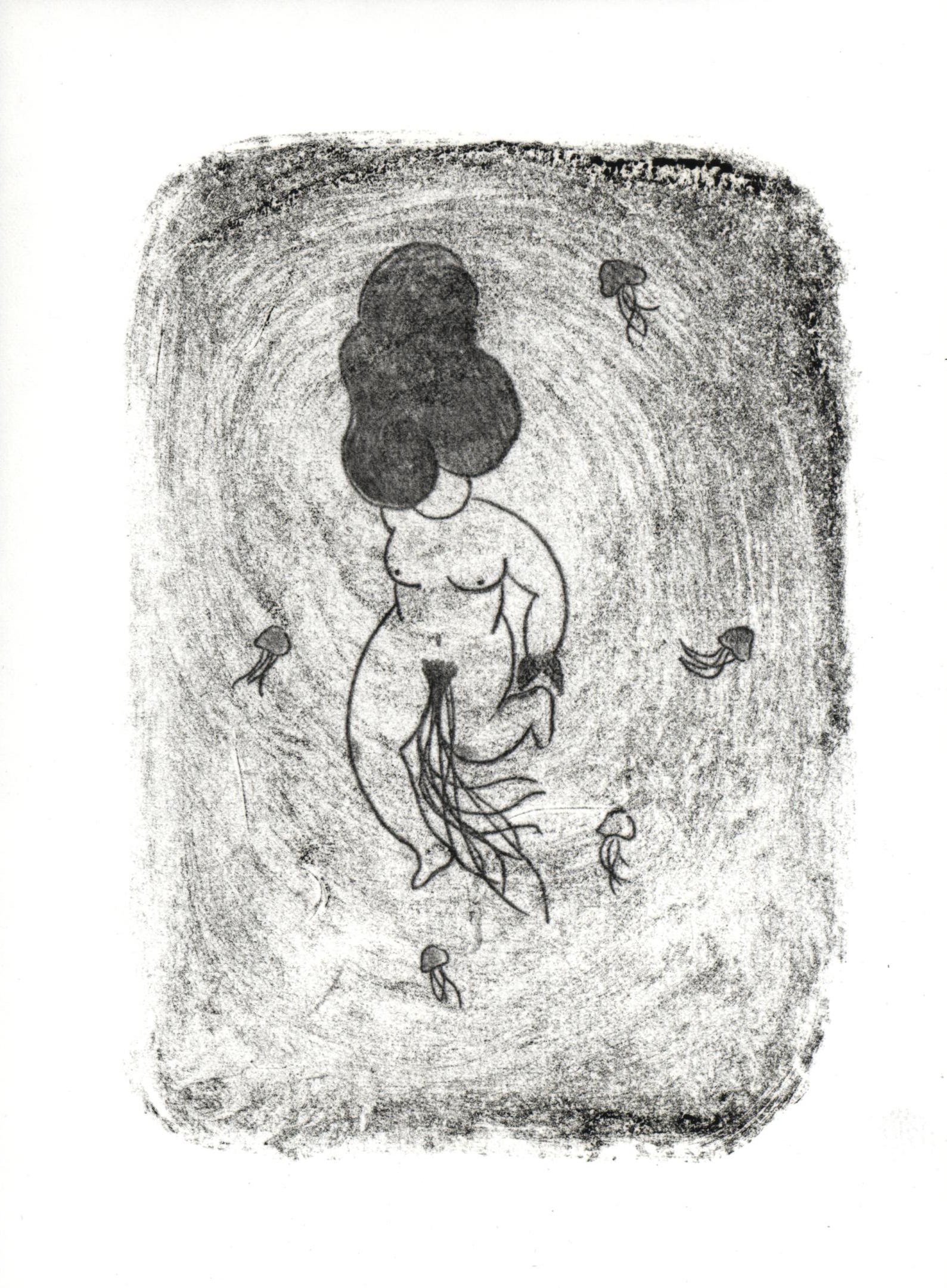
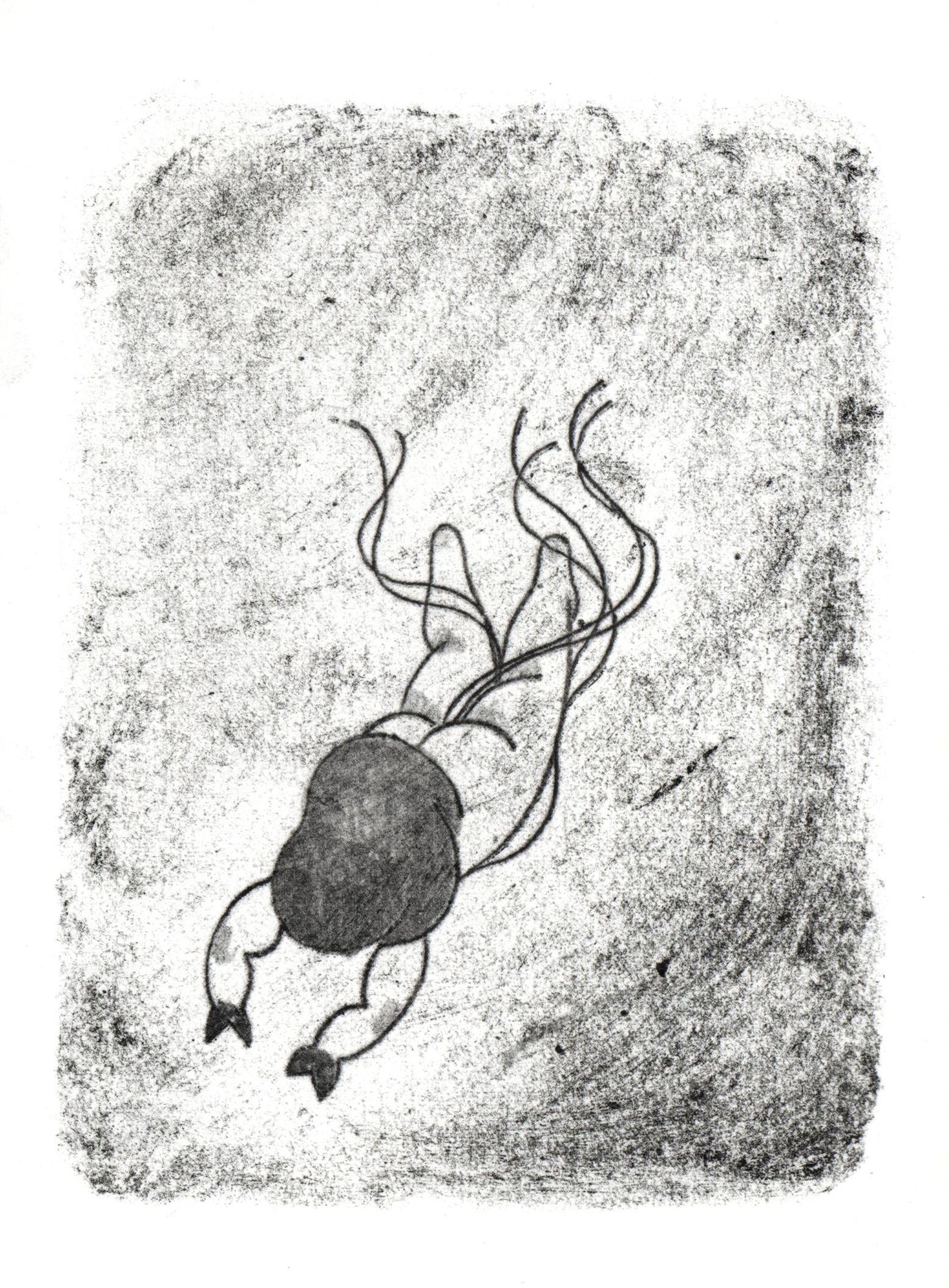
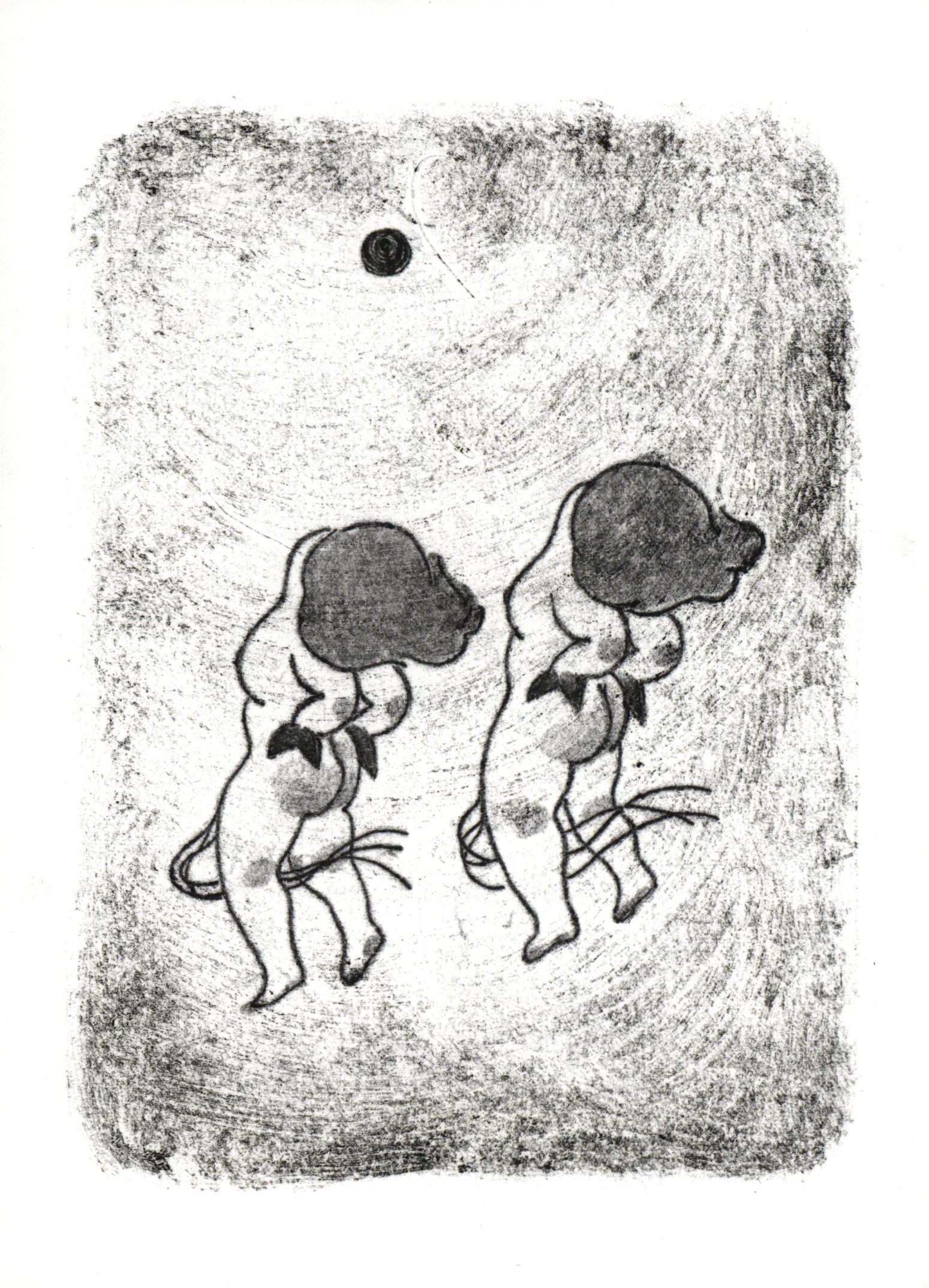
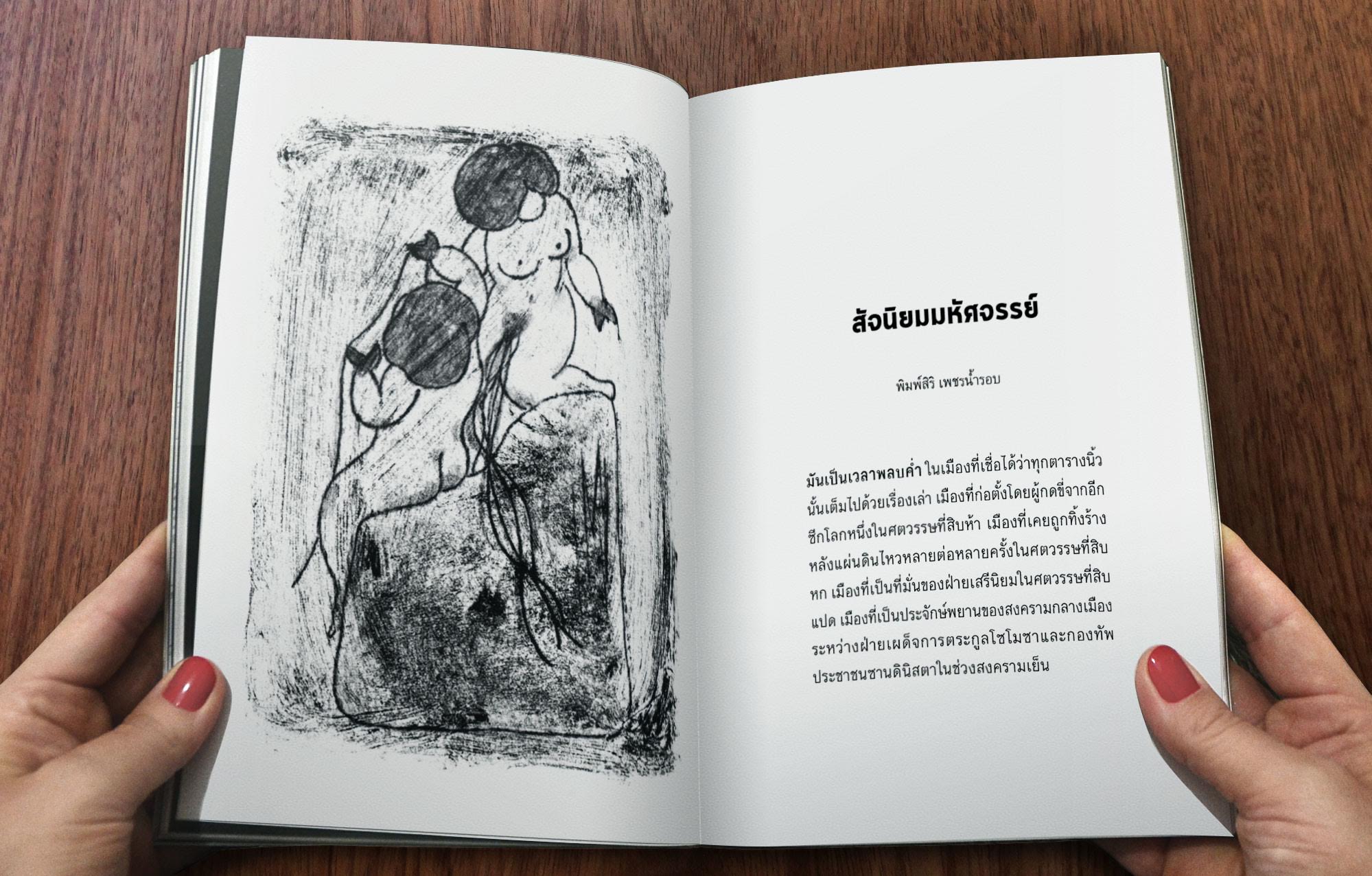
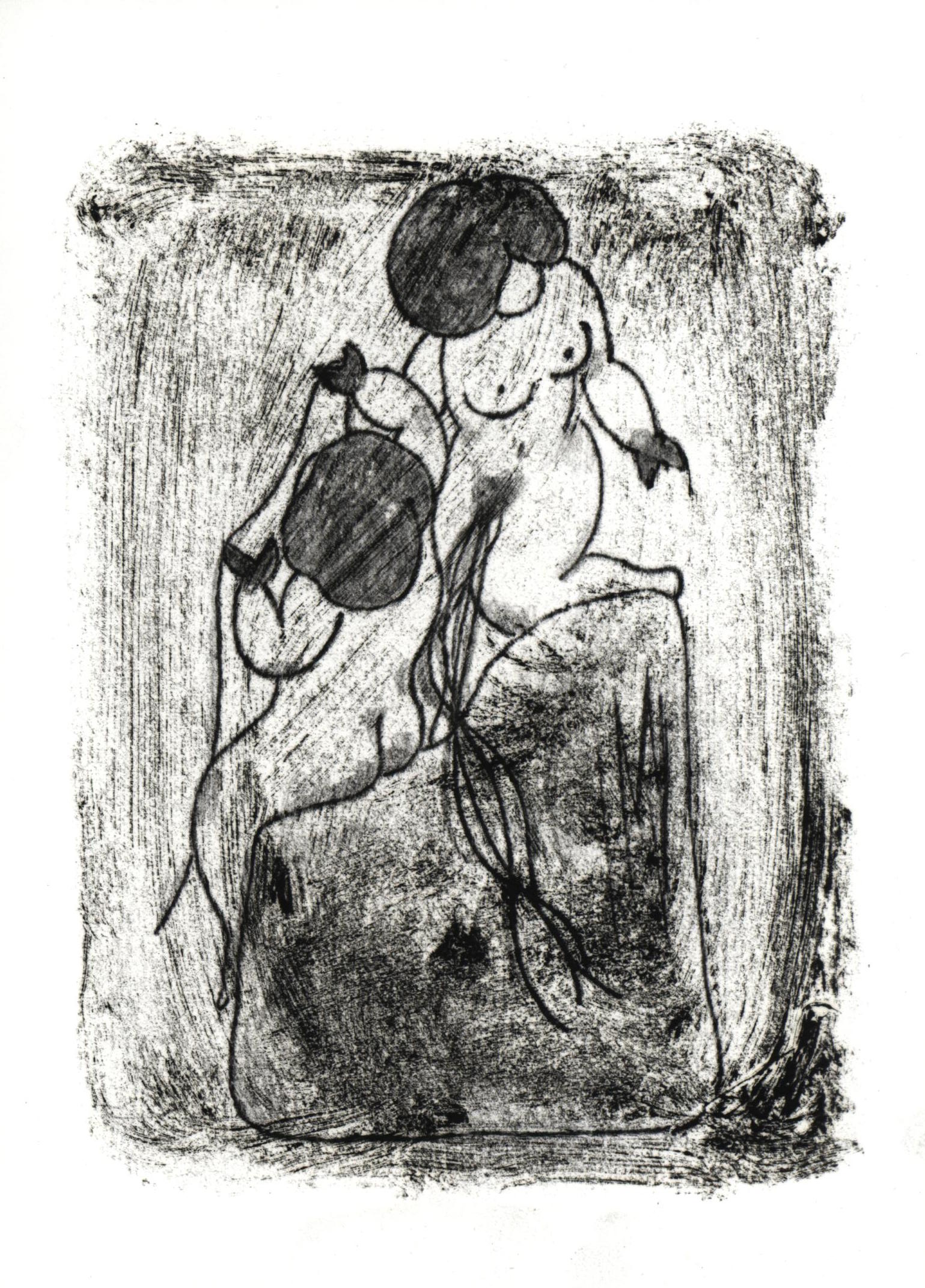
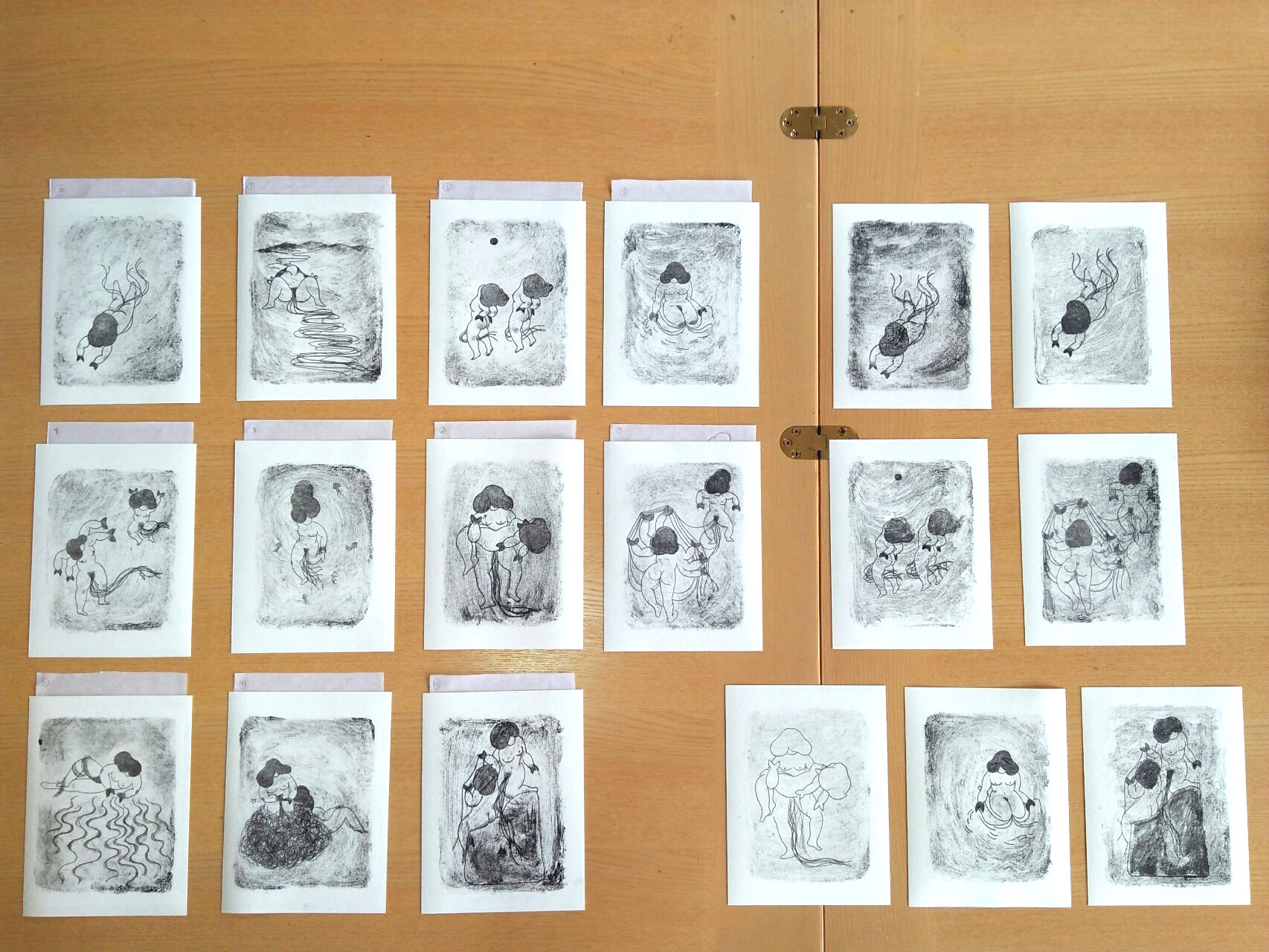
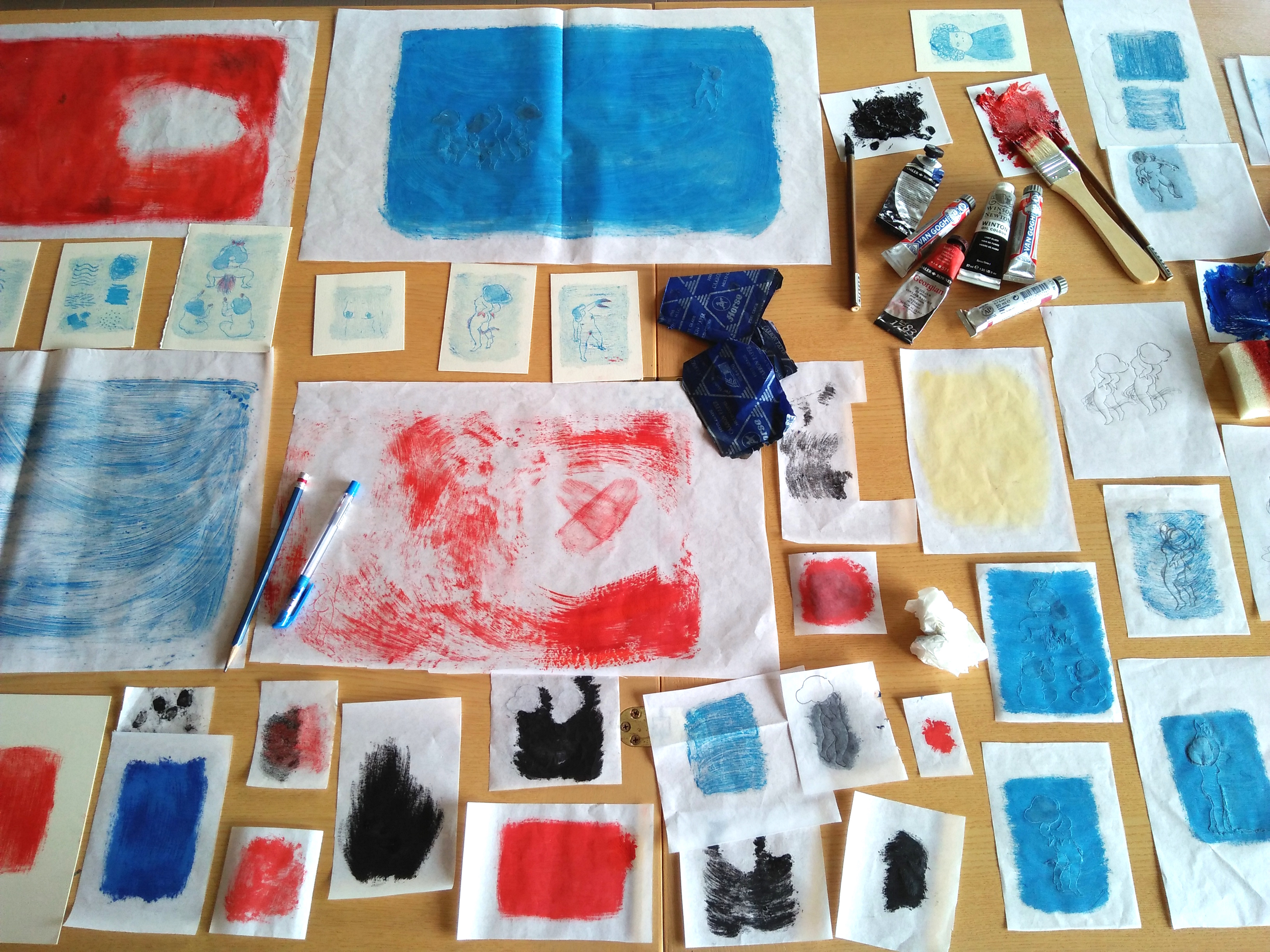
After I finished my first reading, I did not do my sketch immediately. I tried to figure out what kind of “illustration language” will suit this book, and it did not take me a long time to find the answer, I knew exactly it must be an oil transfer technique.
*
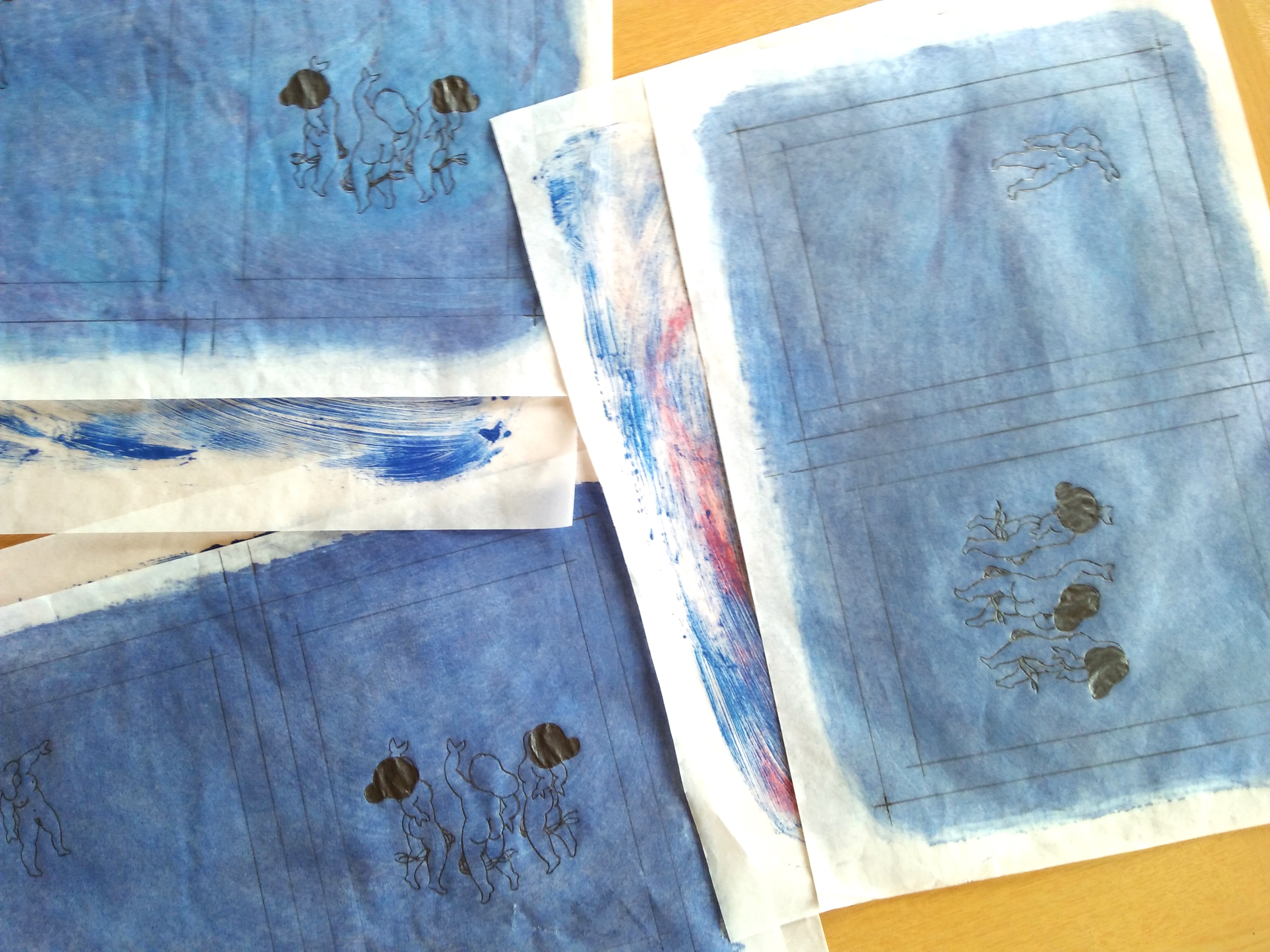
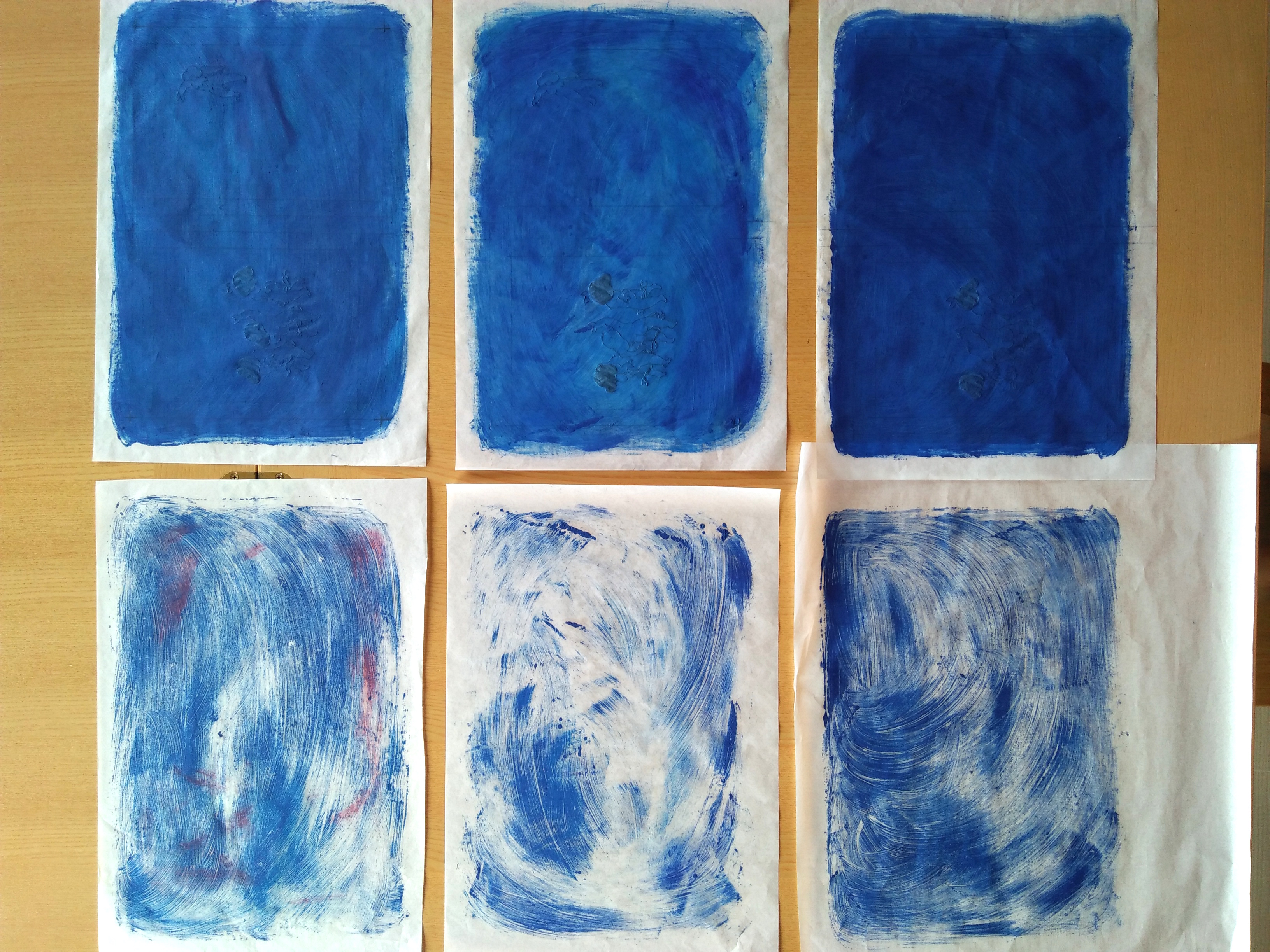
oil transfer paper
*
final and testing paper
*
oil transfer making process
*
oil transfer making process
…the moment you transfered your drawings you thought twice, first was ‘what am I going to draw?’ and then ‘How could my drawing looks like after I press this trasfer paper?’…
*
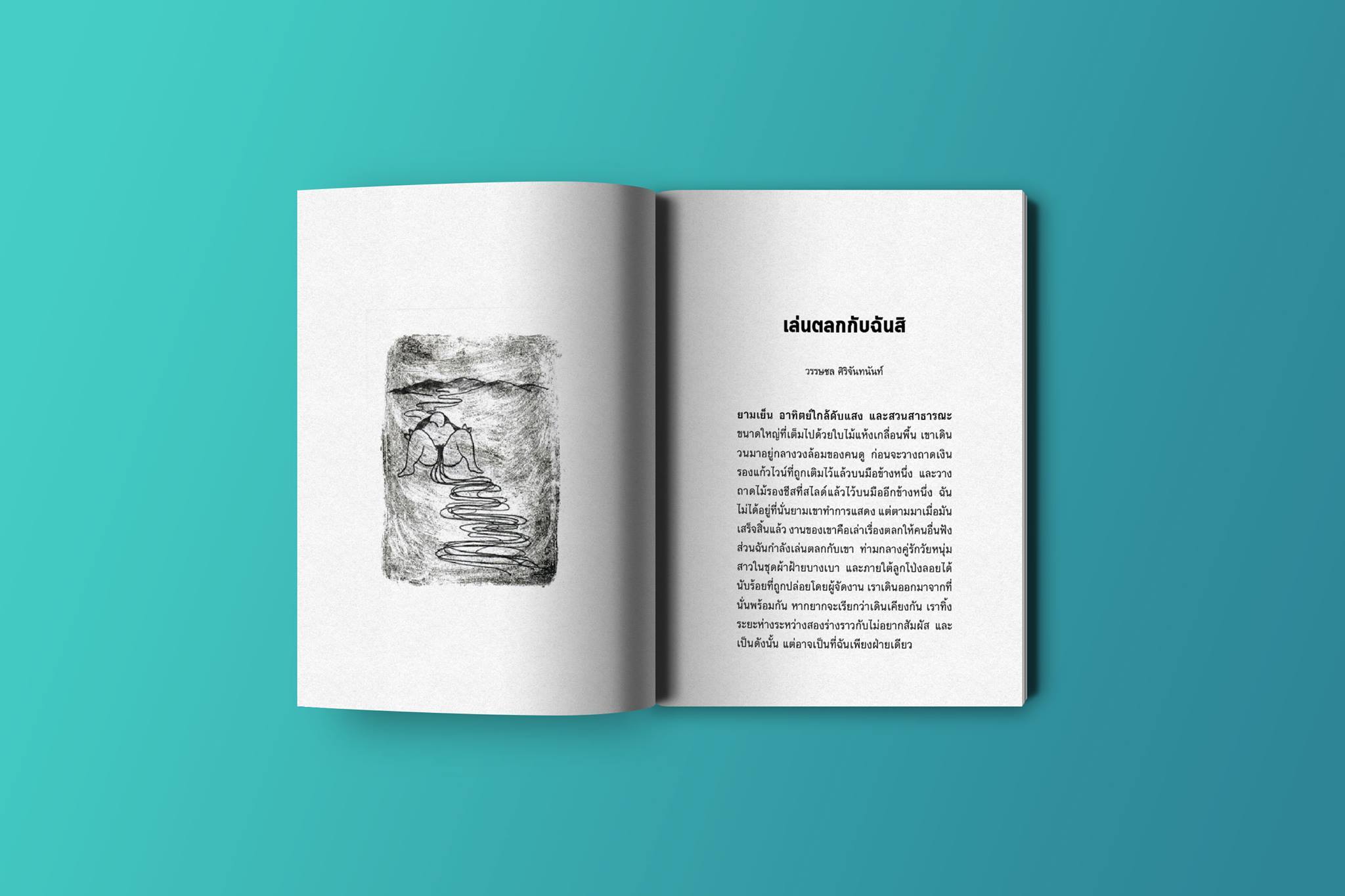
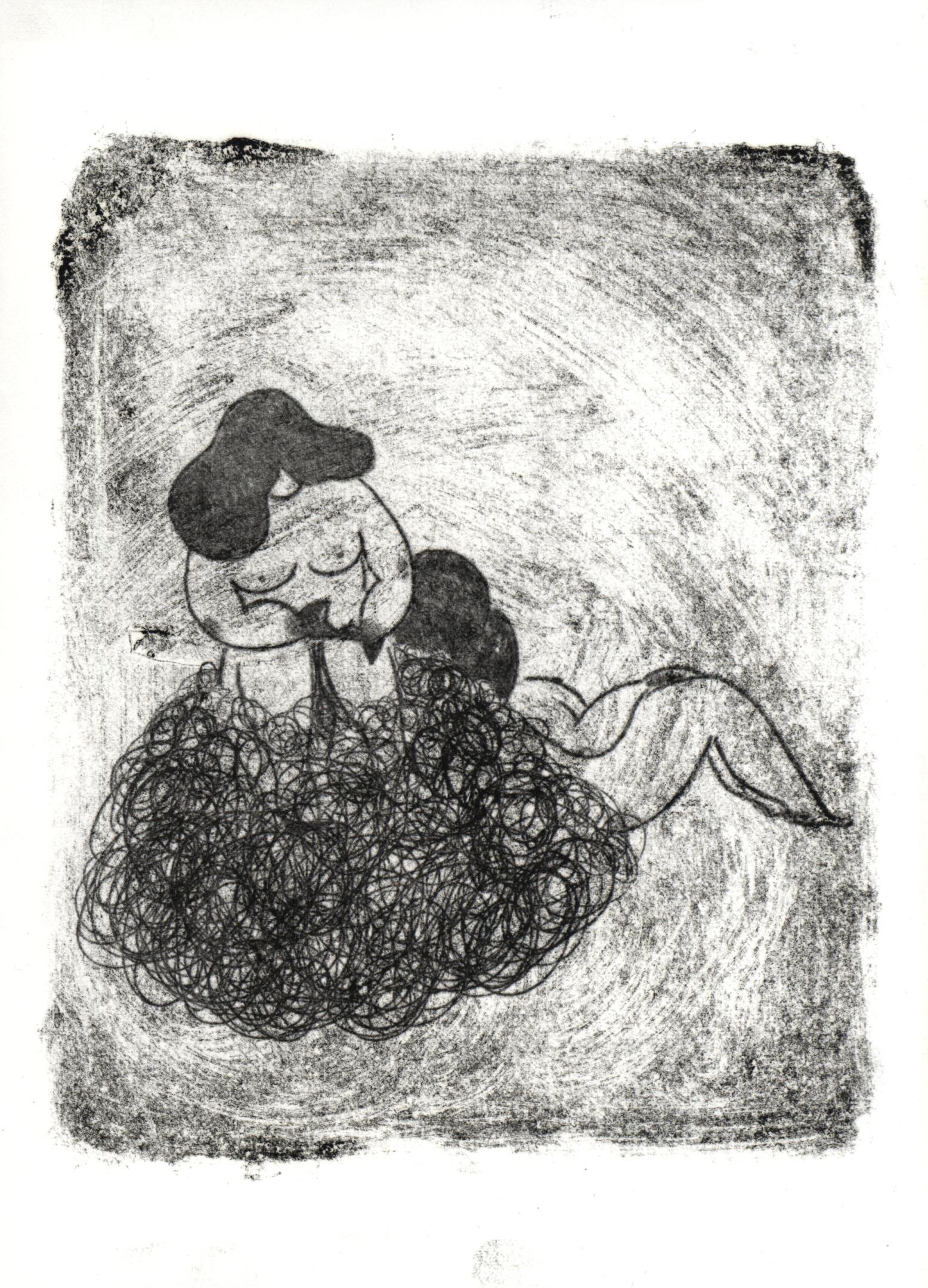
The process of oil transfer technique is almost like doing etching print, but it does not require any copper plate for printing. It can gives many kind of textures and chiaroscuro to the final work. It is very suitable for expressing the complex feelings from characters in “Destroy, She Said.” It was my kind teacher, Jesús Cisneros, who taught me this technique.
*
oil transfer paper for book cover illustrationoil transfer paper for book cover illustration
*
*
*
*
My creative process (1)
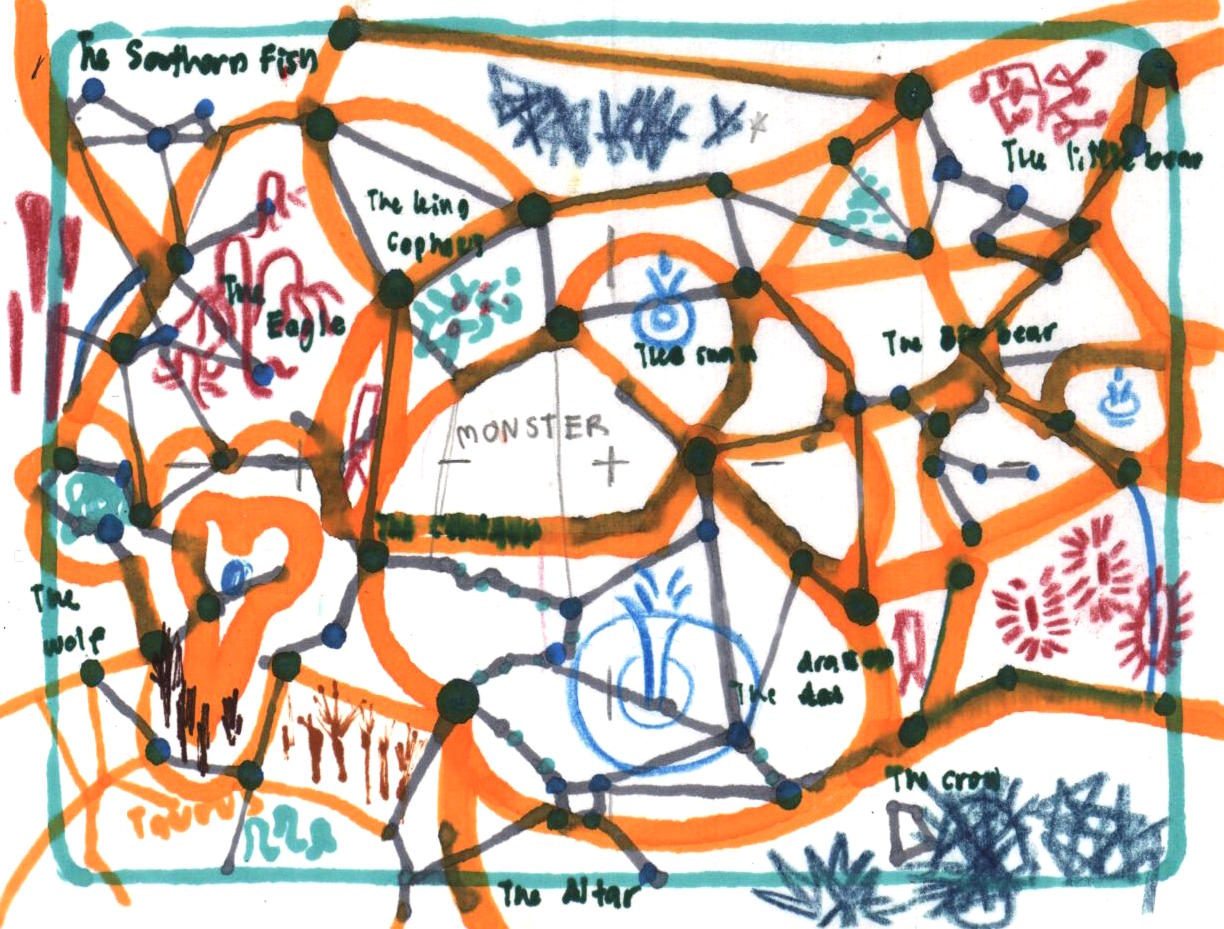
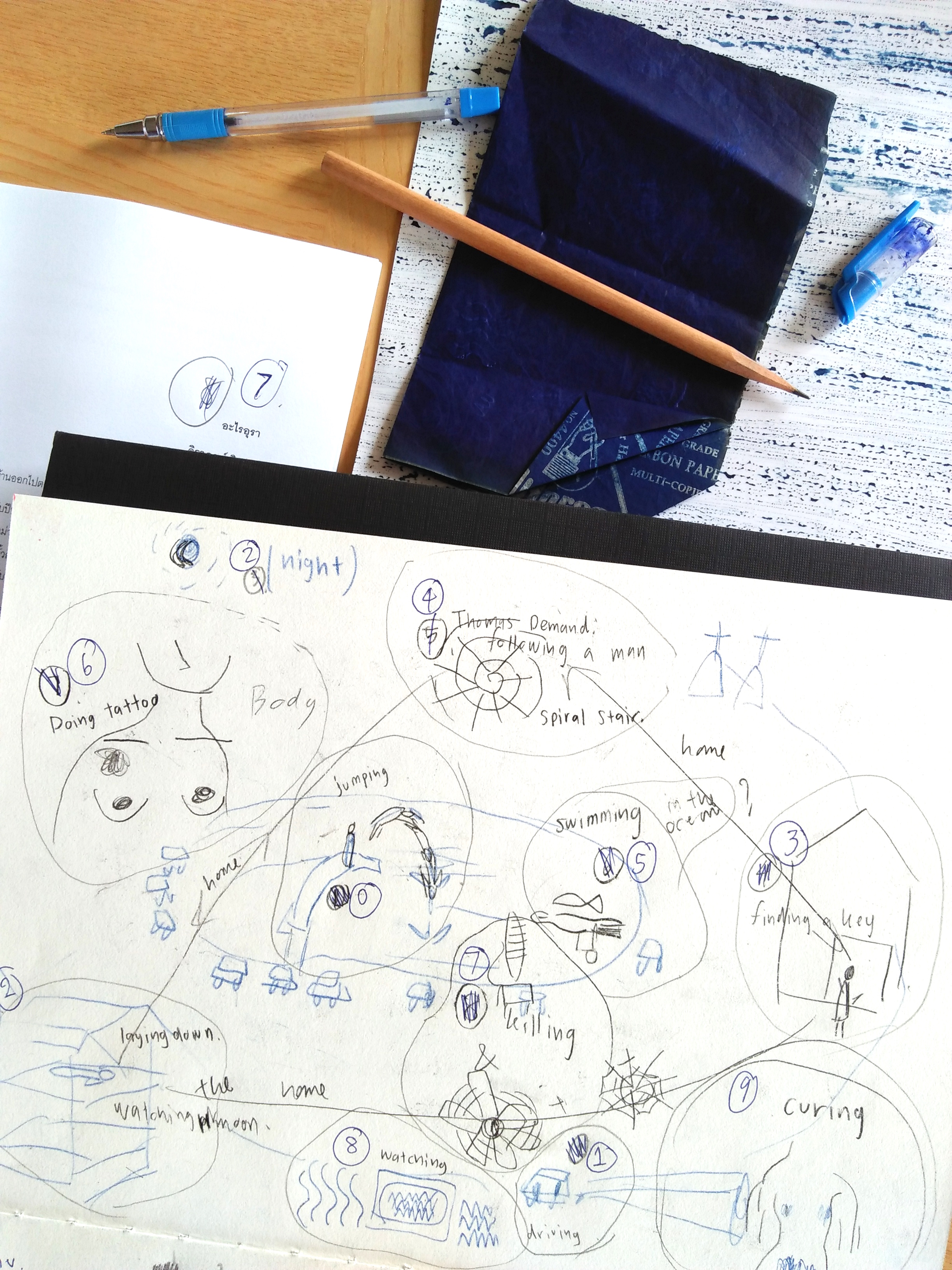
After several of my rereadings, I drew my own map:
Map of characters in Destroy, She Said
*
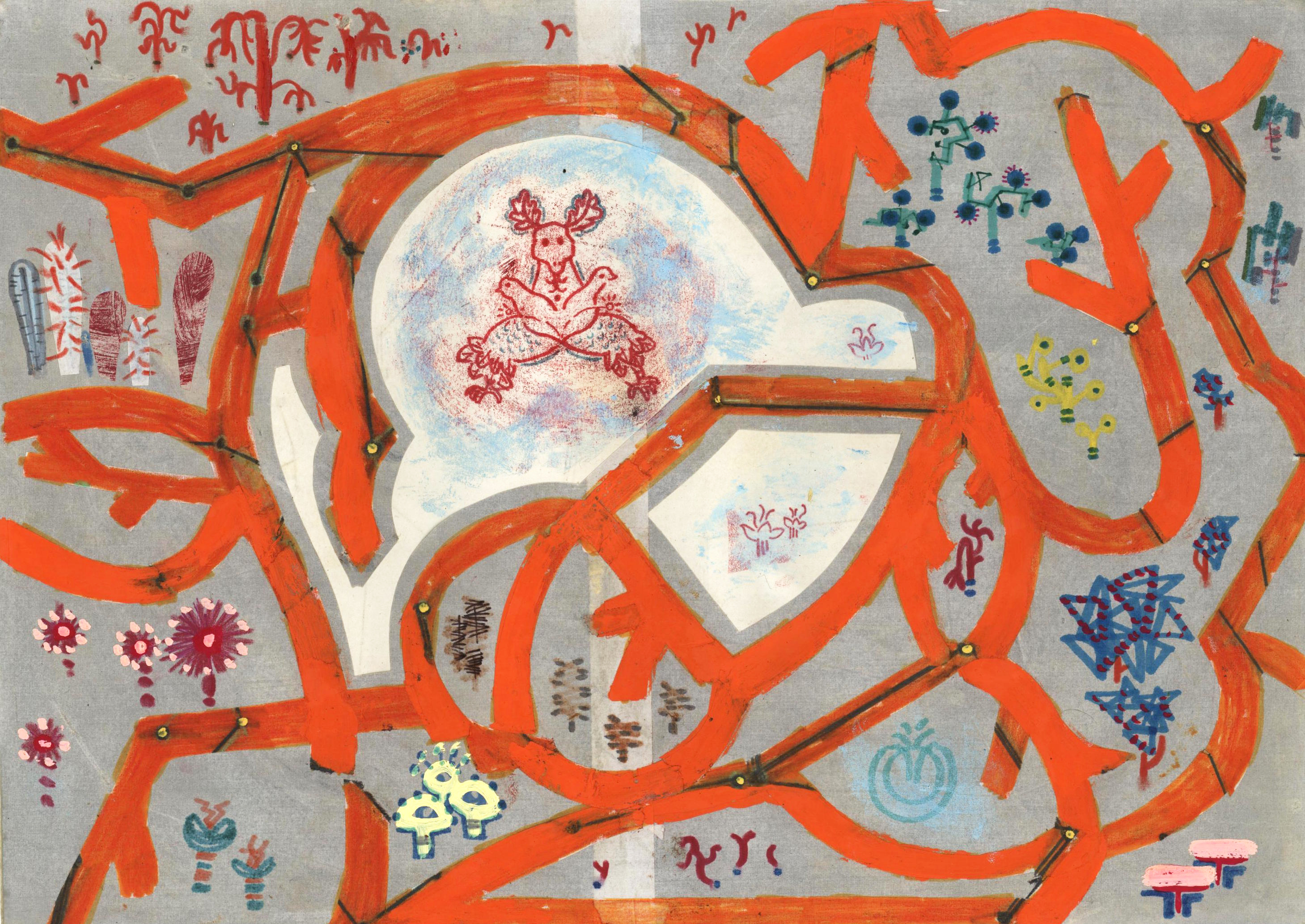
From my messy map above, I re-created my own version of ‘Destroy, She Said’ by collaging all of significant characters and scenes from the original text and filming it in my head. In my rough sketch; I put every characters on the same page, all scenes were simultaneously happened in the same town.
I was a film director not illustrator. All actresses were told to perform their own scenes over and over. I watched quietly and carefully, but something was wrong. I told myself: alter it to a play on the theater.
The spotlight was turned on. A nude woman sat on the stage. She was calm for a while before she told me she forgot her script. She said it was too much for her.
“But I can dance” She said. “I can express my feelings through my body.”
“Hmm.. that’s interesting, have you ever seenBlaubart?” I asked.
“That is my favourite one.” She answered.
(to be continued “Destroy, She Said (2)” : My inspiration from “Bluebeard, Tosca, and Sea of Vigo Song Cycle”)






































































 *
*


















 Your Voices, Your Interpretations